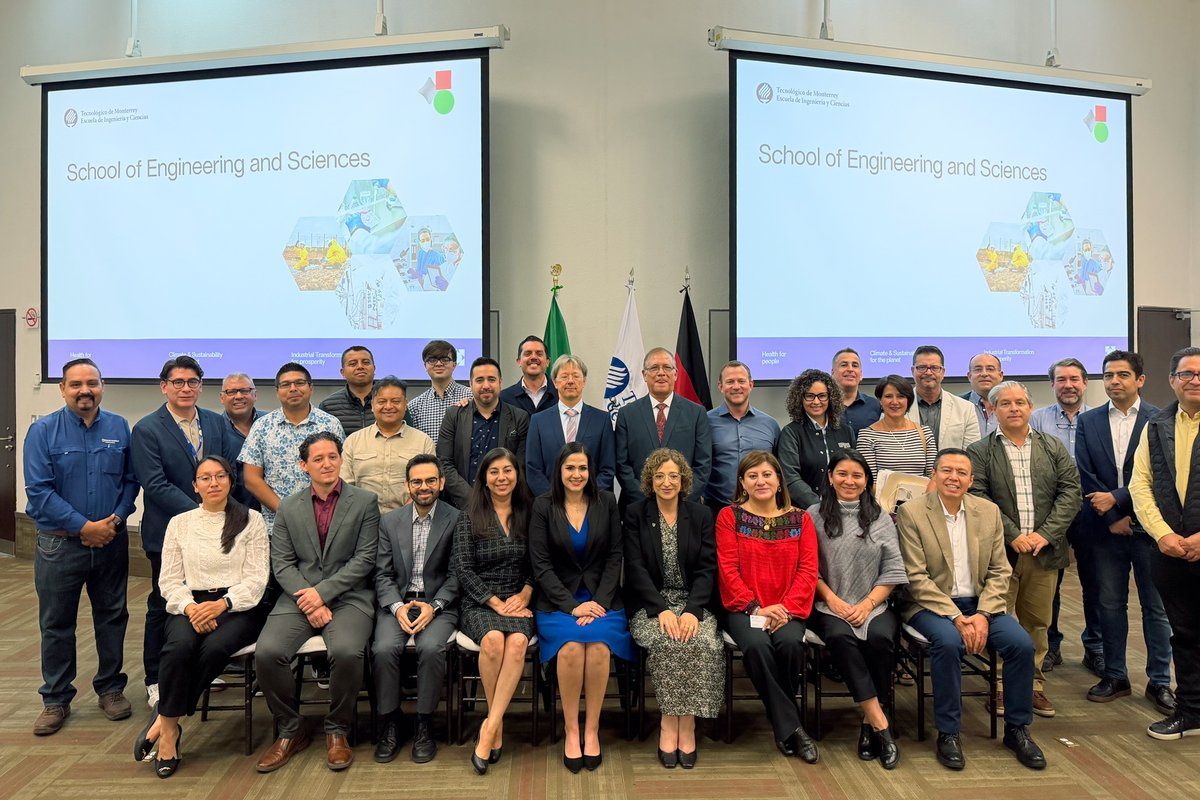
Felicidades a quienes hoy recibieron su título profesional en la Escuela de Ingeniería y Ciencias. Su esfuerzo, disciplina y pasión los han traído hasta aquí. El futuro ya los espera para ser transformado por ustedes.
¿Tienes investigación en bioeconomía, sostenibilidad, innovación o tecnologías emergentes?@TECcampusMTY
26–30 de octubre de 2026
Envía tu abstract antes del 15 de julio de 2026. https://t.co/BRQjWRLGFc
🌱🌎 @TECcampusQRO participó en ARISE, conectando innovación AgTech entre Reino Unido, EE. UU. y Latinoamérica. Impulsando soluciones en IA, biología y agronomía para un campo más sostenible 🚀
https://t.co/kWpSXSeciO
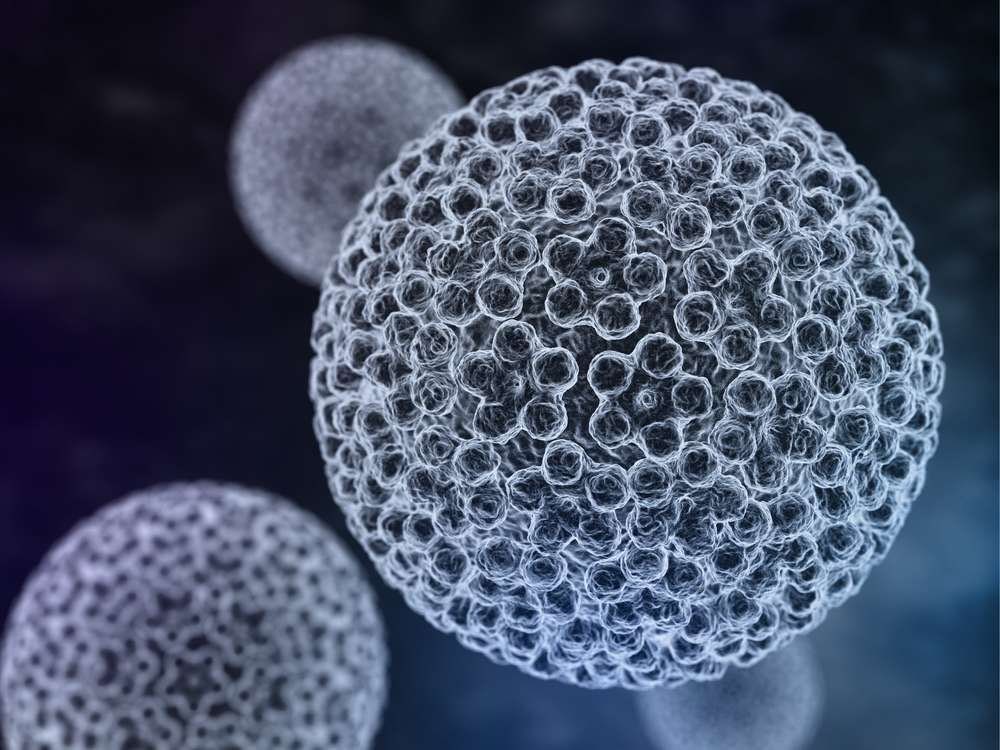
#DíaMundialDelADN 🧬 Hoy conmemoramos el descubrimiento de la estructura de doble hélice del ADN, esa molécula fascinante que determina desde nuestros rasgos físicos hasta nuestro riesgo de padecer enfermedades.
🔵 Gracias a la ciencia, ahora sabemos que nuestro ADN guardaba grandes secretos. Por ejemplo, que el trauma de guerras y conflictos se graba en el ADN como huella epigenética y pasa de generación en generación. 🍺 O que el consumo de alcohol durante el embarazo altera permanentemente el ADN del bebé.
🔬 En México, el proyecto OriGen del Tec de Monterrey está analizando el ADN de los mexicanos para crear tratamientos médicos y un sistema de salud preventivo diseñado específicamente para nosotros.
🧠 👉 Encuentra esta y más información en #TecScience. https://t.co/sTlXhNRDUD
🧬🔬¿Sabías que las y los latinos en Estados Unidos son la comunidad con mayor riesgo de vivir con obesidad? Aún así, hay muy poca evidencia científica sobre los factores que lo provocan.
Es por eso que el Institute for Obesity Research del Tec de Monterrey y la Arizona State University (ASU) desarrollaron un repositorio abierto para impulsar la investigación: https://t.co/KcSm3uoYHh
Este encuentro fortaleció el intercambio académico entre ambas instituciones y abrió nuevas oportunidades para seguir construyendo conocimiento a través de la colaboración internacional. 🌎🔬
Aquí, las ideas no se quedan en conversación: evolucionan hacia proyectos, alianzas y oportunidades que impulsan soluciones sostenibles y de impacto real 🚀
El futuro se construye hoy, a través de la colaboración y el intercambio de conocimiento.
#TecCampusQRO
We are thrilled to announce the schedule and venue for BIOMOD 2026!
The jamboree will be held at Campus Querétaro, Tecnológico de Monterrey, Mexico, on Nov. 20-22. 🇲🇽 Further details will be shared on April 15 at https://t.co/S4kZl6SNR0.
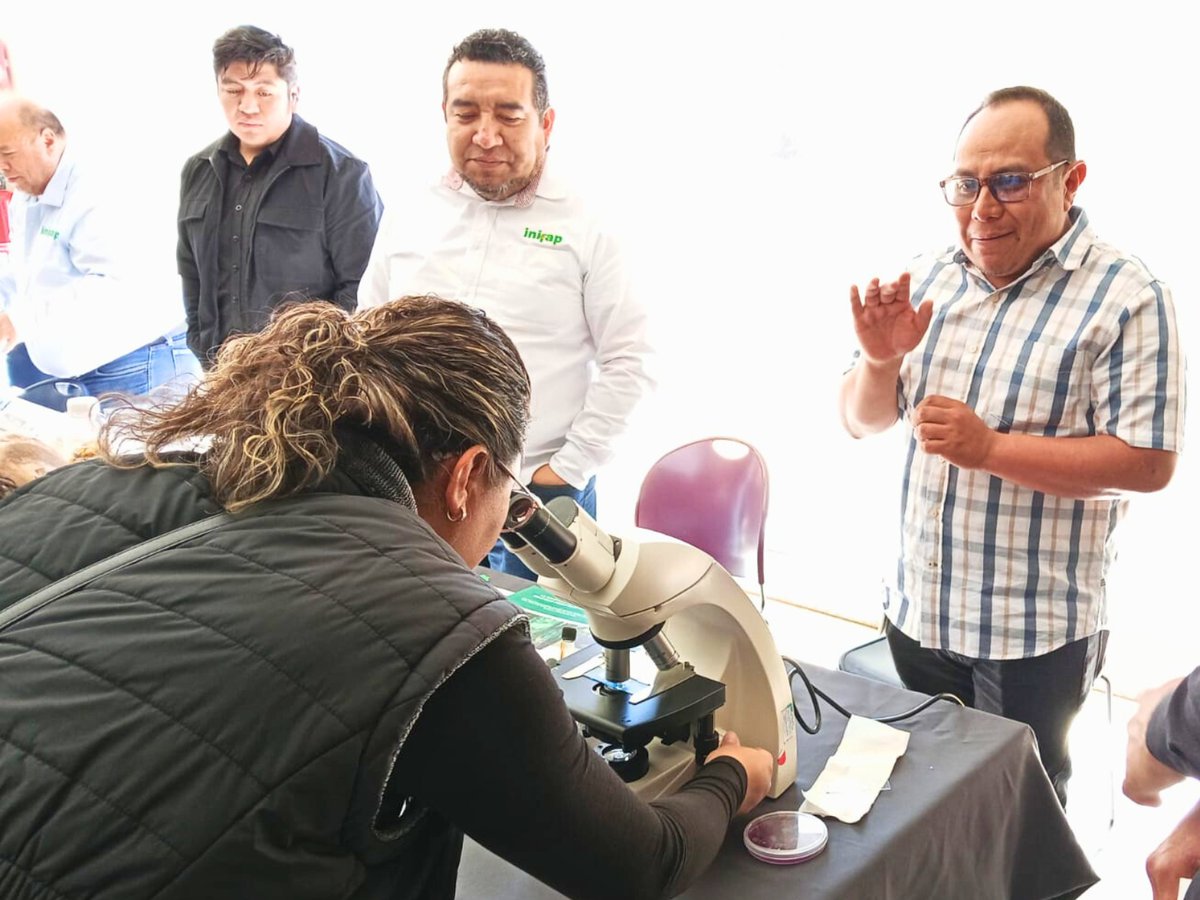
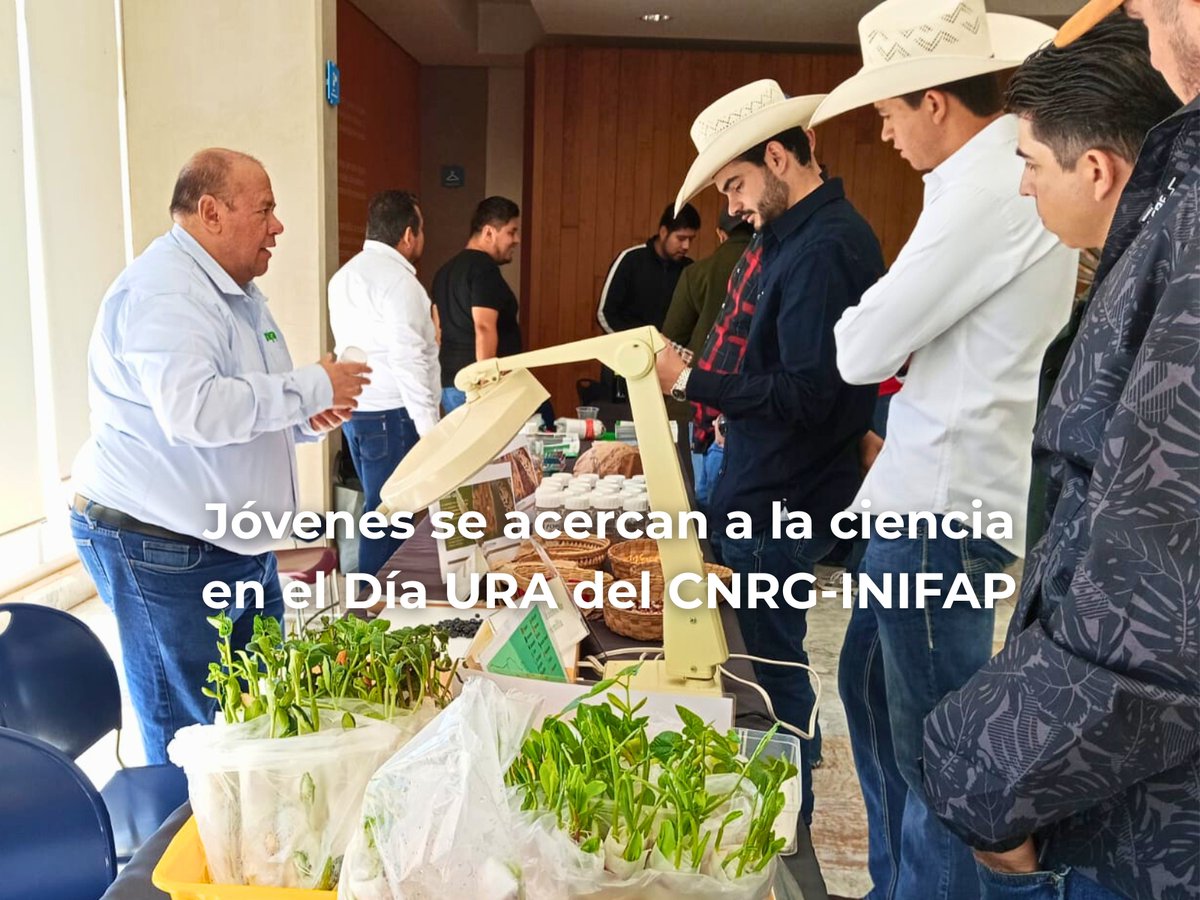
El CNRG del INIFAP abrió sus puertas a estudiantes y jóvenes interesados en conocer de cerca el trabajo científico que se realiza para la conservación de los recursos genéticos de México.
📖 Conoce más en la nota completa aquí: https://t.co/otx1sXoHAX
🍞 ¿Aún no congelas el pan? Esta es tu señal para hacerlo. Además de interrumpir el proceso de endurecimiento y conservarlo por más tiempo, el congelarlo y luego descongelarlo modifica su estructura, lo que puede favorecer una mejor respuesta glucémica y beneficiar la salud intestinal. ☝️
The quest to fundamentally reverse human aging has reached a historic milestone with the FDA officially greenlighting the first human clinical trial for a gene therapy designed to reverse biological age at the cellular level.
This groundbreaking treatment is spearheaded by Life Biosciences, a biotech company co-founded by Harvard genetics professor David Sinclair, and utilizes a technique known as partial epigenetic reprogramming. The therapy acts as a "software reset" for the body by delivering a specific cocktail of three genes that modify chemical tags on DNA to make older cells function as if they were young again.
The scientific foundation for this trial is based on staggering laboratory results where Sinclair's team used this reprogramming technique to reverse the biological age of animal cells by up to 75 percent. Rather than merely slowing aging, the therapy actively restored youthful functions, such as regenerating damaged optic nerves and curing blindness in both mice and non-human primates. These successful outcomes in animal models provided the necessary evidence to move the research into human testing.
The upcoming Phase 1 human trial will specifically target patients suffering from severe, age-related vision loss. Initial focus areas for the treatment include open-angle glaucoma and a condition often referred to as a "stroke of the eye". This targeted approach aims to validate if the cellular regeneration observed in animals can be safely replicated in humans to restore sight.
This development represents a major shift in longevity science, moving from theoretical research toward practical, clinical applications. By addressing the root cause of cellular decay rather than just treating symptoms, this gene therapy offers a new perspective on how we might manage age-related diseases in the future. While it is still in the early stages of human testing, the potential to "reset" the body's biological clock marks a new era in regenerative medicine.
🥗🔬 El investigador del Tecnológico de Monterrey Campus Querétaro, @vicbios, advierte que la seguridad alimentaria no solo depende de producir más alimentos, sino de garantizar que sean inocuos para el consumo humano
https://t.co/J3on9mGIny
#ColumnaDeOpinión#CódiceInformativo
.@Nature reports on how researchers are studying why mitochondria are moving between cells and whether the process can be harnessed to treat cancer and other diseases. https://t.co/tpQaEQRmyj
A single mitochondrial DNA mutation in mice causes autism-like behavior—social deficits, anxiety, and EEG disruptions—with no changes to brain anatomy.
Let’s break it down 🧵1/10
📌 3 Research Assistant / Research Associate Positions in the Department of Plant Sciences 🌱 at the University of Cambridge, UK 🇬🇧, See details at: https://t.co/by4ijiTETZ
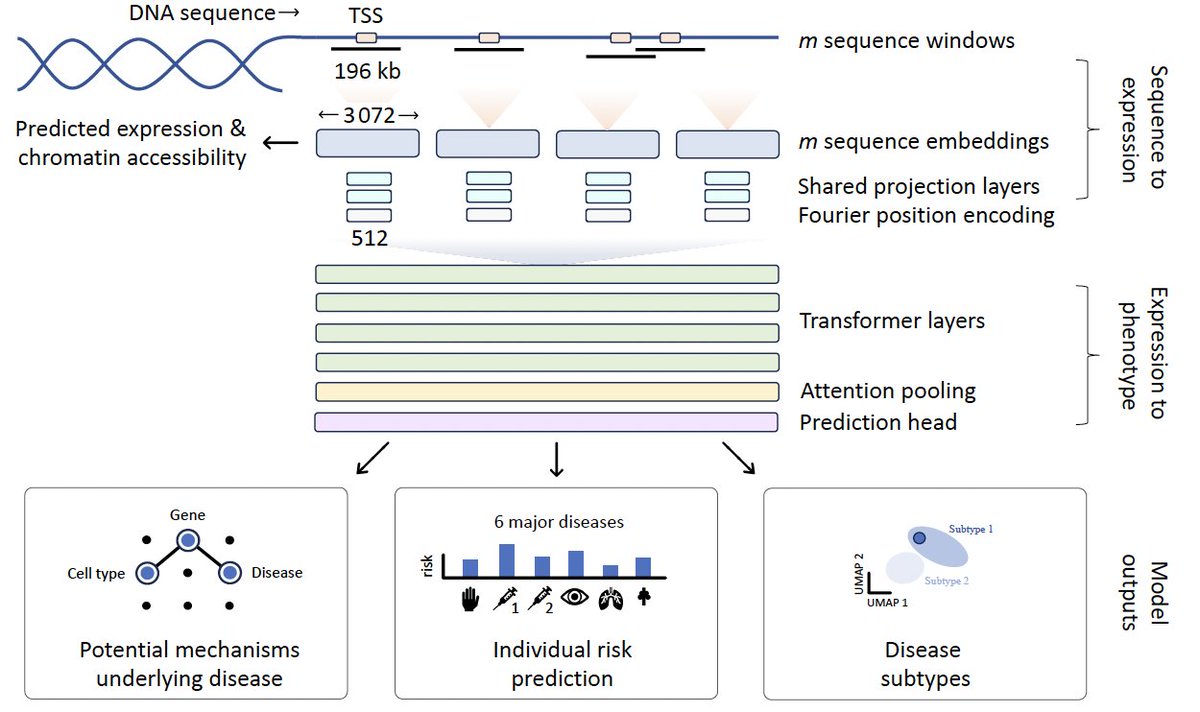
AI is now decoding genetic disease risk from entire genome sequences!
1/ Phenformer is the first deep learning model that predicts disease risk directly from whole genome sequences.
A genetic detective tackles a touchy question: How often are children genetically unrelated to their presumed fathers?
Learn more: https://t.co/FF6btPfYqq @NewsfromScience