They're not pests. They're little lives with beating hearts, just trying to make it through another day.
Please be gentle with pigeons. They deserve kindness, too.
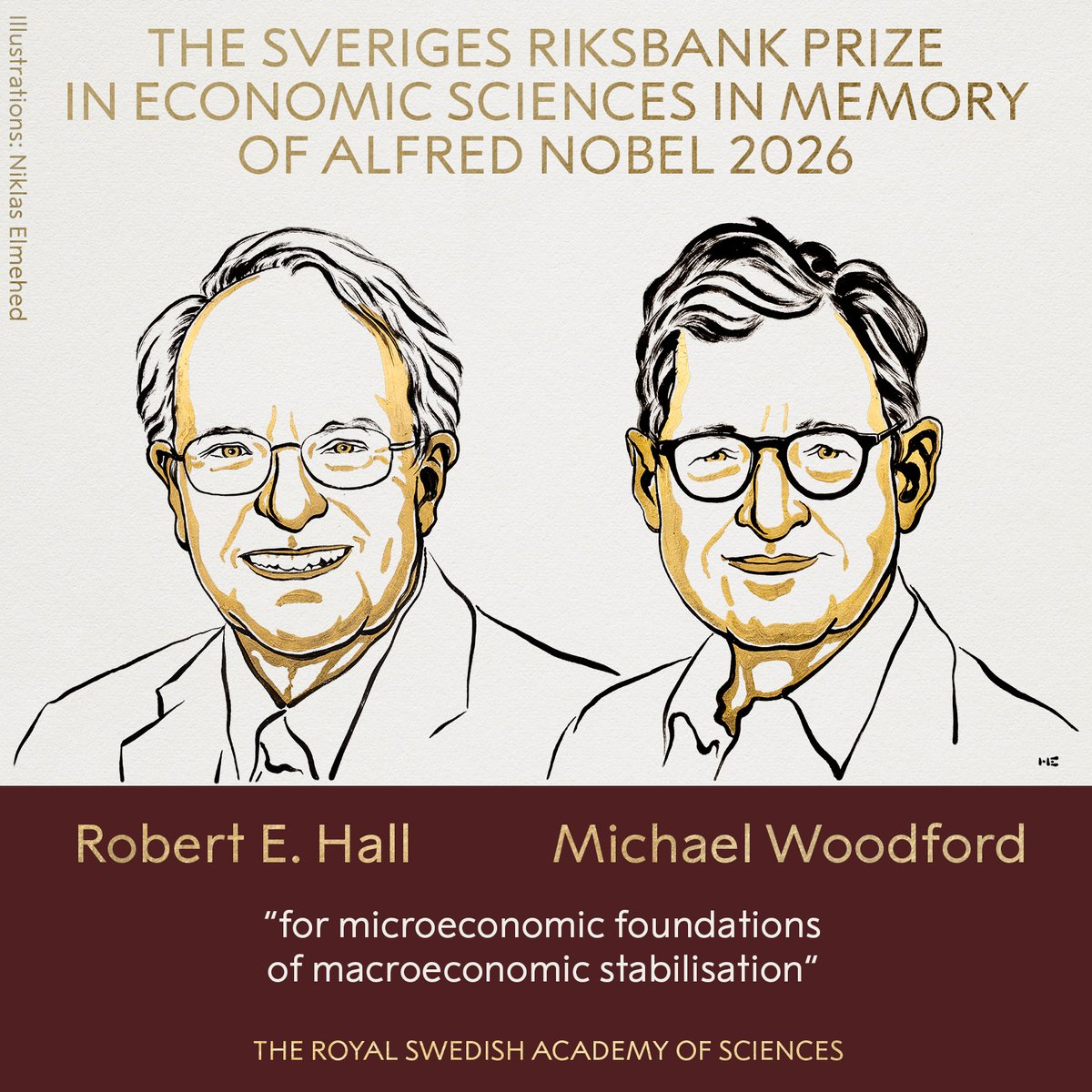
As I imagine is also true for many other macroeconomists here, this prize feels personal to me.
Hall and Woodford have laid the foundations for an enormously fruitful body of research, one that encompasses my own research agenda on consumption, fluctuations and stabilization policy. My papers would not have existed were it not for their contributions.
So well deserved. Congratulations!!
Andrew Koh (@andrewjkoh) is a PhD candidate in Economics at MIT.
He works on game theory and economic theory, across both applied and foundational questions, with applications to the economics of technology.
15/16
Hi, I am excited to share my job market paper, titled “Exchange Rate Pass-through and Expenditure-Switching Revisited.” The conventional wisdom on this topic is that low pass-through generates less expenditure-switching than high pass-through. In this paper, I demonstrate and explain the opposite, and consider policy implications. https://t.co/Hi17IREitF 1/9
Pablo (@pvalenzuelac) is an urban economist interested in history and public economics. His job market paper studies the long-run consequences for individuals displaced by the construction of the highway system in the US. Profile: https://t.co/jKIzxX8JA2
1/🧵 Today, I would like to tell you about another terrific student of mine: Constanza Abuin (@cotiab_; https://t.co/VBALc68b9u). She is an economist who works on a range of energy and environmental topics, using tools from international trade and industrial organization.
I was asked to write a short piece on Ricardo Caballero, for a volume that Palgrave is putting together on the history of @MITEcon. It was such a joy to pay homage to my advisor and friend. We don't spend enough time thanking the people who change our lives.
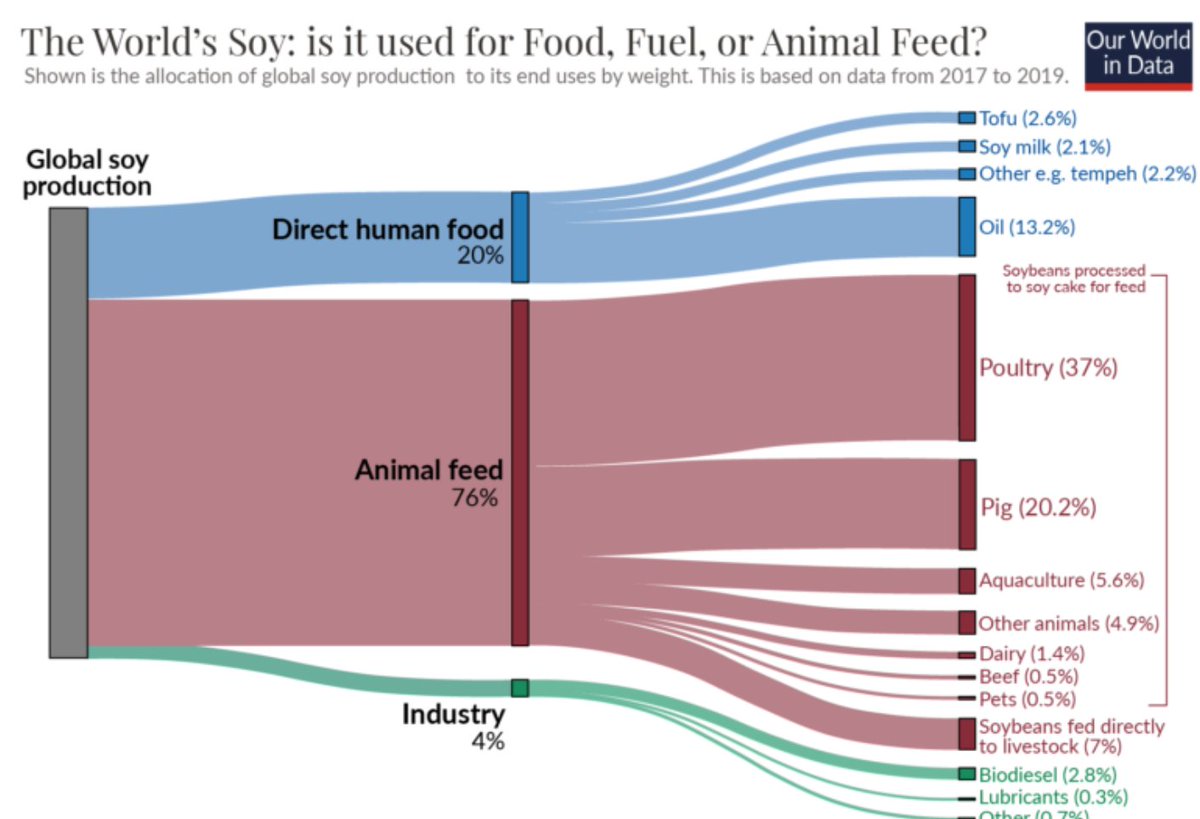
@erocannera@Espelunco No entiendo. Abriste siquiera el link? Mira la imagen de abajo. Te adjunto también otro link donde se discute al respecto: https://t.co/eNGoX5qJsI. Mira en particular lo que sigue a: "...which shows we'd only need 1/4 of the farmland if everyone were vegan".
@erocannera@Espelunco which shows just the extent of how inefficient it is, and shows that animal agriculture requires a much bigger area and many more crops."
@erocannera@Espelunco Sí, entiendo. Y lo que dices es incorrecto en general, mira el artículo (caveat: la disponibilidad de datos al respecto es limitada). Una cita relevante: "Animal agriculture produces less calories occupying 77% of the land than the plant crops occupying the remaining 23%...
@la_toletole Y ya que estás en contra del sufrimiento innecesario de animales, en qué medida te parece "necesario" alimentarse de carne y prod. derivados de animales dadas las condiciones horribles en que estas industrias mantienen a millones de ellos...
@erocannera@Espelunco Ok, pensé que estábamos de acuerdo en que no era literal "la lechuga de las vacas" si no las crop deaths en general. Acá va un artículo con referencias (no pillé en español): https://t.co/CMAkvIRGXa
@erocannera@Espelunco Las leches vegetales suelen ser algo más caras en Chile (en parte por subsidios a la leche de vaca, creo), pero hay alternativas accesibles y, tomando la dieta como un todo, sigue siendo más barata la vegana.