60 years ago today, Fannie Lou Hamer drew national attention when she testified before the Democratic National Convention’s credentials committee, challenging Mississippi’s all-white delegation. She detailed violence against Black Americans in Mississippi, including her own beating in the Winona jail.
“All of this is on account of we want to register, to become first-class citizens,” she said. “And if the Freedom Democratic Party is not seated now, I question America. Is this America, the land of the free and the home of the brave, where we have to sleep with our telephones off the hooks because our lives be threatened daily, because we want to live as decent human beings, in America?”
Before she could finish, President Lyndon Johnson’s office got the networks to cut away from her testimony for an impromptu press conference at the White House. But later that night, Hamer’s testimony ran on all the networks.
Asked why she kept pushing for the civil rights of Black Americans, she replied, “I’m sick and tired of being sick and tired.”
The Mississippi Freedom Democratic Party failed to unseat the all-white delegation, but four years later, Hamer returned in triumph, receiving a standing ovation as the first Black delegate from Mississippi since Reconstruction. https://t.co/k42qpnSHdT
Tessie Prevost Williams’s flagged draped casket has arrived at Gallier Hall. She is one of the New Orleans Four who helped integrate New Orleans public schools in 1960. The late civil rights pioneer will lie in state here from noon to 3. @WWLTV
“I agreed (to participate) because when I was reading the 27 demands, I cried,” Ba said. “I saw myself in those students — basically children asking to be treated as human.” Come to our commemoration of the 1970 Fulton Chapel protest at @umlibarts .
https://t.co/rMIn3JrbMY
A 7-foot statue of civil rights icon, Fannie Lou Hamer, was donated by Stockton University Professor Dr. Patricia Reid-Merritt, to Atlantic City commemmorating her historic speech at the Democratic National Convention on the boardwalk nearly 60 years ago.
https://t.co/TOLbVDagC4
My mom hired a writer to sit down with my 95-year-old grandmother in India and document stories from her life.
They met weekly for two years.
The process brought my grandmother immense joy—the result will bring my family joy for years to come.
I think everyone should do this:
My mom found the writer through an elderly care service in India.
Her request was for someone who would record and transcribe stories from my grandmother.
The writer was a recent university graduate named Raika Sengupta.
The process began shortly after the pandemic lockdowns ended in India.
Raika would visit with my grandmother every week.
Depending on my grandmother’s energy, they would meet for an hour or less.
Each time, they would pick up where they left off on her life journey.
Raika would record the conversation and then transcribe the recordings—mostly in my grandmother’s own words, with some stylistic improvements where necessary.
My grandmother is an AMAZING storyteller, so the writing naturally flowed.
The weekly meeting became a beautiful ritual.
During a time when there wasn’t much to look forward to because of COVID lockdowns and a diminished social life, my grandmother looked forward to these sessions.
They made her feel important again—such a powerful thing at her age.
Once the writing was complete, my mother—a beautiful writer herself—took the pen on editing and converting the stories into a book.
She worked with my grandmother on the flow and filling in the gaps.
They added chapters on special people in her life—siblings, friends, etc.
We wanted to add photos to the book, so the whole family got involved.
When I was in India in January, I got to sit with my mom, dad, and grandmother and go through old photos to include.
We uncovered some real gems. It was beautiful.
The book is almost complete. We will have enough copies made so that all of her family can have a copy to remember her by when she is gone.
I really believe everyone should do this.
One of the saddest things is seeing our grandparents feel they are no longer “important” to anyone.
The process reminded my grandmother how much she is loved and how much she still has to offer the world.
If you enjoyed this or learned something, follow me @SahilBloom for more in the future.
#OnThisDay in 1874, Patrick F. Healy became president of @Georgetown. He was the first Black American to become president of a predominantly white university. He helped transform the small college into a major institution. #history https://t.co/qGUrC77SeQ
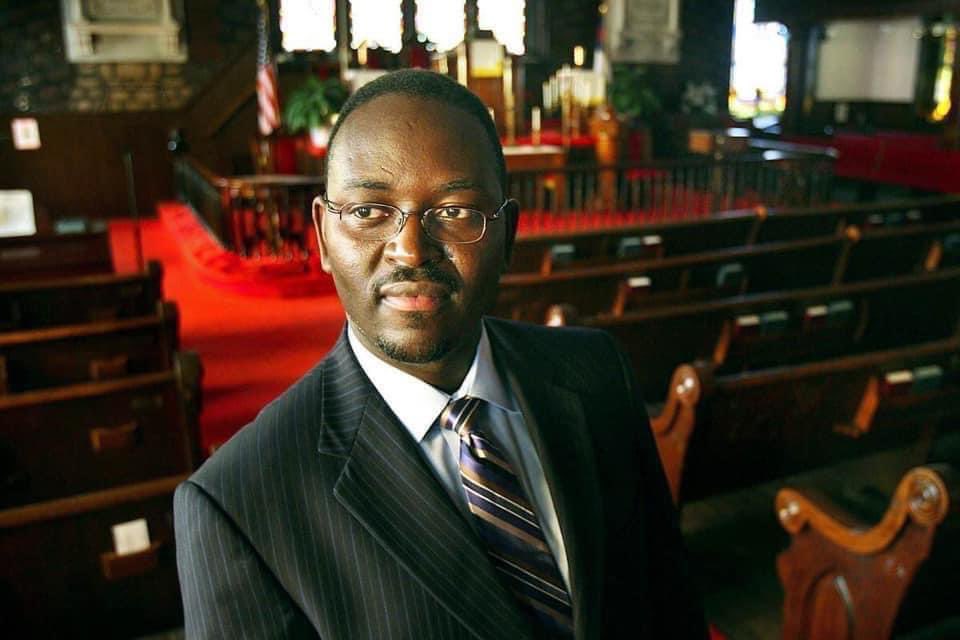
Happy heavenly birthday to my namesake, former South Carolina senator and pastor of Mother Emanuel AME Church, Rev. Clementa Pinckney. In 2015, he, along with 8 of his church members, was murdered by a white supremacist in Charleston, SC. He would have been 50 years old today. This is what “Ment” is short for. May his legacy forever live 🕊️
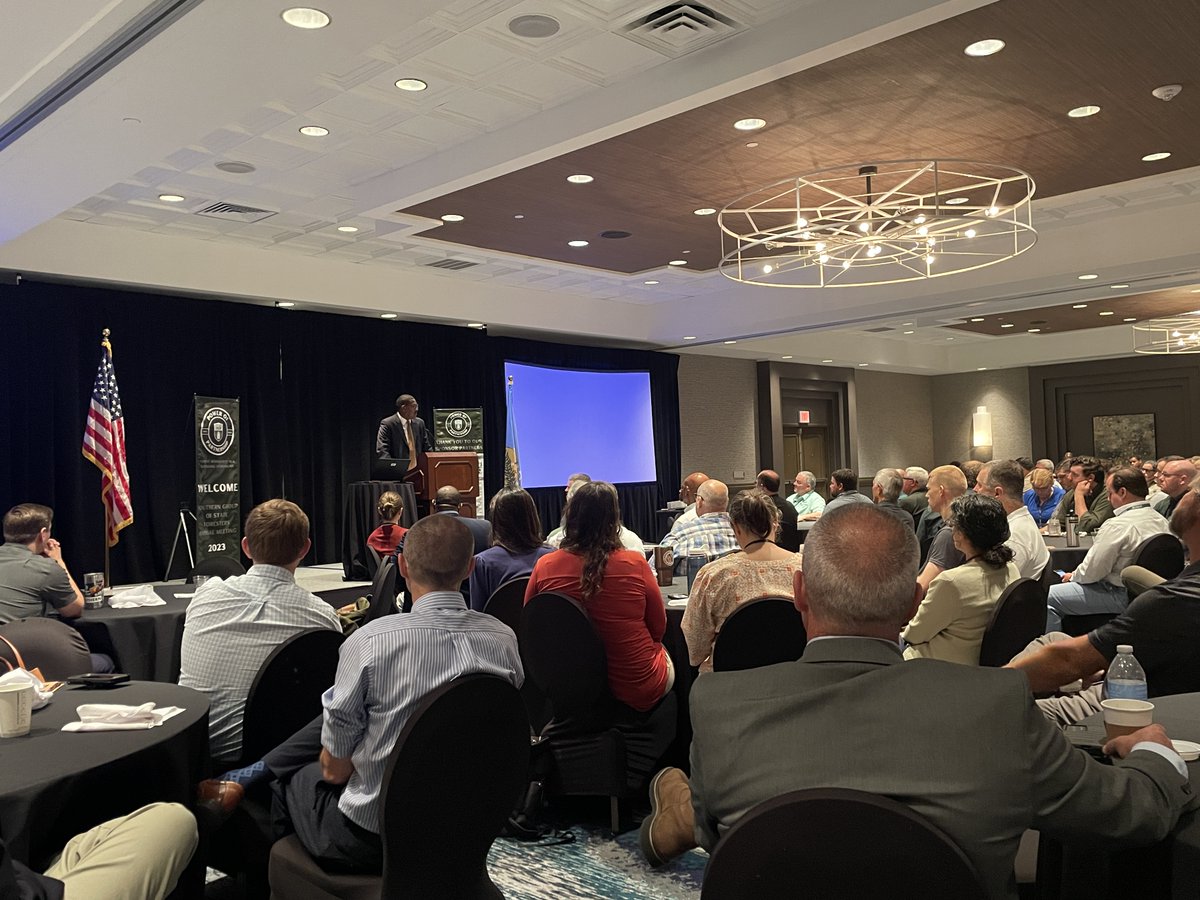
Homer Wilkes, U.S. Under Secretary of Agriculture: "Trees are going to address our climate change issues. Trees are gonna address the health of our country. I know I'm preaching to the choir, but I just need to reiterate the importance of the work you do here. I appreciate you!"
this is NOT A DRILL. Mississippi Student Advocacy Team got our first ever grant 🥹 thanks to this amazing organization we’re receiving ($10,000!!) towards relief in affected MS Delta communities. shoutout to my team of volunteers. we’re so thankful ❤️
Joe Burrow, Blake Griffin, and roughly 20 other athletes are purchasing a 104-acre farm in Iowa for roughly $5 million.
The group will eventually buy 4 more properties — leasing the land to farmers and seeking a single-digit-percentage annual return on the total investment.
During the 1940s it was rare for a black person to have control over large amounts of land.
In 1944, a group of white men brutally lynched Rev. Isaac Simmons, a Black minister & farmer, so they could steal his land in Amite County, Mississippi which was over 270 acres
A THREAD!