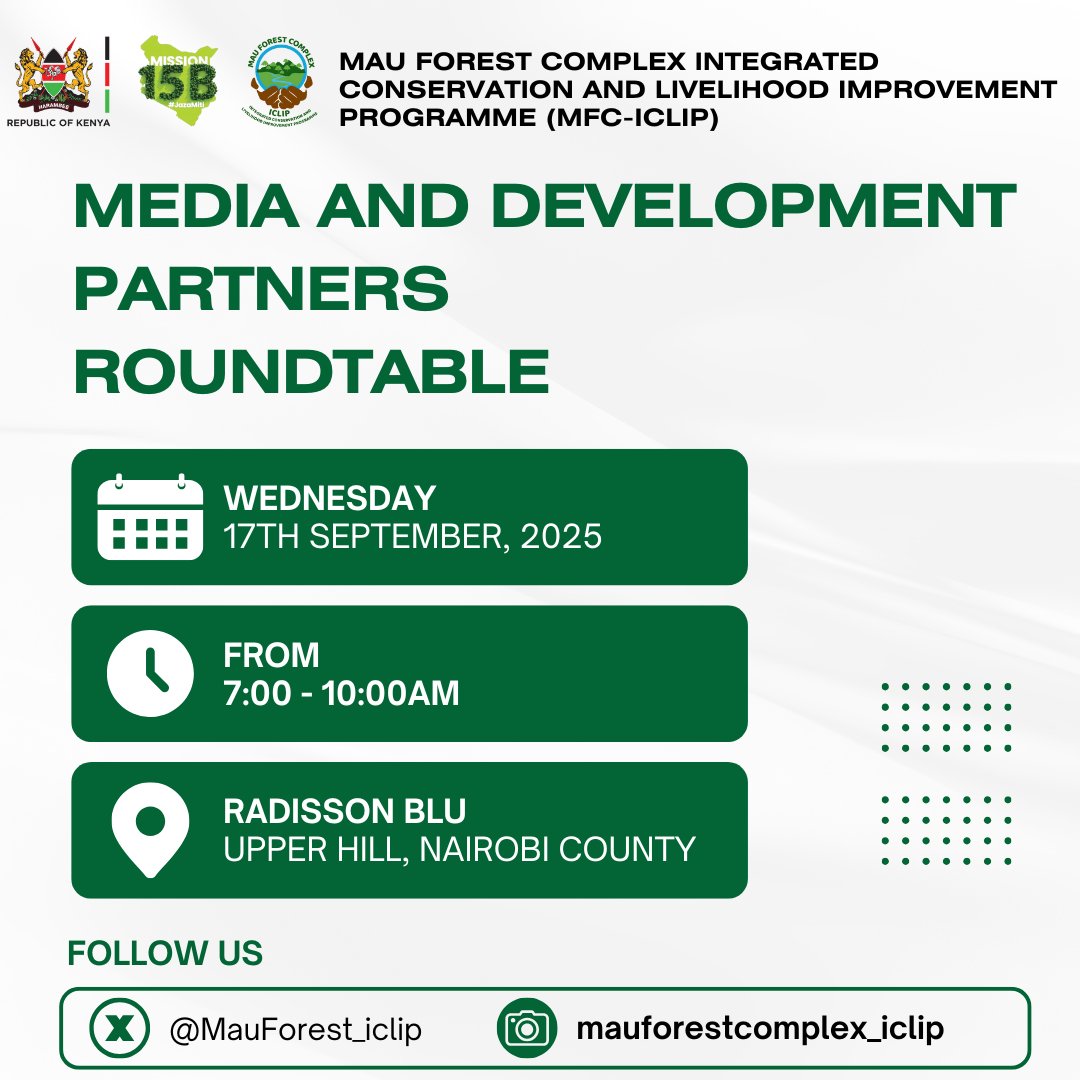
Join us for a Media and Development Partners Roundtable Breakfast Meeting on the Mau Forest Complex Integrated Conservation and Livelihood Improvement Programme (MFC-ICLIP) to be held on Wednesday, 17th September 2025 from 7:00 a.m. at Radisson Blu Hotel, Upper Hill, Nairobi County.
The event brings together key stakeholders to deliberate on progress, priorities, and collaborative opportunities in advancing conservation and sustainable livelihoods within the Mau Forest Complex
#LindaMauBoreshaMaisha #MFC_ICLIP
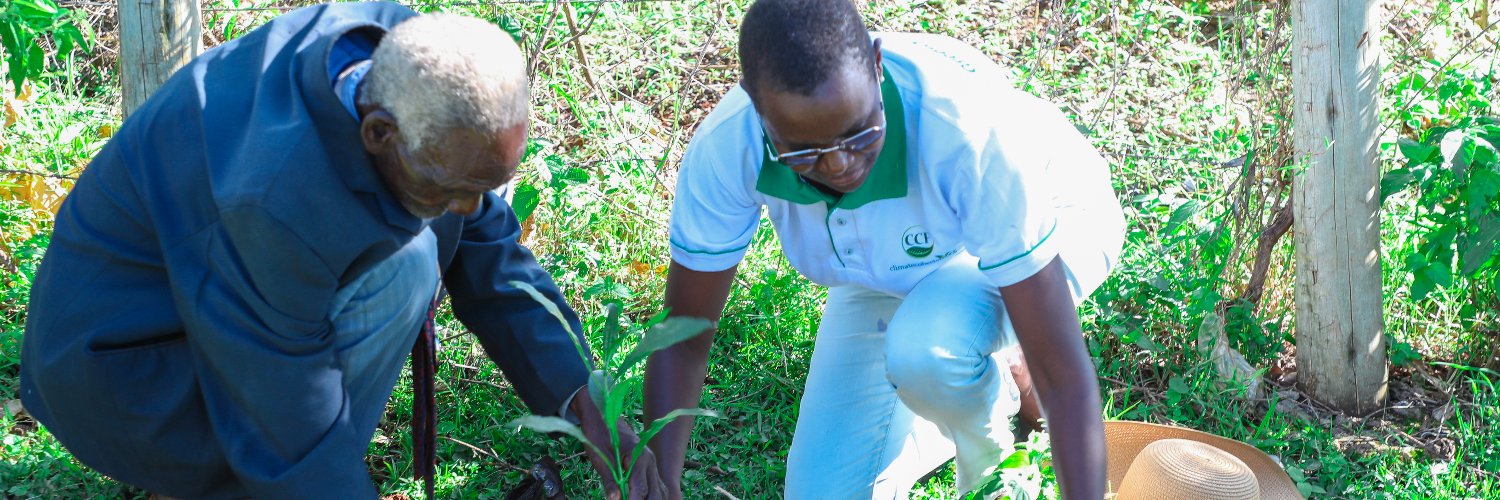
Today, at the Source Marindas Water Catchment in Bararget Forest Station, Nakuru County, the Patron of the @MauForest_iclip, @Eng_F_Ngeno together with Kuresoi North MP Hon. Alfred Mutai, joined local residents in a tree-growing exercise. #MFC_ICLIP#LindaMauBoreshaMaisha
The Mau Forest is Kenya’s largest water tower, where rivers, lakes, and billions in livelihoods depend on it. Yet, years of degradation have pushed it to the brink.
Through the Mau Forest Complex Integrated Conservation and Livelihood Improvement Programme (MCF-ICLIP), which I champion, we are restoring this vital ecosystem while empowering communities with sustainable livelihoods.
Today, together with Kuresoi North MP Hon Alfred Mutai, we joined residents of Marindas Water Catchment in Bararget Forest Station, Nakuru County, for a tree-growing exercise where 20,000 tree seedlings were planted.
The tree-growing drive is not a one-day event—it is part of a weekly series held every Friday with the goal to grow 4 million trees before the launch on 24th October 2025 at Baringo Primary School, Kuresoi North, Nakuru County.
This is not just about trees. It’s about resilience, livelihoods, and a future where people and nature thrive together.
#LindaMauBoreshaMaisha #MFC_ICLIP #JazaMiti #15BillionTreesBy2032
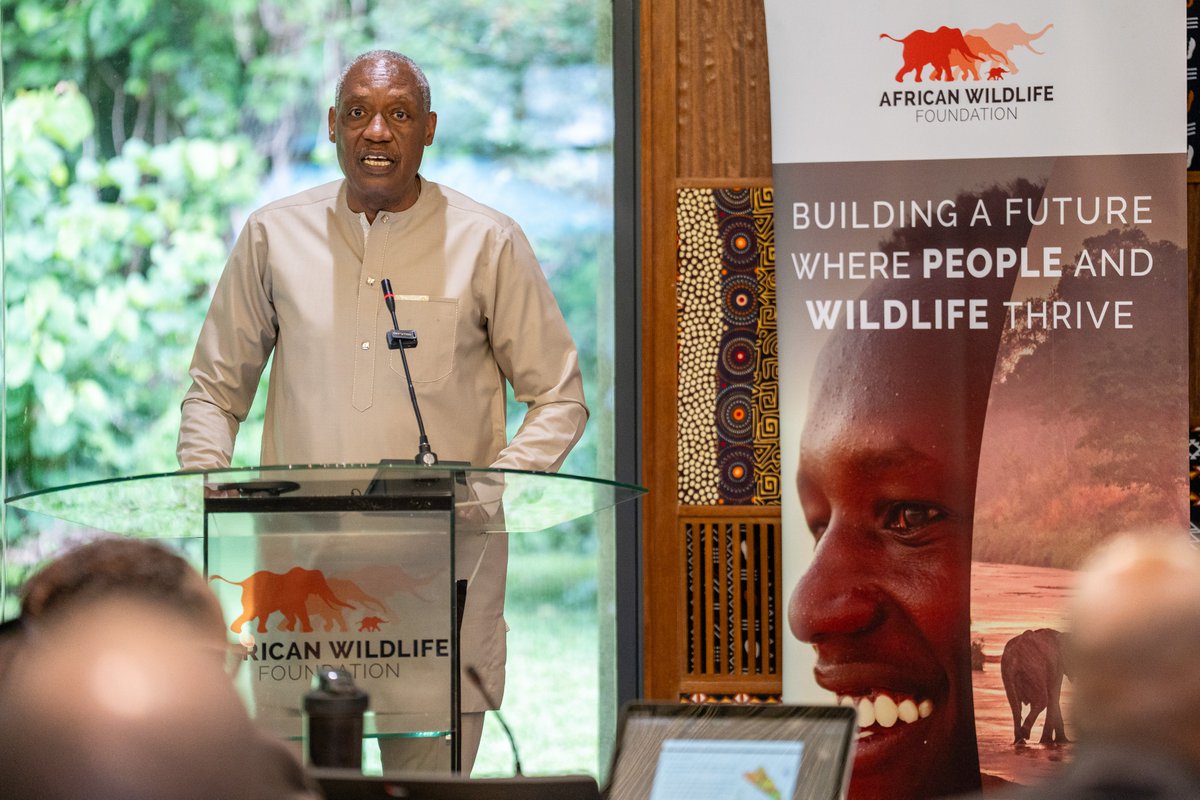
This morning, I had the privilege of welcoming the @theGEF Operational Focal Points from 23 African countries to the African Wildlife Foundation (@AWF_Official ) headquarters for our inaugural regional training workshop. I emphasized that genuine conservation can only thrive when tightly integrated with the cultural, economic, and political aspirations of African communities. Our vision at AWF is clear: conservation is most effective when people own and benefit directly from wildlife and wild lands, shaping development pathways that allow nature and communities to coexist and prosper.
During my remarks, I highlighted the critical role of GEF Operational Focal Points as essential catalysts in transforming GEF investments into sustainable outcomes. It’s crucial that these resources align with national environmental and socio-economic priorities, driving integrated solutions across ministries and sectors. The leadership of OFPs extends beyond project oversight—they are advocates ensuring conservation strategies resonate with the aspirations of local communities, youth, women, and the private sector.
As Africa stands at the threshold of the GEF’s 9th replenishment cycle, this workshop presents an unparalleled opportunity to set a new standard for environmental governance. It is a strategic forum for high-level dialogue, collaboration, and the development of capacity-building frameworks designed to amplify Africa’s collective voice and optimize resource allocation. Through this initiative, we aim to advance conservation strategies that holistically support ecological integrity and socio-economic resilience, securing a sustainable and thriving future for both people and nature across the continent. @cmrodrigueze , @emtambara, @Fred_K_Kumah
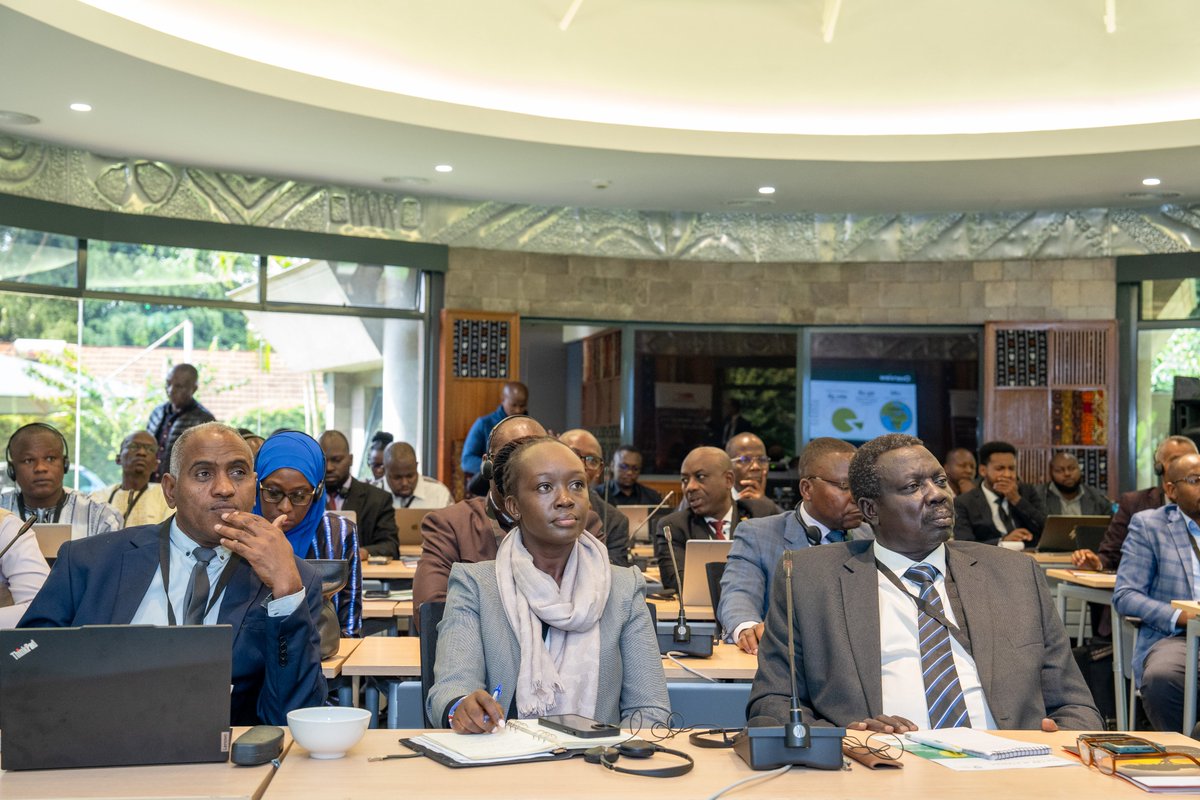
Today marks a significant milestone in Africa's environmental leadership as the African Wildlife Foundation (@AWF_Official), in collaboration with the Global Environment Facility (@theGEF ), launches the inaugural regional training workshop for Operational Focal Points (OFPs) across 23 African nations hailing from the South, East, West and Central Africa.
This pioneering initiative is strategically designed to strengthen the capacity of OFPs, ensuring they possess the critical expertise and tools necessary for effective governance, oversight, and strategic management of their environmental portfolios. Through this targeted effort, AWF and GEF are advancing a shared vision where conservation seamlessly integrates into the broader spectrum of Africa’s sustainable development.
In his opening remarks, @AWFCEO,Kaddu Kiwe Sebunya highlighted the profound necessity of embedding conservation firmly within national and regional development frameworks. He stressed that fostering local leadership and strengthening governmental accountability are vital to ensuring meaningful, sustainable environmental stewardship. By empowering OFPs through comprehensive training, this initiative is positioning African leaders to optimize resource utilization, achieve greater project impacts, and foster inclusive, whole-of-government approaches to environmental governance.
As GEF enters its 9th replenishment cycle, the continent faces an unprecedented opportunity to redefine its approach to environmental management. With over $6.2 billion invested across 1,800 projects and leveraging an additional $40 billion from diverse stakeholders, including governments and the private sector, since 1991, this initiative represents a transformative commitment towards enhanced accountability, community-driven conservation, and lasting ecological and socioeconomic benefits.
AWF remains committed to championing this strategic shift, reinforcing Africa’s leadership role in the global environmental movement. Read more about this initiative here - https://t.co/J0D2sn40Aa
Aujourd'hui marque une étape importante dans le leadership environnemental de l'Afrique, puisque African Wildlife Foundation (AWF), en collaboration avec le Fonds pour l'environnement mondial (FEM) Global Environment Facility (GEF) , lance le premier atelier régional de formation pour les points focaux opérationnels (OFP) dans 23 nations africaines du sud, de l'est, de l'ouest et du centre de l'Afrique.
Cette initiative pionnière est stratégiquement conçue pour renforcer la capacité des PFO, en s'assurant qu'ils possèdent l'expertise critique et les outils nécessaires pour une gouvernance, une supervision et une gestion stratégique efficaces de leurs portefeuilles environnementaux. Grâce à cet effort ciblé, AWF et le FEM font progresser une vision commune dans laquelle la conservation s'intègre parfaitement dans le spectre plus large du développement durable de l'Afrique.
Dans son discours d'ouverture, Kaddu Kiwe Sebunya, PDG de AWF, a souligné la nécessité absolue d'intégrer fermement la conservation dans les cadres de développement nationaux et régionaux. Il a insisté sur le fait que la promotion du leadership local et le renforcement de la responsabilité gouvernementale sont essentiels pour assurer une gestion significative et durable de l'environnement.
En donnant aux PFO les moyens d'agir grâce à une formation complète, cette initiative permet aux dirigeants africains d'optimiser l'utilisation des ressources, de renforcer l'impact des projets et d'encourager des approches inclusives et globales de la gouvernance environnementale.
Alors que le FEM entre dans son 9e cycle de reconstitution des ressources, le continent se trouve face à une opportunité sans précédent de redéfinir son approche de la gestion de l'environnement. Avec plus de 6,2 milliards de dollars investis dans 1 800 projets et 40 milliards de dollars supplémentaires provenant de diverses parties prenantes, y compris les gouvernements et le secteur privé, depuis 1991, cette initiative représente un engagement transformateur en faveur d'une meilleure responsabilisation, d'une conservation pilotée par les communautés et d'avantages écologiques et socio-économiques durables.
AWF demeure engagée à défendre ce changement stratégique, renforçant ainsi la position de leader de l'Afrique dans le mouvement environnemental mondial.
Pour en savoir plus sur cette initiative, cliquez ici - https://t.co/J0D2sn40Aa
@emtambara
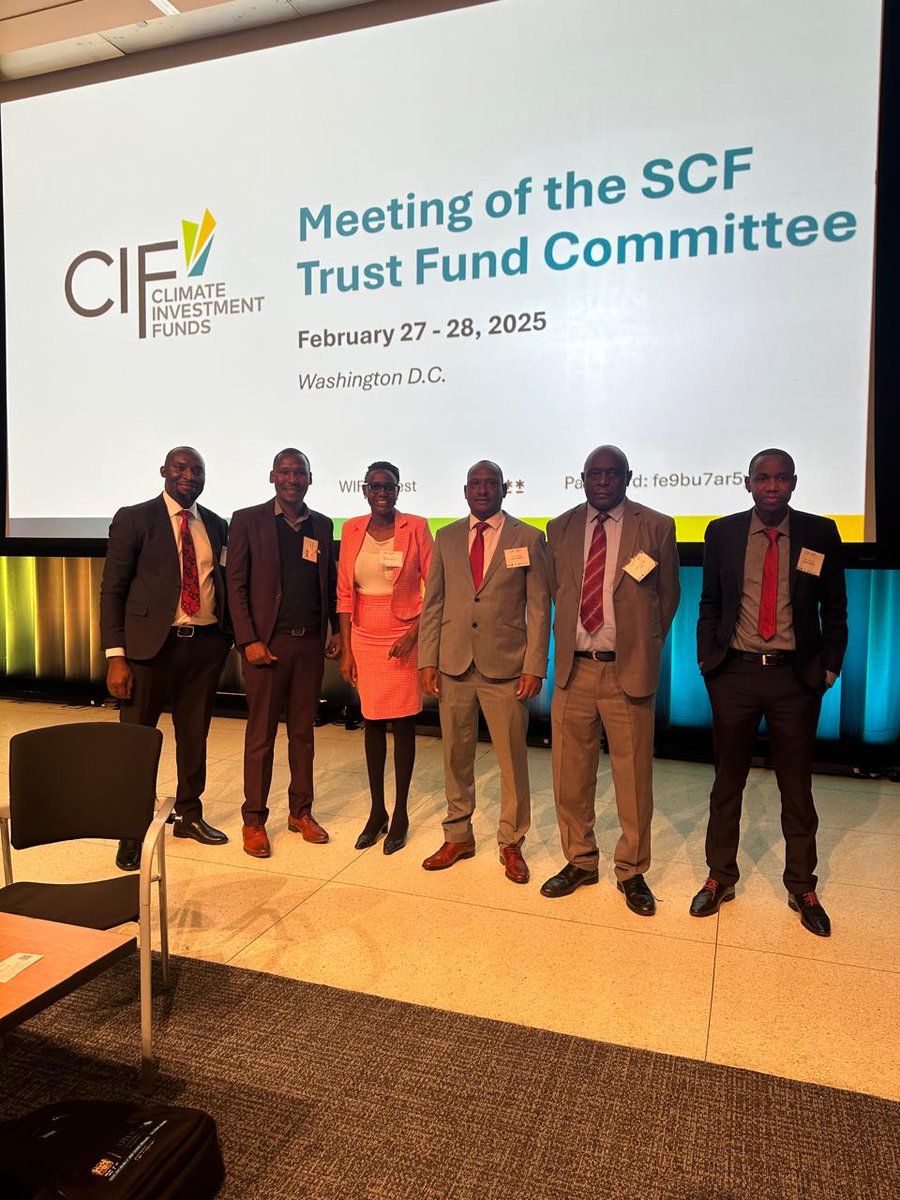
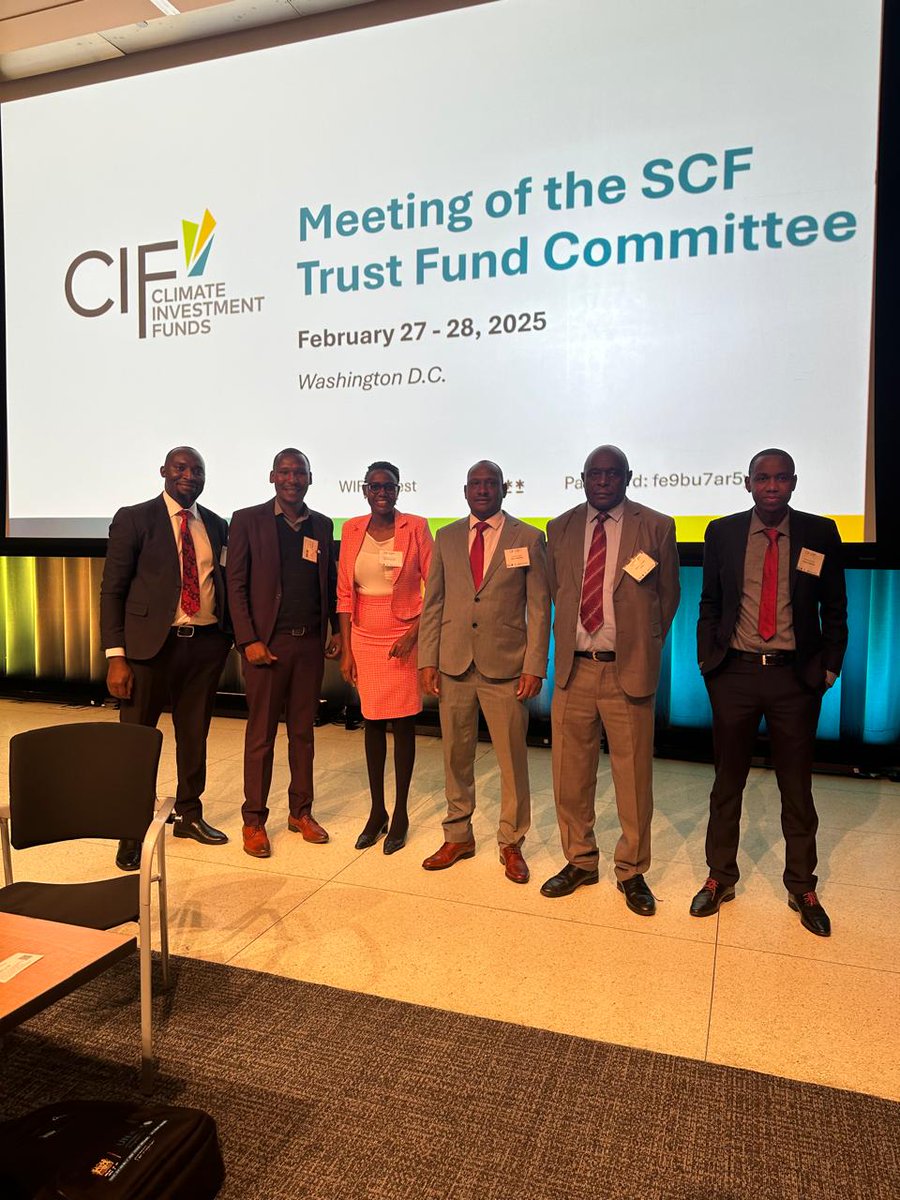
We are thrilled to report that Kenya’s Investment Plan for the Nature, People, and Climate Program has been approved by the Climate Investment Funds (CIF). With $35.66 million in CIF funding and $108 million expected co-financing, the program will advance efforts in landscape restoration & climate adaptation for climate vulnerable communities in Lake Victoria South & Ewaso Ngiro North Landscapes.
#ClimateAction #Kenya #Conservation
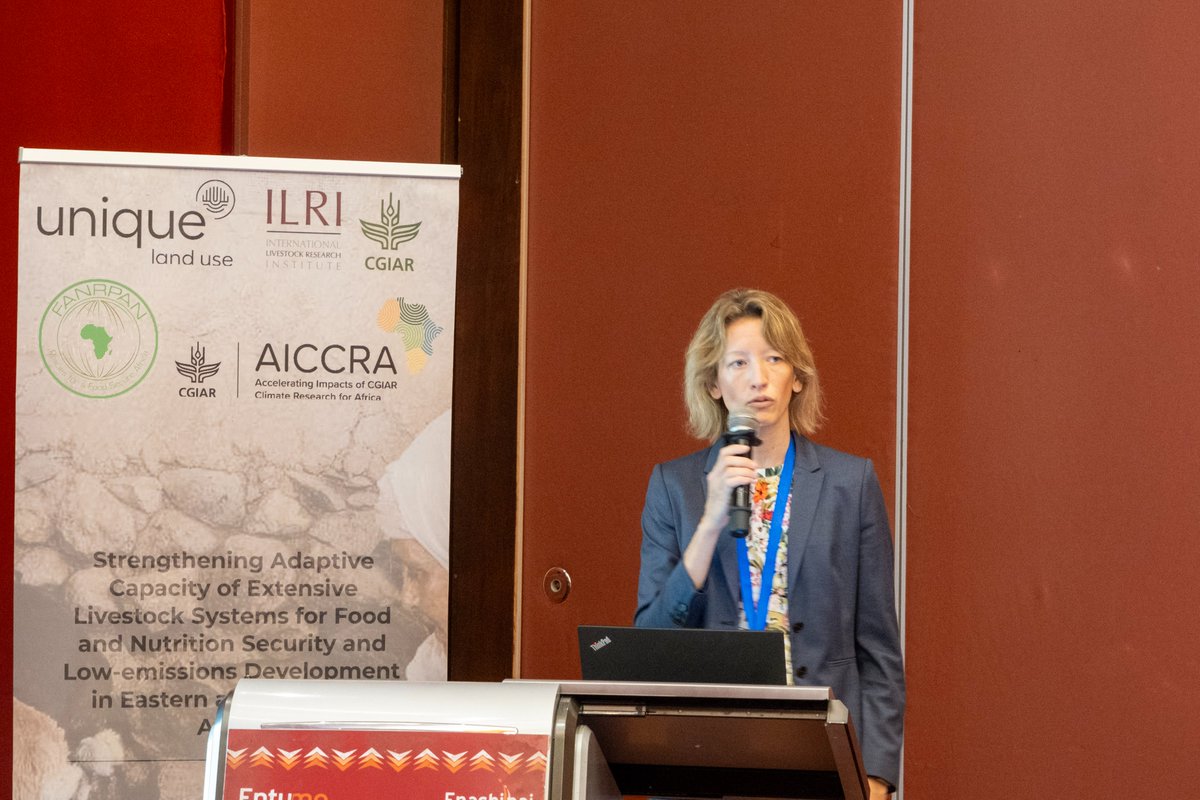
The regional workshop saw partners from UNIQUE, @FANRPAN and @ILRI engage in discussion on climate risk evidence generation, political economy analysis, gender and social inclusion dimensions, and key capacity-building activities on extensive livestock systems.
Targeted, demand-based training and alignment of research work with MSc and PhD program students are central to the project's aim of enabling national researchers to provide policy-relevant evidence.
The aim here is to help policymakers plan for scaling up and integrating effective livestock interventions into national climate change, livestock, and food security sectoral plans.
🐂🐏🐐Extensive livestock systems support most of Africa’s livestock population, with over 60% raised in arid and semi-arid areas of the continent.
With @ACIARAfrica’s support and AICCRA’s collaboration, a project in 🇪🇹🇰🇪🇿🇼 is implementing a partner-led approach with UNIQUE Land Use, @FANRPAN and @ILRI to meet food and nutrition security needs while building resilience and adaptive capacity against frequent climate and non-climatic shocks.
The meeting, organized by ILRI, aims to show progress and develop a work plan for 2025.
Read in-depth about the project here: https://t.co/mkYccjmwXl.
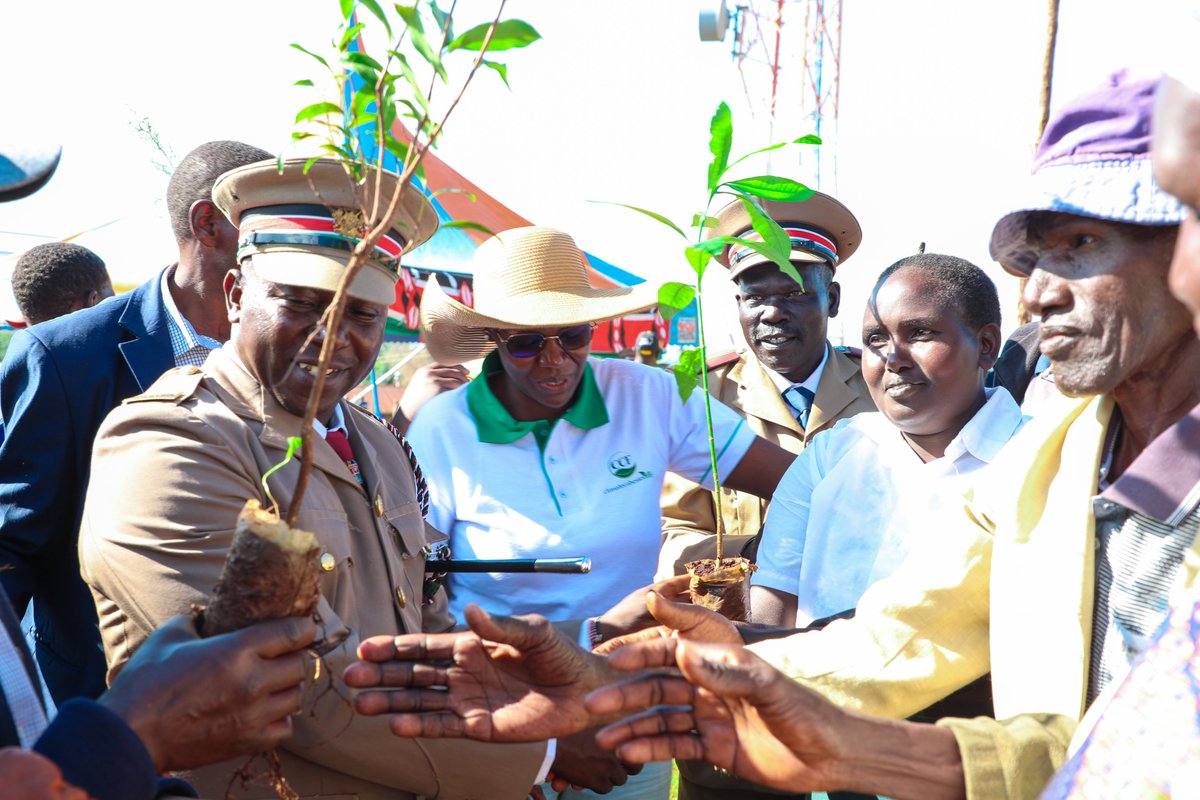
During Madaraka Day Celebrations in Soko Huru, Kericho.
Planted trees, distributed seedlings and sensitized wananchi on conservation & climate change
The effects of climate change in the urban setting are very severe; in urban slums, women are having sex for water because they have no money to pay: Elly Joy Kithure
#AMLiveNTV@OBurrows
Scarcity of natural resources occasioned by climate change has caused conflict in arid and semi-arid areas in the country: Jennifer Kibon
#AMLiveNTV@OBurrows
Climate Change and Gender:
"Men and women interact with the climate differently… you also find that the impacts also affect them differently. Social roles make women depend more on the environment than men" - Jackline Makokha
#AMLiveNTV@OBurrows
Gender and Climate Change:
90% of our rural households rely on biomass (wood) as their energy source; access to firewood has declined over time… water quantity and quality has also declined and women have to travel further in search of water: Vicky Chepkorir
#AMLiveNTV
Vicky Chepkorir breaks down global warming and greenhouse gases in the most simple terms... the biggest effect of climate change is the water cycle.
#AMLiveNTV@OBurrows