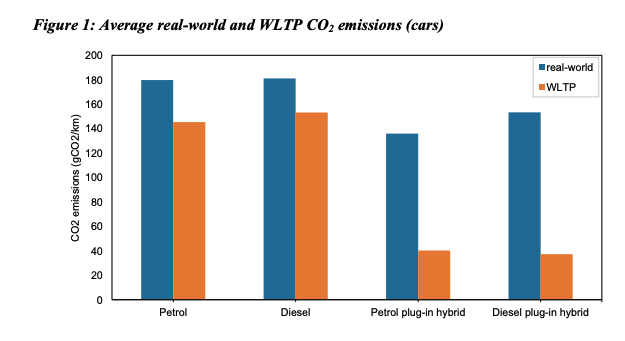
Plug-in hybrids are a massive 3.5x dirtier than claimed, meaning they barely cut CO2 vs pure petrol/diesel
Meanwhile, petrol cars are nearly 25% dirtier & less fuel efficient than claimed
– Real-world data published by European Commission
https://t.co/zqtPhZFQ1I
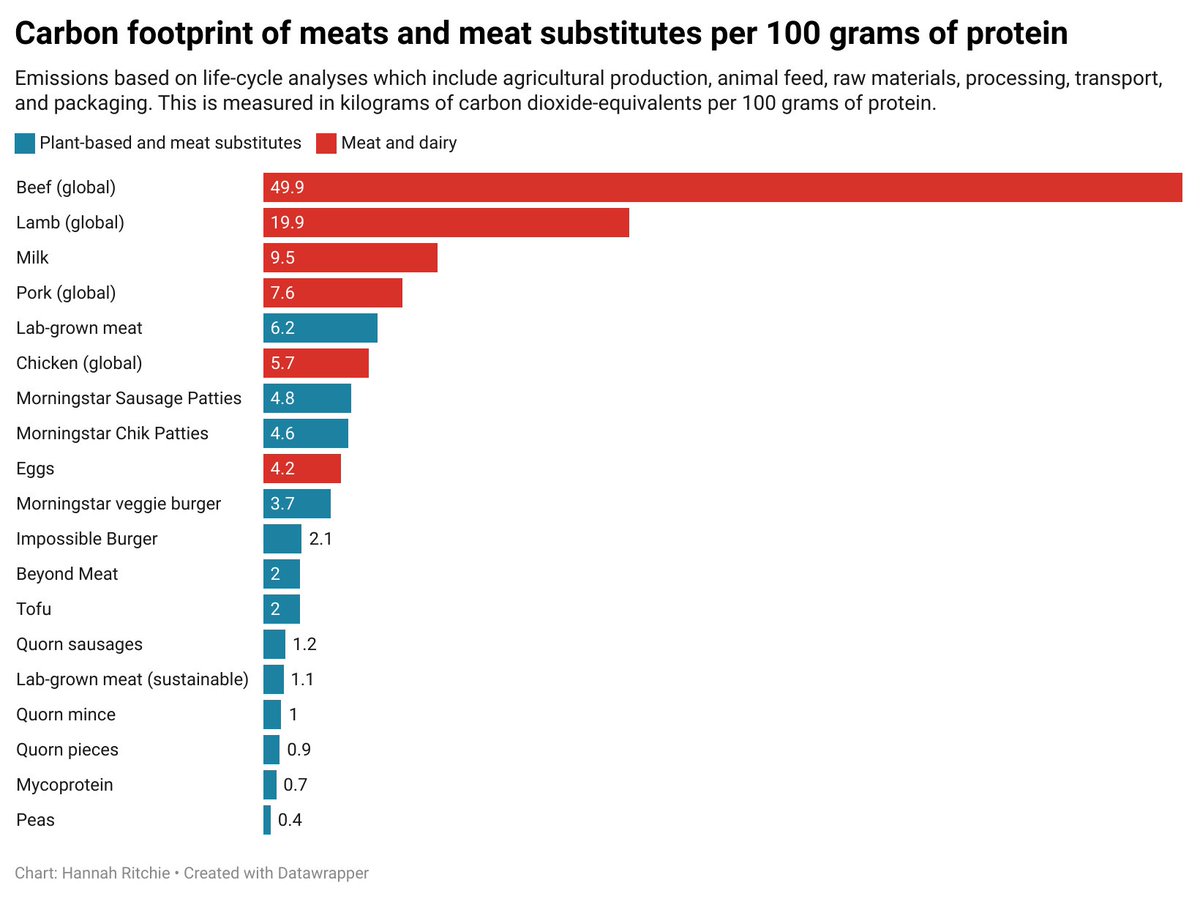
Are meat substitutes really better for the climate than meat and dairy?
It was surprisingly hard to find a dataset that answered this question, so I started building one.
I show the results in my new Substack post.
Spoiler: yes, most are lower-carbon.
https://t.co/5iZ9rdkN0y
Is #borderadjustment, #CBAM a sufficient incentive to join a #climateclub to lever more climate action? We rather see them as one of 5 ways in which trade policy can support the climate agenda. A thread on our Science Policy Forum article (https://t.co/fLW9kkBw3T):
What do we know about the climate impact of the global petrochemical industry and the possibility of mitigating it? Join our webinar on 24 May, 3 pm CEST to hear all about it! https://t.co/5fR016p2Dl
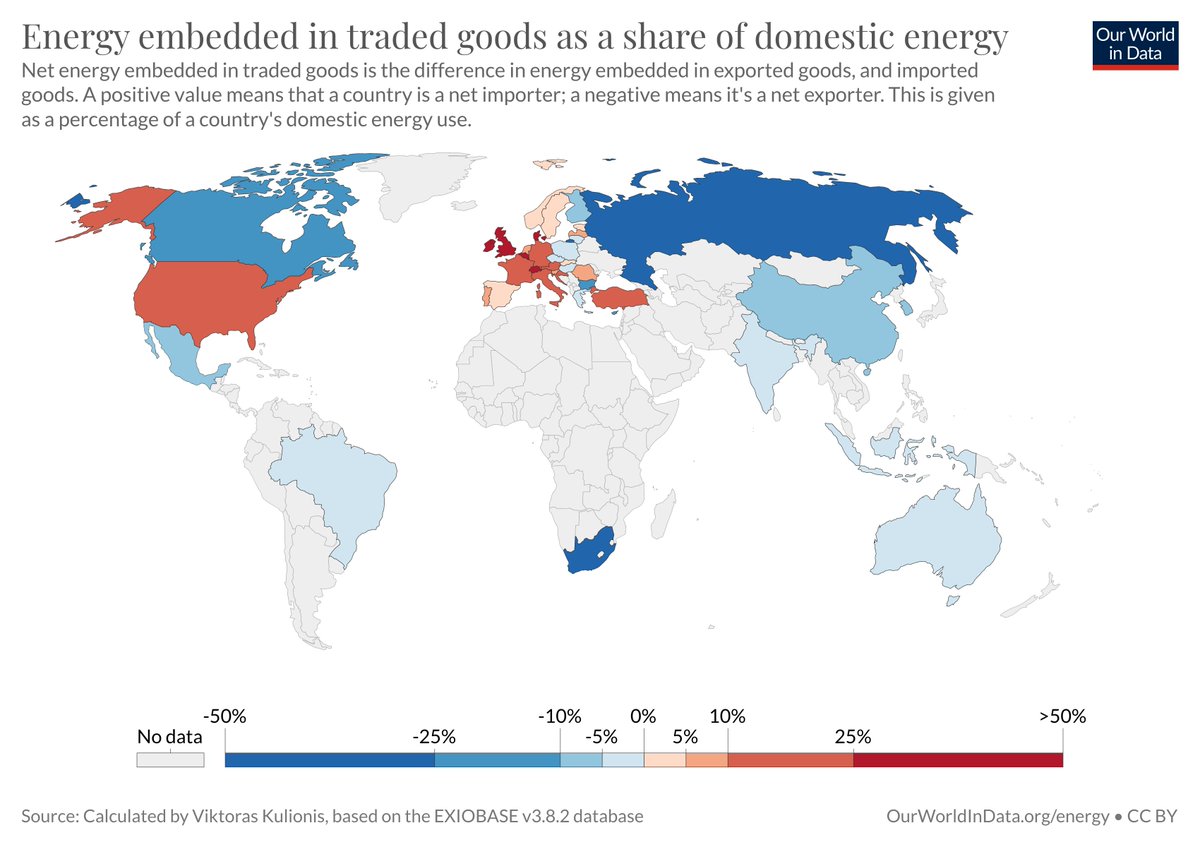
We usually compare energy metrics based on how much is used domestically. We don't adjust for energy embedded in the stuff we import.
What happens when we do?
In my latest @OurWorldinData article I look at what happens when we adjust for offshoring: https://t.co/2Qz3TDbUj5
Want to measure the EU environmental footprint? Or know how much the EU retains from its exports?
By using #EUmodelling & the new FIGARO database, we could give an answer to these & other questions on economic, social & environmental fields➡️ https://t.co/P44yeOCuOA
@EU_Eurostat
📢 Registrations are open for the FIGARO online event on 26 May 2021 📅
What is FIGARO? 🔍
✅ The FIGARO tables are a new statistical product for compiling official inter-country supply, use and input-output data at EU levels
➡️ https://t.co/aKXlGJ0nGD
#EUmodelling@EU_ScienceHub
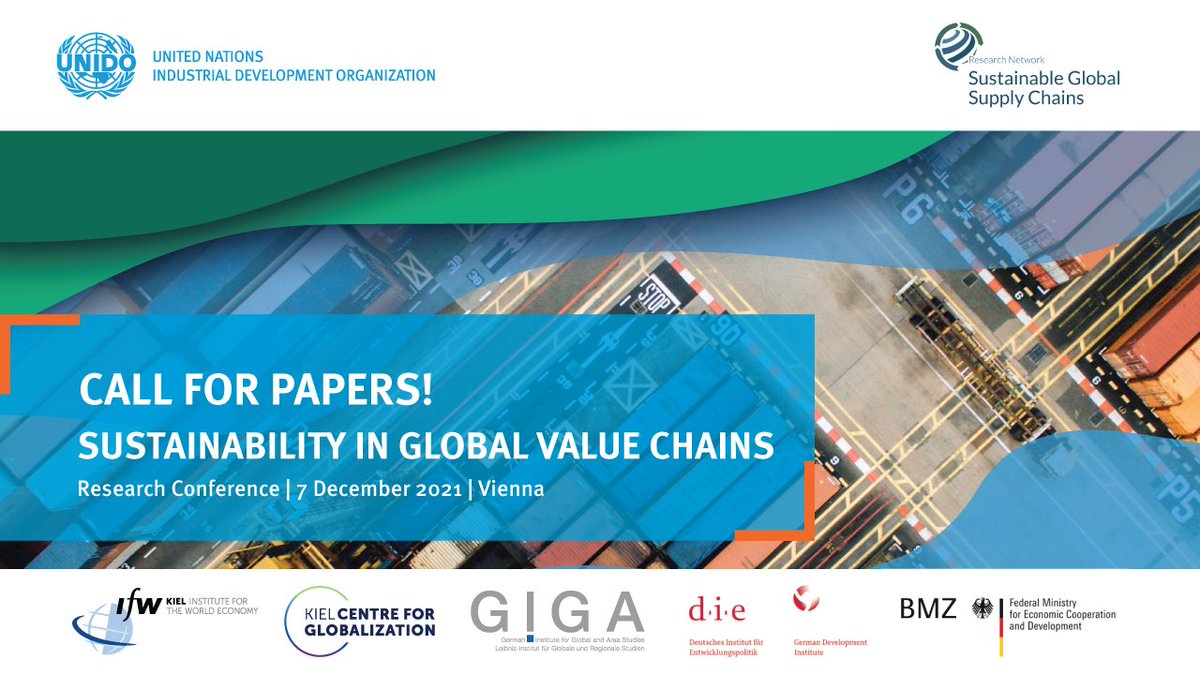
#UNIDO call for applied & policy-relevant research 📢
As the world confronts a #pandemic, a recession & a climate crisis, we need to closer investigate the role of global #valuechains in shaping the recovery.
Find more information here: https://t.co/rPdAt5xim0
Recent years have witnessed rapid growth in satellite-based approaches to quantifying aspects of land use, especially those monitoring the outcomes of sustainable development programs.
A new #ScienceReview takes a look at the latest progress: https://t.co/YUNLd3gWzv
IIOA Webinar Alert (Wednesday March 17, 11am CET): The speaker will be @RichardWood___ (@indecol, NTNU Trondheim). IIOA-members received the link via e-mail. Others can send a message to Bart Los ([email protected]) before Tuesday 23:59 CET. Everyone is welcome!
IIOA Webinar Alert: on Wednesday March 17 (9pm Sydney, 6pm Beijing, 11am Vienna, 7am São Paulo), @RichardWood___ (@indecol, NTNU Trondheim) will speak about "Modelling 'Sustainable Consumption' Using Global Multi-Regional Input-Output Analysis". More info will follow soon!
We have updated all of our CO₂ emissions data on @OurWorldInData with the latest annual release from the @gcarbonproject.
All data now extends to 2019.
Big thanks to @robbie_andrew for making the annual CO₂ data available in a clean data file all the way back to 1751.
1/
Guest post: How to ‘fairly’ share emissions from goods traded around the world | @jan_c_steckel @Jakob_MCC @MCC_Berlin@ubleiden
Read here ➡️ https://t.co/pIKPgAnSXw
@BrankoMilan@Econ_Marshall interesting, do you have a source for this? at least on a country basis it is the opposite i.e. rich nations tend to have lower CO2 per dollar.