Exciting news! The FDA approved two new drug treatments for Niemann–Pick disease, including levacetylleucine (Aqneursa), which I did some contract research on with @intrabio, @Ecem166, @anirudh_v_jai and Prof. Frances Platt (@PharmOxford) https://t.co/XeVeRC6KCm
FDA approves first schizophrenia drug with a new mechanism of action since the 1950s https://t.co/j5X1Jr2fCZ
Karuna/Bristol Myers Squibb’s KarXT (Cobenfy), which acts on M1/M4 muscarinic acetylcholine receptors, expands the treatment landscape beyond dopamine-targeted drugs
New preprint post! We show that motor commands in the superior colliculus shift the internal representation of heading during REM sleep despite the immobility of sleeping mice. Thus, the brain simulates actions and their consequences during REM sleep.🧵1/7
https://t.co/KS6GX8smYx
Happy to share my first paper with @HasselmoMichael, "Distinct codes for environment structure and symmetry in postrhinal and retrosplenial cortices" https://t.co/nxz0733tHS
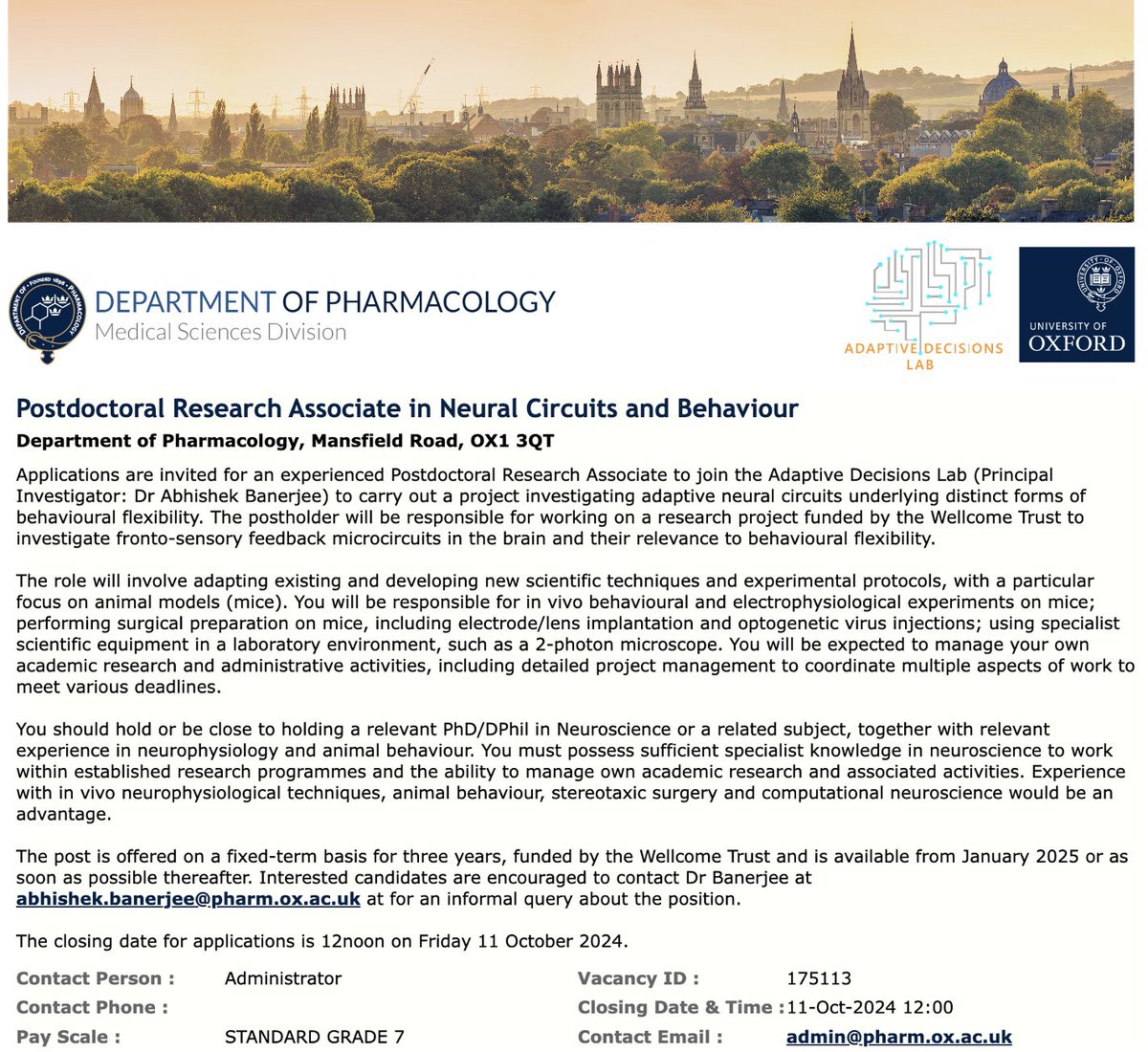
Our lab @UniofOxford@PharmOxford has a @wellcometrust-funded Postdoc position to study feedback circuits underlying flexible learning using a range of in vivo imaging tools and computational approaches. You will be in a beautiful, historic city with great colleagues around 🧠🔬
@obrienmark Couldn't agree more!!
Don't cede to liars & haters.
Here's a related editorial @kenfoxe and I wrote in @EJNeuroscience:
Should we stay or should we go—The ever‐growing role of Twitter in neuroscience dissemination and a quandary of conscience for a field https://t.co/1ZRZrrLJ2d
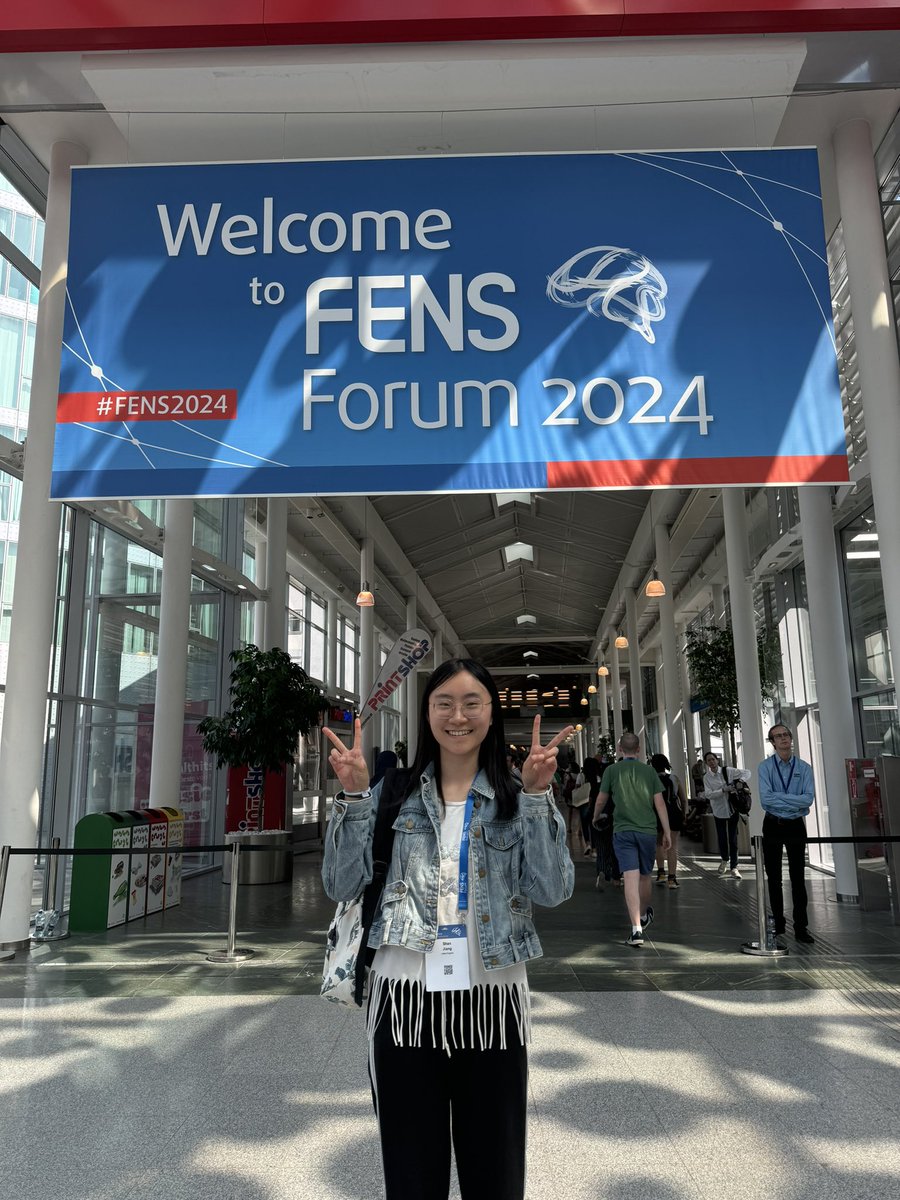
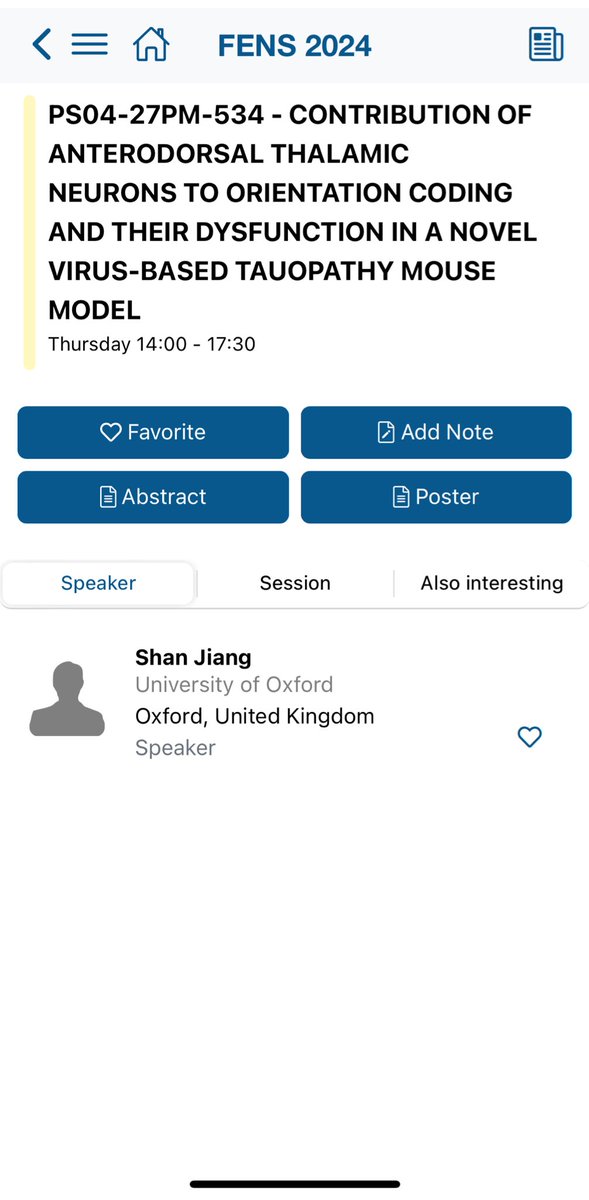
Glad to give a poster presentation about dysfunctions of HD cells in Alzheimer's disease in my first FENS:) Great thanks to people come to my poster😆 and the travel funds from @AlzResearchUK@BritishNeuro and my fantastic supervisors @vineytj @Shijazii #FENS2024#FENSForum2024
NEW: Study shows wild chimpanzees seek out medicinal plants to treat illness and injuries 🦍
Chimpanzees appear to consume plants with medicinal properties to treat their ailments, according to a new study led by Oxford researchers.
Find out more ⬇️
https://t.co/7WSWVTMqHY
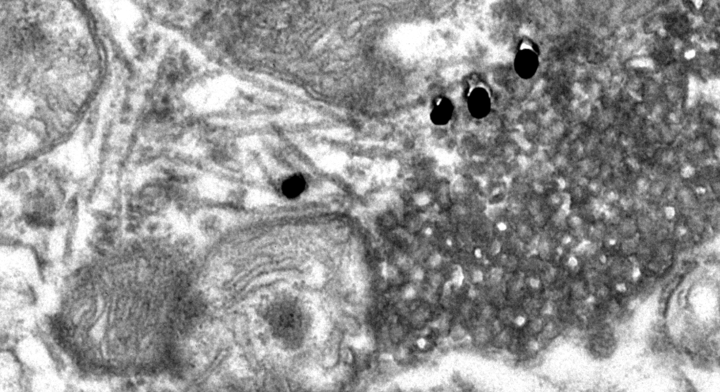
Please see the supplementary material of the paper for data on the mammillary bodies, locus coeruleus, ptau+ glia, and more electron micrographs!
https://t.co/dlg7lJ0IZQ
I am very grateful to the Alzheimer’s Society @AlzSocResearch for funding Barbara’s PhD, and to all the other funding agencies for their support.
Thanks for reading this far!
I would also like to acknowledge the families that donated the brains, the 3 Brain Banks (UK) and the Human Brain Research Laboratory (Budapest) for enabling us to investigate this precious tissue.
This project was carried out in collaboration with Prof Laszlo Acsady. I would like to thank all co-authors for their valuable contributions and expertise.
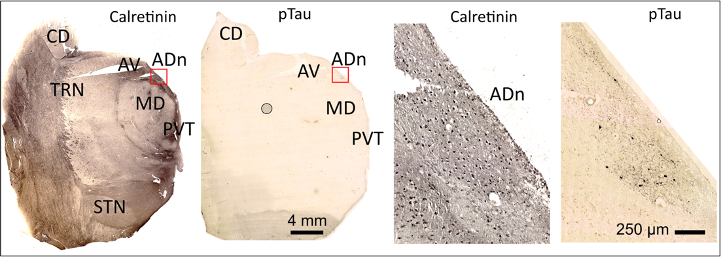
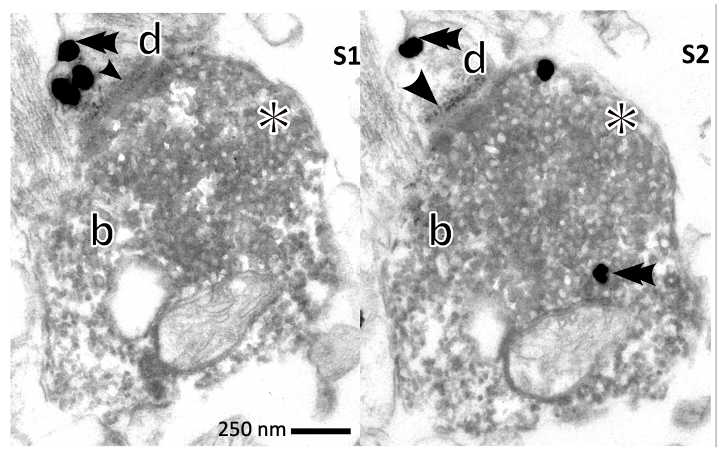
We investgated ptau in the human thalamus, and first checked 'control' cases, as well as those with different Braak stages. To our surprise, PhD student Barbara Sarkany observed ptau in the ADn of the 'controls' (i.e. Braak stage 0).
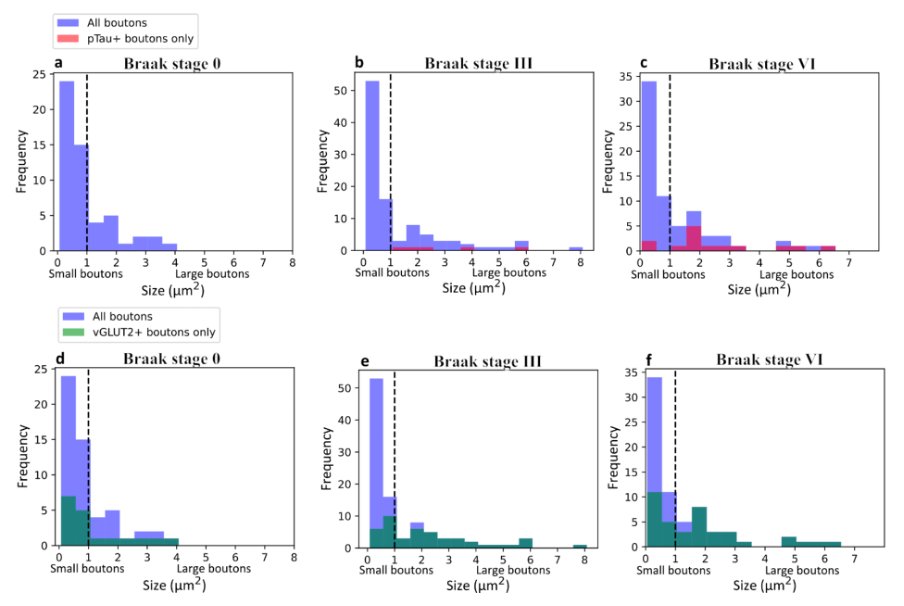
Overall, we suggest that the ADn (and vGLUT2 terminals) are highly susceptible to the early spread of ptau in the human brain. Perhaps this causes the gradual degradation of ADn head direction signals, explaining the early symptom of spatial disorientation.
Based on the size distribution of the boutons and the colocalization with vGLUT2, we suggest that ptau is preferentially spreading across synapses between vGLUT2 terminals and ADn dendrites, but not across the synapses of smaller vGLUT1 terminals of cortical origin.