R. Oppenheimer learned Sanskrit at Berkeley and read the Bhagavad Gita in the original. He considered it one of the most beautiful philosophical works he had encountered.
दिल्ली में आयोजित NCC Achievers Awards 2026 में देशभर के 22 पूर्व एनसीसी कैडेटों को विभिन्न क्षेत्रों में उत्कृष्ट योगदान के लिए सम्मानित किया गया। समारोह में एनसीसी महानिदेशक लेफ्टिनेंट जनरल वीरेंद्र वत्स ने विजेताओं को पुरस्कार प्रदान किए।
ख़बर विस्तार से पढ़ने के लिए जुड़ें #PBSHABD के साथ, अभी जुड़ने के लिए क्लिक करें:https://t.co/v7FjNyEbNI
@HQ_DG_NCC | @SpokespersonMoD | #NCC #NCCAchieversAwards2026 #Youth #Leadership #India #Awards #NationBuilding
NCC Achievers Awards 2026 में अधिकारियों ने कहा कि पूर्व एनसीसी कैडेटों का निरंतर योगदान संगठन की सबसे बड़ी ताकत है।
उन्होंने बताया कि एनसीसी युवाओं में अनुशासन, नेतृत्व, देशभक्ति और सशस्त्र बलों में सेवा की भावना विकसित करने में अहम भूमिका निभा रहा है।
#NCC #NCCAchieversAwards2026 #Youth #Leadership #Patriotism #India #NationBuilding
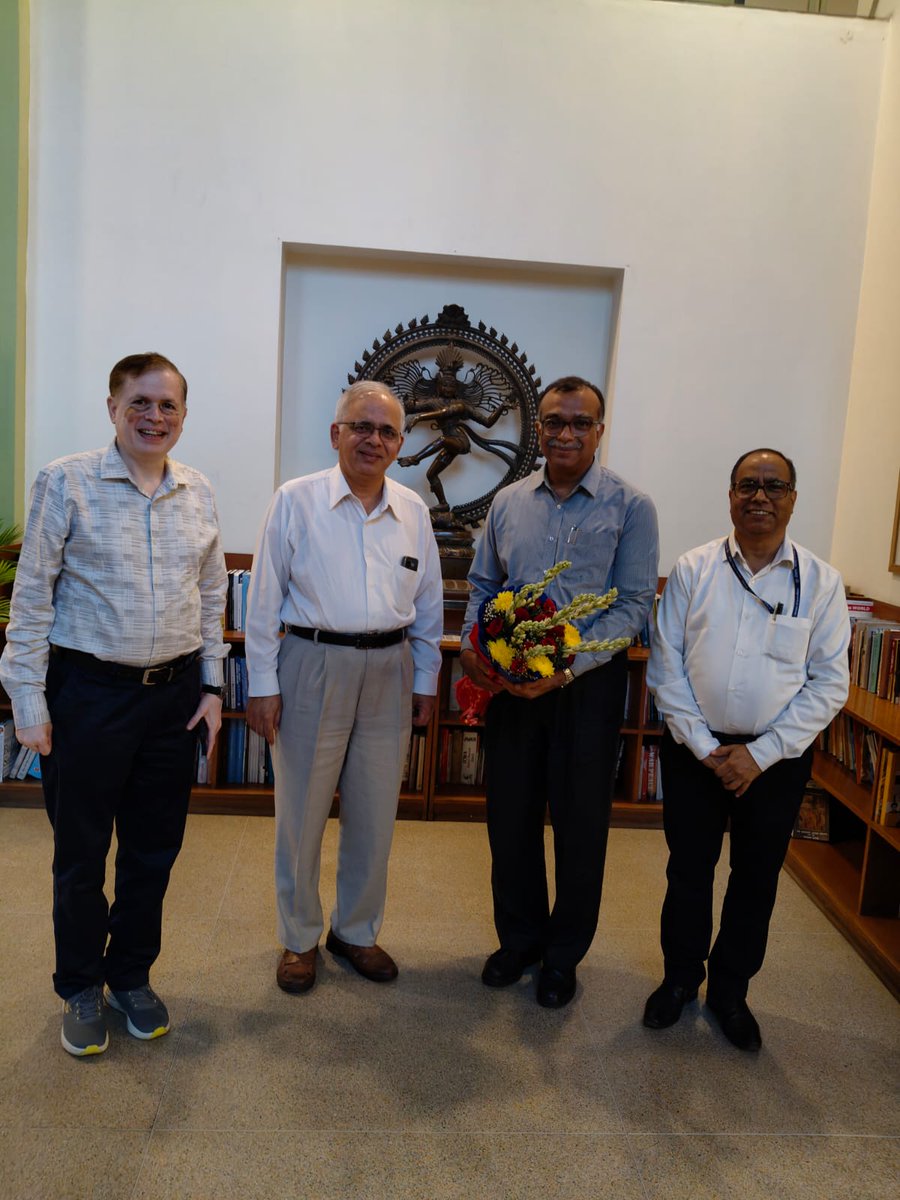
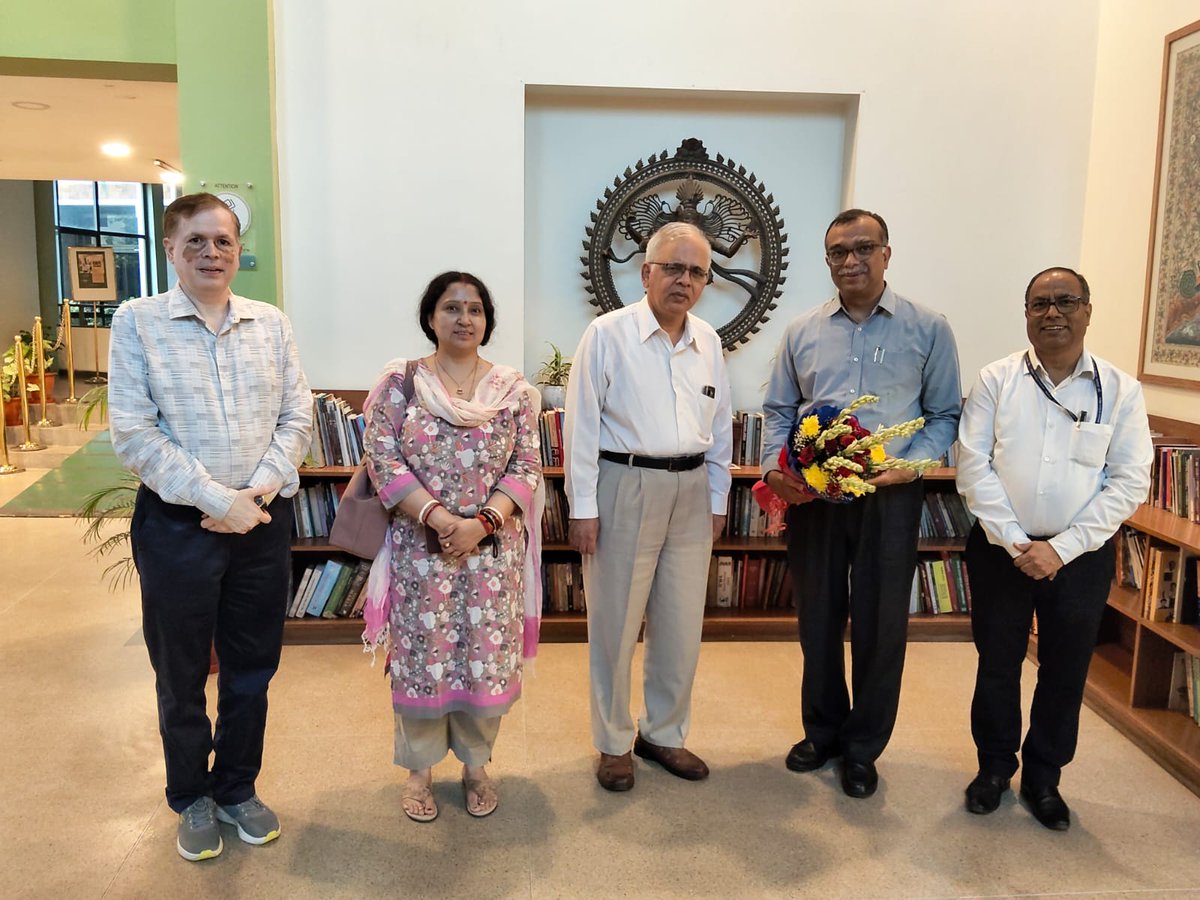
President of @insa_academy, Prof. @shekhar_mande, along with INSA officials on 06 July 2026 extended their greetings and congratulated Prof. Umesh V. Waghmare on his appointment as Secretary, Department of Science & Technology, Government of India. @IndiaDST
Gift given by PM @narendramodi to Global leaders at G7 Summit
Nagauri Ashwagandha
Nagauri Ashwagandha is a high-quality variety of Ashwagandha grown in Rajasthan, especially the Nagaur district, known for its rich withanolide content due to its arid climate and sandy soil. Recognized with a Geographical Indication (GI) tag, it holds strong cultural and agricultural significance.
In Ayurveda, Ashwagandha is valued as a Rasayana herb that supports vitality, mental clarity, immunity, and overall well-being. Derived mainly from its roots, it is widely studied today for its adaptogenic and health-supporting properties. Nagauri Ashwagandha also supports rural livelihoods and represents the integration of traditional Ayurvedic knowledge with modern scientific research and global wellness trends.
#G7Summit @MEAIndia
दिल्ली निदेशालय के पूर्व एनसीसी कैडेट Dr. Vinod Kumar - Associate Professor, Department of Chemistry, University of Delhi को एनसीसी अचीवर्स अवार्ड 2026 के चयन के लिए बहुत-बहुत बधाई
@HQ_DG_NCC@vatsvirendra1@NccDelhi@NishanaGirish@CMODelhi@kmcollege @universityofdelhi
Is your sleep causing you pain? 🛌
"Overnight strain" from poor posture can lead to chronic neck & back pain. For a healthy spine, keep your head, shoulders, and hips aligned.
1. Best: Side or back sleeping
2. Avoid: Stomach sleeping
3. Use: Medium-firm mattress & supportive pillows
Don’t ignore persistent numbness or stiffness lasting >30 mins. Early correction prevents long-term injury.
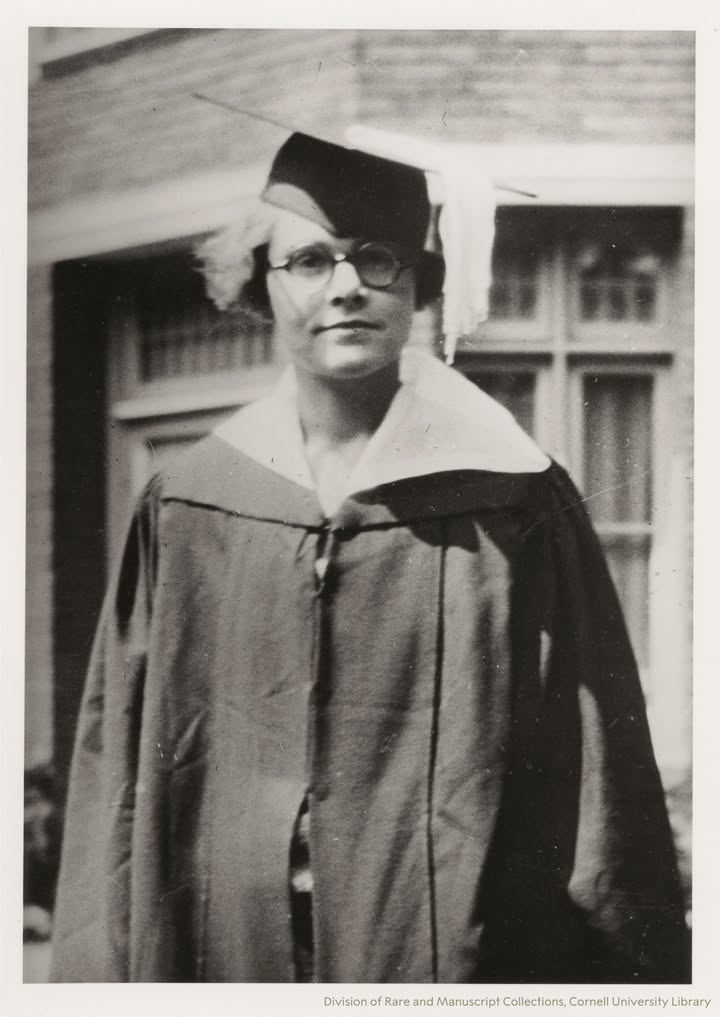
Barbara McClintock almost didn’t go to college. She was a talented student, but her mother believed a degree would harm her chances of marriage and vetoed her plan to study.
Luckily, her father intervened and McClintock was able to attend the Cornell College of Agriculture, where she took the course that would change her life: genetics. It kickstarted her interest in the field of cytogenetics – the study of chromosomes and their genetic expression.
McClintock began to study the mosaic colour patterns of maize at the genetic level. She showed that parts of the corn's genetic code can shift from one place to another within its chromosomes. These so-called 'jumping genes' explain why corn kernels have different colours.
When she presented her findings - which departed from common wisdom - at a symposium, members of the audience were perplexed or hostile. As a result, McClintock stopped publishing and lecturing, but she retained her self-belief.
“I just knew I was right,” she said later. “Anybody who had had that evidence thrown at them with such abandon couldn’t help but come to the conclusions I did about it.”
It took years for the scientific community to come to the same conclusions. McClintock was awarded the Nobel Prize in recognition of her work – even if she had to wait 30 years after making the discovery.
Learn more: https://t.co/VjbOygSU5K
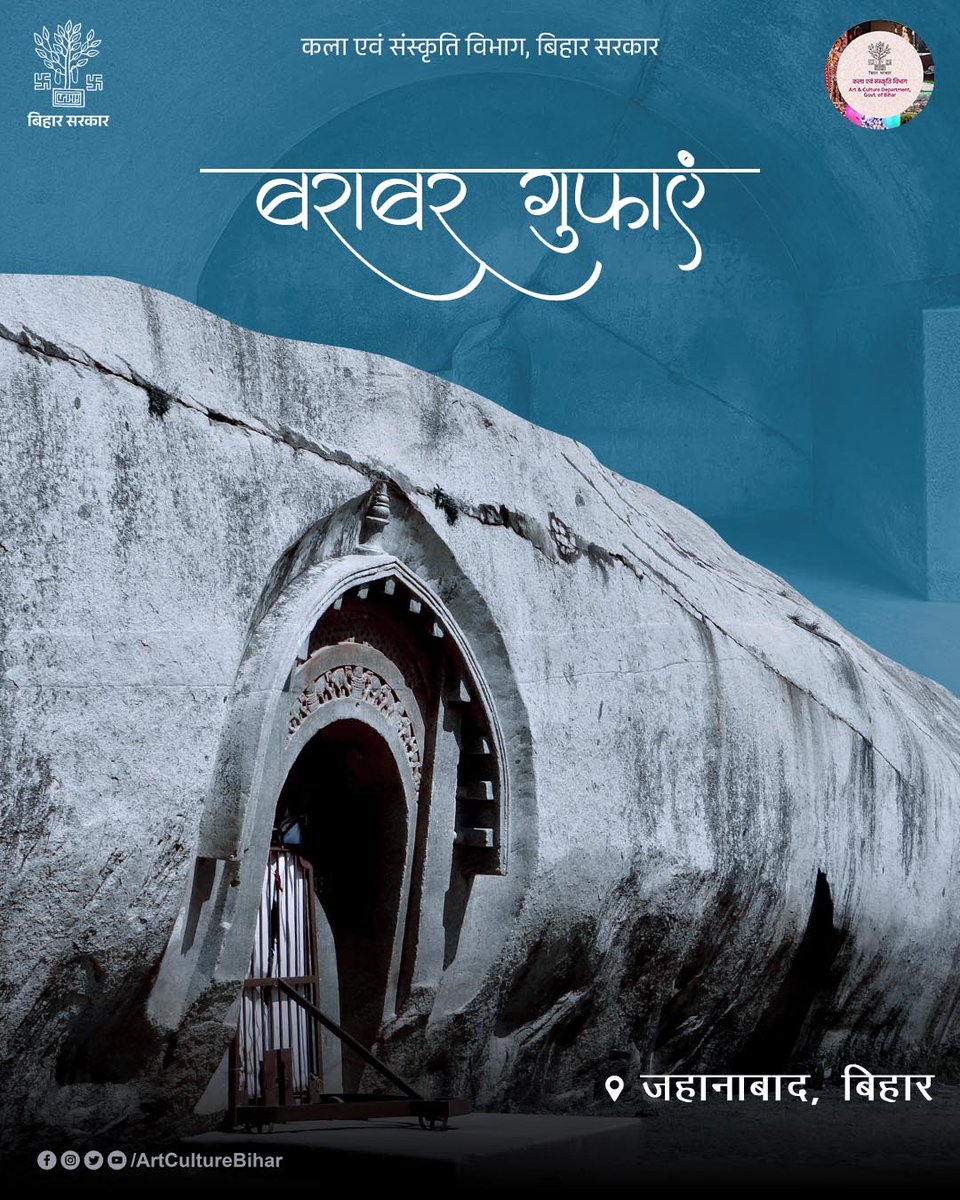
बराबर गुफाएँ बिहार के जहानाबाद ज़िले में स्थित भारत की सबसे प्राचीन शैल-कटी गुफाएँ हैं, जिनका निर्माण मौर्य काल में सम्राट अशोक द्वारा कराया गया था।
#barabarcave#artculturebihar#barabarpahad
A notable Rock Edict of Emperor Aśoka was discovered in 1967 at Bahapur (Kailash Colony), Delhi, engraved on an outcrop of the Aravalli range by officials of ASI while the site was taken up for construction. This finding pushed back the history of Delhi during the reign of Aśoka, the great and indicates Delhi's strategic location along the Uttarapath.
Written in Aśokan Brāhmī in the Prakrit language and dated to 3rd cen. BCE, the inscription is an important record of the Mauryan period. (1/2)