Our security researchers built an autonomous cyber vulnerability discovery, exploitation, and patching pipeline.
In a single run with an upcoming cyber model, it validated and generated patches for 948 local privilege escalation vulnerabilities in the Linux kernel at a total API cost of $1.2 million.
I was able to reverse-engineer this and build a harness showing the full chain, from a malicious AVIF upload to command execution. GPT‑5.6 Sol helped accelerate the research.
another one!
if you’re running an Astro server, upgrade to the latest version, 7.2.8.
It is all over the internet, please reach out to us if you need any details, for now we won't be disclosing the poc.
@thedawgyg Apple’s bug bounty payouts have been significantly delayed for the past two months. In some cases, reports were fixed without any bounty being awarded or any explanation provided.
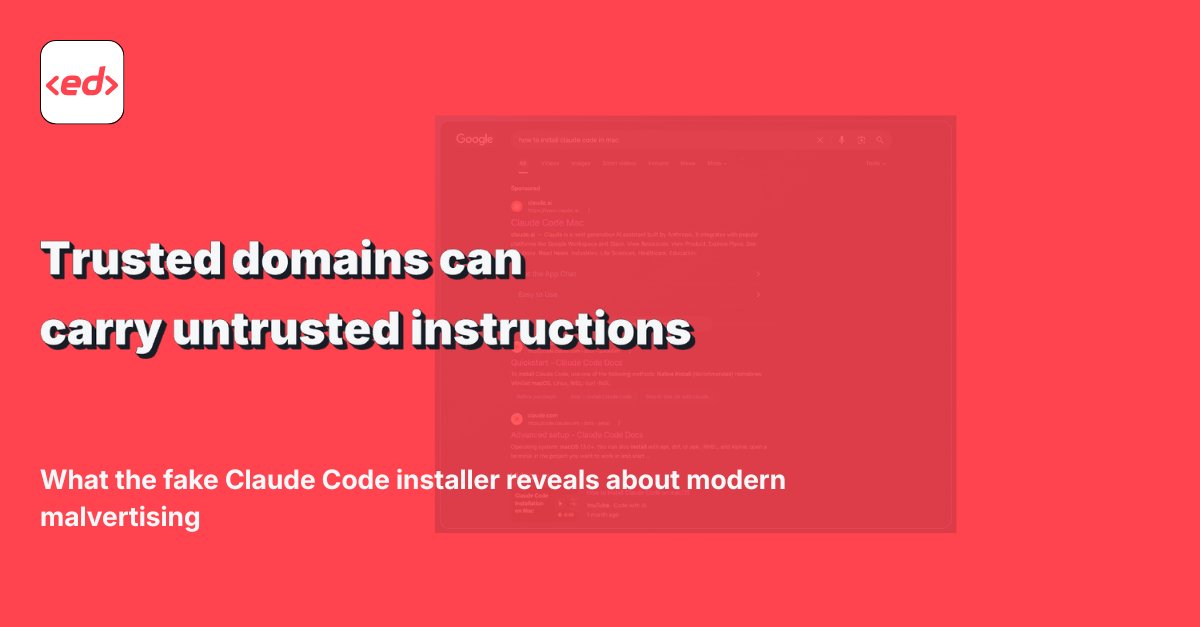
You find Claude Code. You check the domain. You run the command. Your Mac is compromised.
Our security team traced a live Google Ads campaign that used a genuine Claude page and a hidden download address to deliver the MacSync infostealer.
Read the full article to find out why “check the domain” is no longer enough. By @InfosecShinobi, our VP of Security and AI Engineering, @Rajesh_TV , Senior Security Manager, and @vis_hacker, Product Security Tech Lead.
What if every pull request got a security review as thorough as your best engineer, at any scale?
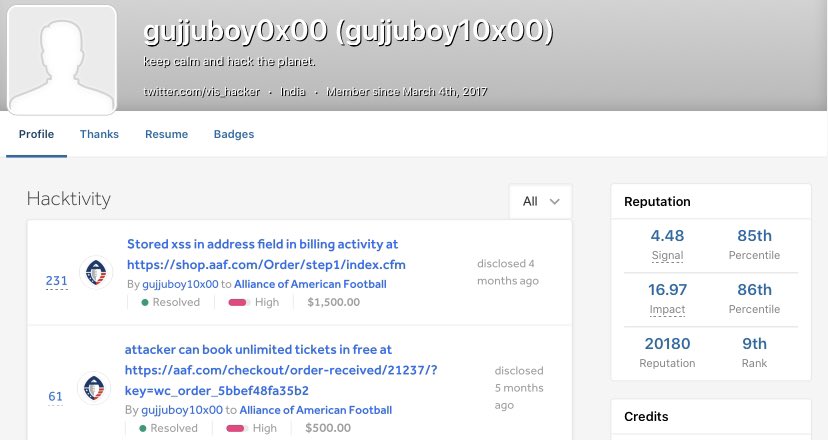
At Deriv, our Security Tech Lead, Vishal (@vis_hacker), built exactly that. Managing 700+ repositories and hundreds of pull requests every week, manual security reviews simply couldn't keep up.
Watch below to see his solution