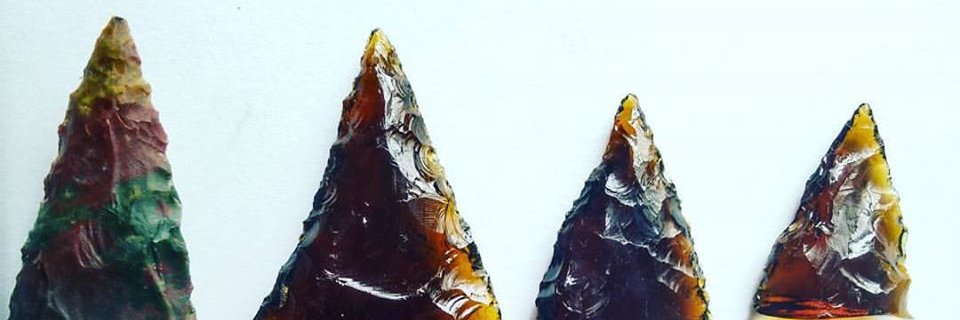
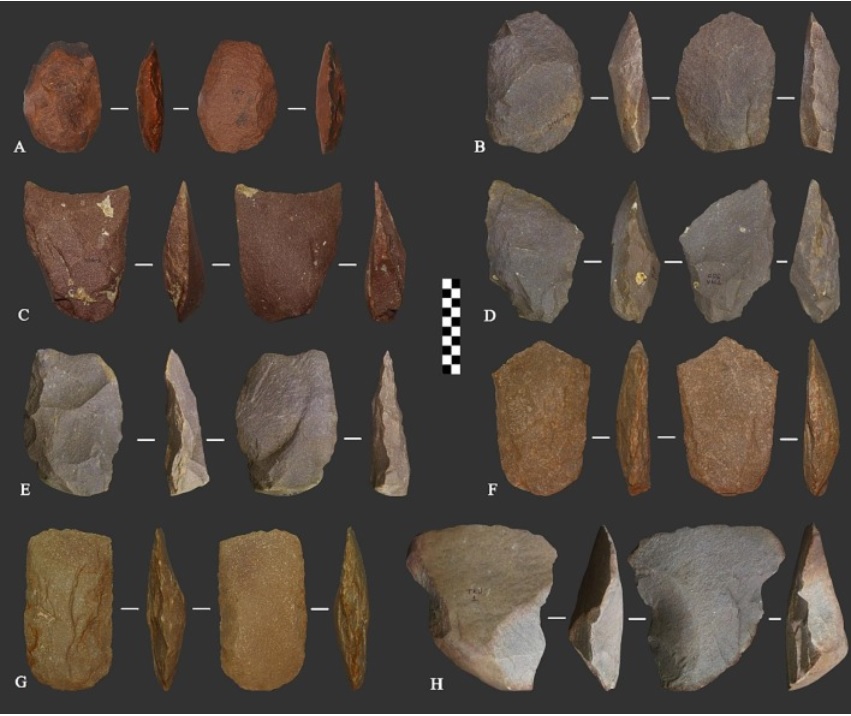
I'm pleased to share with you my recent article on Acheulean biface diversity. The article appears in the 'Journal of Archaeological Science: Reports'.
Link: https://t.co/PQmLZcOV3h
#Acheulean#India#lithics#archaeology
🌍 Why should we study the last 2.6 million years?
In the first episode of Voices of Quaternary Science, former INQUA President Prof. Thijs van Kolfschoten explains why understanding Earth's recent past is essential for navigating our future.
Recorded during his visit to India for the INQUA–IUBS Meeting and discussions with the INQUA 2027 India Organising Team, Prof. Thijs reflects on why the study of the Quaternary Period is more relevant than ever.
As climate change becomes increasingly visible in our daily lives, the Quaternary record provides valuable lessons about how environments respond to change. Since we cannot look directly into the future, we must learn from the past.
“Climate is not stable; climate is flexible. We have to learn from the past.”
#VoicesOfQuaternaryScience, #INQUA, #INQUA2027, #INQUAIUBS, #QuaternaryScience, #ClimateChange, #Paleoclimate, #EarthHistory, #ClimateResearch, #Geology, #EnvironmentalChange, #ScienceCommunication, #Pleistocene, #GlobalChange, #EarthScience, #FutureScientists
Really excited to share that I’ve received the Marie Skłodowska-Curie Postdoctoral Fellowship. Feels a bit unreal to be part of such a prestigious fellowship and to work with amazing institutes like @iphes and @CENIEH in Spain ✨
#PrehistoricResearch#MSCA
We are delighted to share our new publication on the lithics at the TK site, Olduvai gorge. Will be updating more soon. Thanks to the Tanzanian authorities, research team TOPPP project, and our Institute (SCHE).
https://t.co/Fhc3Wk4Zk6
🧬 New study reveals how the last Neanderthals lived in NW Spain ~41,000 years ago!
At Cova Eirós (Galicia), they thrived in a cold but rainy climate.
Led by our team member Iván Rey (UVigo).🙌
📖 J. of Archaeological Science: Reports
#Neanderthals#Paleoecology
Join us at the 10th World Archaeological Congress in Darwin, Australia (22-28 June 2025) for session T01/S03: Pleistocene Hominin Landscapes in Asia.
https://t.co/LHK6cVuoup
#WAC2025#Prehistory#Pleistocene
NEW PAPER ALERT!!
Investigating the lithic technological behaviour of central #India and the Narmada Valley!
Palaeolithic investigations at Morpani, Central Narmada Basin, India https://t.co/vZEnvf6KyR
#Archaeology#Prehistory#StoneTools#SouthAsia
Gearing up for INQUA 2027 (1-7 February 2027) Theme: Quaternary Science as Societal Services 😊 Stay Tuned and do follow @inqua2027india for updates of this exciting journey 🙏
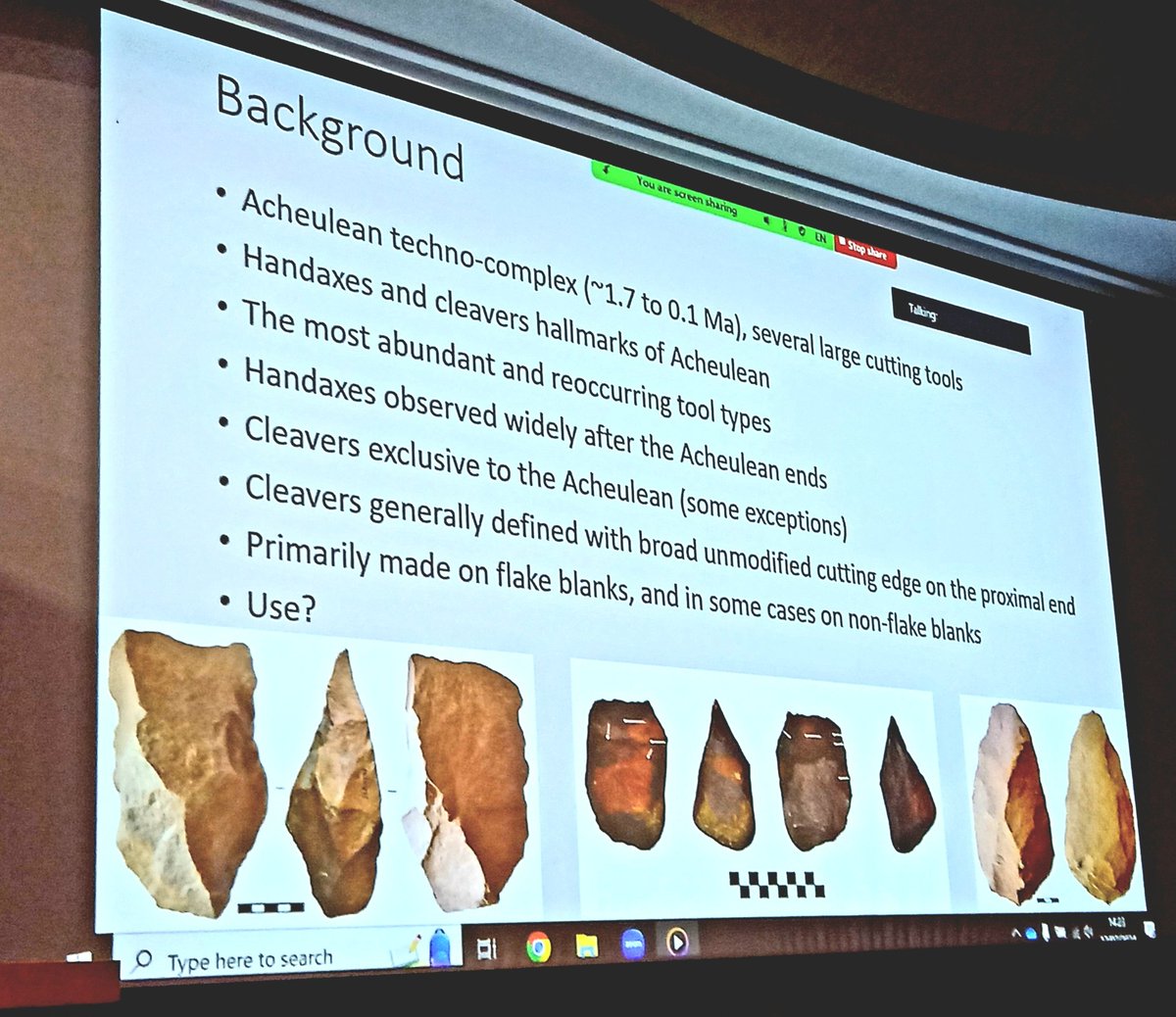
The next presentation in our final session is by Vivek Singh @vivekghlwt, whose research is focussed on understanding the technological variability and
prevalence of cleavers in the Acheulean. More beautiful bifaces!
Indian prehistorians are doing a great job with discoveries, analysis and new interpretations, publishing both locally & internationally. We look forward to more Indian-led teams, and more citations of our work
New research marks the first documented case of an ape using a plant with scientifically proven medicinal properties to treat a fresh wound. https://t.co/U6oCBio6Bi
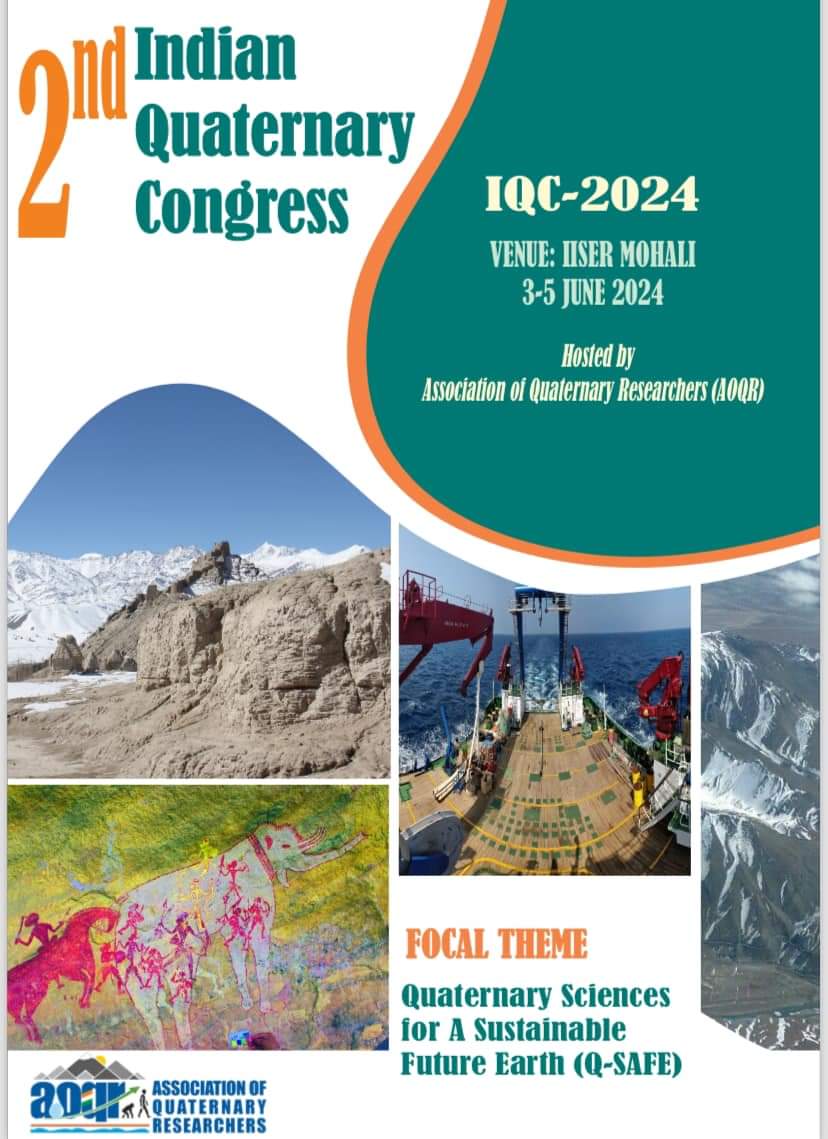
We are approaching the abstract submission deadline for the 2nd Indian Quaternary Congress, IISER Mohali
Conference website: https://t.co/ZPLSGz3h3F
Registration Form:- https://t.co/keH5JuFZi9
Abstract Submission :- https://t.co/MzeOrZrHQc
Please register & submit abstract