FSD parking idea
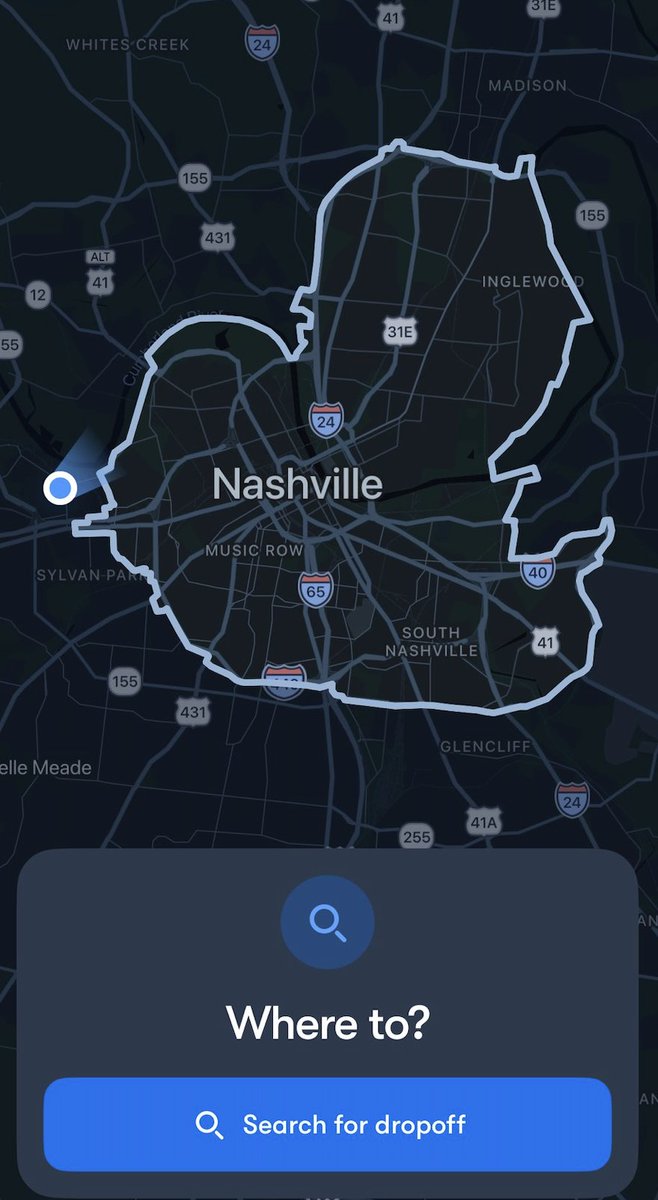
when you select “Park” option for the destination, a screen should appear that lets you drag a pin to the general area of the parking lot where you want the car to park
this would save me so many interventions
.@tobi says the photo of SpaceX’s Raptor evolution is the “most inspiring picture that exists.”
“That's today’s Picasso.”
“Very few teams can move forward by subtraction.”
“The world belongs to the fast. The people who iterate. The people who adjust. The people who understand what’s costly, what’s unnecessary, and prune away the rest.”
FYI:
If you’re on X attacking me for buying a vehicle I like because it benefits Elon Musk, you may want to think that one through.
Every time you post here to criticize me, you’re helping Elon’s other company, and likely training or feeding the ecosystem around xAI in the process.
That’s the problem with purity tests: almost nobody passes them.
If you want to trace the political contradictions behind nearly every product, platform, app, service, bank, car, phone, grocery store, streaming service, or AI tool you use, go ahead and ask Grok.
Or ChatGPT.
Or Claude.
The truth is, modern life is full of compromises. I bought a vehicle I like. You’re posting on Elon’s platform to yell at me about it. Maybe we can all climb down from the hypocrisy Olympics for a minute.
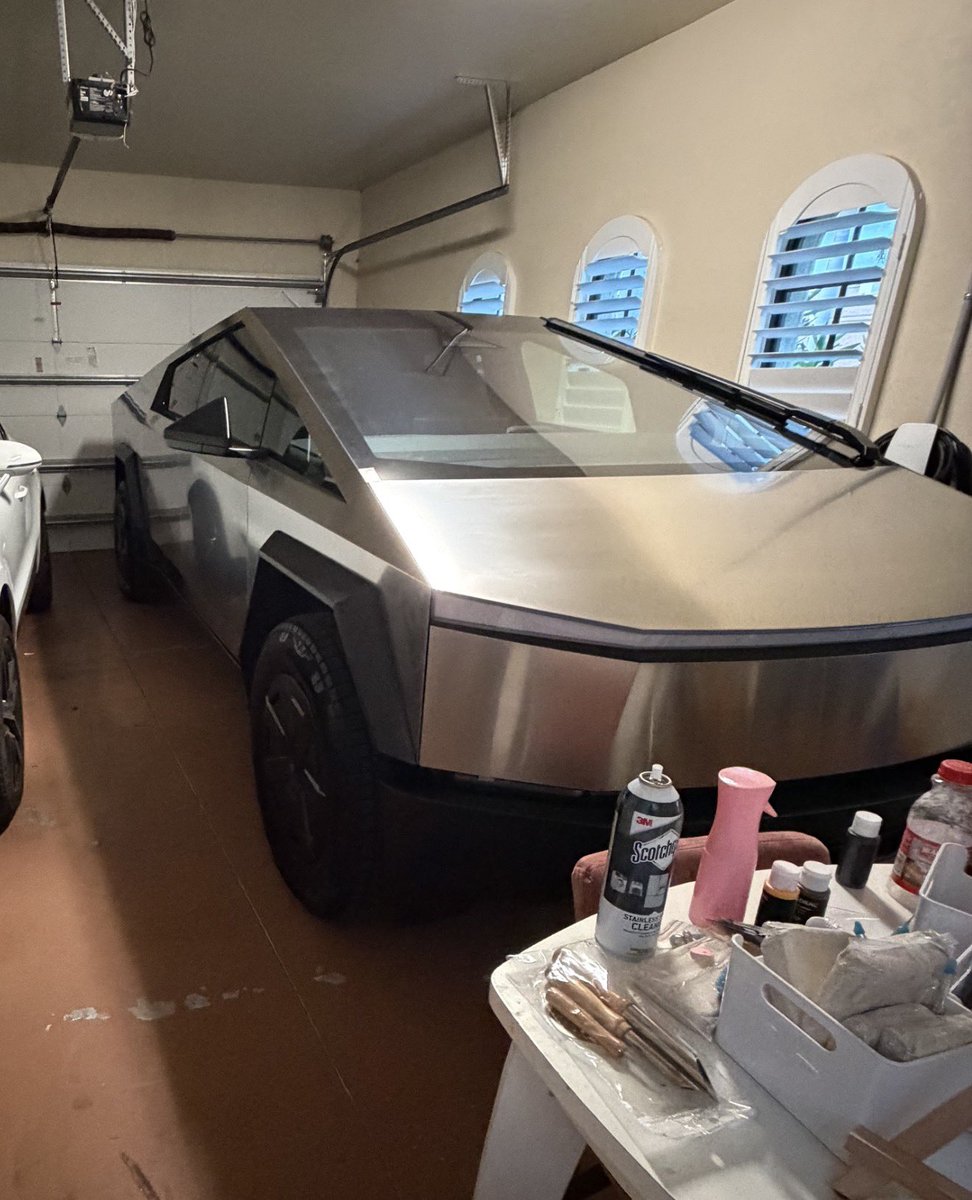
I might get hate for this too but I bought a Cybertruck.
With a young family, safety was important and so is not polluting the atmosphere with $5 a gallon gasoline.
TL;DR 🚨 Tesla's Snap-Fit Revolution in 60 Seconds 🧩
⚖️ Traditional automotive assembly relies on heavy, clumsy pneumatic tools to drive mounting brackets into a car's metal frame, which exhausts workers, slows down the production line, and often results in broken parts or poor weatherproofing.
💡 To solve this, Tesla invented a tool-free bracket system featuring a "mold-in grommet" and push-pin that allows workers to securely snap massive exterior car parts into place using pure hand pressure.
☔ The push-pin features a built-in umbrella head that mechanically compresses to create an instant, watertight seal without the need for messy adhesives or extra rubber gaskets.
🛠️ Unlike traditional plastic automotive clips that shatter during repairs, these pins are designed to be cleanly popped out with a standard flathead screwdriver and reused infinitely.
📏 To eliminate uneven panel gaps, the bracket features precision-engineered tuning ribs that physically guide exterior shells into perfect, pre-defined alignment.
📦 The hardware arrives on the factory floor in a pre-loaded delivery condition, meaning the pins are already staged inside the grommets to turn installation into a single grab-and-go motion.
🦴 A prominent central ridge acts as a structural backbone, giving the thin, lightweight plastic brackets the incredible flex-resistance of much heavier metal components.
🪝 Secondary mold-in clips hook into notched ribs on the cosmetic trims, creating a dual-locking grip that stays completely silent even over rough, bumpy roads.
🚗 Tesla is standardizing this exact same fastener across six major zones of the car—from rocker panels to bumpers—drastically simplifying their global supply chain and inventory.
🚀 By shaving crucial seconds off every single installation, this patent eliminates hundreds of thousands of labor hours a year and serves as the vital mechanical glue needed to make Tesla's modular Unboxed Process a reality.
@yunta_tsai Tesla AI is where the rubber hits the road. “Make no mistakes” is not just a meme joke for self-driving AI.
Tesla AI saves lives every day, at large scale. No other AI team can yet make that claim.
How many Tesla Robotaxis would you want to own?
This could end up being one of the greatest investment opportunities regular people ever get access to.
If Tesla delivers anywhere close to what they’ve been building toward for years, owning a Robotaxi may end up being better than buying a home, better than owning rental property, and better than a lot of traditional “safe” investments people have been told to chase their whole lives.
Look at the basic math.
A Tesla Cybercab is expected to cost somewhere around $25,000 to $30,000. If one of those cars can generate around ~$30,000 a year in net profit to the owner after Tesla’s cut, charging, tires, maintenance, insurance, cleaning, and all the other costs, that means the car could basically pay for itself in about a year.
That's so wild...
Most investments take years to pay off. A house can take decades. A rental property sounds great on paper, but once you add mortgage payments, taxes, repairs, vacancies, random problems, and property management, the returns usually look a lot less exciting than people make them sound.
And a Tesla Robotaxi is going to be very different.
It’s not sitting there doing nothing for most of the day like a house does. It can be out working almost around the clock. While you sleep, while you’re with your family, while you’re living your life, that asset could still be out there producing $ income.
And once you're able to scale it, that’s when it starts getting really interesting.
1/ Four Robotaxis could mean around ~$100,000 a year.
2/ Seventeen could mean around ~$500,000 a year.
3/ Thirty-four could mean around ~$1 million a year.
And the thing is, the total vehicle cost for a fleet doing that kind of income could still just be around $850,000 to $1 million.
With the Tesla Robotaxi model, in theory, the whole thing is much more simple.
1/ You buy the asset.
2/ You place it into the Tesla Robotaxi network.
3/ Tesla handles the rider app, the routing, the payments, and the software side.
4/ The car goes to work.
5/ You collect the $ income after Tesla's cut.
You don't really have to worry about things in real estate rentals like bad tenants, midnight phone calls, clogged toilets, eviction stuff, fixing drywall bc someone trashed the place... you just have an AI machine on wheels working for you 24/7.
If Tesla gets this right, Tesla Robotaxis have the potential to become a completely new asset class. And I really don’t think most people understand how big that is yet.
For years, we've been taught that the dream is to buy a house, take on a 30-year mortgage, maybe rent one out someday, and slowly build wealth over decades.
But WHAT IF the better move in the future is owning a fleet of autonomous electric vehicles that can earn $ for you every single day? Like, what if the new rental property is a Robotaxi?
H/t: @Teslaconomics