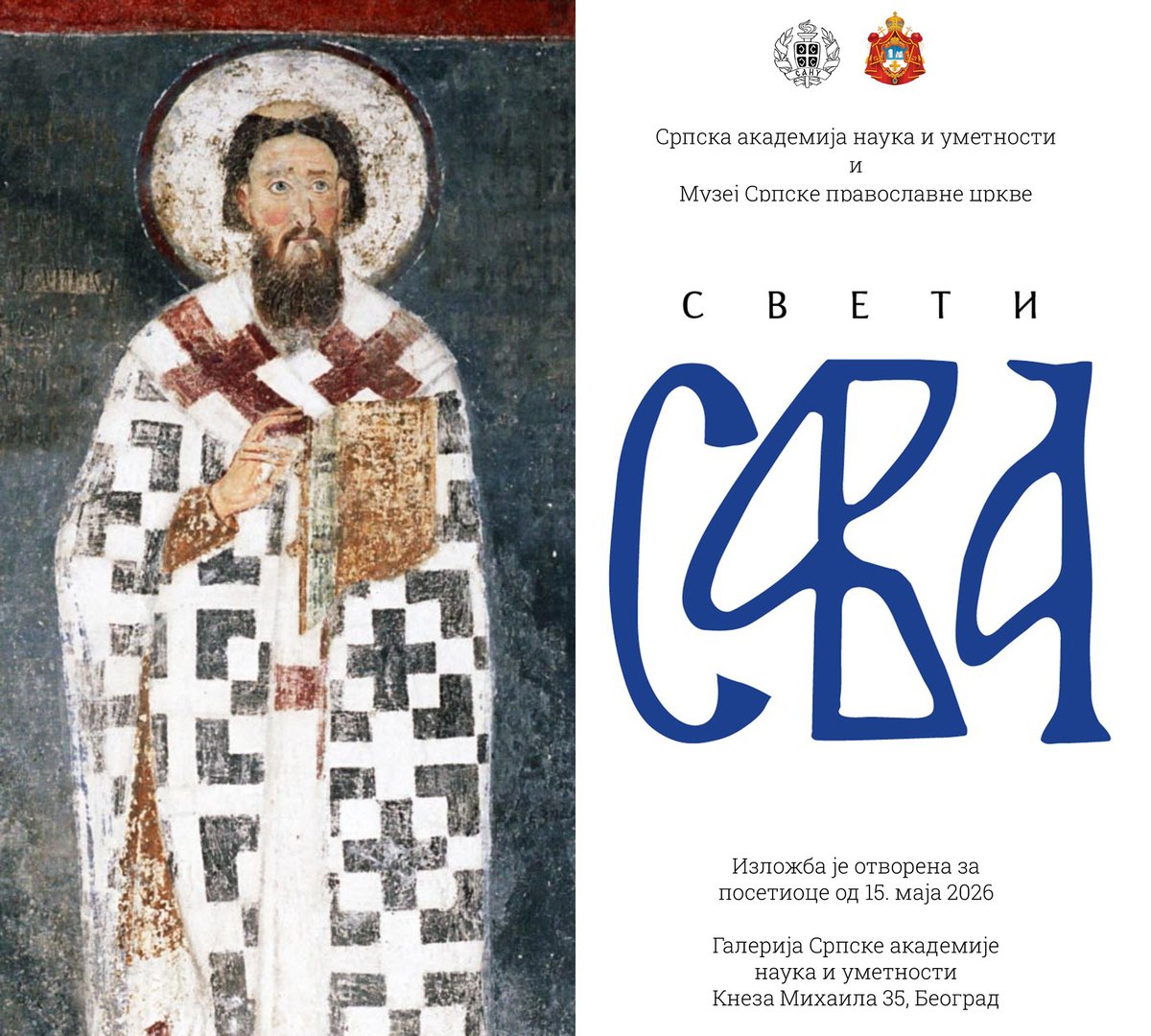
The team of the Geomatics Division of the @arheoinst realized detailed photogrammetric and LiDAR recording of the Studenica monastery complex, in cooperation with the Museum of the Serbian Orthodox Church and the monastic fraternity.
The recordings were conducted with the goal of producing high quality digital models for the purposes of the Sveti Sava exhibition at the SANU Gallery.
The exhibition will be open to visitors from 15. may in the Gallery of the Serbian Academy of Science and Arts, where during the next two months the audience will have the opportunity to get acquainted with the rich heritage and modern methods of digital documentation of cultural heritage.
#ArheološkiInstitut
#Studenica @UNESCO@SRBinUNESCO
#SvetiSava
#LiDAR
#Fotogrametrija
#KulturnoNasleđe
#SANU
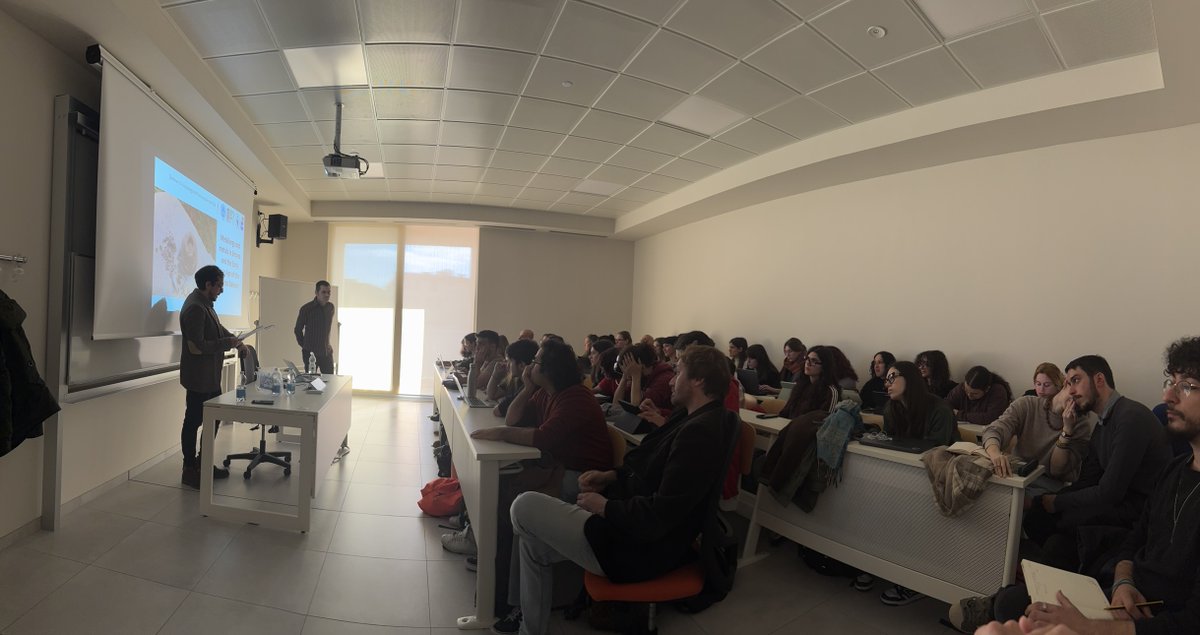
As of the 24th until the 27th In February, a delegation of the @arheoinst made a 4-day visit to the @Unipisa (Italy), at the Department of Civilizations and Knowledge. On that occasion, three lectures for students and teachers were held:
📷 A. Bulatović — New Archaeological Evidence from the Copper and Bronze Age in the Central Balkans: Influences and Long-Distance Connections
📷 V. Filipović — Metallurgy and Metals in the Bronze and the Early Iron Age of the Central Balkans
📷 N. Mrđić — Viminacium — Provincial Capital City and Legionary Fortress: Research and Creation of the Archaeological Park
In addition to lectures, a series of meetings were held with representatives of several departments to plan future cooperation, with a special focus on joint participation in projects financed from European Union funds. The Department's libraries were gifted editions of the Archaeological Institute, thereby establishing a permanent academic exchange of publications and further consolidated long-term cooperation between the two institutions. We would like to thank the hosts for their warm hospitality and inspiring academic exchange.
#ArheoloskiInstitut #UNIPI #pisa #archaeology #ArchaeologicalResearch
It’s unacceptable that the fight for a better Serbia and human rights has landed Marija Vasić and 5 others in prison. Detention has forced her to resort to the only power she has left: hunger strike. If the government fails to act, it will be accountable for the consequences.
.@UNESCO is deeply concerned by new reports indicating that significant looting and damage have occurred at the National Museum of Sudan and the Republican Palace Museum.
UNESCO strongly condemns the looting of cultural property protected by international law.
The Organization will continue to monitor the situation closely, and its experts based in Port Sudan stand ready to support the national authorities in implementing emergency measures.
Rudna Glava is one of Europe's earliest known archaeological sites associated with copper mining and metallurgy. Dating back to approximately 5000 BC, this prehistoric copper mine belongs to the Vinča culture. Excavations at Rudna Glava have revealed extensive evidence of early mining techniques, including shafts and galleries reaching depths of several meters.
@arheoinst
NEWS: The Met is returning a 7th century B.C. bronze head of a griffin to Greece in the face of evidence that it was stolen from a museum in Olympia in the 1930s
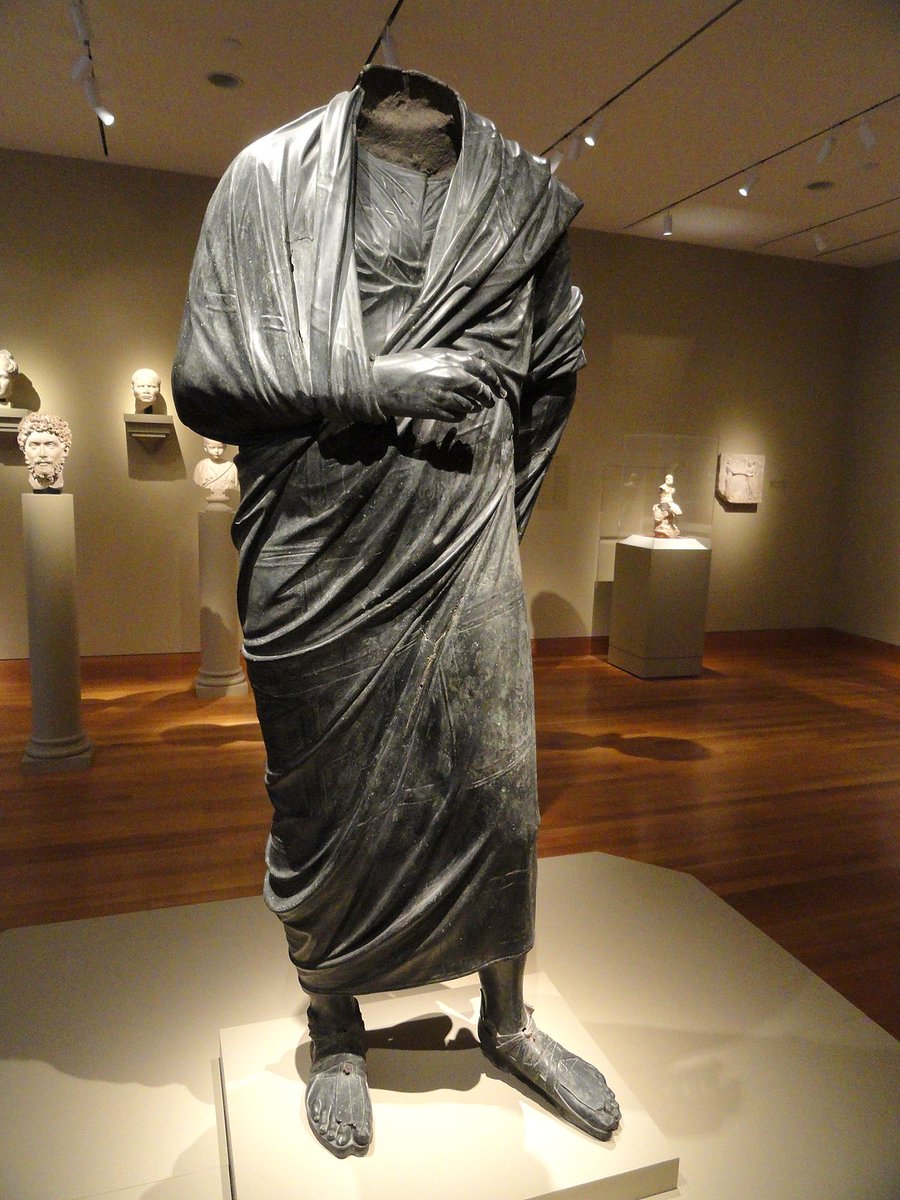
BREAKING: The @ClevelandMuseum has surrendered its ancient bronze masterpiece, a sculpture of Marcus Aurelius, and dropped its legal challenge of the @ManhattanDA, which is pursuing a criminal investigation of its looting from Bubon, Türkiye.
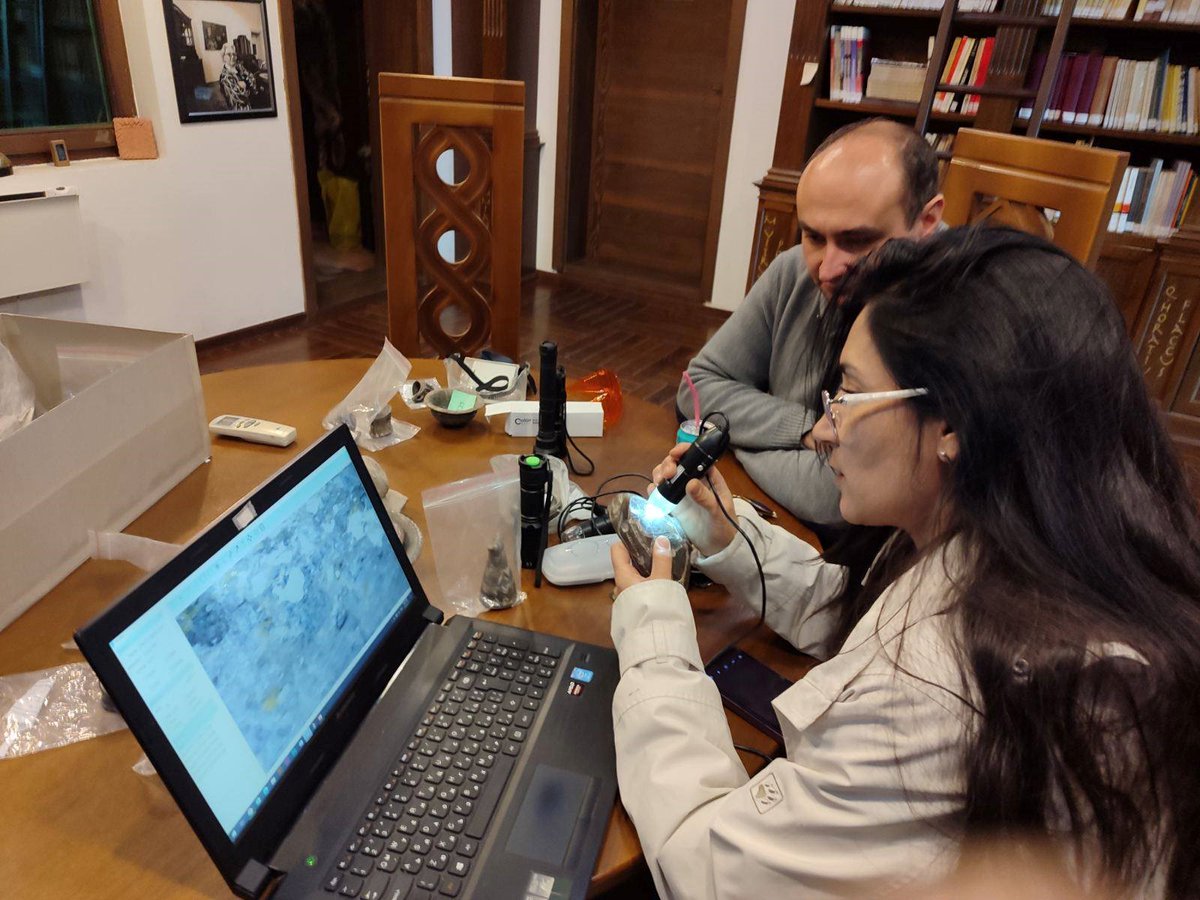
The COLPAST Project has advanced its technical expertise through training held at the Archaeological Park of Viminacium. Dr. Ilija Danković and MA Milan Prodanovic from the Arheološki institut, Beograd, were trained in the use of UV and infrared lamps for detecting pigments on Roman and prehistoric artifacts. The workshop was conducted by Dr. Rositsa Manova, a distinguished Bulgarian archaeologist and restorer from the National Institute of Archaeology and Museum, Bulgarian Academy of Sciences. In addition to teaching UV and infrared techniques, she instructed participants in the use of hand-held microscopes to identify pigments and colors on ancient reliefs and statues. Dr. Manova, an expert in ancient pigments and burial practices, provided both theoretical and hands-on training. This training enhances the Institute's ability to trace and restore colors on archaeological artifacts, contributing to the broader understanding of ancient artistic practices. All activities were conducted as part of the development of the Center for Archaeometry VinArh.
U zajedničkom nakladništvu AMZ-a i HAD-a izašla je monografija [Ostave Vukovar i Lovas: nove biografije. Sirovine, metalografija, tipologija, tragovi upotrebe, kroonologija i kontekst]
web trgovina AMZ-a https://t.co/iajpBV6ujk
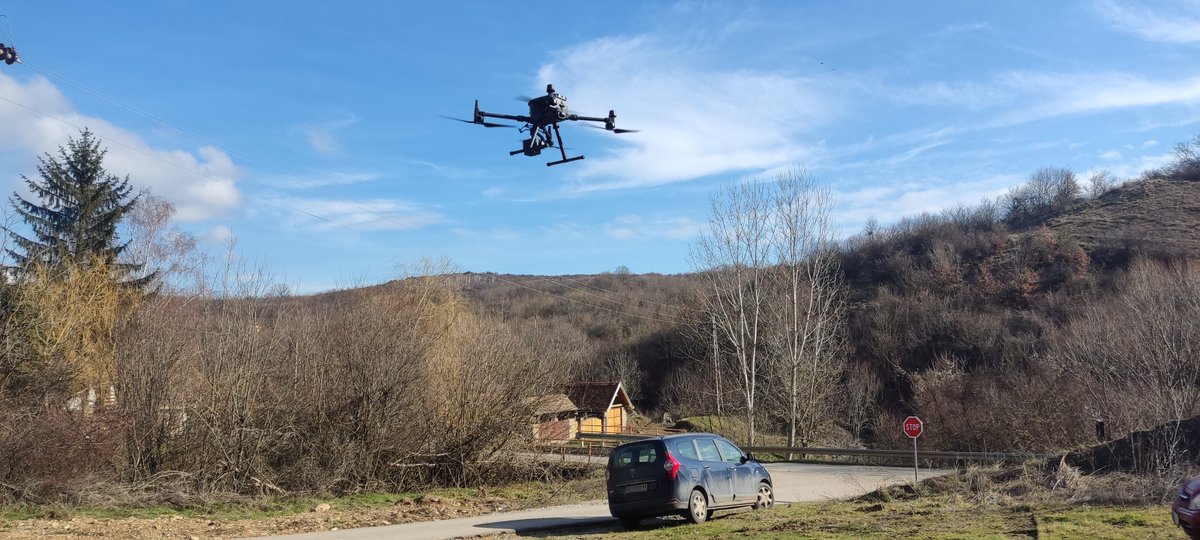
At the start of the year, taking advantage of the favorable weather, we launched a series of training sessions and field exercises focused on LiDAR surveying. In addition to hands-on experience and the acquisition of new skills, the team, led by Ivan Ninčić, is committed to debunking pseudo-archaeological narratives surrounding the alleged location of ancient Troy near Belgrade. We are also exploring new approaches to enhance and streamline our workflow.
Joining the young researchers from the Institute of Archaeology are archaeology students from the Faculty of Philosophy. Our work is supported by cutting-edge equipment from @DJIGlobal , with more than five days of recordings completed and dozens of successful drone flights conducted.
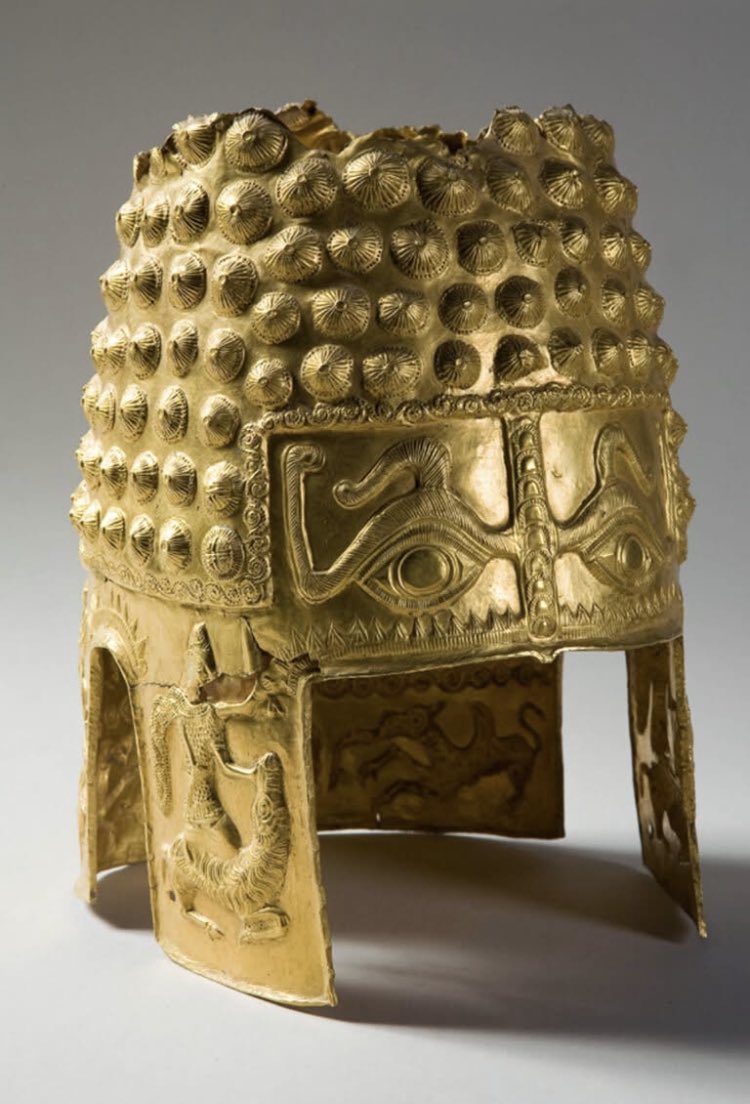
One of Romania’s national treasures, the ancient Getic helmet from Cotofenesti, was stolen in an explosive robbery of the Dutch museum where it was on loan.
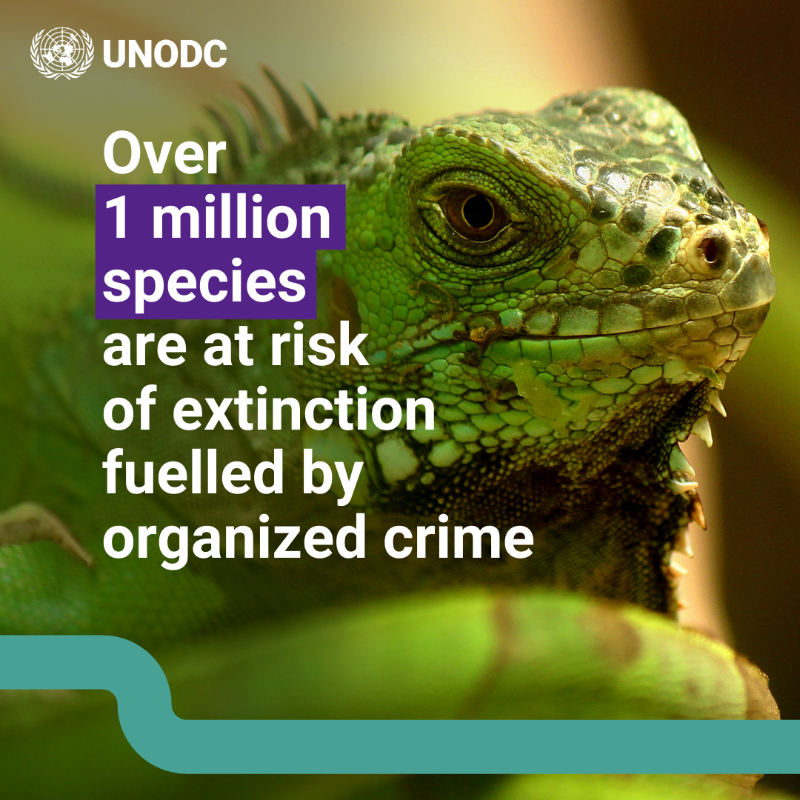
The impact of wildlife crime on biodiversity loss is undeniable. Organized criminal groups exploit the low risk and high profit of crimes that affect the environment. To stop biodiversity loss, we must #StopOrganizedCrime.
n the final days of the project, three team members - PI Dr. Aleksandar Bulatović, Dr. Maja Gajić Kvaščev, and Dr. @VojislavF Filipović - visited the Department of Archaeological Sciences at the @oeai_oeaw in Vienna @oeaw, and the representative office of the Japanese company @KeyenceUSA. The purpose of the visit was to explore the capabilities of high-quality microscopes.
This type of advanced equipment, currently unavailable for archaeometric studies in Serbia, could become a key priority for the newly established VinArh Center for Archaeometry.
@theFLOWserbia
#programideje
@fondzanauku_rs
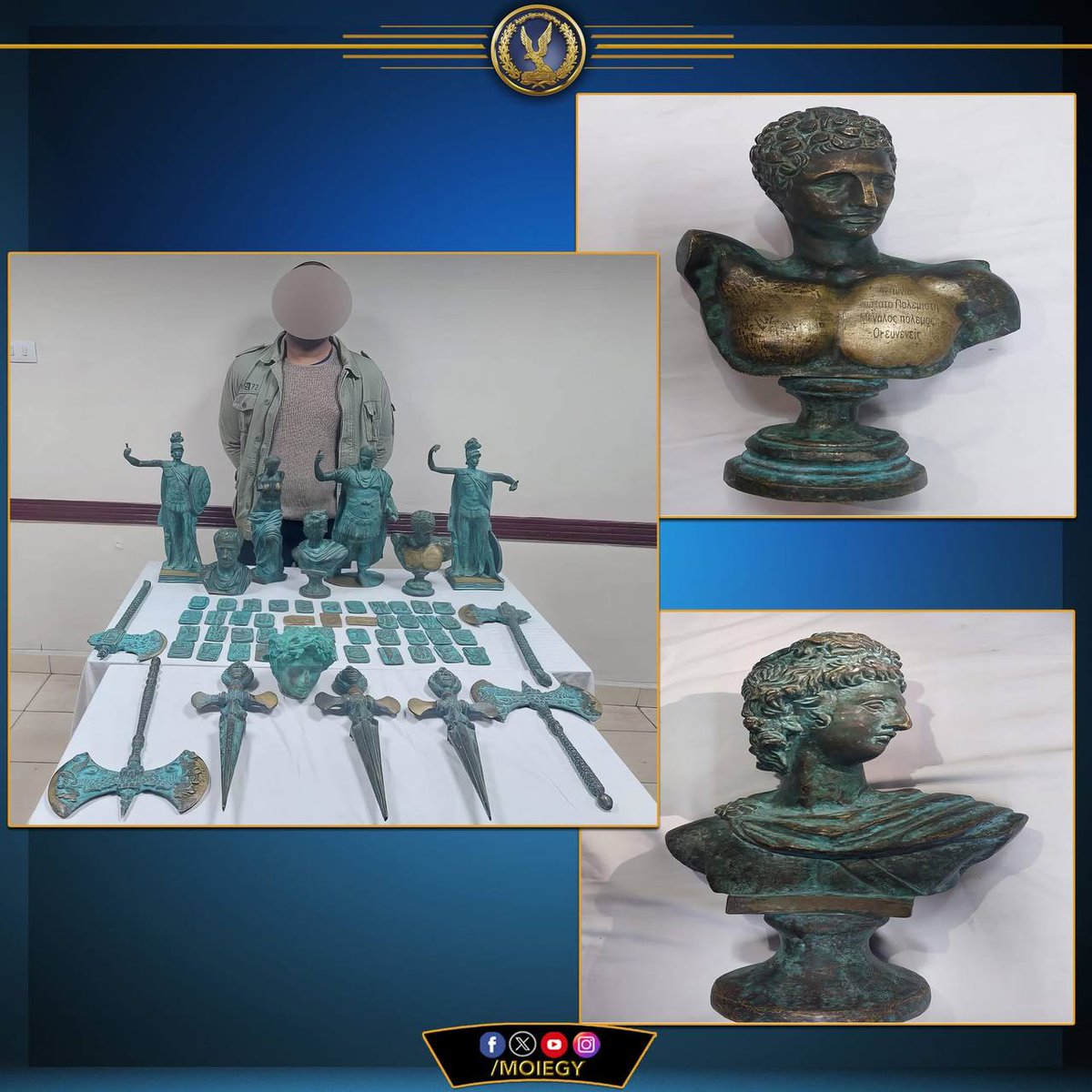
Two people arrested in Egypt for taking 448 artifacts from the bottom of the Mediterranean Sea and trying to sell them
According to the Egyptian Ministry of Internal Affairs, the artifacts include 53 figurines with various images, 3 busts, 12 bayonets with human heads, 14 bronze bowls, 41 axes, 20 bronze artifacts and 305 coins.
Underwater in Abu Qir Bay is the sunken ancient city of Heraclion, which scientists believe was built around the 8th century BC. It went under water about 1,200 years ago, and now the remains of the city are under water at varying depths of up to 45 meters. Archaeologists discovered it in 2000.
-----
My comment - Some pieces could be fake.
🌍 Join us on January 8th, 2025, at 2:00 pm (CET), for a webinar on Illicit trade in antiquities and X-ray forensics for the discovery of counterfeit archaeological artifacts.🔗 Register here: https://t.co/FMvmZTAipY
#GLITSS#COSTAction#illicittrade#research#EU
Something wonderful for the weekend!
About 40,000 years ago, during the #IceAge, an ancient artist skilfully sculpted this tiny head of a cave lion from mammoth ivory. It is one of the World’s oldest known works of figurative art.
From the Vogelherd Cave, Swabian Jura, Germany. On display Landesmuseum Württemberg, Stuttgart: https://t.co/iu03tybMoG
📷 by me
#Archaeology
We're updating our reserve list of Science Officers, responsible for the follow-up & support of COST Actions. All scientific backgrounds welcome, but biology & chemistry are a plus. Apply by Monday! Details 🔗 https://t.co/yhNTbMDaJt
#BrusselsJobs#JobsinBrussels#ResearchJobs
📰 Ancient writing discovered in Middle Bronze Age Syria is possibly the oldest known alphabetic writing. Dating to c. 2400 BC, it suggests alphabets are 500 years older than previously thought!
#ArchaeologyNews via @JohnsHopkins
https://t.co/bDQSfXSNc3







![Arheoloski_zg's tweet photo. U zajedničkom nakladništvu AMZ-a i HAD-a izašla je monografija [Ostave Vukovar i Lovas: nove biografije. Sirovine, metalografija, tipologija, tragovi upotrebe, kroonologija i kontekst]
web trgovina AMZ-a https://t.co/iajpBV6ujk https://t.co/eYT1AJGBF3](https://pbs.twimg.com/media/Gi9Ifg3W0AAsVzo.jpg)