New tweeter, benthic biologist/researcher, communicator of deep sea science, conservation advocate, coral/sponge lover & proud Newfoundlander. Opinions my own
Petty Harbour-Maddox Cove, Newfoundland and Labrador
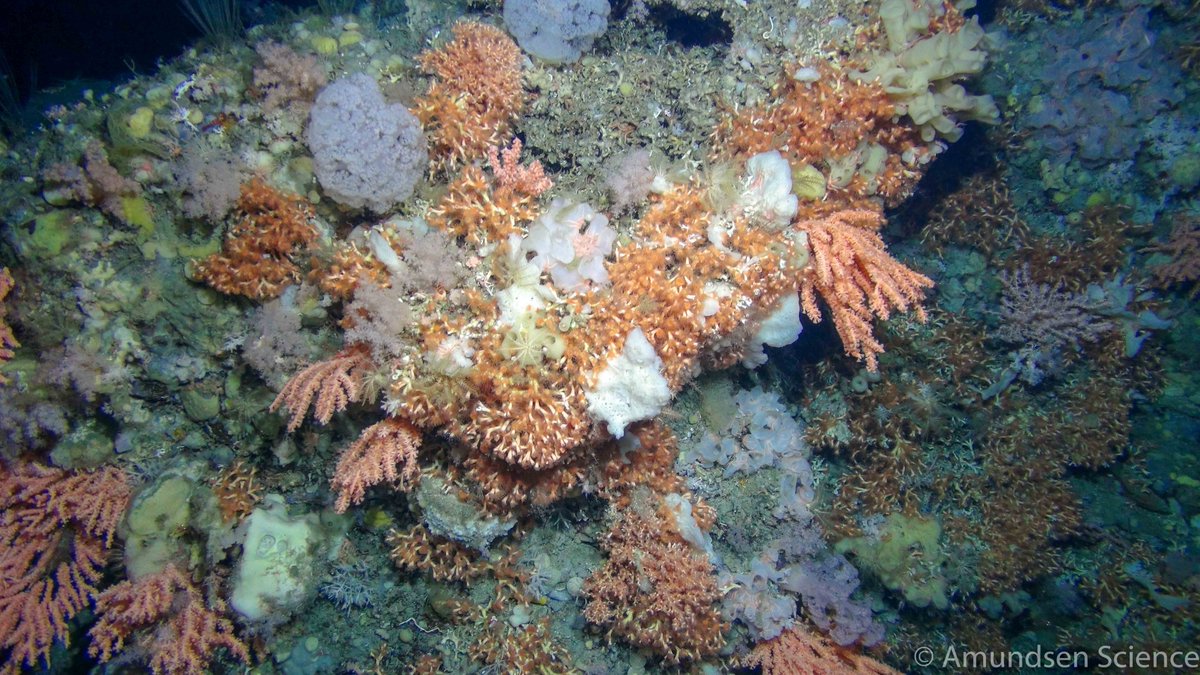
@DFO_NL@DFO_MPO Dear Greenland, what an amazing gem you have beneath your seas. It's beautiful, diverse, abundant, and until today hidden. I feel so privileged to witness it's beauty first hand. Hide no more my beloved Lophelia your secret garden is about to be shared xo
2/2 We’re thrilled to play a part in contributing knowledge about marine biodiversity by sharing these samples and adding to the Museum’s national collection.
Wow! Hundreds of cold-water #corals and sponges have been donated to our national collections by @DFO_NL scientists. These specimens and their data can now be studied by scientists worldwide as indicators of #ocean biodiversity. @IocUnesco Learn more: https://t.co/ptmw3nUIVP
Conditions have rapidly deteriorated in St. John’s/Eastern Newfoundland with winds well in excess of 110 km. Blizzard conditions, zero visibility and blocked roads are making conditions hazardous for our crews.
Discover Canada’s newest #MarineProtectedArea – Laurentian Channel, located off the south coast of Newfoundland and Labrador. It's the first that will benefit from our new protection standards. https://t.co/NqqeISvxRJ
"Despite the doom and gloom news reports, 41 per cent of all fish species studied in published research don't appear to ingest plastics."
https://t.co/q2abCXxhLE
I’ll be giving a talk about all the work that scientists in Canada have done to identify and describe Ecologically and Biologically Significant Areas (#EBSAs) tomorrow at #WCMB2018. Would love to see you there at 10:30am in the EBSA session! @DFO_NL @DFO_Science
7 new marine refuges off the coasts of Nunavut and Newfoundland and Labrador will protect corals, sponges, and habitats important to species like Atlantic cod and narwhal https://t.co/1CSsmf16jj
All bottom fishing activity, including traps, longlines, gillnets and bottom trawls will be prohibited. These measures protect just over 2.5% of Canada’s ocean habitat and bring us closer to our international commitment of 10% by 2020 @DFO_MPO@DLeBlancNB https://t.co/pL1RYpvqrm