Will a simple skin biopsy soon help us nail the diagnosis of Dementia with Lewy Bodies (DLB)? A new study in Annals suggests we may be getting closer. Detecting phosphorylated alpha-synuclein in skin nerves showed 100% accuracy for identifying DLB in people with recent-onset cognitive decline. Promising, however much larger studies are still needed.
Key Points:
- In a prospective study of 19 folks w/ recent-onset cognitive impairment, skin biopsy detected phosphorylated α-synuclein in all 5 individuals who developed DLB, and none of the 14 w/ other dementias.
- Skin immunofluorescence achieved 100% sensitivity and specificity in this small cohort, suggesting a possible FUTURE powerful diagnostic tool.
- This could in the future be a minimally invasive biomarker for DLB.
My take: The evolution of possible biomarkers for DLB is happening fast, but let's not get over our ski's as this was only a 19 person study. Here are the thoughts that resonated w/ me. 1- Dementia w/ Lewy Bodies (DLB) is the second most common dementia after Alzheimer’s, however it is frequently misdiagnosed. 2- Right now, diagnosis can be tricky, especially in the early stages, and this leads to delays and uncertainty. 3- This study shows that a tiny skin biopsy might reveal the abnormal proteins that cause DLB. 4- If confirmed in larger studies, this could mean a simple office procedure could one day help doctors make the right diagnosis earlier. 5- Early and accurate diagnosis matters. It will guide treatment, help families plan and open doors for clinical trials.
https://t.co/FZBRDeyt5e #parkinson #DLB #dementia @ParkinsonDotOrg@FixelInstitute@lewybodyny@UKDRI@LBDAssoc
Top 3 advances in medicine this week (🧵)
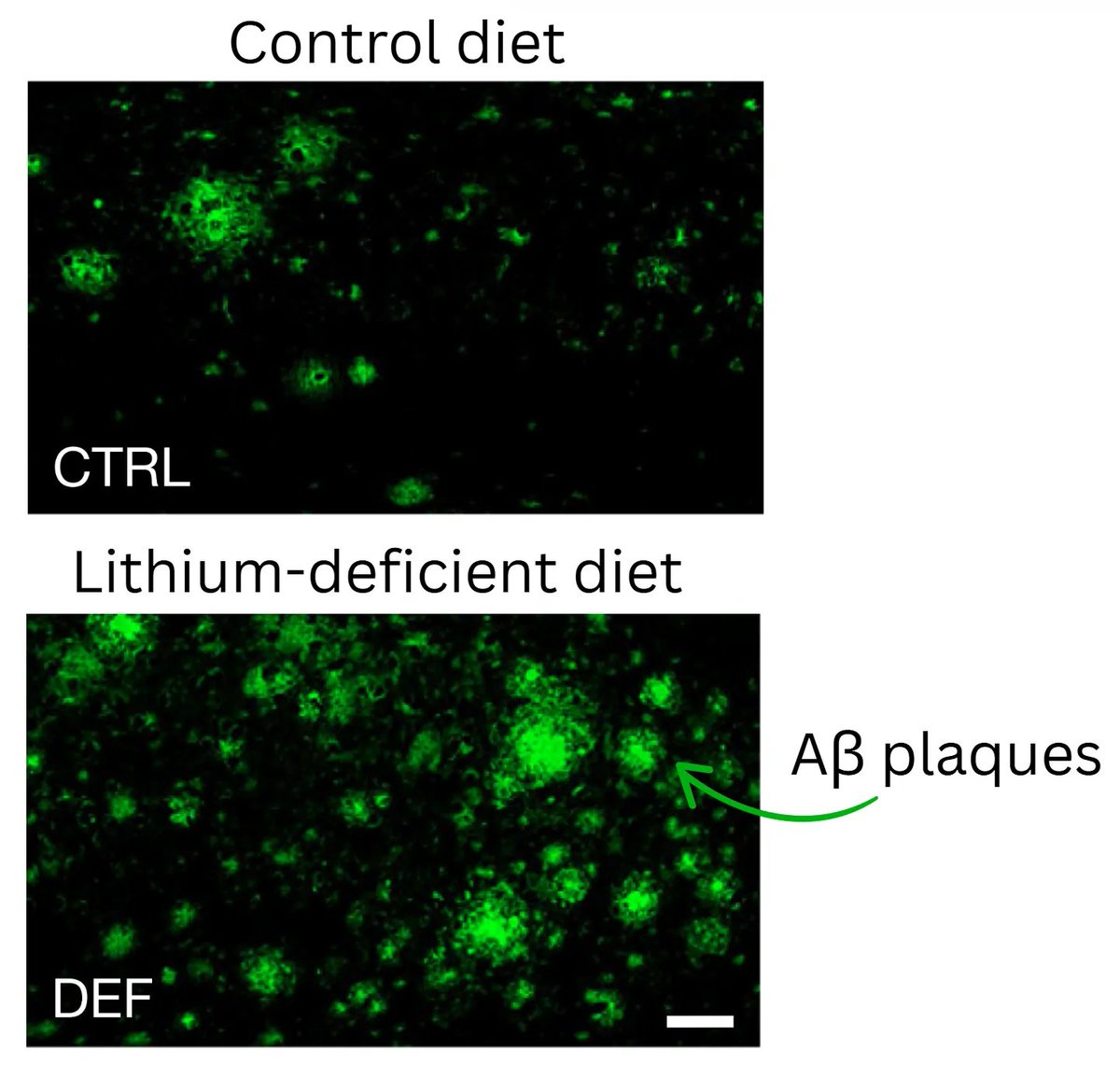
1. Low lithium might start the Alzheimer’s cascade
There's a decades-long window to intervene in Alzheimer's before symptoms start, but we still have no (effective) treatments to do this
This study finds low lithium in human brains with very early Alzheimer's, and – in mice – replacing lithium prevented amyloid β buildup and stopped cognitive decline
Lithium has potential as a cheap, widely-available supplement that's upstream of the entire Alzheimer's cascade: human trials needed!
https://t.co/YP5MsHnPkN
@Antimon_Zg@rotkvarija9@JBabunski0 Da li smatrate da se posle 15. veka, nakon osmanskih osvajanja i nestanka nezavisnih slovenskih država na Balkanu, definicija Srba i Hrvata promenila sa jezičko-teritorijalne (Srbi – pretežno štokavci, Hrvati – kajkavci i čakavci) na versku (Srbi- pravoslavni, Hrvati- katolici)?
@Antimon_Zg@rotkvarija9@JBabunski0 Znači Hrvat uvek u srednjovekovnim izvorima znači Hrvat, dok Srbin može da ima različita značenja ? Neobična hipoteza da su na Balkanu postojali Hrvati i graničili se sa amorfnom grupom Slovena koji su kasnije dobili razne identitete uključujući i Hrvatski. Da li je to vaš stav?
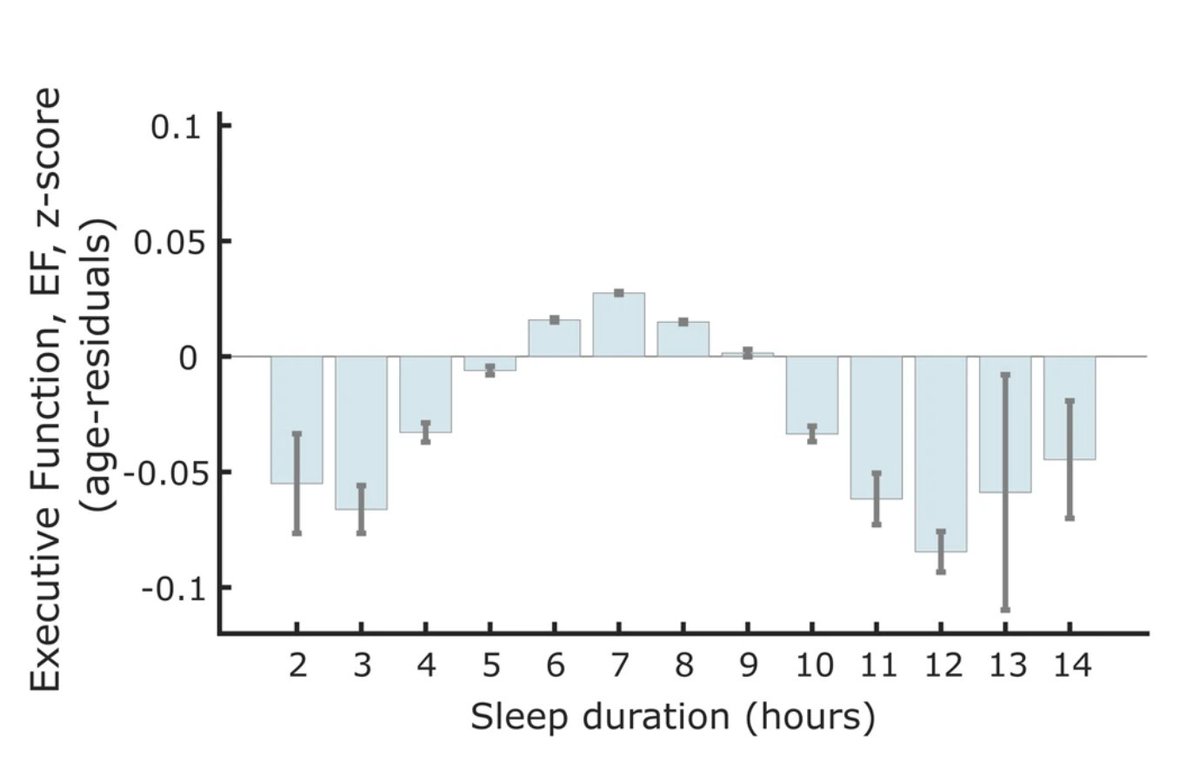
A fascinating paper published in @Nature just two days ago offers a new perspective on sleep drive—through the lens of mitochondria.
This paper shows how waking and sleeping oppositely change mitochondrial fusion and fission dynamics; how artificially manipulating fusion and fission alters sleep drive; and how sleep centers of the brain may be programmed to be especially sensitive to changes in energy metabolism that occur during sleep/wake cycles.
Turns out, the “powerhouses of the cell” might double as our biological alarm clocks.
From an evolutionary perspective, it makes sense. As the paper notes: “Power-hungry nervous systems appeared—and with them, apparently, the need for sleep. Although sleep is likely to have since acquired additional functions… sleep serves an ancient metabolic purpose...”
It’s not a light read—but then again, you shouldn’t be staring at bright lights before bed anyway.
cc @hubermanlab@NTFabiano@ChrisPalmerMD
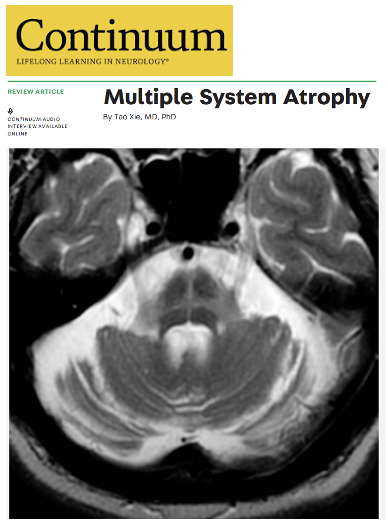
Check out this 2025 update on the diagnosis and treatment of MSA by Tao Xie from the University of Chicago in the AAN's newest Continuum issue on Movement Disorders. Spoiler alert: MSA is a whole body disease and more than just the brain. How about that MRI hot cross buns sign?
Key Points:
- New diagnostic criteria have arrived.
- The 2022 International Parkinson and Movement Disorder Society (MDS) criteria sharpen our ability to diagnose MSA earlier, adding categories like prodromal possible MSA to catch the disease in its earliest stages.
- Imaging and biomarkers are leading the way. MRI techniques may reveal a hot cross bun sign or putaminal atrophy.
- There is a new MRI AI system called AIDP that differentiates MSA, PD and PSP.
- α-synuclein seed amplification assays are now showing real promise for differentiating MSA from Parkinson’s and other look-alikes.
- Management remains multidisciplinary.
- There are no disease modifying therapies yet, however a multisystem approach targeting autonomic failure, parkinsonism, ataxia and palliative care can be critical for maintaining quality of life.
My take: First, for those who have MSA, I want you to be careful interpreting what is in the literature. Though some cases have faster progression than Parkinson's, not all cases in my practice progress rapidly. Some case respond well to levodopa, for example. These 5 points resonated w/ me about Tao's article. 1- MSA is not Parkinson’s. It’s a relatively rare but aggressive condition that affects movement, balance and automatic body functions like blood pressure and bladder control. 2- Diagnosis can be tricky, however we are getting better. Health care professionals now have better tools like specialized brain scans and new lab tests to catch MSA earlier and more accurately. 3- It’s a whole body disease and not just the brain. MSA hits multiple systems: walking becomes difficult, blood pressure drops when standing and even speech and swallowing can be affected, not to mention the skin and GI tract. 4- Treatments focus on easing symptoms and include physical therapy, medications and supportive care and they can make a real difference in daily life. Don't forget to aggressively treat depression, apathy and demoralization. 5- Great hope is in emerging research. Scientists are racing to find disease-modifying treatments and there are new studies on biomarkers and cell therapies pointing us in the right direction.
https://t.co/b4H581W2NN #Parkinson @ParkinsonDotOrg@FixelInstitute@ContinuumAAN@AANmember
Getting past peer review is a challenge every researcher faces.
Paper Wizard is an AI app that can help you get past peer review.
Featured in Nature, scientists are calling it "the best [tool] for spotting statistical and methodological issues."
Here's how to use it:
Jiang et al. find that proteasome dysfunction occurs early in Alzheimer’s disease and worsens with disease progression, impairing the ability of neurons to clear harmful proteins. https://t.co/YpDVf9KMdd
Црква Светог Луке у Котору из 1195. године. Ктиторски натпис каже да је подигнута у част Бога и Св. Луке апостола и јеванђелисте, у време великог жупана Немање и његовог сина Вукана, краља Дукље, Травуније, Далмације и Хвосна.
Parkinson’s doesn’t always steal the mind, however let’s talk about the numbers that get dementia. New data challenge old fears about dementia in Parkinson’s disease. AARP story this week and recent Green Journal Neurology (Gallagher and colleagues) spotlighted and updated the nuanced insights into memory loss and cognitive risk.
Key Points:
- Dementia risk is variable, not inevitable. While past reports cited an 80% lifetime risk, newer data show much lower risks over the first decade, especially for those diagnosed young.
- Risk increases with age, male sex, and lower education, but some patients remain “cognitive superstars” with excellent memory for decades. This is a term we have coined after testing a lot of Parkinson's folks at UF Fixel.
- REM sleep behavior disorder, lack of tremor, and gait problems may predict faster cognitive decline, but early interventions like exercise and cognitive engagement can help.
My take: Here are 5 points that resonated w/ me about the AARP interview and the Neurology paper: 1- Not everyone with Parkinson’s gets dementia. Let’s stop the panic and focus on what you can do to protect your brain. 2- Exercise is medicine for the mind. 3- Tremor might be a friend in disguise. Those with tremor-predominant Parkinson’s tend to have a slower disease course and lower risk of dementia. 4- Talk to your doctor early. If you or a loved one are noticing 'thinking changes,' it’s time to screen, not to fear. 5- Stay socially, mentally, and physically engaged. Brain resilience is real. Build it every day.
https://t.co/mbZsgc4lFh
https://t.co/CyRGP9GLSx
@ParkinsonDotOrg@GreenJournal@FixelInstitute@AARP #Parkinsons #Alzheimer #Dementia
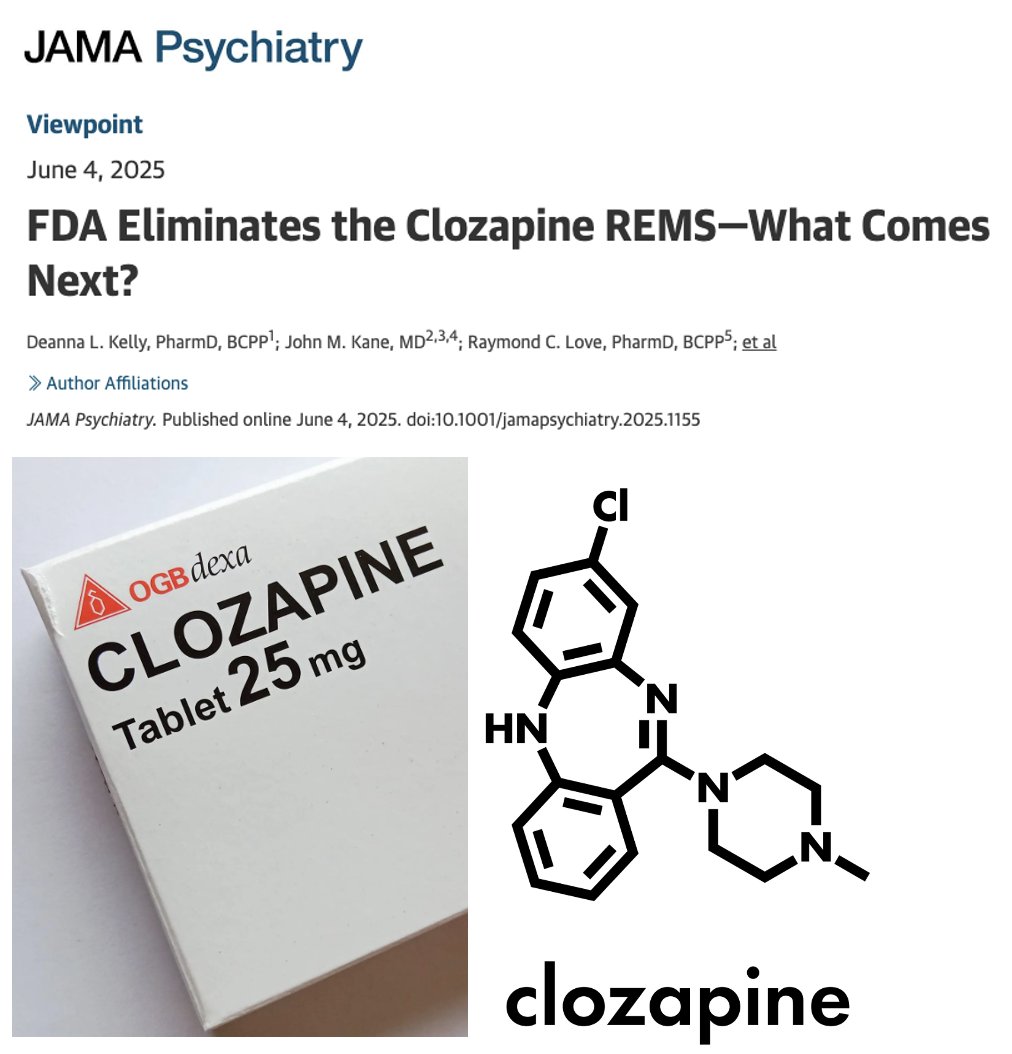
The Clozapine REMS monitoring registry has been retired. The FDA just did something bold, and after 35 years it eliminated the mandatory REMS registry for clozapine use in the USA. This decision, backed by a 14–1 advisory vote, could transform how we care for people with Parkinson's, Lewy Body, treatment-resistant schizophrenia and beyond. A new JAMA Psychiatry Viewpoint by Kelly and colleagues walks us through what comes next.
Key Points:
- Clozapine remains underused (<5%) despite being the gold standard for treatment resistant schizophrenia and the only antipsychotic proven to reduce suicide risk.
- The REMS system unfortunately created unnecessary barriers and interruptions in clozapine use
- The registry had system breakdowns that may have harmed patients.
- Neutropenia does not equal agranulocytosis.
- Severe neutropenia is rare (<0.8%) and typically occurs in the first 18 weeks after starting clozapine.
- The REMS is gone, but ANC monitoring recommendations remain unchanged in the drug label, including weekly for 6 months, then less frequently.
- New international guidelines support more flexible monitoring, especially for long-term users with no history of neutropenia.
My take: I have always loved using clozapine in the setting of Parkinson's disease psychosis, as it remains the most effective drug we have in the armamentarium. It is under-utilized. There are 5 points that resonate w/ me about this Viewpoint as we transition away from the clozapine registry. 1- This is a major win for access however we must remain vigilant against new institutional barriers popping up. 2- Pay attention to the science as the fear around clozapine-induced agranulocytosis has outpaced the actual risk. 3- Monitoring is still essential, but should be individualized and not dictated by outdated systems. 4-Education matters and providers persons w/ disease will need support to navigate this transition safely. 5- Let’s not blow this opportunity. Clozapine saves lives and now more people can access it. In my mind it is time to rebuild trust in clozapine and to put the person w/ disease, not the paperwork, back at the center of care.
https://t.co/XdBCVVCR5Y
#Clozapine #Schizophrenia #Psychiatry #FDA @ParkinsonDotOrg@FixelInstitute
A new Yale study shows for the first time that immune-system T cells are present in the brain, sent by the gut to a region that regulates hunger and thirst — a finding about T-cell physiology “that changes everything,” says one researcher: https://t.co/qkfBY46mWh #Yale
Differentiating between MCI subtypes in individuals attending memory clinics was associated with the diagnostic performance of blood p-tau217 models to determine brain amyloidosis in patients’ clinical management.
https://t.co/j1XRvJw03F
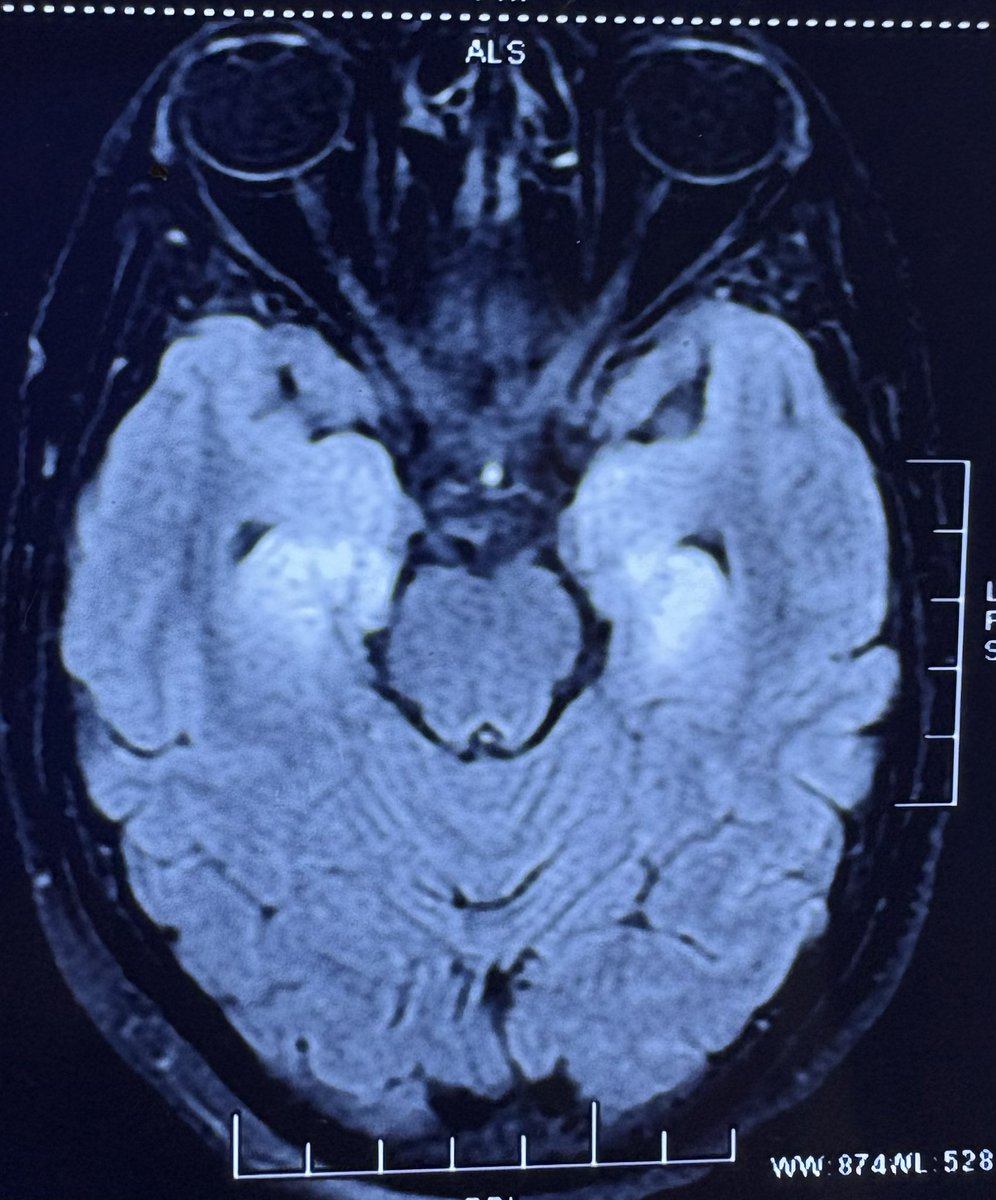
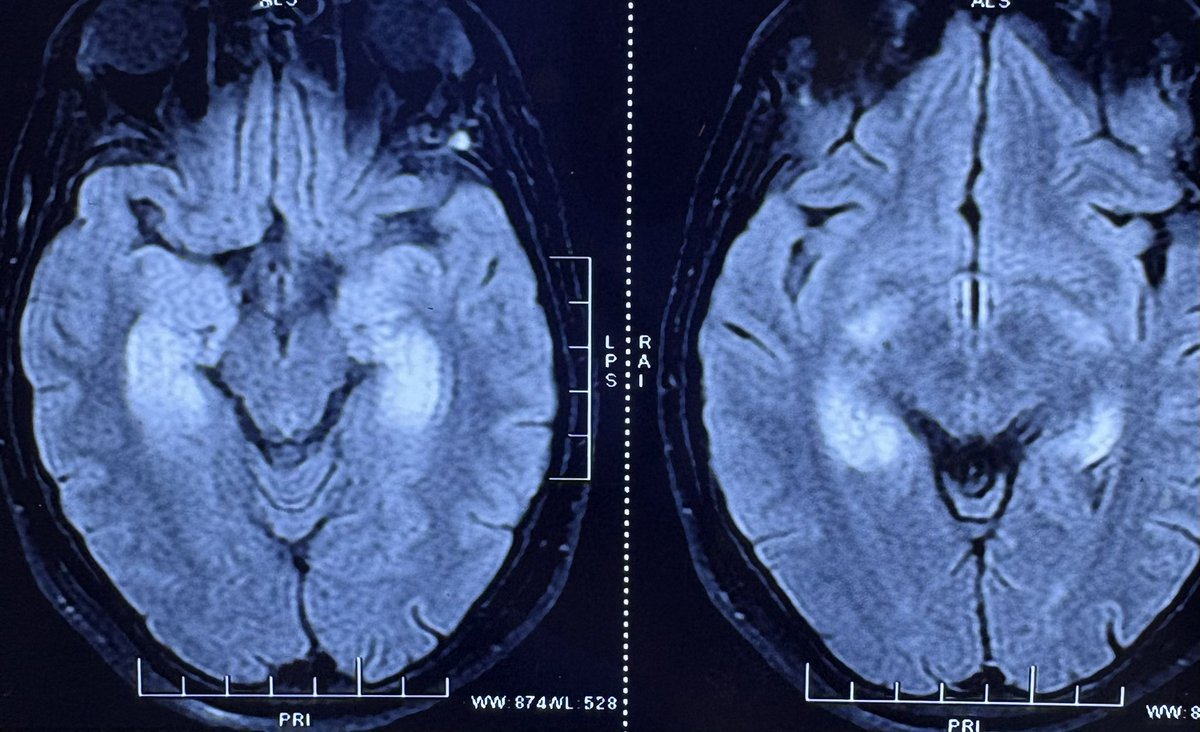
A sweet syndrome
30 yr old 👩🦳 came with progressive memory loss of 2 months duration. 10 days earlier she had a seizure and was admitted to
MRI shows this ⬇️
Null space theory predicts that neurons generate spikes not only to produce behavior but also to prevent the undesirable effect of other neurons on behavior.
In a new Science study, researchers show that this competitive cancellation is essential for understanding computation in the cerebellum. Learn more: https://t.co/9TP7Ns7yhQ; https://t.co/BCsLRW1RmH
Ancient Sardinian Fortress: The Mysterious Legacy of Su Nuraxi -
Long before the rise of Rome or the glory of Greece, the people of Sardinia were building something extraordinary. Su Nuraxi, located near Barumini, is a Bronze Age settlement centered around a massive stone structure known as a nuraghe—a unique architectural marvel found only in Sardinia. Constructed in the 17th century BC, its core is a fortress-like bastion with four corner towers and a central one, making it one of the most complex and best-preserved examples of prehistoric engineering in Europe.
By the 13th century BC, a thriving village had grown around this stone citadel. The settlement was home to generations of Nuragic people, who lived there until around the 6th century BC. Their homes, arranged in circular clusters, reveal a deeply organized community with advanced construction skills, social structure, and spiritual life. Archaeological finds suggest they practiced metallurgy, weaving, and possibly engaged in long-distance trade.
What makes Su Nuraxi even more fascinating is how its structure reflects the island's unique culture, completely distinct from other Mediterranean civilizations. It’s more than ruins—it's a rare window into a mysterious, indigenous European society that flourished in isolation and strength for centuries.
Modern reconstructions give us a vivid glimpse of what Su Nuraxi might have looked like in its prime: a powerful stronghold standing watch over a bustling village, echoing with the rhythm of ancient life.
#drthehistories
Predicting Alzheimer's in people who are cognitively unimpaired in middle-age via blood tests p-tau217 did well (best single biomarker), its ratio with Aβ42 had highest performance for detecting PET + amyloid
new publication today
https://t.co/EC8pEgnaT7









![MushtaqBilalPhD's tweet photo. Getting past peer review is a challenge every researcher faces.
Paper Wizard is an AI app that can help you get past peer review.
Featured in Nature, scientists are calling it "the best [tool] for spotting statistical and methodological issues."
Here's how to use it: https://t.co/jSjQOqZoak](https://pbs.twimg.com/media/GuSvJJOXcAA5zaD.jpg)