New discovery: Robust Object Detection in Remote Sensing Imagery with Noisy and Sparse Geo-Annotations
Paper: https://t.co/dpXvSp3qqw
Code:https://t.co/W1h1K2FW2P
My AI and ML research paper review time has gone down significantly.
Thanks to this amazing tool - https://t.co/nDV3I3IG2r that uses an AI model to explain dense sections
In the background, an LLM simplifies and explains complex concepts
AI explaining AI 👏👏👏
Computer vision is coming back into the forefront with Stable Diffusion.
But if you're totally new to CV, you've gotta get started somewhere.
No matter your skill level, here’s my favorite computer vision course.
(And, of course, it’s 100% free from University of Michigan!)
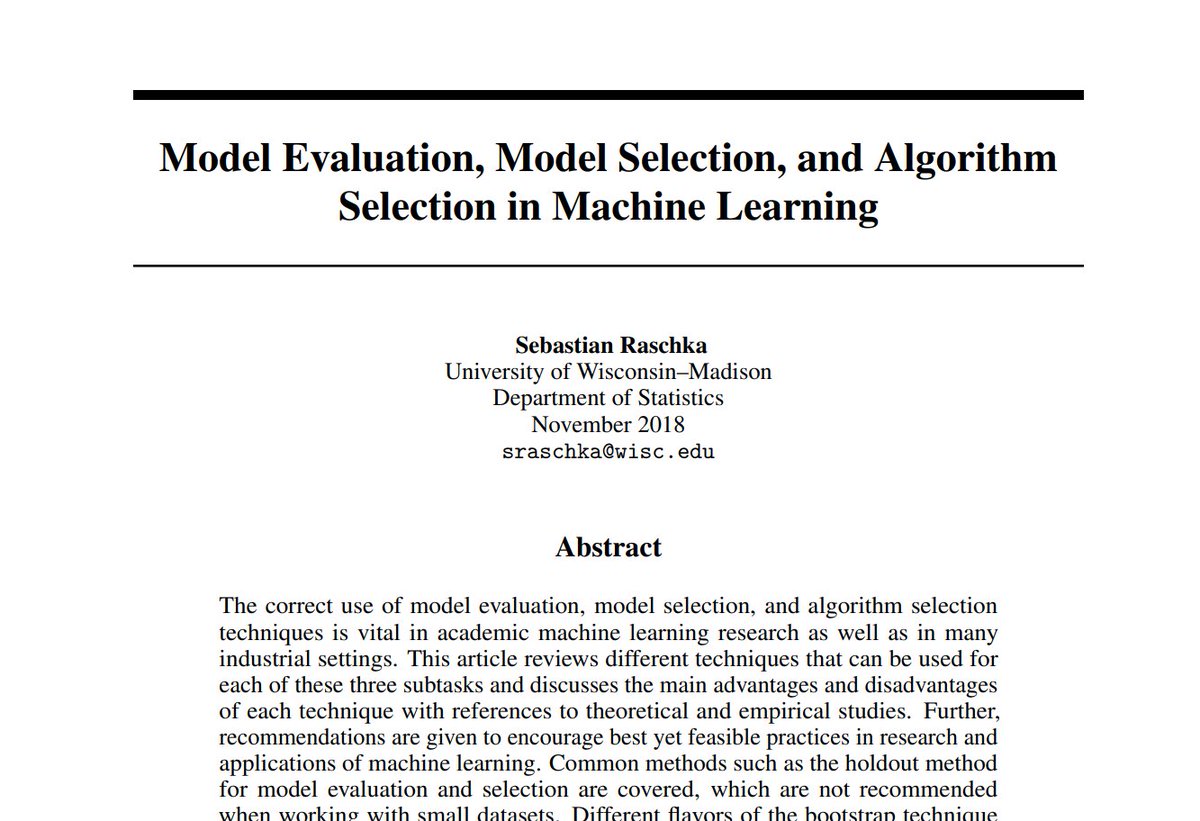
You should always work on improving your model evaluation skills.
Model evaluation is the worst taught skill in machine learning, and I believe the best way of improving is through practice.
But, this paper from @rasbt is by far my favorite single written resource:
🪐 Introducing Galactica. A large language model for science.
Can summarize academic literature, solve math problems, generate Wiki articles, write scientific code, annotate molecules and proteins, and more.
Explore and get weights: https://t.co/jKEP8S7Yfl
Fine tuning #stablediffusion to make Pokemon!
I wrote a quick guide on fine tuning your own Stable Diffusion: https://t.co/hLWrOjEPTm
I also released my Pokemon model, you can try it out on Replicate: https://t.co/3sVQrk54wZ
or with this Notebook: https://t.co/nRU5EQt3WC
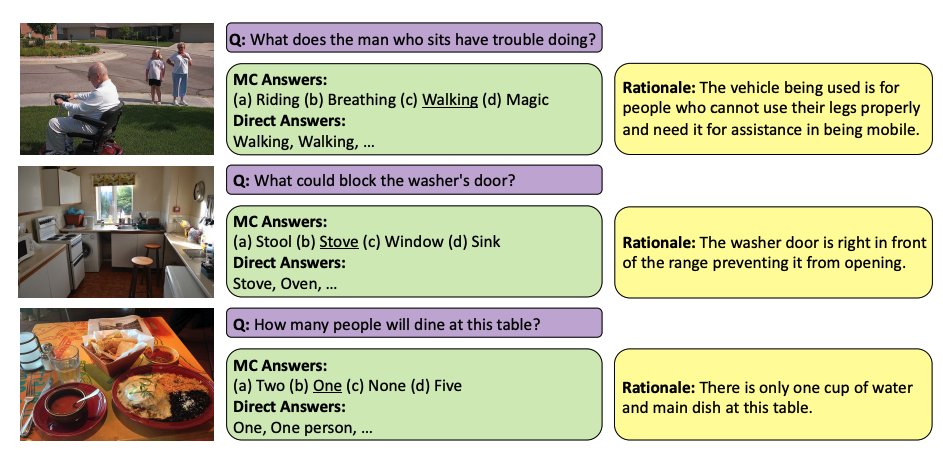
🖼️❓A-OKVQA: a challenging visual question answering dataset composed of ~25K questions requiring commonsense and world knowledge to answer.
https://t.co/29S0Qxhjg1
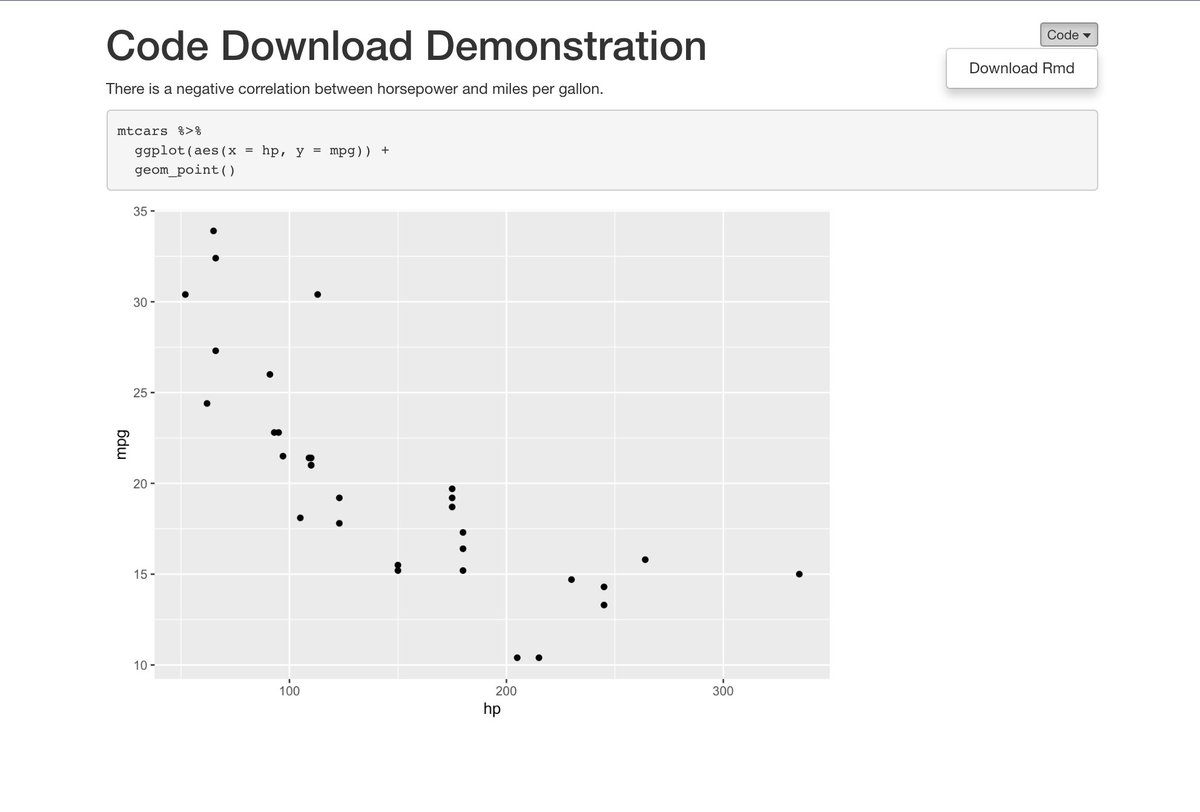
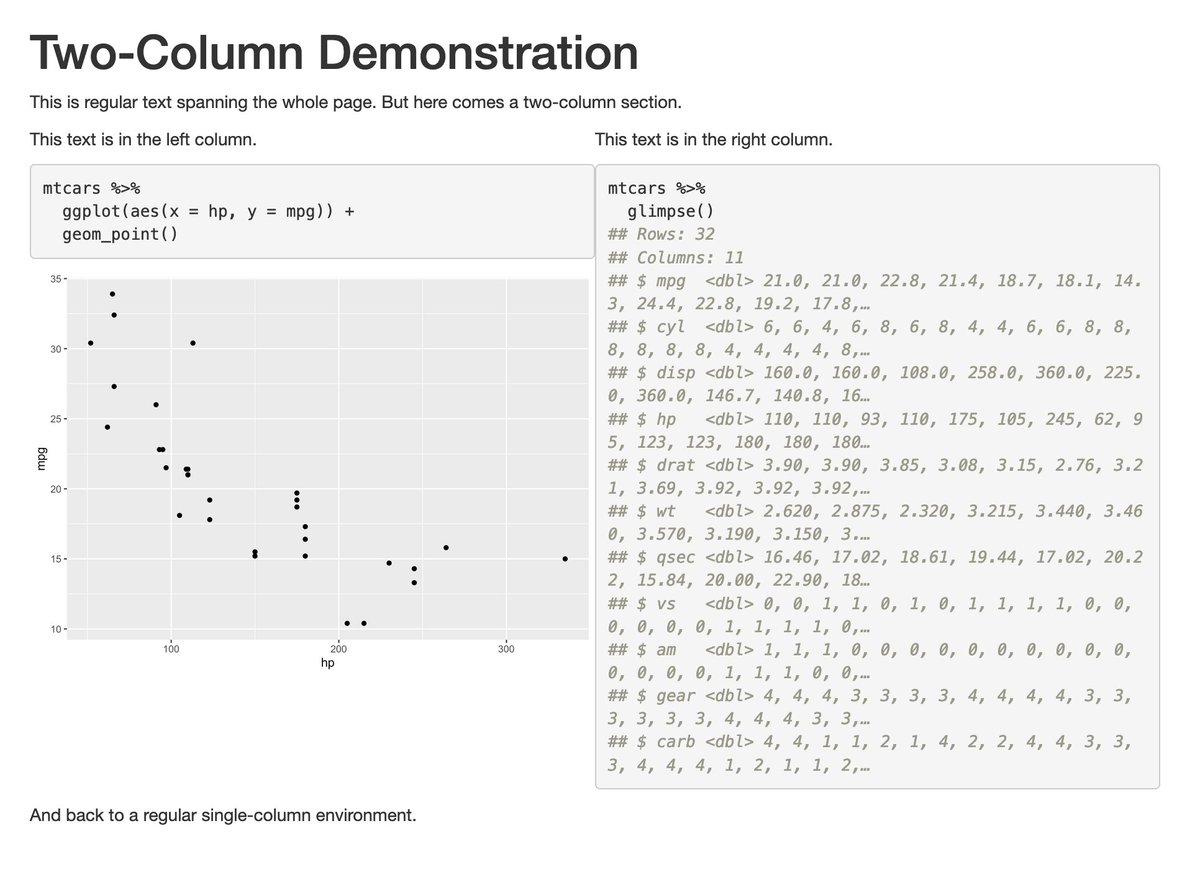
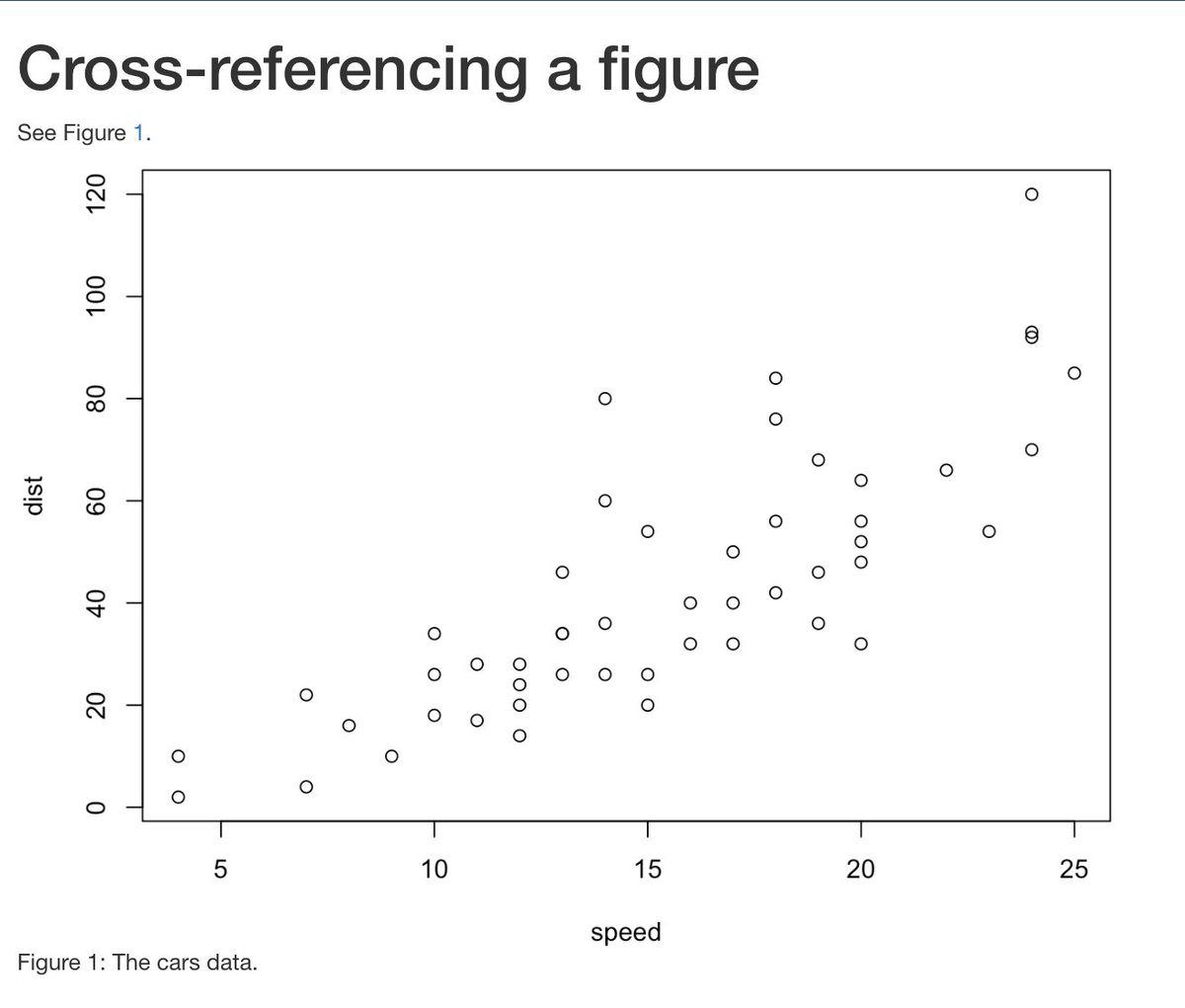
Make your R Markdown docs look & work better!
Read the final post of our series with 7 tips & tricks for #rstats docs: create columns, references, & more:
https://t.co/n0j0lUP4JV
Thank you to @_bcullen, @apreshill, reviewers, & all who shared!
Enjoy the R Markdown journey.
DALLE-2 was paywall-released recently by an extremely well-funded company.
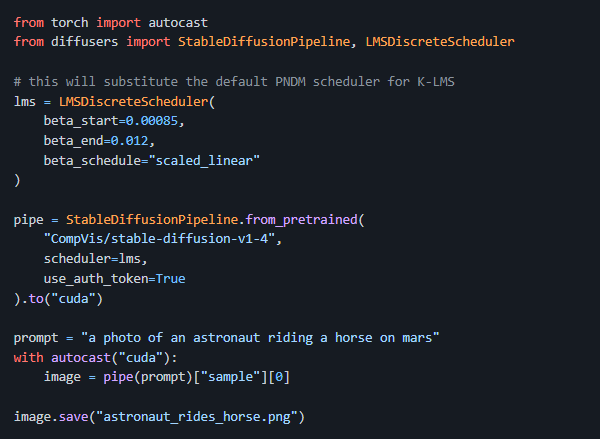
Just yesterday, a group of independent researchers released their own model (Stable Diffusion) that you can use in a few lines of code for FREE.
The speed of the ML research community is insane 🤯
SSIM has become a common loss function in computer vision. It is used to train monocular depth models for self-driving cars, invert GANs, and fit NeRF models to training images. The explosion of SSIM-based models raises a fundamental question: what the hell is SSIM? 🧵
We're in 😎💻.
The ERML Center of Excellence's Overhead Imagery Hackathon is here!
Learn more about what each teams is presenting during ERML COE's annual tech exchange and receive updates on the event itself now: https://t.co/vGwJ4YofbM
#AFRL#Events#Hacking#Hackathon
Today is the final day to submit an application to take part in the ERML Center of Excellence Summer Hack-a-thon!
Do it by 11:59 PM today and help change how we approach data efficiency, operational robustness and more: https://t.co/kw2ulF6Xwu
#AFResearchLab#hackathon#hacking
The ERML COE's summer hackathon is accepting applications up until July 9th at 11:59 PM EDT!
Send yours in today to take part in developing machine learning solutions to one of the four ERML COE thrusts: https://t.co/nsQ5P52dE4
#AFResearchLab#Hackathon#Hacking#VirtualEvents
🤿 DUO: A dataset for underwater object detection for robot picking.
The dataset contains a collection of diverse underwater images with more rational annotations.
https://t.co/bMtfvqEWt9
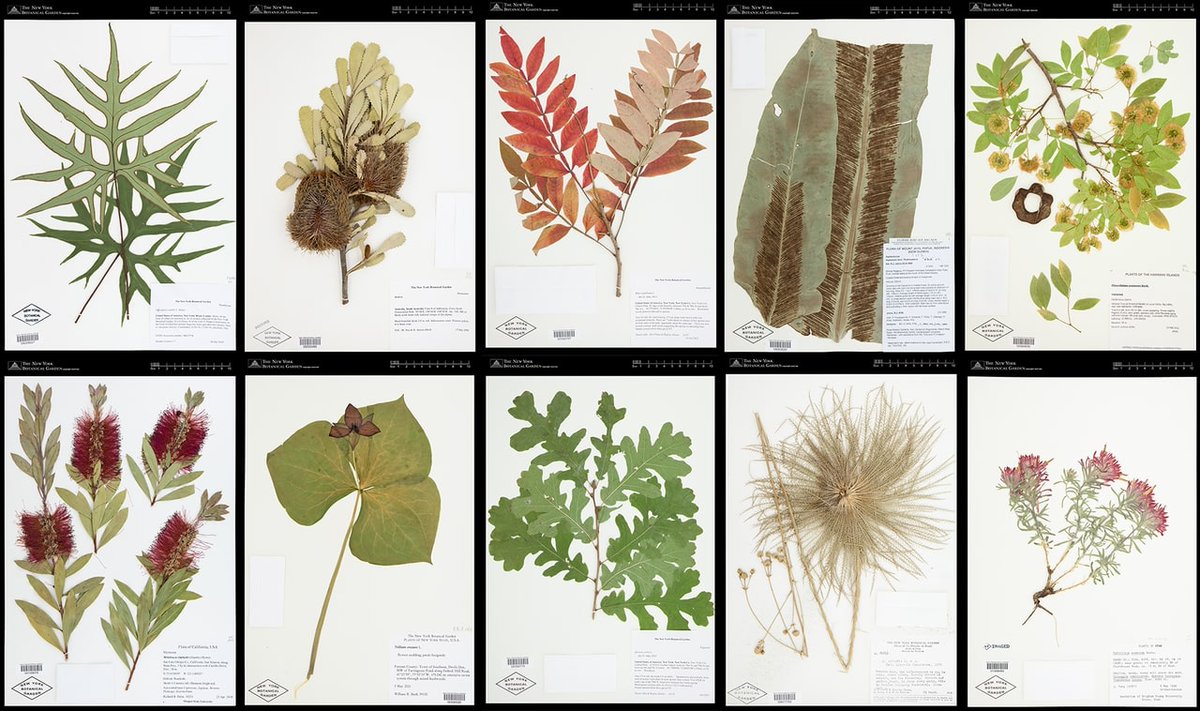
🌿 Herbarium 2021 Half-Earth: A large dataset of herbarium specimens for automatic taxon recognition.
It includes more than 2.5M images representing nearly 65K species from the Americas and Oceania that have been aligned to a standardized plant list.
https://t.co/41yla9UGSu
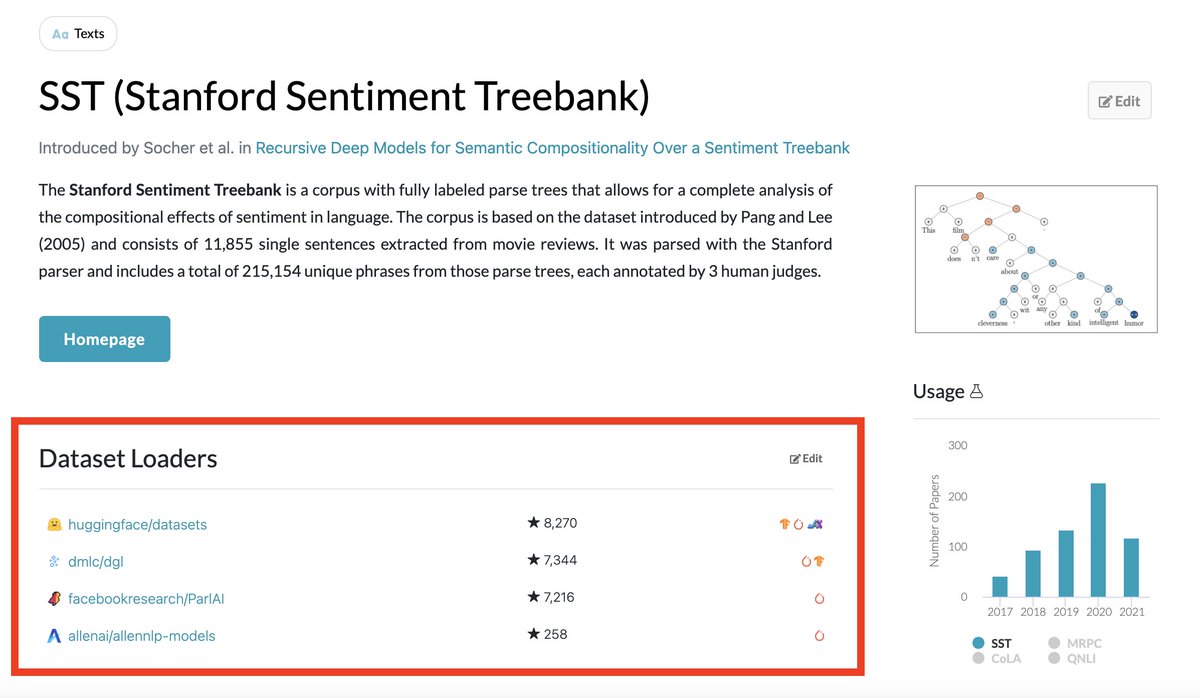
✨ New Feature: Dataset Loaders! ✨
Easily find code to load datasets in your preferred framework!
Supporting: @huggingface datasets, TensorFlow datasets, OpenMMLab, AllenNLP, and many more libraries!
Example: https://t.co/23iztGxyBV
If you have less than 3 hours to spare & want to learn (almost) everything about state-of-the-art explainable ML, this thread is for you! Below, I am sharing info about 4 of our recent tutorials on explainability presented at NeurIPS, AAAI, FAccT, and CHIL conferences. [1/n]