A nonprofit organization providing education about how web3 is transforming the infrastructure of the web, replacing closed platforms with open #DePIN protocols
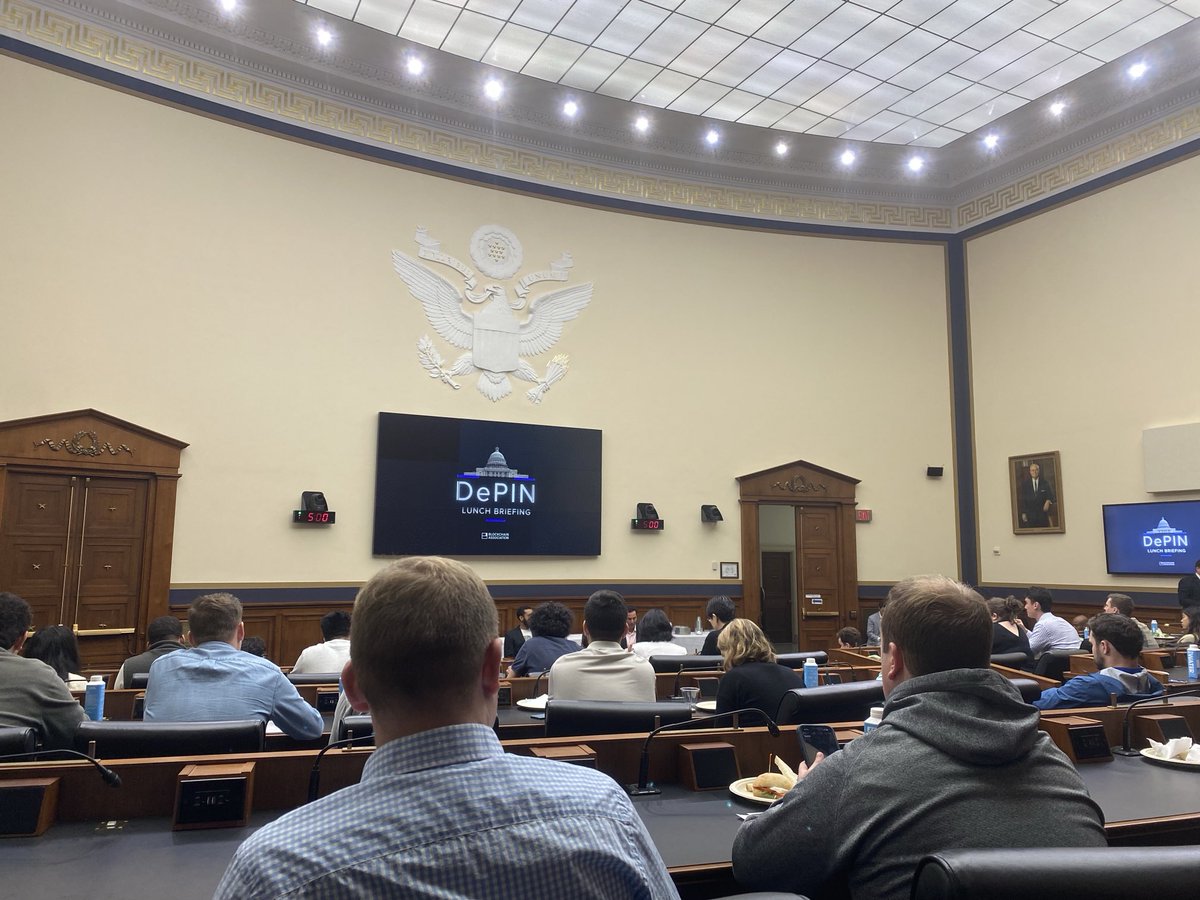
Great day on Capitol Hill supporting #FIT21 on behalf of the #DePIN sector!
Our message: Web3 infrastructure requires Network Tokens
Thank you to everyone working to ensure the tech sector stays in the US 🫡
DePIN founders
if you'd like your latest updates (beyond whatever's public) to be included in this year's State of DePIN report
dm me or @dylangbane to schedule a chat
who is creating onchain content on tiktok and instagram? drop your profiles below so I can follow.
types of content that will perform 10x:
- videos on how creating onchain is making you money
- videos on how the offchain systems are broken
- videos on how to build onchain apps
For years many builders in the blockchain space worked to try to get recognition that onchain protocols that coordinated compute resources were:
1) Distinct from financialized digital asset protocols. They weren't trying to be money, nor were they trying to facilitate an alternative financial system. (Despite those being admirable and necessary goals.)
2) Able to be used to form open and independent infrastructures, that could serve as building blocks for preserving and ensuring and independent internet outside of the walled gardens of the big tech platforms.
Initially some terms we used for these protocols were "work protocols", "resource allocation protocols", and even "web3" itself. We worked with many projects to form the @web3index to highlight the fees earned by some of these networks, and even collaborated on the @web3wg to educate the mainstream and regulators about these concepts.
Eventually, the label DePIN (Decentralized Physical Infrastructure Networks) emerged, coined by @Old_Samster at @MessariCrypto, and then was evangelized by firms that helped capitalize the space, such as @multicoin and others. This label became a popular catch all for both edge physical infrastructure coordination, such as wireless connectivity points and automobile censor networks, but also for datacenter based compute resources like storage and GPUs.
Lately, I've been getting asked many questions from the media, around whether DePIN is now a played-out narrative, because it's been echoed through two cycles. Or what types of projects constitute "real DePIN's", versus ones that are just trying to latch on to the category?
I would strongly recommend that people stop thinking about DePIN as "a narrative" or "a category", and instead put their thinking hats on and look at the purpose, merits, and distinction of each individual protocol and its accompanying incentive design. A network that is incentivizing the wide deployment of millions of wireless access points on specific hardware requires very different mechanisms than a network tapping into idle GPU resources to make available for AI inference on demand.
If you value open an independent access to these types of resources, and believe that alternatives to a few big tech incumbent provided platforms will be good for accelerating fair and global innovation, then let's support, challenge, and build these projects and protocols...rather than worrying about whether the correct DePIN label is applied and whether the narratives are getting old. Lots of work to do - let's go! 💪
2/ Hear more about how KYVE got started, how it's becoming the foundational data layer for leading chains, & more in @RieweFabian’s full video interview by @web3wg 🔎⤵️
https://t.co/vRz26k9I9h
1/ From taxes to performance dashboards & even marketing analyses, historical blockchain data is at the heart of it all 💚
⚠️ Yet, many chains still overlook the importance of decentralized, permanent data storage & reliable accessibility.
KYVE can handle this for you 💫
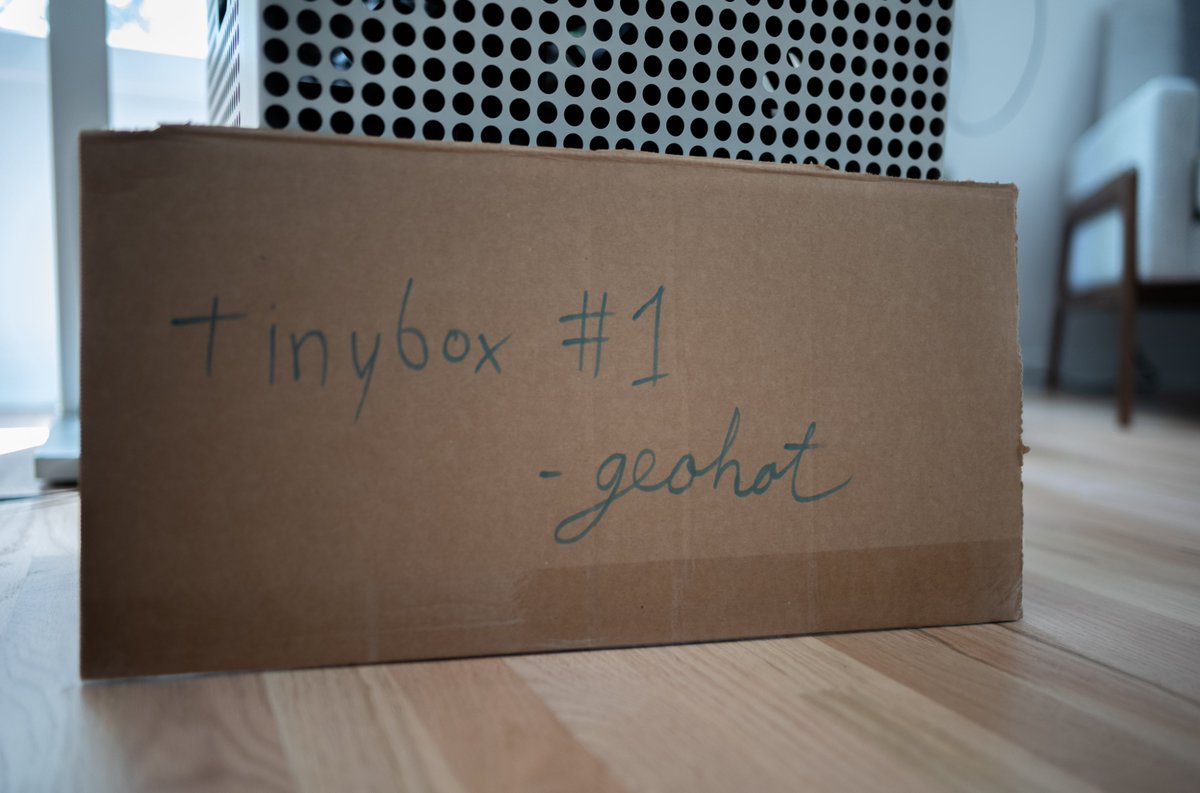
Excited and honored to be the recipient of the first-ever Tinybox built by @realGeorgeHotz and the @__tinygrad__ team.
NVIDIA's monopoly on AI GPUs is not only dangerous for society but also unhealthy for the market. Tinygrad is on a mission to fix that, and I'm glad to support that mission.
Taking the box out for benchmarking and will make it available for y'all to play around with on @akashnet.
Catch our Co-Founder @RieweFabian on @web3wg’s latest podcast, speaking on Web3’s ongoing challenges & KYVE’s key role in the infrastructure of it all! ⤵️
Decentralized systems are not inherently more risky but are also not inherently safer, the nature of the risks simply change and understanding the nuances is 🔑
Why today's internet sucks: Big Tech monopolies are ruining the internet and creating an adpocalypse
Internet native value transfer protocols like #Bitcoin let us fix the incentives to foster more competition and better monetization.
Looking to learn about web3?
Our basics series covers:
• what's wrong with web2
• what is web3
• what is public key cryptography
• what is blockchain
• what is web3 infrastructure (DePIN)
• self-custody
What else should we cover?