Israeli and Czech scientists recreated the coronavirus’s evolutionary journey in a test tube - revealing the conditions that can produce highly contagious variants >> https://t.co/ncXuJQjd3G
Congratulations to Prof. Maya Schuldiner, Dean of the Weizmann School of Science and a faculty member in the Department of Molecular Genetics, on her election to the Israel Academy of Sciences and Humanities.
@IsraelAcademy
Weizmann Institute researchers from @ZivShulman lab discover immune memory cells capable of producing antibodies against cancer - a finding that opens new avenues for future cancer vaccines >> https://t.co/K7IcMiXEiu
Scientists at the Weizmann Institute of Science and the @HebrewU discover how chiral molecules break symmetry, offering new clues about the origin of life on Earth >> https://t.co/B3n1gaE3Uw
Weizmann Institute and @HebrewU_heb scientists have discovered that stem cell maturation can also serve as an immune defense mechanism >> https://t.co/kin6iAhzPX
@NatImmunol@bitonm
Novel molecular marker may improve prostate cancer treatment: Weizmann-led international team uncovers a key mechanism of treatment resistance and points to a potential combination therapy >> https://t.co/8BwX0inma9
Congratulations to Dr. Sergey Semenov of the Molecular Chemistry and Materials Science Department, upon being awarded the 2026 Blavatnik Award for Young Scientists
@BlavatnikAwards
Congratulations to Prof. David Peleg of the Computer Science and Applied Mathematics Department, upon being awarded the 2026 Edsger W. Dijkstra Prize in Distributed Computing
Congratulations to Prof. Irit Dinur of the Computer Science and Applied Mathematics Department, upon being awarded the 2026 Landau Prize in Computer Science
Congratulations to Prof. Ronny Neumann of the Molecular Chemistry and Materials Science Department, upon being awarded the 2026 IUPAC-Soong Prize for Sustainable Chemistry
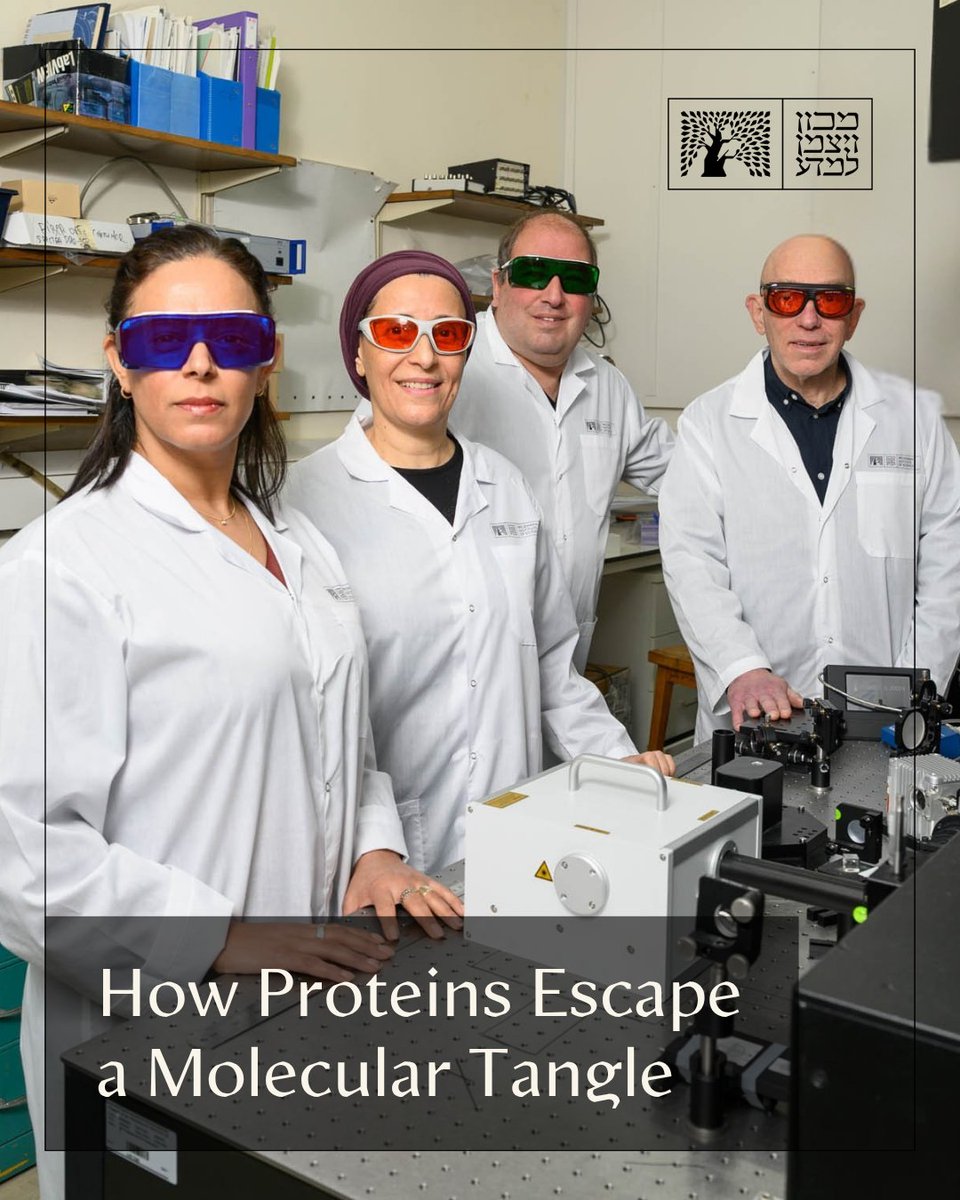
A new study from Prof. Gilad @HaranLab reveals how energy-efficient cellular machines rapidly untangle misfolded proteins – a finding that may help improve the design of artificial molecular machines >> https://t.co/HKNqVXIWUn
@NatureComms
We’re proud to congratulate Prof. Reshef Tenne of the Department of Molecular Chemistry and Materials Science, upon receiving the Israel Prize in Chemistry Research and Chemical Engineering, in a ceremony held this evening at the ICC in Jerusalem.
This issue features a paper by an int’l team led by Weizmann’s Prof. @samuels_yardena, examining the extensive heterogeneity between cells within a tumor, how these internal differences affect the ability of the immune system to recognize cancer - and why they also limit the success of current cancer therapies
New issue alert👉https://t.co/uP2kI6DjtL
On the cover: For the Hallmarks of Cancer's 25th anniversary, the cover illustrates its enduring impact across the cancer research community, uniting scientists, clinicians, patients, and educators to drive progress.
Congratulations to Prof. @KarinaYaniv of the Department of Immunology and Regenerative Biology, the new Scientific Director of Systemic AngioCardioScience at the Helmholtz Institute for Translational AngioCardioScience
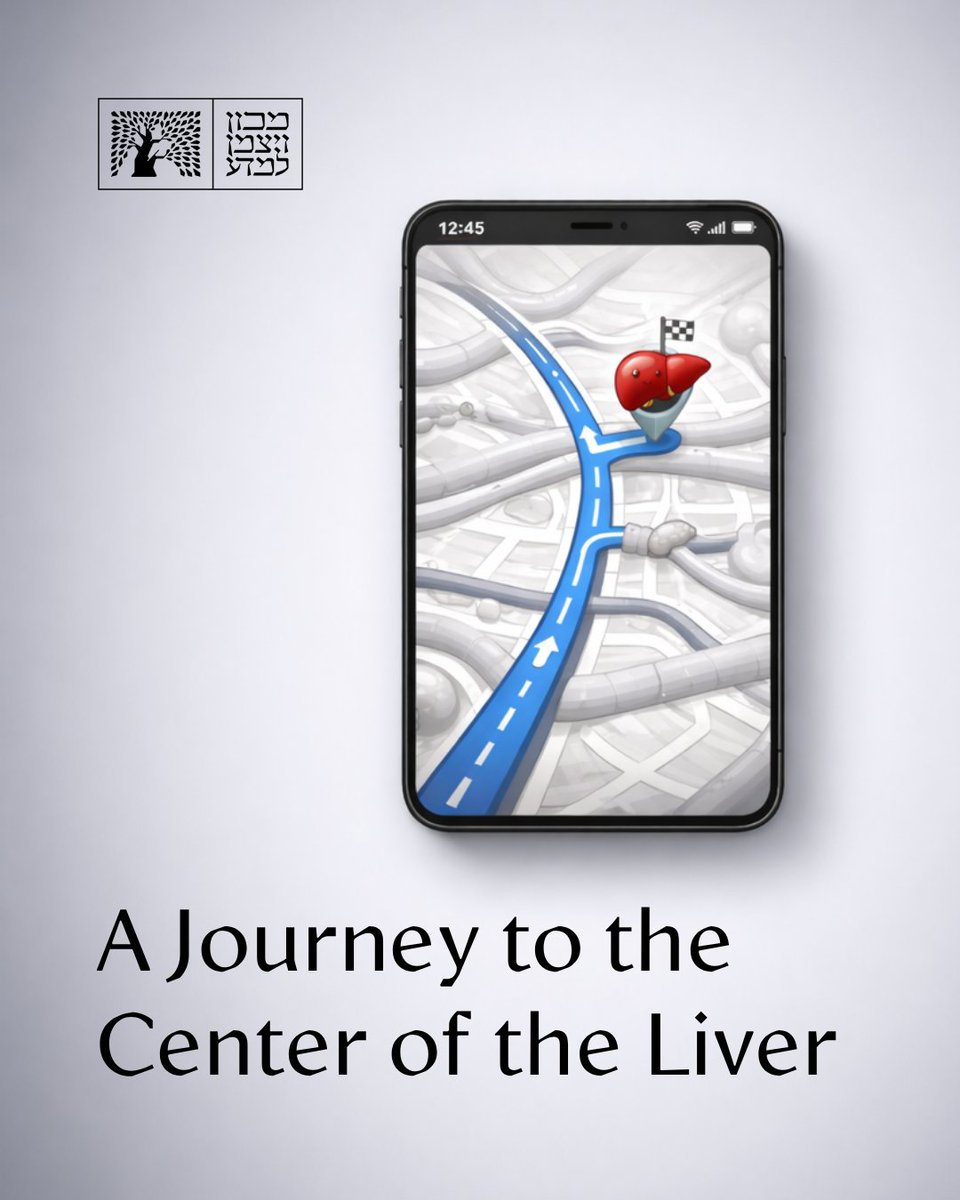
A first-of-its-kind genetic atlas from Prof. @SItzkovitz's group reveals how human liver cells divide their labor - and why some regions are especially vulnerable to fatty liver disease >> https://t.co/MEUNXm1nLO @SHEBA_@MayoClinic@Nature
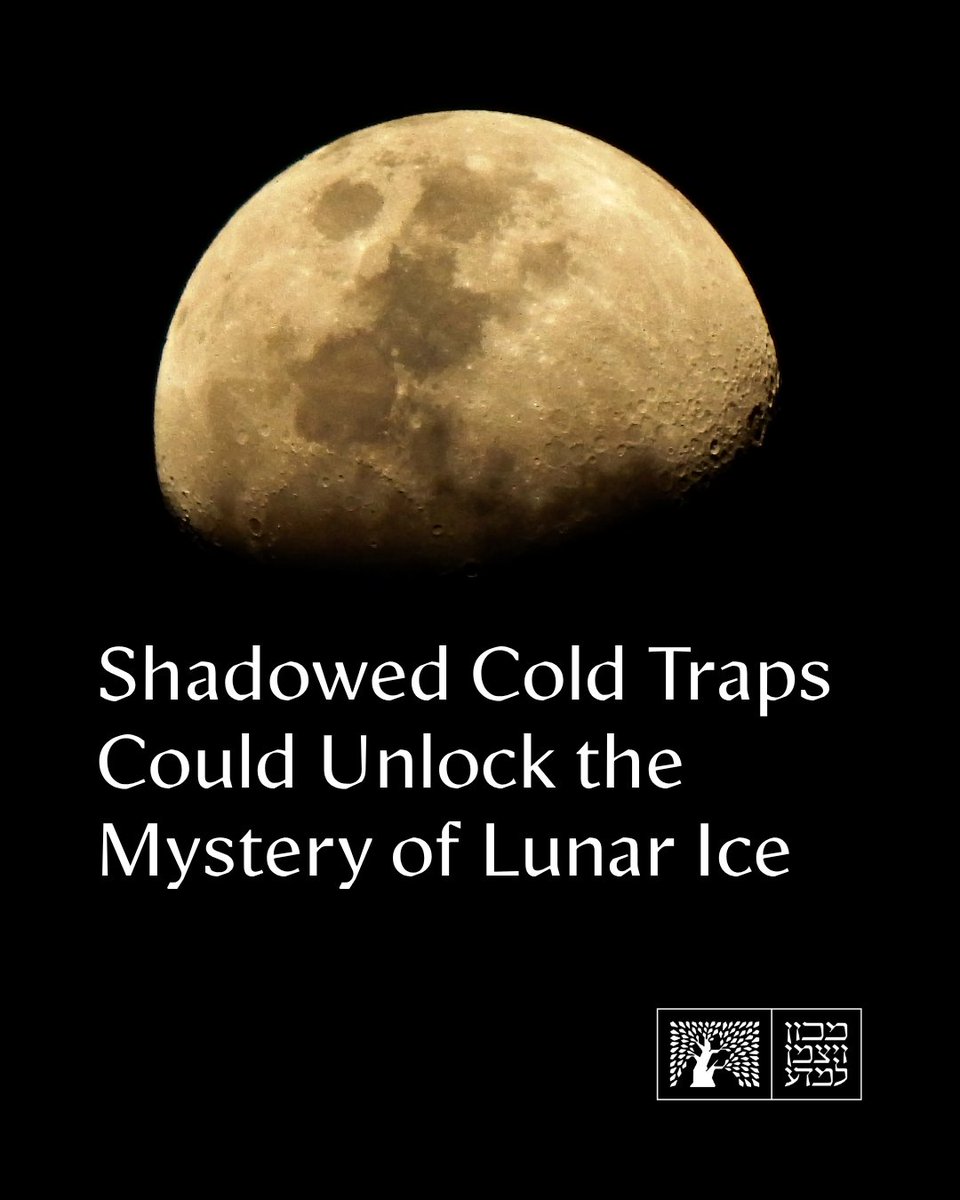
In a new study published in @NatureAstronomy, Weizmann's @odedaha and colleagues present evidence that ice has been gradually accumulating on the Moon for at least 1.5 billion years >> https://t.co/hsjq0sNR0x @EPS_Weizmann@PlanetsAtWIS
Weizmann Institute scientists from Prof. Ofer Feinerman’s group reveal how weaver ants "think" as a group and link their bodies together to "zipper" the treetops >> https://t.co/hB7jBmVTW0
@feinermo
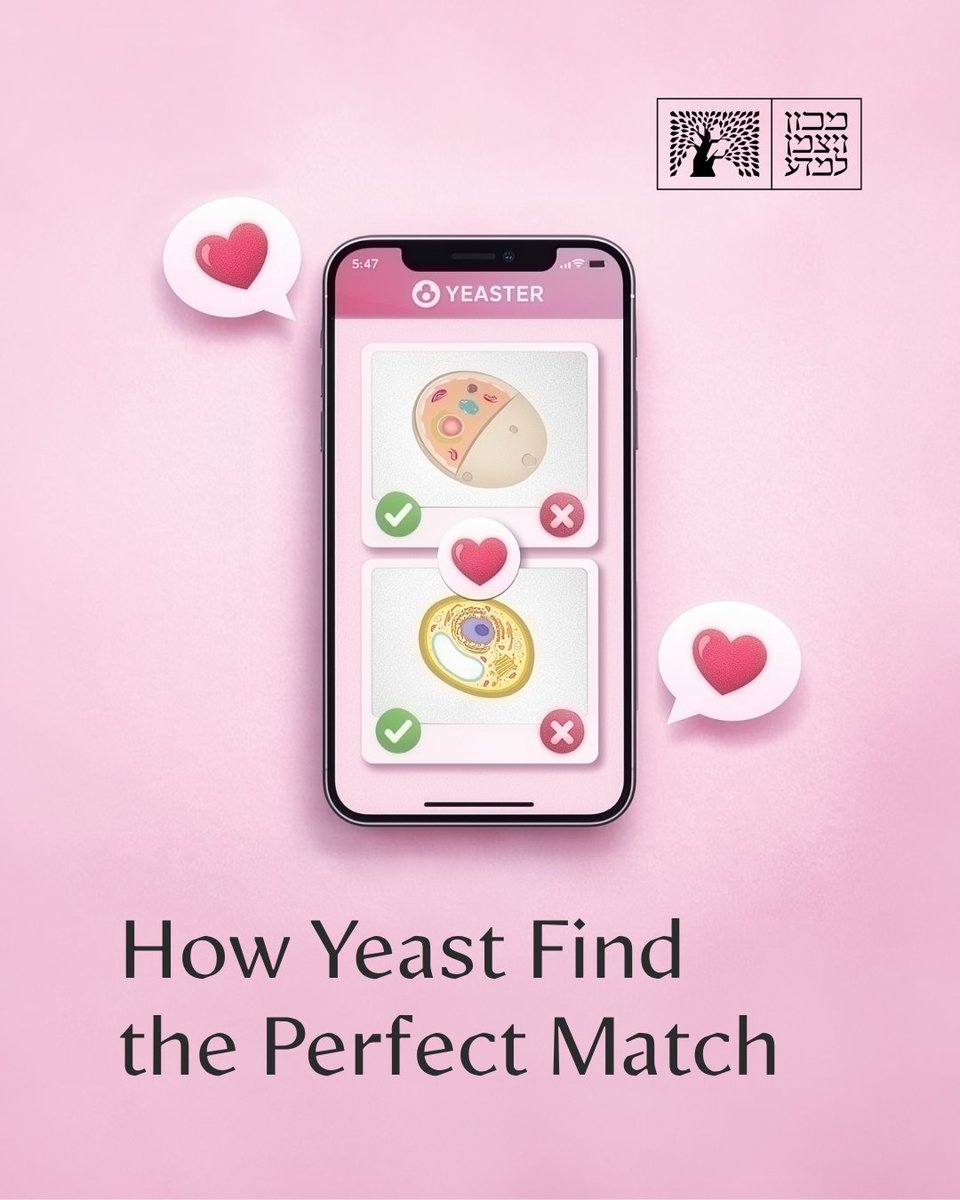
A new study in Prof. @TPilpel’s lab, published in @CellReports, shows that yeast cells do not mate at random: they tend to choose partners that increase their offspring’s chances of success >> https://t.co/NKIfwF7OJk