NEW FORMAT UNLOCKED ‼️
MTRX Movies - Grey's Anatomy Edition 🍆
Steal from real TV shows,
Then do it better with AI!
All you need:
- A villain they love to hate
- Expensive-looking sets
- A script worth watching
We WILL be the best at drama ads,
Mark my words.
#MTRXMedia
I rebuilt this viral 2.5d animation style completely in claude ($20) and blender ($0)
this is the whole production pipeline plus (FREE KIT IN THE ARTICLE BELOW)
1. claude writes a script from a story you give it
2. elevenlabs turns it into a voiceover and ffmpeg cuts the dead air
3. whisper logs the exact moment every word is spoken
4. the characters are drawn with CODE on an html canvas so the face never changes between shots
5. three.js plans where the camera goes on every frame
6. a pyhton script builds the 3D world in blender with ink outlines to match the characters
7. blender renders it on YOUR gpu to save claude usage
8. claude downloads real sound effects from websites automatically
9. whisper word times turn into 1 to 2 word captions
10. ffmpeg glues it all together with a soft glow
11. one .bat file runs the heavy parts on your pc so you dont burn your claude usage
i studied 33.000 + frames of the original channel to build this
the full breakdown and the free kit are in the article below
this animation style is about to go viral on youtube
i made a prompt that lets u create it inside opus 5.5
note : this prompt is highly focused on low end pcs and models so everyone could make videos with ai
proceed with caution
am giving the prompt below for free as always
here's the prompt ->
<inputs>
Ask me for: the story (a true event, a legend, a "what if", or just a topic and you pitch me 5 story ideas), the length (default 60 to 90 seconds, or a 10 second test scene), and the voice (I upload my own voiceover, you write a script for me to record, or captions only with no voice). Then ask if I am uploading a sound effects pack and any reference frames. Everything else you decide from the story: the cast, the era, the sets, the palette. If I upload references, study them at full size and zoomed to pixel level before drawing anything.
</inputs>
<direction>
Turn any story into an animated short that looks like an old hand-inked cartoon cel, drawn fully in code. No AI image or video generators, no stock art, no photos. Design a new original cast for every story. Never copy a character from my references or from any existing channel. Historical figures are fine as caricatures. Never draw a real living person.
The style is fixed. Only the story, cast, sets and palette change.
LINE. Thin dip-pen ink, about 3 to 5 px at 1080 wide. Strokes swell with pressure and end in points. Ink is warm sepia-black (#170b08), never navy or pure digital black. The finest strokes go dark red (#4d140a) and slightly see-through. Outlines wobble a little. Never thick, even, sticker-style outlines.
COLOUR. Flat fills, no gradients on characters. Pick 4 or 5 colours per video from the story's world and lock them: one blue (cobalt or periwinkle), one warm skin tone used for the whole cast (hot pink, salmon or orange-red), one pale (cream or lilac), and one or two accents (gold, red, green). Skin gets one darker tone where something throws shade and one lighter tone where fat or bone catches light. Nothing else.
CAST. Caricature, not anatomy. Give every character one silhouette and one feature you could recognise from across a room: a huge jaw, a long nose, a moustache, gold teeth, a hat, a hairstyle. Heads are big lumpy masses with small features crowded in the middle. Vary the build across the cast: one huge, one thin, one short. Leads get full detail. Extras get the same line with fewer marks. Age and weight are drawn as structure: jowls, a second chin, deep nose-to-jowl folds, stacked bags under the eyes, wrinkles that follow the skull. Eyes are small with a hooded lid, lilac whites and a thick lash line. Facial hair is solid black or pale with barbed edges.
TEXTURE. Short ticks and dots, never long hatching. Rows of small dashes for fur, wool and knit. Tick marks and pores on skin, bristles for stubble. Patterned cloth gets real pattern: plaid, brocade scrolls, medallions, florals. Stone gets broken course lines and branching cracks. Wood gets grain ticks and plank seams.
HANDS. Two separate hands, one lit and one in shade. Padded finger joints, crease ticks at the knuckles, a short dark nail that stops at the fingertip, knuckle bumps, and a ring where the character would wear one.
SETS. Build each location from the story: throne room, street, farm, ship, courtroom, market, battlefield. Light is always two flat tones split by hard diagonal edges. At night, lit surfaces are pink or salmon and shadow is cobalt, under a pale moon with a soft halo. By day, the sky is pale blue, sunlit surfaces are warm and shadows are blue-violet. Interiors get one shaft of light from a window or door, falling as a warm patch on a cool room. Add one sparkle glint on any lamp, coin or blade. Behind a close-up, throw the set out of focus.
PROPS. Every noun in the script gets a visual. Money, letters, weapons, food and animals are drawn in the same ink and flat colour, never left as words.
EXPRESSIONS. Give each lead at least five heads: neutral, blink, anger, smug or joy, shock. Add grief or fear if the story needs them. Open mouths are fully drawn: lip rim, dark interior, tongue, both rows of teeth one by one, gums on a grin. When a mouth opens, the jaw really drops and the chin, jowls and beard go with it. Shock is big lilac discs with pinprick pupils. Anger is small pupils, brows driven down, flared nostrils.
FINISH. Run every frame through an old-cartoon pass: soften the ink by about 1 px, then an unsharp pass (radius 5, 60 percent) so each stroke gets a faint pale rim. Add slow, slight mottling to flat fills. Blur the colour channels more than brightness and shift them 2 px off-register. Gentle bloom, warm tone, blacks lifted to deep brown, a light vignette, fine grain in brightness only. Fills stay smooth.
</direction>
<structure>
1. Script. Open in the middle of the worst or strangest moment, in present tense, in one line. Then who this is, what they wanted, the turn, the twist, and one closing line that lands the point. Short sentences. About 3.5 words per second with almost no pauses, so 60 seconds is about 210 words. Check every fact in a true story and tell me anything you could not confirm.
2. Title. "He [did X] for [Y]" or "How [someone] [outcome]". Give me three options.
3. Shot list. Break the script into clauses. Every clause gets a shot with four things: who or what is on screen, an expression, a body action and a camera move. If a clause cannot be acted out, rewrite the clause.
4. Shot rhythm. Cycle close-up, wide, prop insert, reaction. Never hold the same framing for two shots in a row. Put a second character reacting on screen in at least a quarter of the shots.
5. Pace. The picture changes about every 2.3 seconds, something new starts about every second, and something moves in at least 95 percent of frames.
6. Camera. Never still: push-ins, drifts, orbits around a set, punch-ins on reveals. No hard cuts. Move between locations with a zoom-whip or blur-whip of 4 to 6 frames.
7. Acting. Pose changes snap in one frame and overshoot on a spring. Calm is slow breathing and a blink. Smug is chin up, head cocked, a silent chuckle. Shock is head back, body recoiling, hands flying off what they hold. Anger is a fist up, head forward, chest heaving. Grief is head down, shoulders dropping, slow. Faces change every 0.3 to 0.8 seconds while a character is on screen.
8. Life in the background. Something always moves behind the action: smoke, embers, birds, water, flags, a crowd.
9. Captions. Bold rounded yellow (#ffe21a) with a dark outline, lower middle of frame, 1 to 3 words, timed to the spoken words. Each chunk arrives dim for 3 frames, then goes full.
</structure>
<build>
1. Python writes SVG, rsvg-convert rasterises it, Pillow and numpy composite the frames, ffmpeg encodes. 1080x1920, 30 fps.
2. If there is a voiceover, time every word first (Whisper if it is available, otherwise ask me for the script and spread the words across the audio by length) and hang every shot, action and caption on those word times. With no voice, use about 1.1 seconds per caption chunk.
3. Write one ink function that turns a point list into a filled, variable-width polygon: Catmull-Rom smoothing, pressure modulation, tapered ends, slight wobble. Draw every line with it. Never use SVG stroke.
4. Write the reusable kit once, then build each story from it: ink, ticks, dash rows, fur, cracks, masonry, scrolls, medallions, fingers, teeth, eyes with a lid, and a jaw-drop warp.
5. Jitter polygon edges so shapes look hand-cut. Use a fixed random seed, reseeded at the start of every body part, so each part redraws identically on every frame and only what you change moves.
6. Build each lead as a jointed cut-out rig: body, each arm, collar or shoulders, one head per expression, hands, plus any extra pose the script needs. Each part sits on its own transparent layer with its own pivot, on a canvas padded left and right, rendered at 2x. Extras can be single drawings with a breathing bob.
7. Build each set in depth layers (foreground, mid, back, sky) so the camera gets parallax when it moves.
8. Per frame, pose the joints, multiply by the camera matrix, and draw each layer straight to the output size with one affine transform. Apply the finish to the whole composed frame, then burn the caption on after it so the text stays crisp.
9. Encode one mp4 per shot with libx264 at CRF 17, put the whips inside the shot files, then join with the concat demuxer and stream copy. Add sound last with the video stream copied.
10. Sound. If I upload my sound effects pack, use it. One effect per event (whoosh on a whip, sting on a shock, hit under an impact, chime on a reveal), each peak on its impact frame, about 8 per 10 seconds, all under the voice.
</build>
<gotchas>
Thick brush outlines make it look like sticker art. Normal face proportions read as generic cartoon, so exaggerate the head and shrink the features. Long flowing hatch strokes are wrong; use ticks, dots and dash rows. Two characters with the same silhouette will be confused, so change the build, hat or hair. A nail drawn past the fingertip turns a hand into a claw. A beard or moustache will cover a grin unless the smile is wide enough to clear it. Tight close-ups hide hands and raised arms, so pull wider whenever the body is acting. Clamp the camera so it never shows past the edge of a set. If the whole drawing shimmers between expressions, a part is not being reseeded. A puppet rig cannot turn a head or change a silhouette, so every pose that changes the outline needs its own drawn part. Do not reuse a cast or a set from one story in the next, or the videos will look mass produced. Keep captions clear of faces and hands. If I gave you references, compare your stills against them side by side at pixel level, give me an honest percentage for how close each is, and list what still gives it away. Do not round up.
</gotchas>
<start>
Ask me the inputs. Then show me, in this order, and wait for my yes at each step: the script and three titles, the design sheet for the cast and sets with the locked palette, and the shot list with a contact sheet of one still per shot. Then render the video and tell me anything that came out weaker than planned.
</start>
NEW FORMAT ALERT: our team made an old Disney ad with AI.
Castles, songbirds, storybook pages and a skeleton drawn like an old anatomy sketch, all for a bone health brand that sells to women over 60.
These are going to work because they look VISUALLY different to anything else in her feed, and it's a style she grew up watching.
It's brand new and launching now, so I'll come back with how it does.
Pas de script, pas de voix off, pas de montage. Un bloc de texte posé sur 10 secondes de vidéo, et ça fait un concept qu'on voit partout et qui fait parfois des gros ROAS.
Challenge 1 JOUR = 1 CONCEPT CRÉA
Jour 6 : le Shortform textuel
Breakdown en dessous 👇
Horizontal vs. Vertical Ad Iterations (how to make new winners in under 30 seconds):
You have the following variables (vertically):
- Structure
- Format
- Persona
- (Sub-Persona)
- Angle
- (Sub-angle)
Across those, horizontally, you have all the different proven elements from your account/competitors:
- Structures: timeline, ranking, 2 mistakes, etc.
- Format: movie drama, AI doctor, Pixar song, etc.
- Personas: menopause woman, stressed dad, etc.
- Angle: parasites, high cortisol, bloating, etc.
If you have a winning ad on one of those verticals, multiply across the rest horizontally first before going to another layer.
So in simple terms:
1. You have a winning ad: timeline ad for menopausal women about bloating, as a Pixar song.
2. Make the same ad but across all the other winning angles you have: parasites, high cortisol, etc.
3. Then you can do the same with the other verticals: recreate the same ad, but across all your winning formats, then personas, and so on.
Pro tip: when deciding which ways to remake the ad (which angle? which format? which persona?), do an analysis of all the ads you've launched to those individual buckets and determine:
1. Which ones have spent the most
2. Which ones have the best efficiency (NC ROAS)
...So for example: you might find that your high cortisol ads spend more. I'd start with iterations there.
^^^ overcomplicating it a little bit tbh, but just brain-dumping the thought process behind this.
Just a different way of looking at all the iteration possibilities you have.
the best customer in this ad is the one who refuses to be sold.
scandi (a whitening gum) runs a cartoon where the patient basically dares the dentist to fix her teeth.
here's why it works:
1. the objection is the hook
"bet you can't whiten my teeth without me giving up a single latte."
that's the exact thought a skeptical buyer has. putting it in the customer's mouth makes the ad feel honest, not salesy.
2. she lists the failed solutions for you
"strips, charcoal, LED trays, the strawberry hack. done them all."
everyone who tried one of those nods along. now the product isn't competing with them, it comes after them.
3. the product sneaks in as a throwaway
the dentist doesn't pitch. he just offers her "a chewing gum" and she takes it to be rude.
only after the result does he explain the mechanism: strips bleach the surface, this one "rebuilt it."
proof first, explanation second.
4. the guarantee is written for the skeptic
"since nothing ever works on you, 30 days or every penny back."
the risk reversal fits her personality instead of sitting in the fine print.
the takeaway:
make your most annoying customer the star.
let them say the objection, list what failed, then let the product win while they're not looking.
works for skincare, hair growth, cleaning, anything people already gave up on.
I’m sorry but gotta leak it… the secret to drama ads and story vsls is TENSION of a fall then rise story arc.
There is data for this everywhere but you don’t do it correctly, so watch and learn.
Most important aspects are uncertainty —> then lots of proof (doesn’t need to be social proof. It can be demos, stats & numbers, visuals of it working etc. it just needs to get certainty to a plausible 50% this might work idea in their head).
Fall/low point, deep emotion, and similar connection with avatar. Needs to be a “will they make it or not” high stakes moment. Us vs them aspects, and reptile aspects of threat and disgrace or betrayal, or death, stuff that spikes emotions. And sets the stakes, tbh you can go as hard and aggro with this as you want. The people watching these just eat that shit up.
One thing most people don’t do that BANGS is a near miss then a full win, this just spikes the fuck out of dopamine. Have a product or idea work a little then fall then a new magic ingredient or trick or change and results boost because of the SECRET SAUCE, the one thing “no one is telling you” the “hidden 80 year old secret” stuff like that. It builds proofs and emotion and belief in the story.
The more complete the story structure the more the ad BANGS
setup, rising action, climax, falling action, ending.
> this is just basic, you should add more to this and curate it to your angle and offer. Max all the stats out
In studies where people were curious, their midbrain + nucleus accumbens (the reward circuit) lit up. This is why education with drama works so well when you add open loops. And the ending decides the memory of the product and whole vibe.
▸ Open a loop (curiosity → dopamine circuit) ▸ Drop them in the hole (fall) ▸ Make the win 50/50 (max ramp) ▸ Near-miss once (they lean in harder) ▸ Rise, then end HIGH (peak-end) ▸ Stack another hole if you've got time
People misunderstand dopamine as "feeling good." If your ad is all "rise" (Rags to Riches), dopamine flatlines. You cannot engineer a massive dopamine surge without first dragging the viewer into a hole. AND THIS NEEDS TO BE TRANSPORTATION INTO THE NARRATIVE/STORY in and of itself also. Viewer needs to be in a rollercoaster seat of frame, this type of story reduces thinking, boosts emotion, and lowers argument and indoctrinates the viewer into the idea because THEY are living it. Understand?
The absolute strongest dopamine synthesis trick for max emotion is dropping the viewer into a visceral "fall"
Then w hen the unique mechanism pulls the character out of the hole, the rebound creates a massive positive force that fires up to ~5x harder than the pain of the drop
For peak drama ads you also need peak emotional music, music plays such a big role and so many people ignore it or are too lazy to optimize it.
Sound effects like rising action for climaxes, emotional beats on the backend and higher levels at most important parts. All matter so much.
Finally you need to focus on the data, and what the viewer will feel and curate for that before you launch. You can easily analyze your VSL draft with psywar models to get real brain scan prediction data for how the brain will react on the ad and video stimuli, all for free with a new psywar account.
Curate the VSL on every point that the models give back and then do it again and again. You’ll have a massively over optimized VSL. Much better than if you didn’t. Put in all that effort if you want to obsessively win because that’s how you learn and improve. Also you can basically automate most of this with ai, and even call the psywar models from Claude code directly. It’s never been easier to win
everyone is hiding the sauce on dramas from you behind a paywall
so let me tell you 4 ways to get fresh BANGERS without having to pay or listen to someone gurumaxx for 3hours
1
buy a subscription to all the short drama apps you see on tiktok and ig for one week
sign in on your claude browser
get claude to watch all the top viewed ones
pull structure and story beats
turn it into an ad
if you're tapped in you will see big brands testing this rn across many formats
sketched out slideshow stories with voiceovers, dramas, songs etc
2
get claude to run a search for hot news and big stories that affect your icp
then ask
what does it change for them?
how can you connect it to making their problem worse?
etc, use your medulla oblongata
3
sign into youtube from your claude browser and get it to run a mass search of all the top videos for [problem] or [ingredient] or [whatever you want]
pull comments and transcripts and you will land 100 new stories you can run
but
better to ask:
what are the top 10 beliefs through all the comments?
now you see where to enter and what to break
it works for facebook and other forums as well
for reddit use their built in ai search, it's temperamental with using ai to scrape
4
search up screenplays from top movies through the 90s and early 2000s
anything newer is meh
if newer, go after series instead
run it through claude and ask for the emotional highs and lows
which scenes are showing what and how it translates to your audience
you can compress an entire movie into a 5 minute drama that resonates real nice doing this
bing bong bow
now you don't have to watch the top geezers goon over my ads in private communities and can make them yourself
heres why you should run reality show ads
so many brands are scaling drama ads right now
they give you the conflict and story
but with the reality format you get the same conflict on screen
except every action and reaction gets an explanation from each character's own mouth with the interviews
you have an excuse to stop mid scene and explain whats going on from different perspectives
now you can make stories simulating your customer as the main character and people in their lives as the cast in your reality ad
and at every moment they’re mapping it onto their own life: the problems, the people, the opinions, judgements
you can show their problem and consequences play out and what the people around them think in real time
from the problem to every step of the transformation you get behind the scenes reactions
how people see them at the peak of the conflict vs how they see them after the transformation
and everything in between
the viewer doesnt have to pay extra attention to figure out what anyone's thinking, they tell you in plain words
so the message of your ad is doubled down and doesn't get lost in the story
drama ads still scale, they just make the viewer infer what's going on, this tells them straight up
start running reality show ads alongside them
new skill format is out! ⤵️
the viral playstation 2 low poly story that's currently ripping on organic
give it to your claude or chatgpt and have it make these videos on autopilot
There’s no point learning how to make AI videos anymore
Anyone can use Claude to make better videos than 99% of people and a lot faster
But why are people who can make AI ads so in demand
and why will demand actually increase with agenetic editing capabilities rising
Already the ad scene has turned into a slop fest and that’ll keep happening with more automated ads being pushed out
Everyone’s telling the same story, with the same slop
Competing for the same audience
So the brands that will win will be the ones who push creativity, portray an angle in a completely different way or tell the same story in ads that no one’s ever seen before
Ideation and creativity will again become everything
There’s an opportunity for you to actually make a ton money from this shift that’s coming
Instead of learning AI generation and how to use AI first. Put these skills in first:
>D.R. Marketing
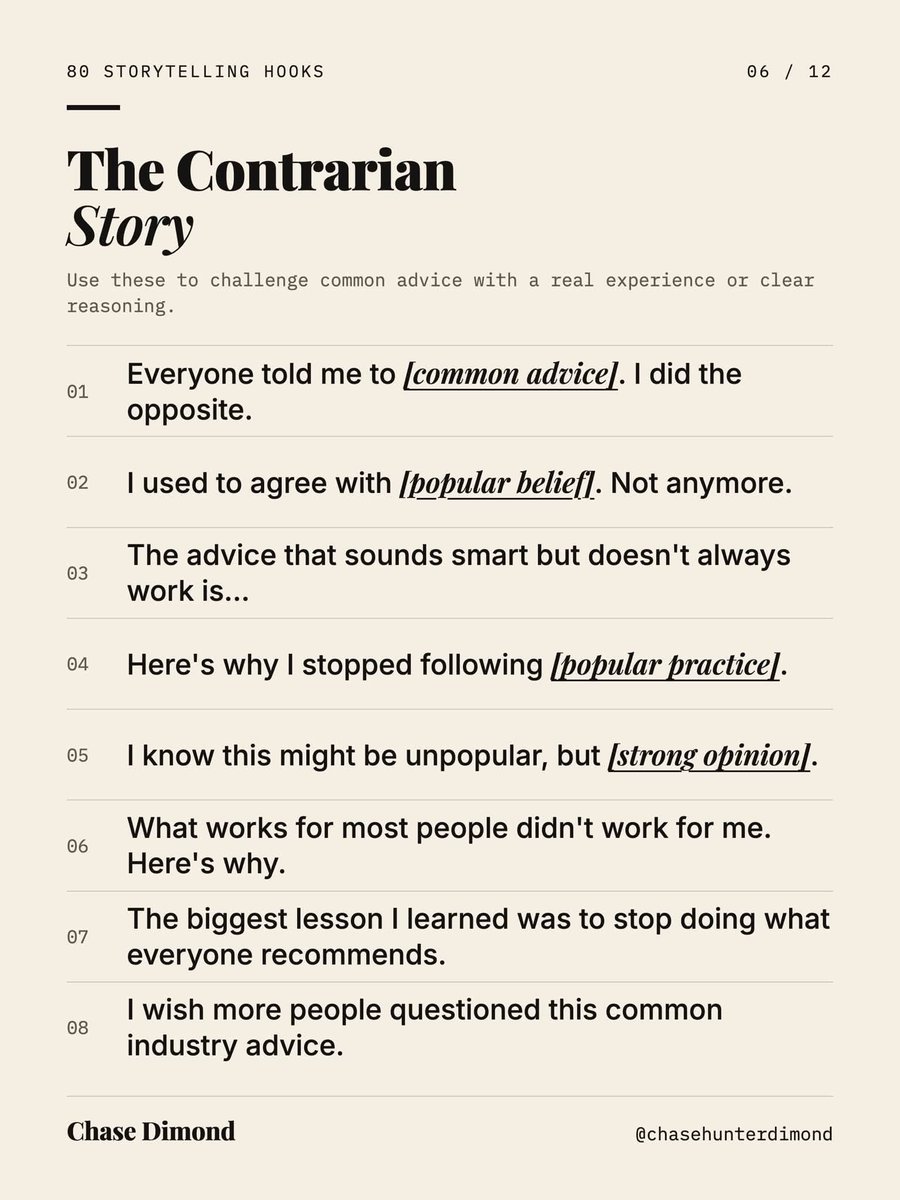
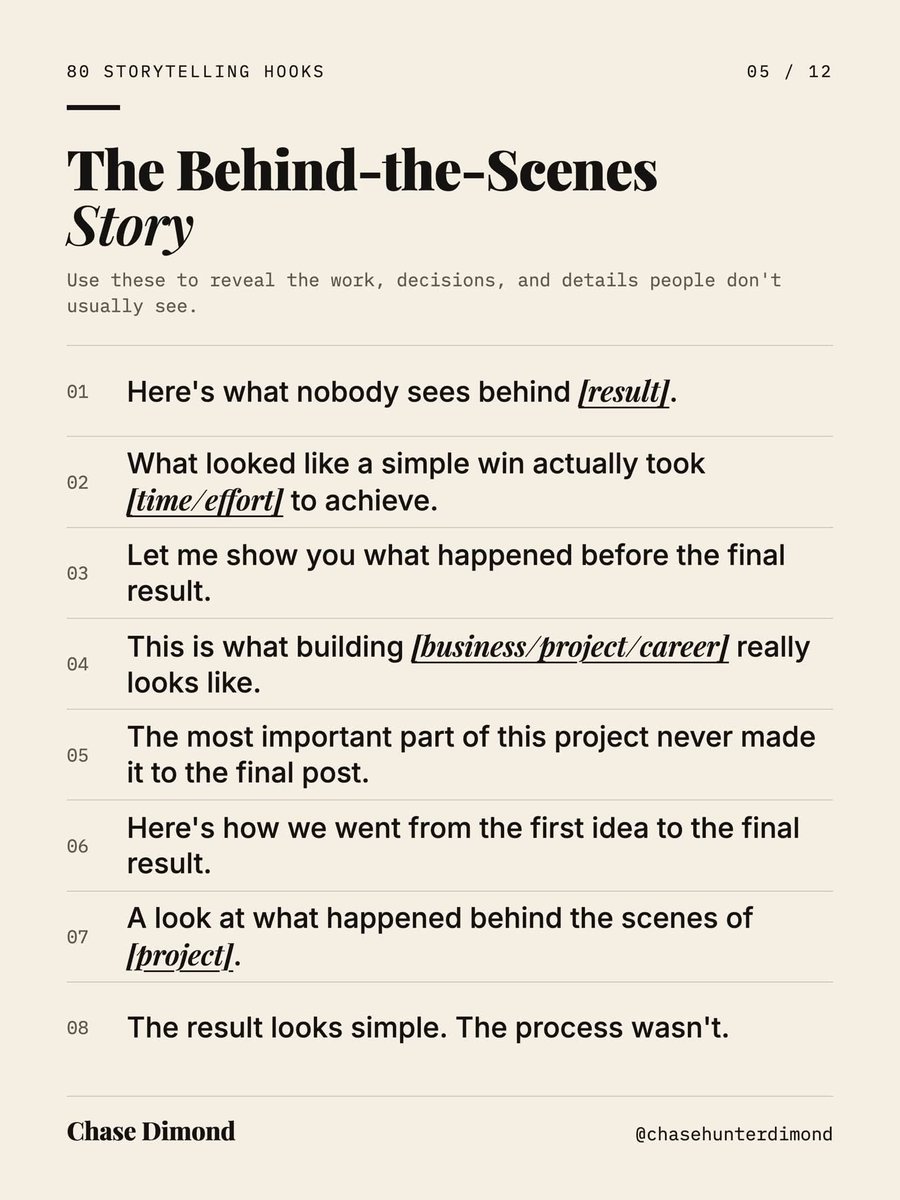
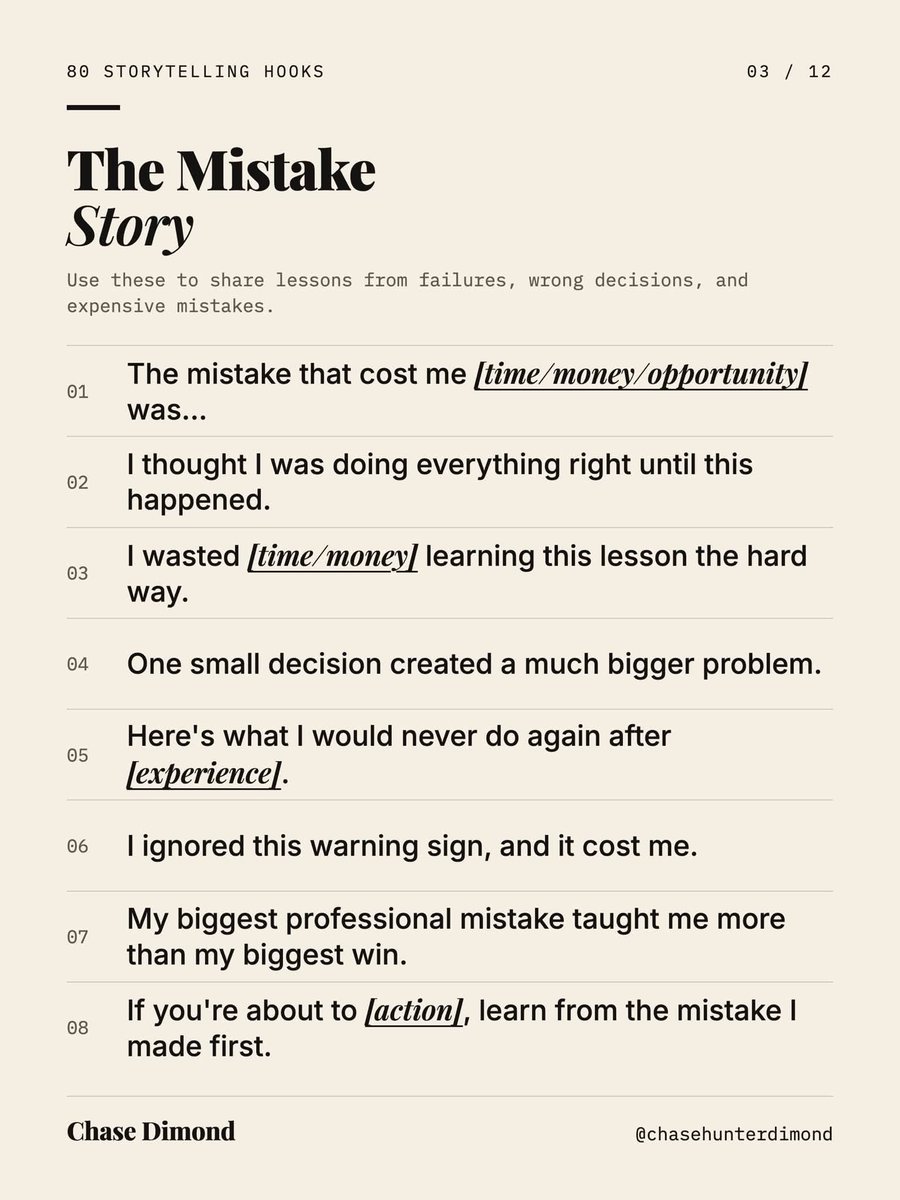
>Story telling
>Creative direction
>Organic virality
>Building funnels
Then second:
>Agentic editing
>Building workflows
>AI video generation
And you will make a lot more money this way