Let's check in on Gerald, whose burps are ending the world.
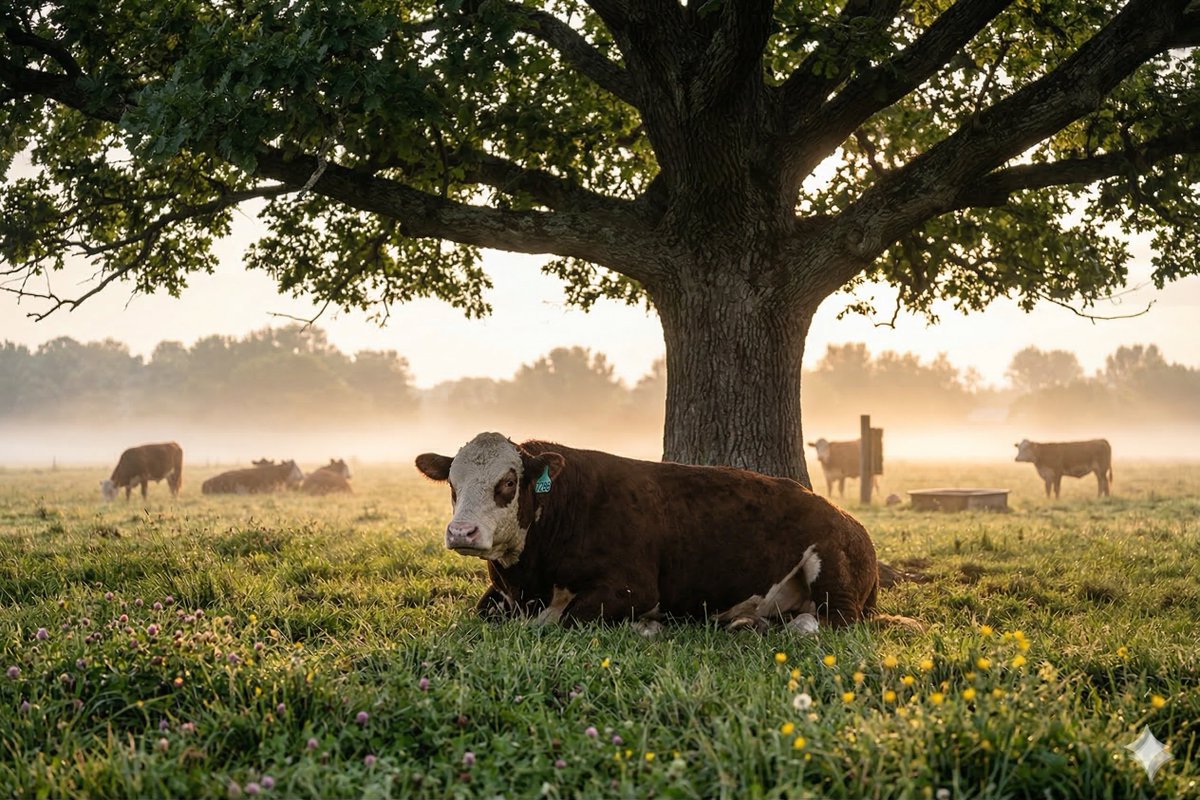
6:02am - Gerald exhaled. Methane entered the atmosphere. The methane came from Gerald's rumen, where specialised microorganisms had been converting grass into usable energy since approximately 4am. The carbon in that methane came from the grass. The grass pulled the carbon from the atmosphere two weeks ago via photosynthesis. The methane will break down, via standard hydroxyl radical oxidation, in approximately twelve years. When it breaks down, the carbon returns to the atmosphere as CO2. The grass will absorb it. Gerald will eat the grass.
This is the biogenic carbon cycle. It has been running on British permanent pasture for ten thousand years. The carbon in it is not new. It was in the atmosphere before Gerald. It will be in the atmosphere after Gerald. Gerald is not adding to it. Gerald is circulating it.
This matters for one specific reason.
Methane is a warming gas. But it only accumulates if there are more and more sources producing it. A stable herd produces a stable methane load. A stable methane load does not increase the atmospheric methane concentration. A methane load that doesn't increase doesn't increase warming.
The UK cattle herd has not increased.
The UK cattle herd is smaller than it was thirty years ago. In 1990 there were approximately 11.9 million beef and dairy cattle in Britain. Today: approximately 9.5 million. The herd is smaller. The methane burden from British cattle is lower than it was when you were at school.
Gerald is not new methane. Gerald is not more methane. Gerald is a stable component of a system that has been in equilibrium for longer than the dietary guidelines have existed.
And then there's the other thing the report didn't mention.
The permanent pasture under Gerald's feet has been sequestering carbon for four years of Gerald's occupancy and decades before him. The soil under British permanent grassland holds more carbon per hectare than almost any other land use in the country. Every cow pat buried by dung beetles is carbon going into the ground. Every root system that Gerald's grazing stimulates is carbon going deeper. The net picture, across Gerald's 40 acres of permanent pasture, is one of a field improving its carbon stock year on year while cycling the same atmospheric carbon it has always cycled.
Gerald burped at 6:02am.
The field is richer for it.
The sky will survive the burp.
The methodology is the problem, not Gerald.
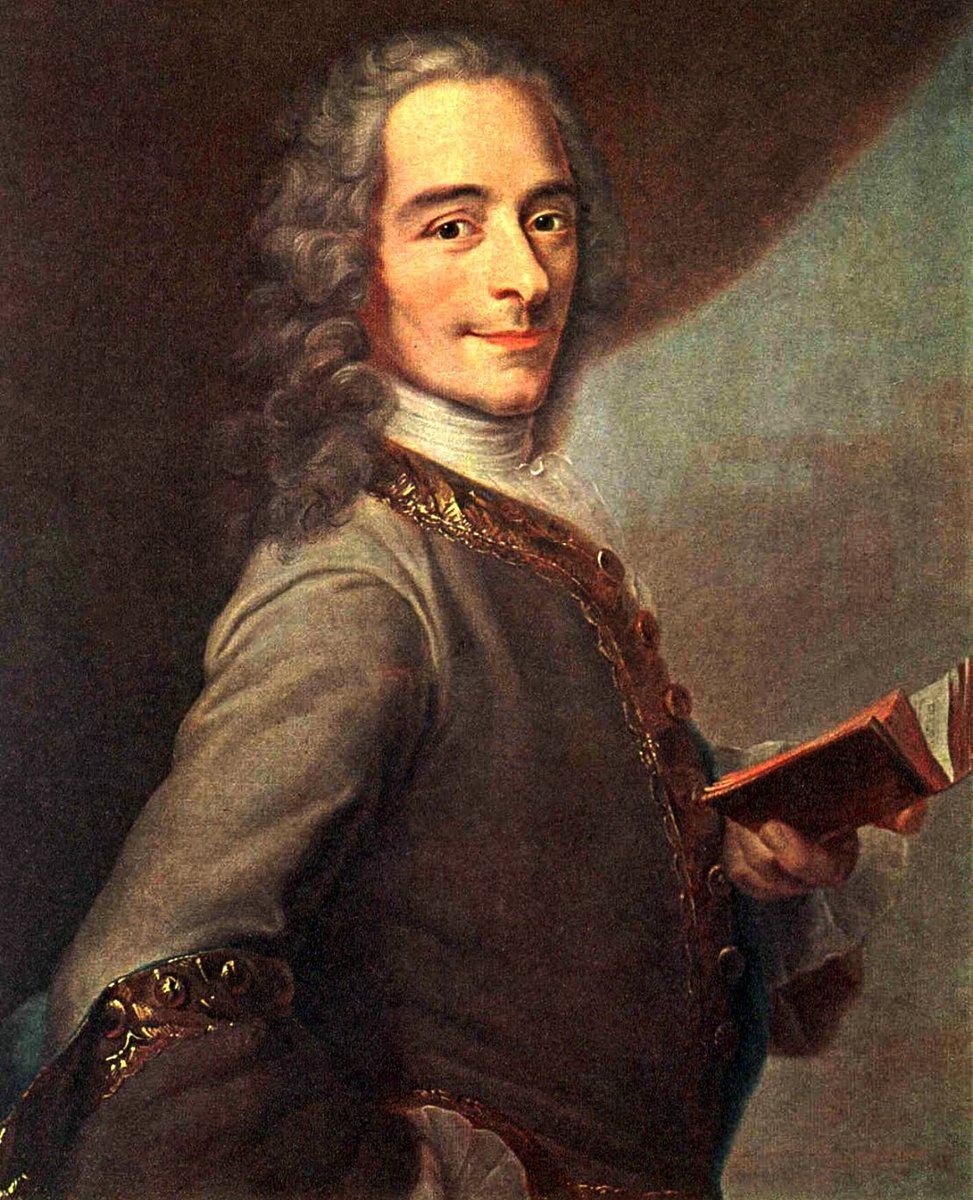
Happy #WorldBookDay2026. The French writer and philosopher Voltaire once said 'Let us read, and let us dance; these two amusements will never do any harm to the world.' 📚
He also drank up to 50 cups of coffee a day, often mixed with chocolate.
I think we're onboard with this.
#Spain
"Today we have awarded the Order of Civil Merit to Gisèle Pelicot.
She made shame change sides and transformed silence into collective awareness."
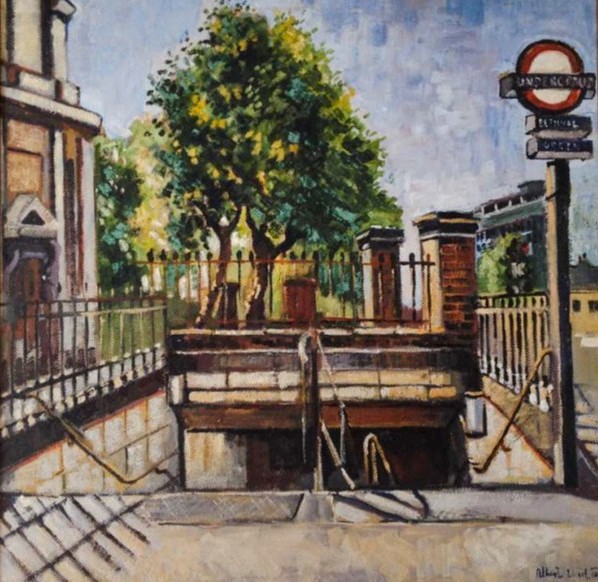
Today is the 83rd anniversary of the Bethnal Green Tube Disaster so here's "Bethnal Green Tube Station" by Albert Turpin from the mid to late 1950s. Albert was Mayor of Bethnal Green in 1946 & I believe that this was his tribute to 173 poor souls who lost their lives that night.
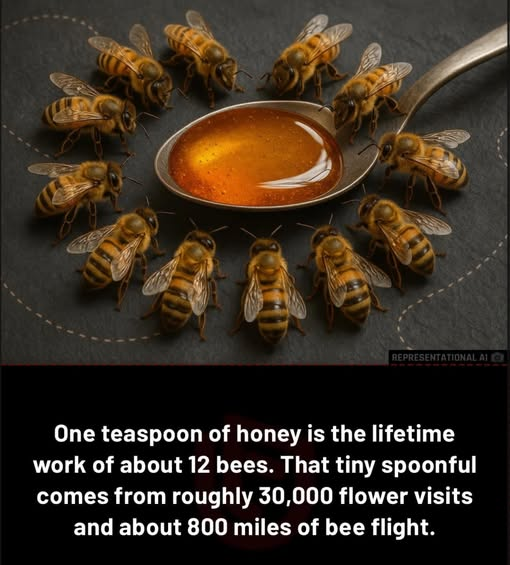
That tiny teaspoon of honey in your tea is more precious than it seems. To make just one teaspoon, 12 honeybees must work together their entire lives, visiting over 30,000 flowers and flying nearly 800 miles—all while carrying nectar drop by drop back to the hive.
Bees are master engineers of nature. They communicate using waggle dances, coordinate massive team foraging missions, and maintain hive temperatures with wing vibrations. But beyond honey, bees play a critical role in the planet—they pollinate 75% of the world’s crops, including fruits, vegetables, and nuts.
🚨 EMERGENCY AFTER EMERGENCY.
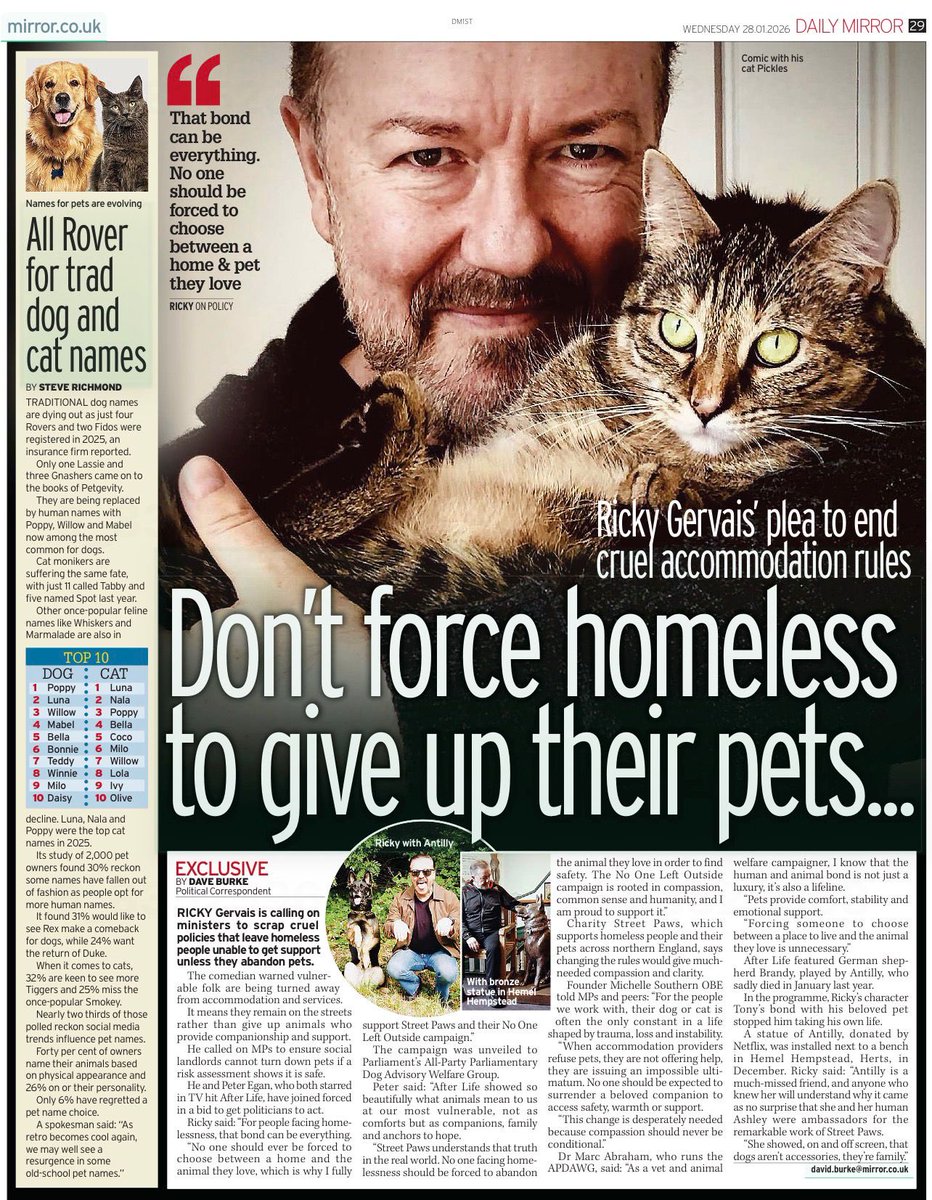
Today we received a call from a doctor at a hospital in London.
A patient had attended needing urgent, life-saving treatment. The doctor told us, in no uncertain terms,
If they leave the hospital, they will die.
But the patient was trying to leave.
Not because they didn’t want treatment. Not because they didn’t understand the risk.
They was trying to get home to their dog.
Their dog is alone in the house. No food. No plan. No one else. Just waiting at the door for a human who might not come back.
The doctor called us and said the only way this patient will agree to stay and accept treatment is if someone can promise her that her dog will be safe.
So we stepped in.
We are collecting her dog. We are bringing them into our care. We are making sure that while they receive life saving treatment their dog doesn’t sit alone, confused and hungry, wondering why their world has disappeared.
This is what people don’t see.
The bond. The fear. The impossible choices.
No one should have to choose between life-saving medical care and the animal they love.
Tonight, because we were there, she can stay in that hospital bed and receive the treatment that will save their life. And the dog will be safe with us.
Relief. Exhaustion. Heartbreak. Hope.
This is why we do what we do.
If you support what we do , if you believe no one should face a crisis alone , please stand with us.
We are dealing with emergency after emergency currently, and we cannot keep doing it without you.
https://t.co/EgvWWRToji
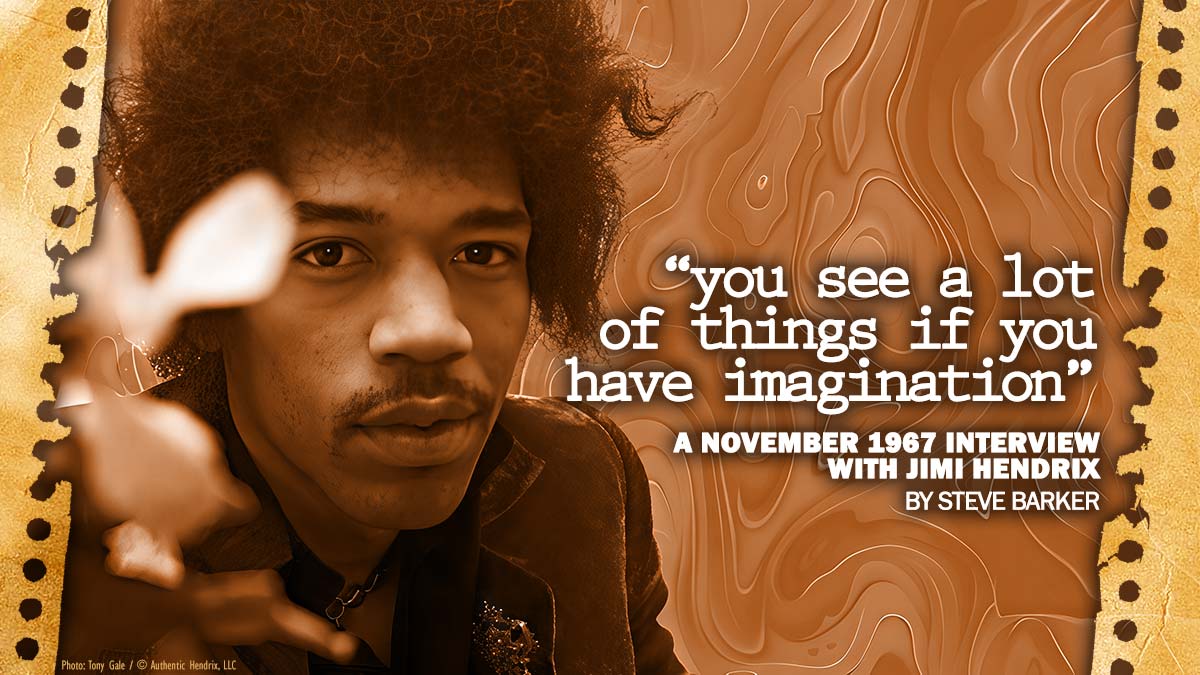
On November 8, 1967 The Jimi Hendrix Experience headlined a concert at Manchester University's Student Union. Following the concert, writer Steve Barker interviewed Jimi Hendrix backstage for Unit magazine. where they discussed the group's forthcoming release Axis: Bold As Love, his inspirations, influences and future music direction. It's an insightful interview detailing some of Jimi's creative frustrations and the simple classifications that people try to label the group with. "I don't like classification anyway, regardless of the scene... it happens to us, but that's just anybody's opinion."
Read the full interview at https://t.co/YaFM1QMael
#JimiHendrix #Hendrix #BoldAsLove #Imagination #Interview
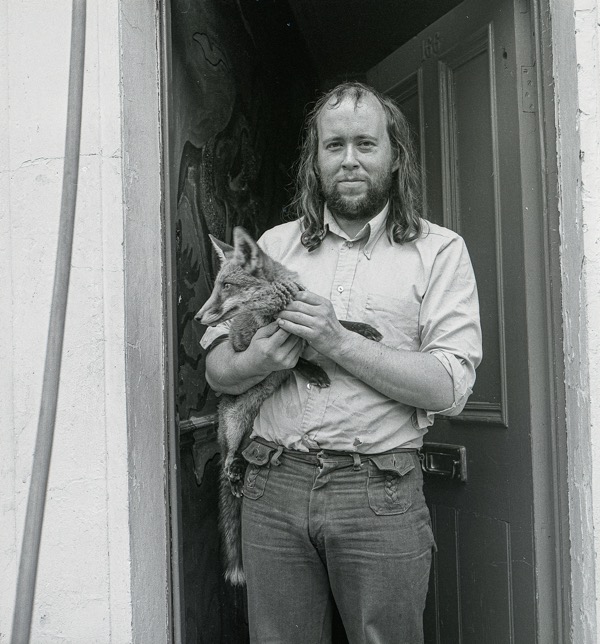
John the Fox. Joyce Edwards' squatter portraits are now being shown publicly for the first time at Four Corners in Bethnal Green in an exhibition entitled, 'Joyce Edwards: A Story Of Squatters', which opens on 13th February and runs until Saturday 20th March.
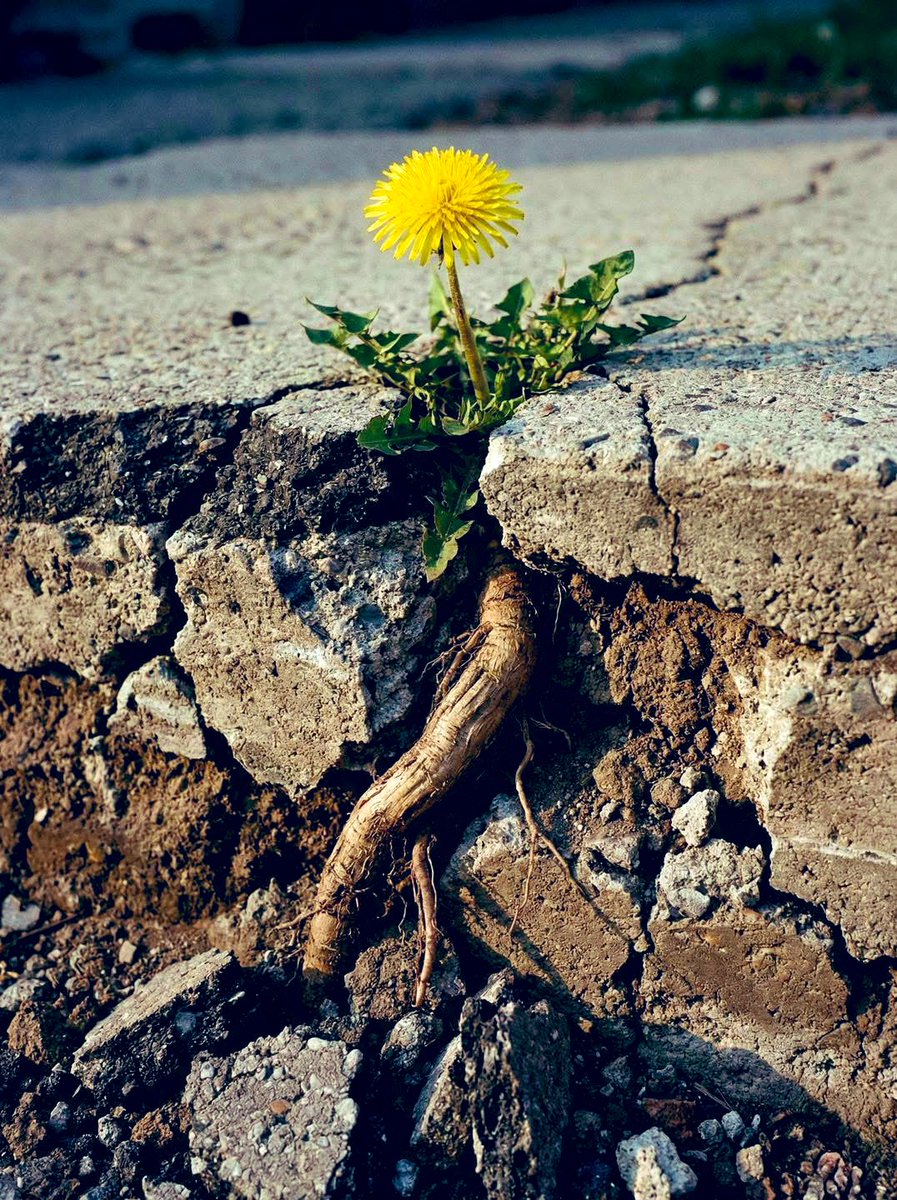
Here are some interesting information about dandelion. 🌼🌼🌼
With its deep taproot, it helps loosen compacted soil and brings up minerals that enrich the ground naturally.
Every part of the plant is edible: young leaves are packed with vitamin K and other nutrients, the root is rich in prebiotic inulin and can be roasted as a caffeine-free coffee substitute, and the flowers are full of antioxidants and can be made into syrup or wine.
Dandelions were intentionally brought to North America for food and medicine. They are also vital for pollinators, providing one of the first food sources in early spring. Their seeds travel efficiently on delicate parachutes, and many reproduce clonally, ensuring strong survival.
Rather than a lawn enemy, the dandelion is a pioneer plant, a soil healer, and a free, resilient gift from nature.
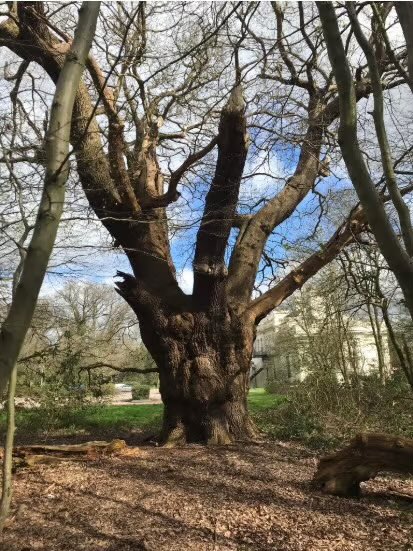
A beautiful and healthy 400 year old oak tree near my house was mysteriously assessed as “dying” and cut down after surveyors said it was thriving
probably a coincidence that the landowner wants to let a local football club pave over the site but couldn’t bc of the tree
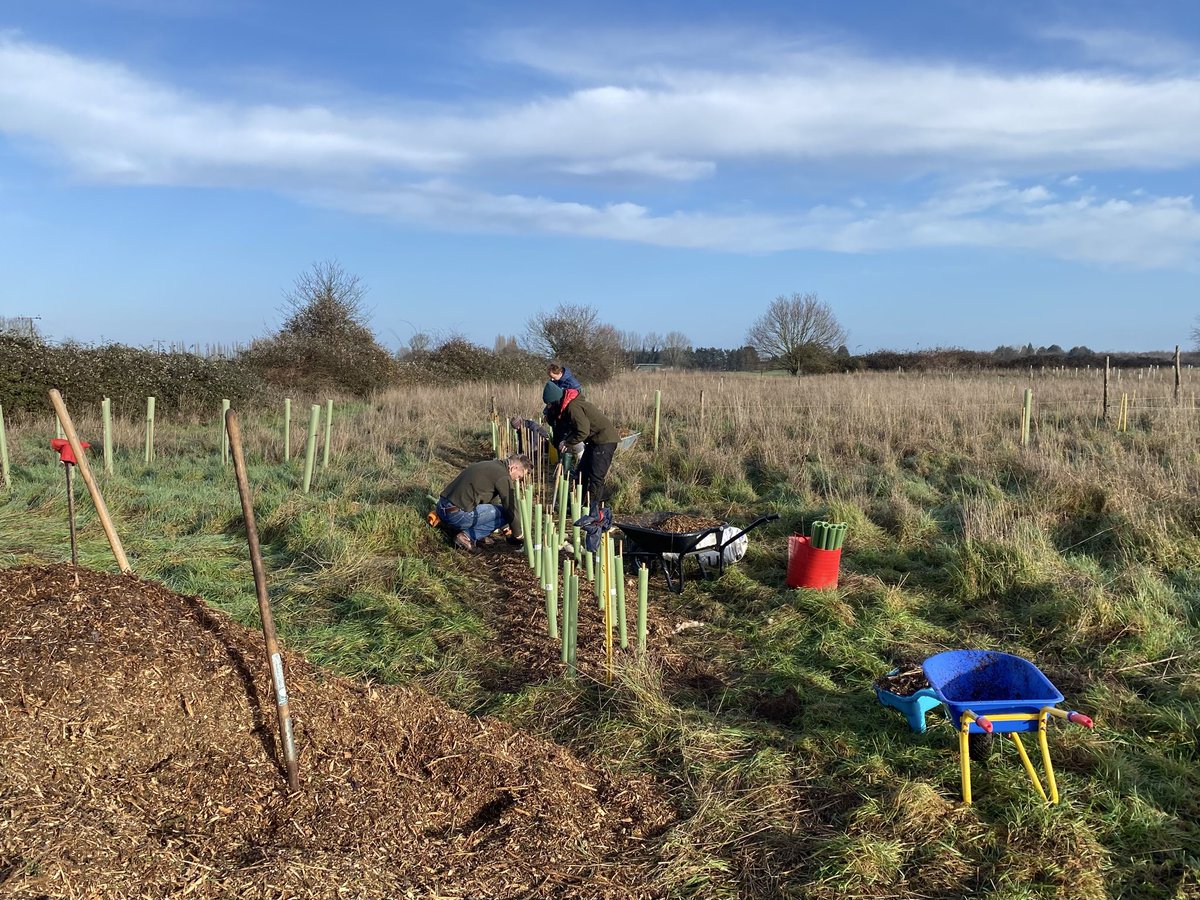
Spent the morning planting up trees
These 250 saplings will form a hedgerow to surround a new traditional apple and pear orchard.
Thanks to everyone who came to lend a hand!
Some Proper Culture Today: Harry Corbett was born OTD, 28 January 1918. The Bradford-born magician, puppeteer and TV presenter created the glove puppet Sooty, who first appeared in 1952. The son of a coal miner, Corbett once hoped to be a concert pianist, but deafness in one ear