Figma's $50m Series D funding in 2020, led by Andreessen Horowitz, brought its valuation to $2bn, overshadowing InVision. The industry's perception shifted, signaling a new leader in the making.
Figma's success wasn't just about UI design; it integrated prototyping seamlessly. InVision's response, Freehand, aimed to unite teams but reflected a reactive strategy, not a proactive shift towards collaboration.
The failure to pivot towards collaboration. As the design industry evolved, InVision's focus on traditional design tools became a liability rather than an asset.
The rise of Figma played a pivotal role. InVision soared during a design era, but Figma's 2016 entry changed the game by integrating UI design, collaboration and prototyping.
@nikitabier Almost* every four years there is room for a new player. Generally follows US high school/college cycle of new generational adoption trends:
95-99 - AOL
99-03 - Yahoo!
03-07 - MySpace
07-11 - Facebook
11-15 - Instagram
15-19 - SnapChat
19-23 - TikTok
23-27 - ?!?!
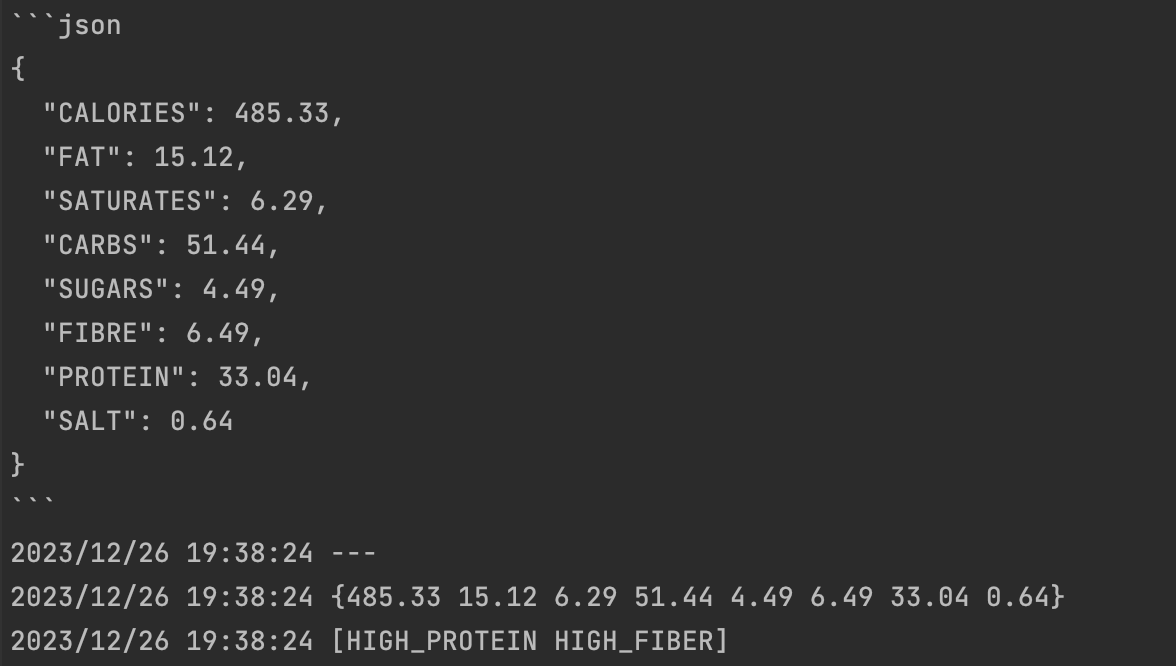
I just deprecated two of our classification models at @foodlyco that were used to label agnostic synthetic data, and moved over to @OpenAI GPT-4. Let the era of prompt engineering begin.
@RealFade - The R done primarily at FAIR & Google + DeepMind is what made chatGPT possible.
- The D done at Meta & Google around large transformers pre-trained with Self-Supervised Learning has been deployed in services for years (content moderation, ranking, translation....).
Huge impact