Weather on film 📸
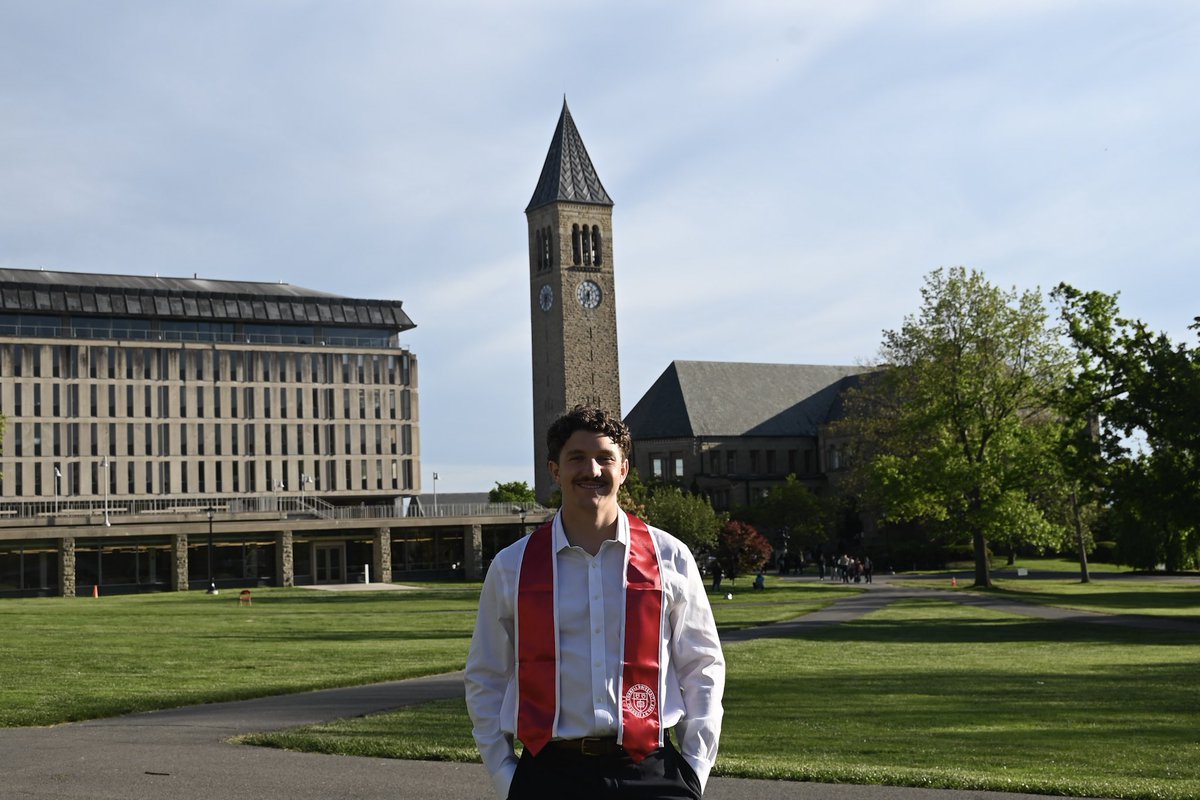
Now that I have a true film camera (Canon EOS Rebel 200 SLR), I am going to start posting more weather photos with it.
This shot is from Cornell’s Libe Slope near sunset in late May 2026. Turned out pretty sweet.
We’ll see how the chase photos turned out!
📅⛈️ On this day 6 years ago, a destructive derecho swept across central & southeast PA, & southern NJ. 60-75 mph wind gusts occurred in a swath upward of 50-60 miles wide. Notable measured gusts include 83 mph at Reading Regional Airport, PA & 93 mph at Beach Haven, NJ. (1/3)
TORNADO near Wellfleet, Nebraska at 7:30 p.m. Central time via @MatthewCappucci and his intrepid mother, whom he told he was taking to the Boot Barn but instead dragged tornado-chasing.
Rotating thunderstorms are possible Saturday on the Great Plains.
A few tornadoes, damaging gusts, and large, destructive hail are possible.
@MatthewCappucci has an update.
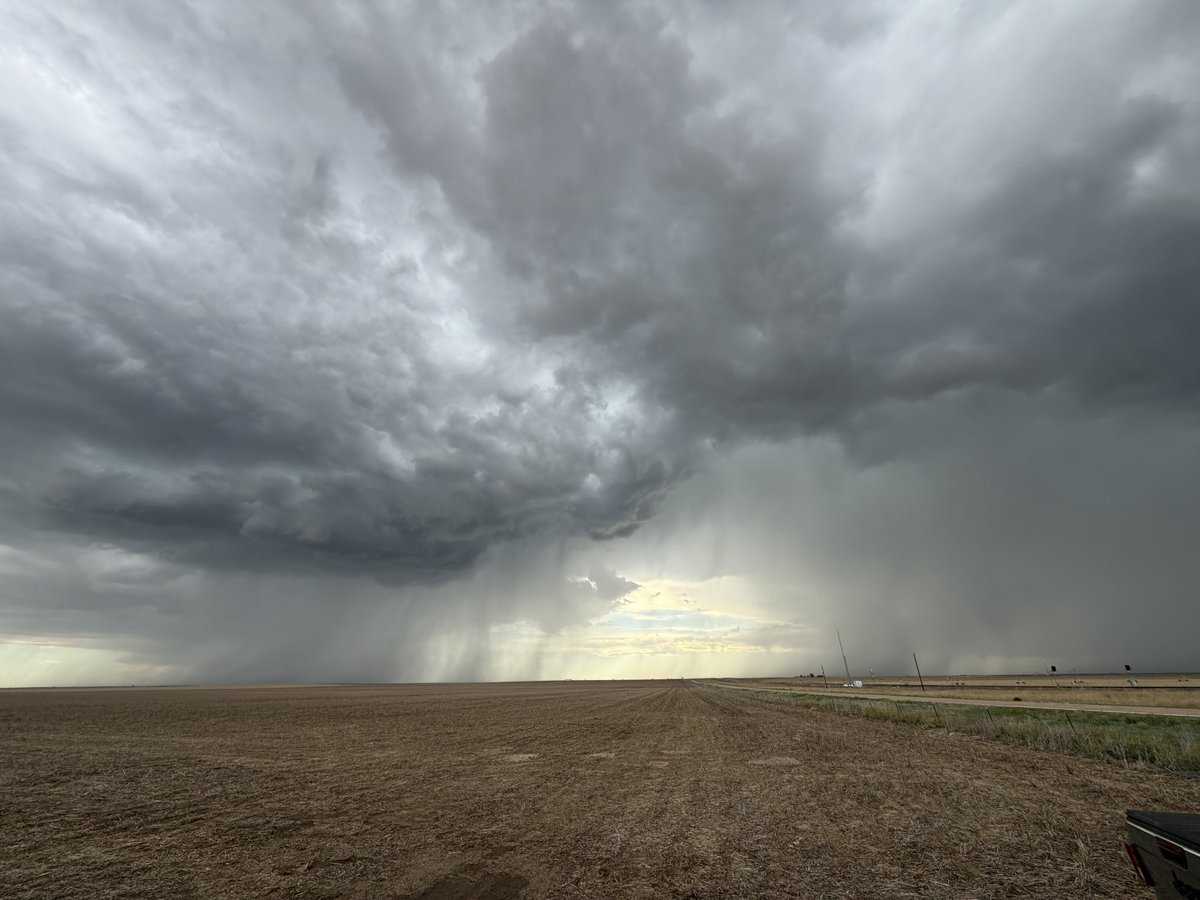
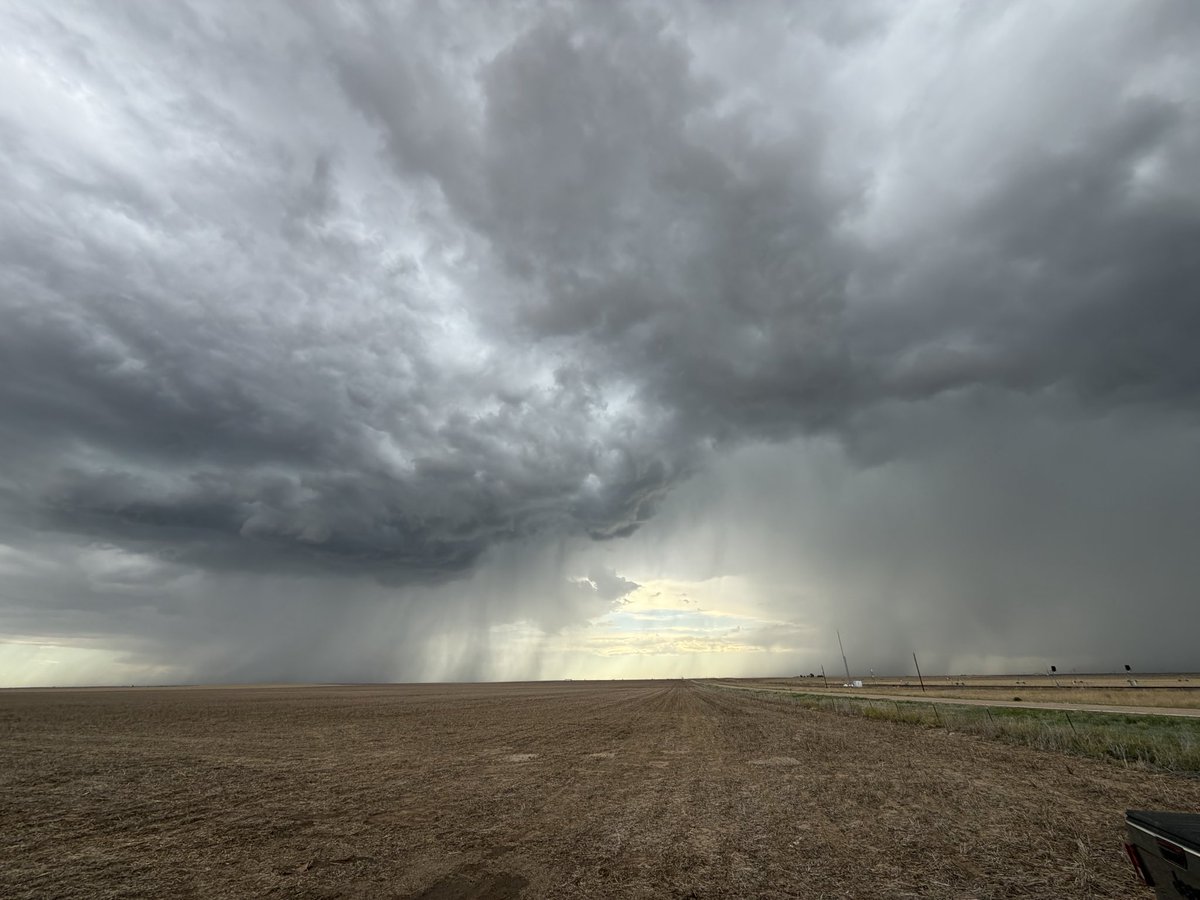
Today, newly-graduated meteorologist @willcanowx chased cells across the barren terrain of western Kansas and eastern Colorado.
The most impressive part? Perhaps the mighty rain shafts dancing across expansive dirt fields. Or maybe the creamsicle sunset fused with a purple lightning show to the east.
Success in storm chasing is not solely defined by catching a tornado. It’s measured through many different modes — occasionally, by straight simplicity.
When "cloudy weather" becomes the coolest. thing. ever. 🏔️☁️
@willcanowx saw some astonishing meteorology atop the highest peak in the Iberian Peninsula: Mulhacén. This mountain is found in the Sierra Nevada National Park in Andalucía, Spain.
Watch as he breaks down the dynamics that cause mountains to produce some of the most unique clouds in the world.
#fyp #mountainwx #weather #spain
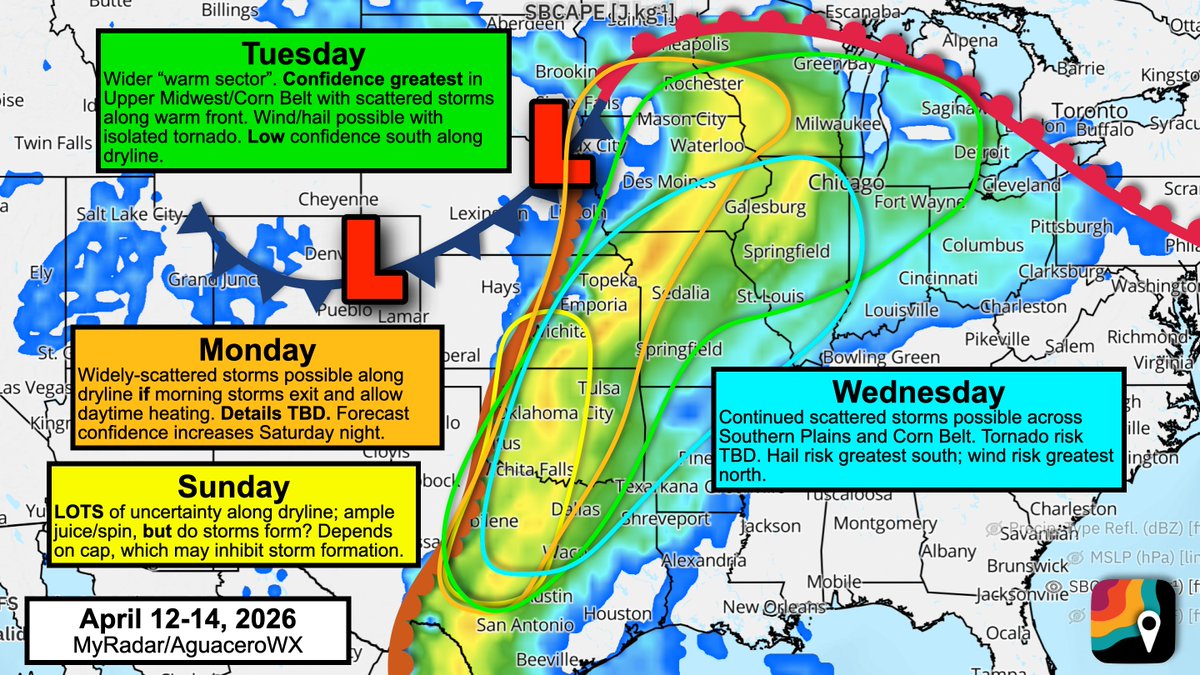
A busy stretch and a pain-in-the-you-know-what forecast. For multiple days, we'll be dealing with a juiced-up atmosphere BUT weak triggers. That's especially true in Texas, Oklahoma and Kansas.
Confidence is greatest in some storms Monday/Tuesday across the Corn Belt and Upper Midwest. These will accompany a lifting warm front. A couple tornadoes are possible, along with hail and maybe a few wind gusts.
But across the central/southern Plains, we have an impressive "parameter space" but not much "forcing." In other words, we have the storm fuel (instability) AND we have the spin (shear). But will storms form?
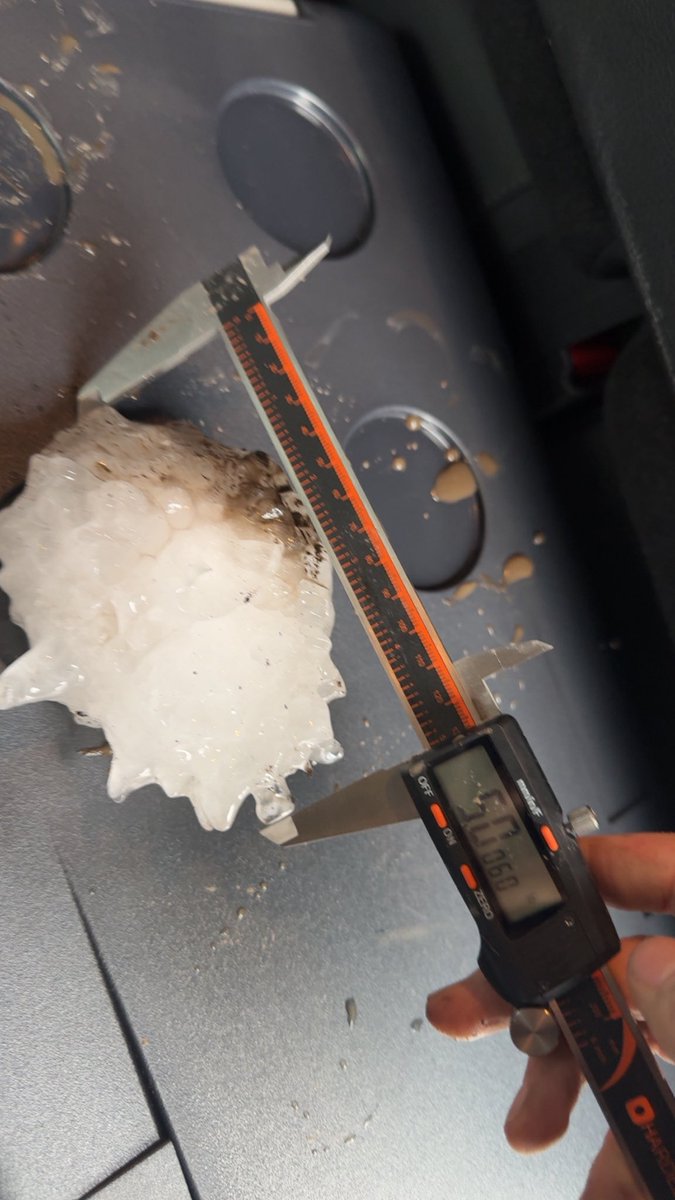
A cap, or lid of hot, dry air a mile above the ground, will work to suppress thunderstorm development by preventing surface air to rise. In MOST spots, this will win out. However, it's possible (especially Sunday/Monday) that smaller-scale features help to kick up isolated supercells. Any isolated supercells would be able to take advantage of a higher-end environment and produce significant severe weather, including baseball hail, tornadoes and damaging gusts.
90% of the area won't see much. 10% of the area could see significant impacts. These "conditional" all-or-nothing risks are difficult to communicate. Legitimately, it will be mostly sunny with a slight chance of tornadoes.
Weather models also struggle to handle these sorts of events. We won't be able to sniff out "mesoscale" details (tiny smaller-scale forcing mechanisms) until the night before.
Stay tuned!
65°F to heavy snow...in HOURS.
That's what millions of people experienced as yesterday's potent cold front dashed across the Eastern U.S.
Specifically, the heavy snowfall seen across the Northeast was caused by an "Ana-front", which allows snow to develop on the back side of cold fronts for hours.
@willcanowx explains why yesterday's example was a rare — yet superb — case of the phenomenon.
🌡️ A powerful heat dome is expected to build across parts of the western U.S.
Some cities in the West & Southwest could approach 100° nearly two months ahead of schedule, potentially challenging early-season records.
MyRadar's @willcanowx breaks down the setup.
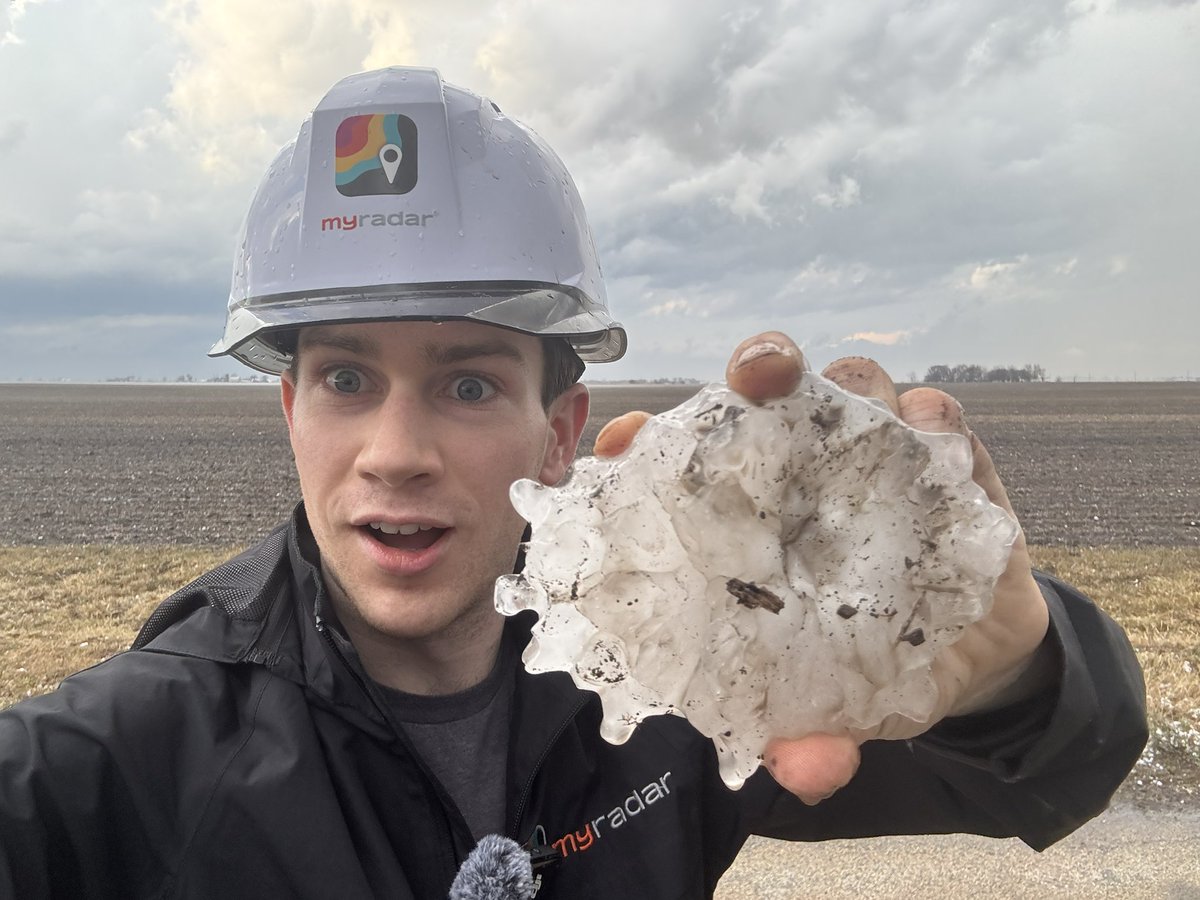
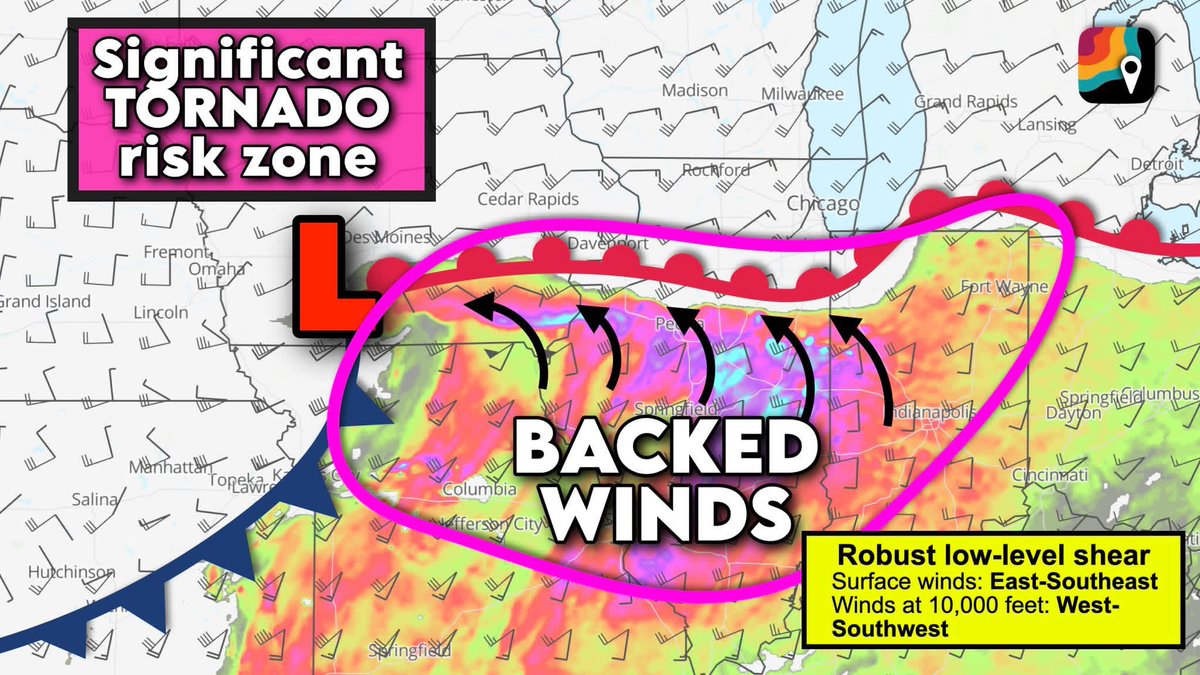
NEW: A Level 4 out of 5 severe weather risk has been introduced in the red zone across portions of north central Illinois and adjacent western Indiana.
Several tornadoes, including a couple strong and/or long -track, are expected.
TUESDAY: A broad, multi-faceted severe weather event is likely Tuesday from the Midwest to the Rio Grande.
Damaging gusts, very large hail and a couple tornadoes, some significant, are expected.
Senior meteorologist @MatthewCappucci has a severe weather briefing.
From meteorologist @MatthewCappucci:
TUESDAY, MARCH 10 – I'm growing increasingly concerned about southeast Iowa, central/northern Illinois and northwest Indiana. That's where we have a potentially worrisome setup.
The tornado parameter is concerning. If any supercells become established, we could be talking the chance of a strong (EF3+) tornado near and just south of the warm front.
That's where we have backed winds – out of the southeast. But at 10,000 feet, we have winds out of the west-southwest. That means winds basically entirely switch directions within the lowest 2 miles of the atmosphere. That will favor AMPLE rotation in the low levels... any storms that grow tall enough to feel those changing winds will rotate something fierce. Tennis ball-sized hail and a few tornadoes possible, especially near the warm front.
MEANWHILE models are also spitting out up to 3,000 units of storm fuel. That would be a record... we haven't seen a value over 3,000 before MAY 7 in this area, so we're like 40-50 days early in terms of the amount of pent-up storm fuel we'll have. Explosive storm growth possible.
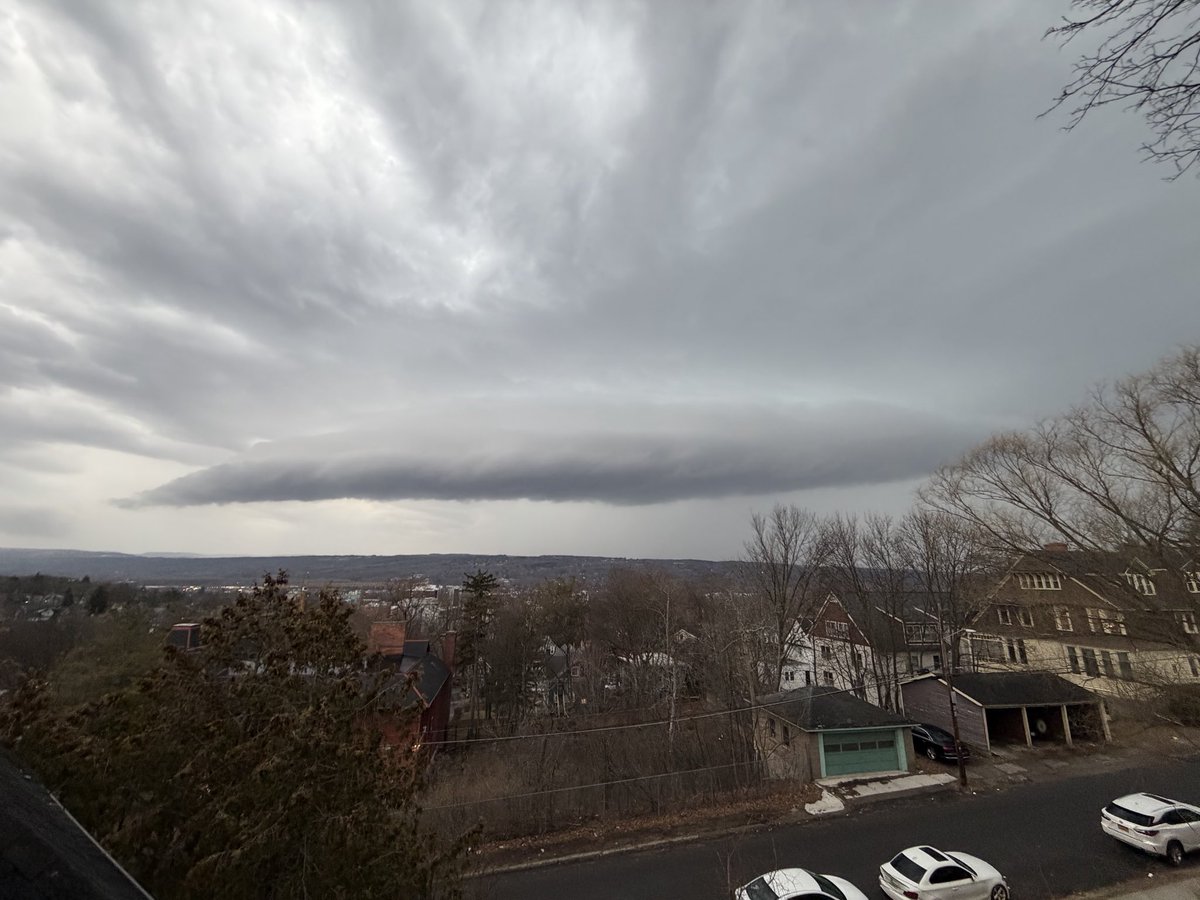
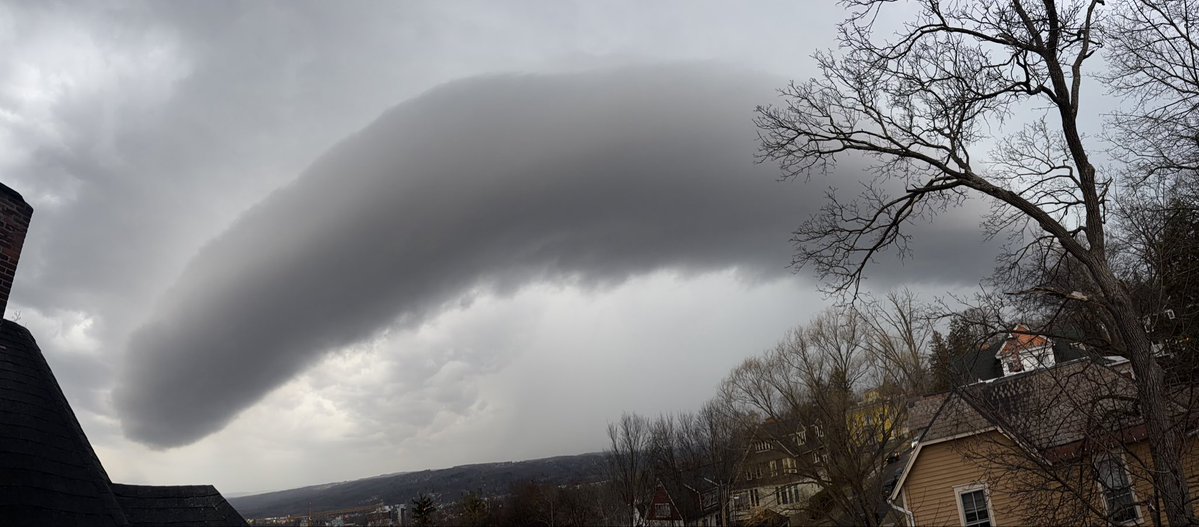
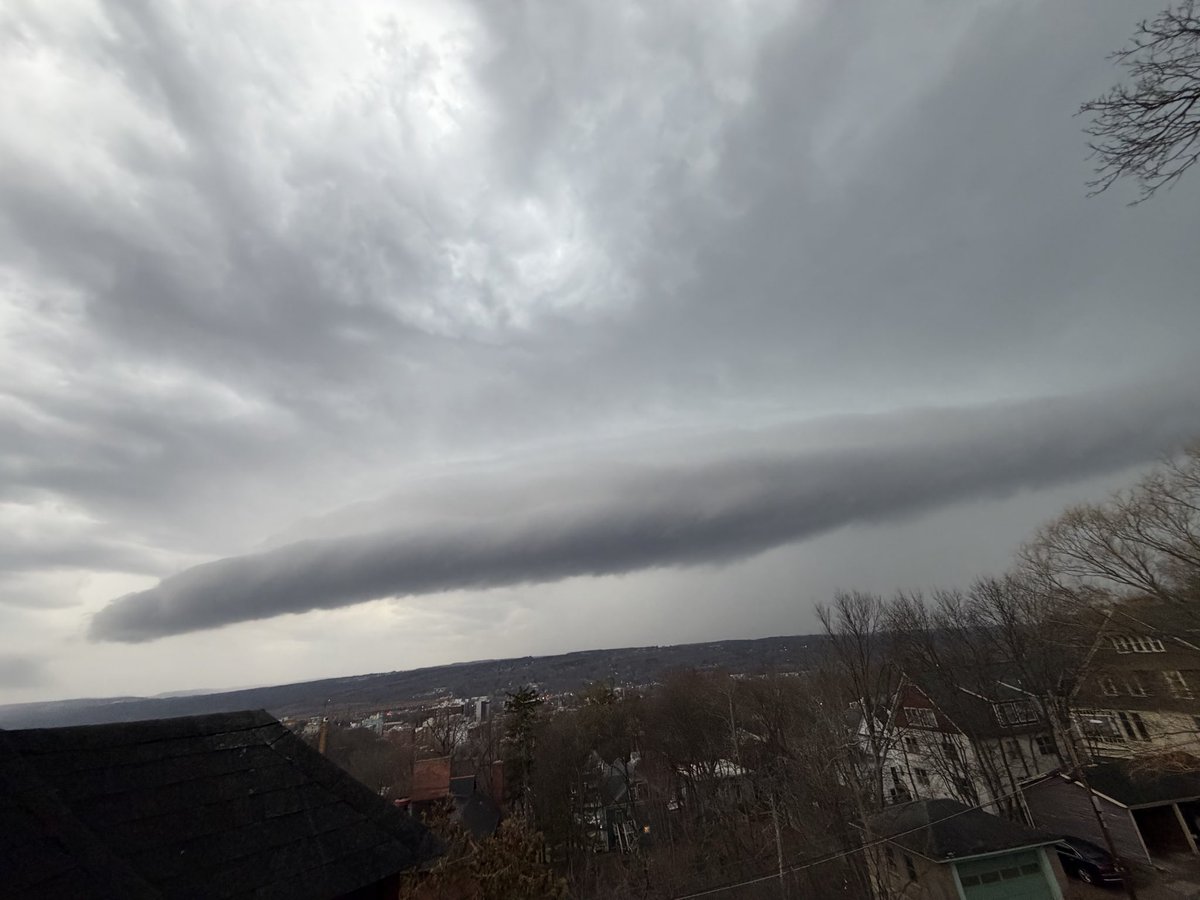
Check out the unique structure of this shelf cloud caught by @willcanowx this afternoon.
As a squall line approached, some “SCUD” (Scattered Cumulus Under Deck) clouds made it look vertically-oriented as it passed overhead.
📸 - Ithaca, New York
When you drive across northeast Arizona, you'll change time zones 6 TIMES.
It's all thanks to Daylight Saving Time — the semiannual changing of the clocks. It happens again tonight with "Spring Forward" at 2:00AM.
@willcanowx explains the origins of DST below and wants to hear your thoughts:
Should Daylight Saving Time stay or go?
On March 3, 2026, the Storm Prediction Center will adjust the format of its severe weather outlooks.
A new “hatching” pattern will convey the INTENSITY of expected storm hazards — not just probability.
@MatthewCappucci breaks down what to expect.