@kawaiiswag@aakashgupta These games paid the bills + gave buffer to spend in another more complex game. Same as big movie directors alternating between easy crowd pleasers and complex movies
@ManuelPazosMSX@soyparrilla@juan_delcan Y lo "mejor" de todo es q siendo la época q era, seguramente montaron el mapa a base de bytes en código, sin hacer un editor visual.
@SebAaltonen@ErikHaliewicz Years ago it was faster to render the height lines into a 90 Deg rotated buffer, then rotosoom that I to the screen at the intended bank rotation
@SebAaltonen@Robben4days They are hoping that companies pay for developer tooling in the same way that hardware companies pay for verilog and chip tooling
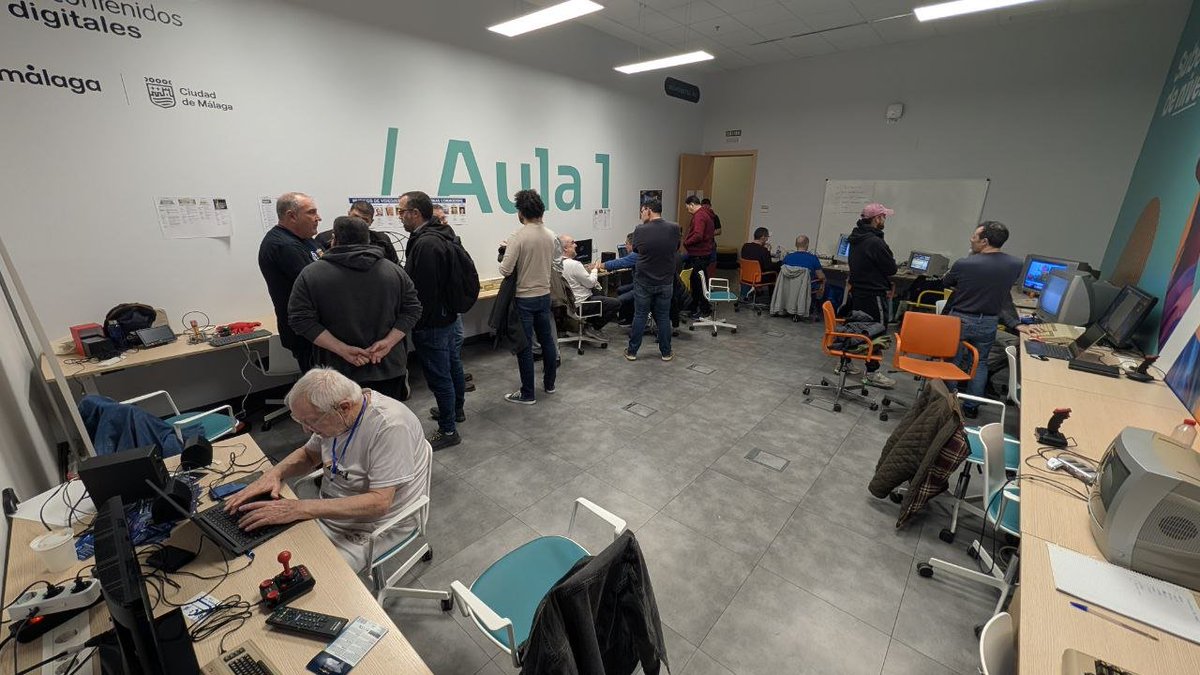
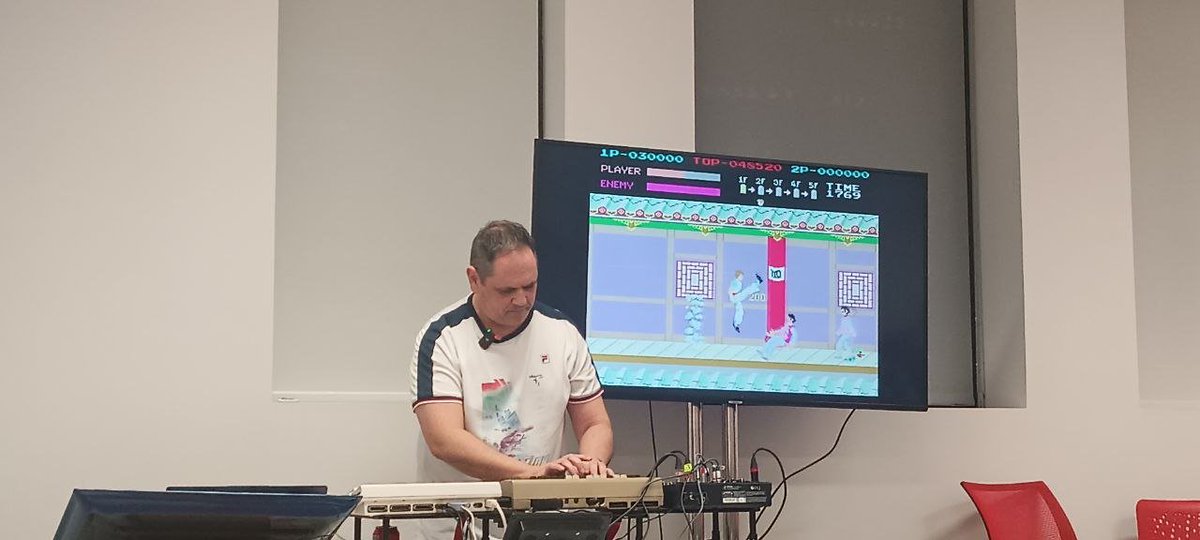
Muchas gracias a
@PoloDigitalMLG
por toda la ayuda, muchas gracias por la ayuda de Rafa, Winden y Andreu, todos los que asististeis al evento ayer, fue maravilloso, incluso vinieron viejos amigueros de los 90 vecinos mios. #Amiga#Commodore64#C64@AMIGAstore por el patrocinio.
@wookash_podcast I see a bunch of comments but wanted to add that the Nanite octree-based cut clustering was published and implemented in 2008. A great resource among many recently, including a header in Meshoptimizer for creating the DAG and Traverse Research's blog.
https://t.co/Qg5ejUU4iX
My colleague wrote one of the first SSR implementations (Ubisoft, 2011). His response:
I don't understand why people do SSR in the view space -- Maybe if they don't know how to do perspective correct marching in screen space.. kind of old-school thing that was needed for implementing triangle rasterization back in the day for software rasterizers.
@ElstnerMartin@eatonphil There was never any black magic implied, it was always a game of spending money on lots of small hard disks... They told everyone to put the data in one disk and each index in another disk, so that each row change could use the N+1 spindles it would need.