FEWS NET, the world's early-warning system for hunger, just stopped tracking Afghanistan, Somalia, and Yemen. That's data on 38.1M people facing crisis-level hunger, gone dark. We cannot prevent famine if we're flying blind. My statement: https://t.co/rj6GtZ26ZX
Some countries are taking an economic hit either by cutting investment or borrowing to finance social programmes no longer funded by aid. Others are letting them lapse with a high human cost.
Aid dependence varies widely across countries in sub-Saharan Africa. In some low-income and fragile states, it reaches double digits, and in extreme cases far higher. Others rely much less. But for the most exposed, the impact of cuts could be significant. https://t.co/rpCXbdfbnG
Great news that also shows the scale of global poverty and the timescale needed to raise living standards globally to the level of the bottom 50% in OECD countries today. In the meantime, better governance, democracy, regional trade and public health + targeted aid are needed.
In 2028, the median person on Earth will live on more than $10 a day for the first time in history (figures adjusted for inflation and for differences in purchasing power across countries).
In the last decade alone, the share of people above this threshold has risen from 41.3% in 2016 (3.11 billion) to 48.7% in 2026 (4.03 billion). Think about that for a second: we have pushed nearly 900 million people over this threshold in ten years, around 90 million people a year (slightly above the population of Turkey).
At the very bottom, we have also seen progress, though slower. In 2016, 12.6% of the world lived below $3 a day (947 million people). In 2026, the figure fell to 10.0% (826 million). This fall is harder to achieve because the poorest countries also have fast population growth. As fertility falls there, and I think it is already falling, we will cut poverty much faster.
You are probably thinking that $10 a day is not a demanding threshold. True. But in 1990, yesterday in historical terms, only 1.42 billion people lived above it. And this is not just China: 2.6 billion people have crossed the $10 line. On the other hand, in 1990, 2.20 billion people lived below $3 a day.
I checked these figures today because I start teaching Global Economic History at Penn this Wednesday, and I wanted to update the numbers I use. As Joel Mokyr instructs us:
“The responsibility of economic historians is to remind the world what things were like before 1800. Growth was imperceptibly slow, and the vast bulk of the population was so poor that a harvest failure would kill millions. Almost half the babies born died before reaching age 5, and those who made it to adulthood were often stunted, ill and illiterate.”
(“What Today's Economic Gloomsayers Are Missing,” 2014.)
This will be my first lesson to the students on Wednesday: we live in times of historically unprecedented prosperity, and, by and large, things are getting much better every year.
The World Bank argues that good governance is necessary for inclusive prosperity and is good economics.
"Effective institutions are essential for attracting investment, delivering infrastructure, supporting businesses, and creating the conditions for broad-based job growth."
Africa's economy is growing. So why isn't poverty falling? The current growth model isn't enough.
A new @WorldBankGroup + @AFD_France blog lays out 5 insights to change that — starting with the 25 MILLION jobs Africa needs every year through 2050: https://t.co/EKQSsyrlrU
From inside Kabul, Afghan women's rights activist Mahbouba Seraj tells me there's no difference between the first time the Taliban took over in the 1990s and now. Today, she feels like the world doesn't care about the women of Afghanistan.
What will Africa's $1 trillion food market mean for your country? For your community? For the next generation looking for work? @WorldBankGroup VP for Eastern & Southern Africa has a vision. We want to hear yours. Read, comment, share: https://t.co/AHBdmYMlxk
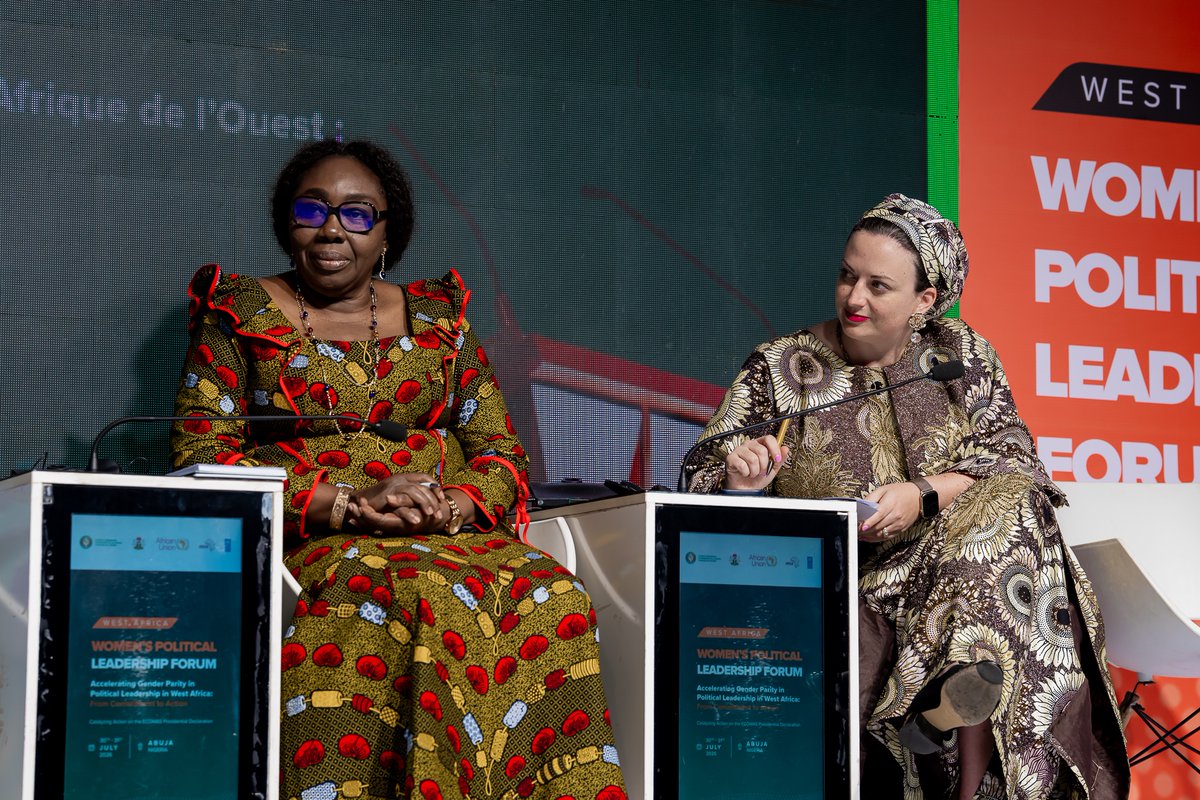
Financing decides who enters politics. It also decides who stays.
Today's panel on financing women's political leadership proposed: a fund for candidates, an observatory to monitor political financing and crowdfunding channels & regulation of campaign spending.
#WomenInPolitics
Non-Sudanese actors have kept Sudan's civil war alive with external weapons and cross-border logistics sustaining the Sudanese military and Rapid Support Forces. https://t.co/0djoezNHjP
Expect zero headlines.
A failure of imagination means that some 100,000 children who die every week of preventable causes does not stir the emotions, whether of journalists, politicians, their audiences or of online warriors.
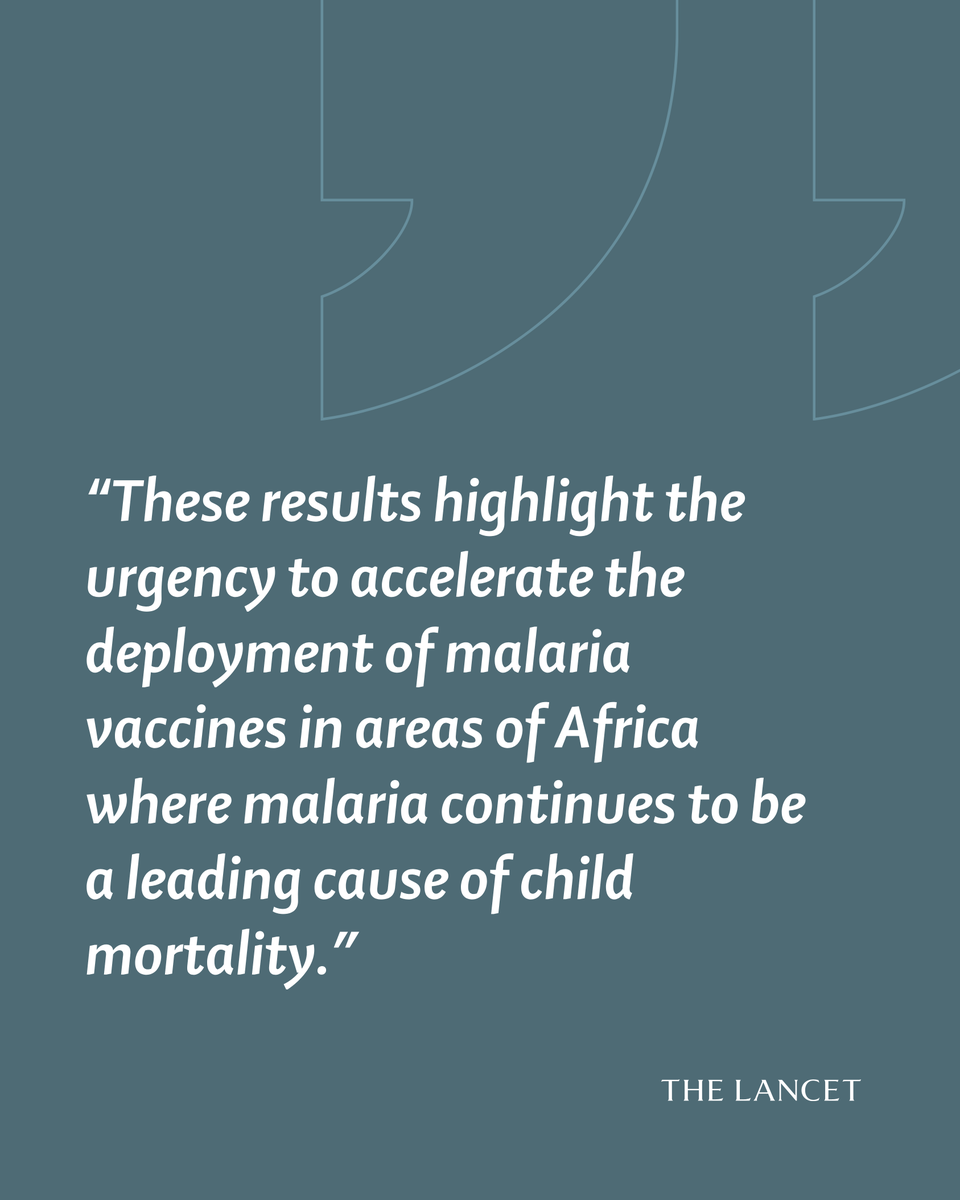
The RTS,S/AS01E malaria vaccine has reduced child deaths by 13% in Africa, according to a new World Health Organization (@WHO) study published in The Lancet.
Explore the research 👉 https://t.co/YYoaIUvezE
Making matters worse: "Weary donors are less keen to fund mortality surveys; recent aid cuts could jeopardise them entirely. America’s Demographic and Health Surveys, which produced nationally representative household surveys across Africa, were ended this year."
Measuring “excess deaths” in a war zone requires reliable records. But Africa has the most incomplete death registers of any continent, according to one study https://t.co/gceSaNy1Pv
The M23 — an armed group formed in 2012 and primarily made up of ‘Rwandaphone’ Tutsi rebels — re-emerged as one of the most prominent conflict actors in the #DRCongo last year, with a nearly thirty-fold increase in overall activity compared to 2021.
https://t.co/sX19iCWFjz
@IrishTimes Pro-Russian anti-American propaganda like this discourages intervention when needed, as it was in Syria.
The insurgents Jansen once described as "Iraqi nationalists fighting for liberation" were responsible for the overwhelming majority of war deaths. https://t.co/sJFDvVh0Y8
@ysytenkoff@DrRadchenko GWB's shame - far worse than the dissembling - was not to anticipate a civil war. The deaths were nearly all caused by sectarian 'insurgents' supported by many of today's Russia apologists. Inaction can be shameful too: Obama in Syria and the Trump-Biden-voters Afghan withdrawal.
Pneumonia kills 740,000 children under the age of five each year.
The incidence of pneumococcal meningitis was reduced by more than 95% in infants who were fully vaccinated, and the efficacy against all pneumococcal invasive disease was greater than 97%.
#VaccinesWork
Pneumococcal vaccines have substantially reduced deaths from #Pneumonia and #meningitis, but they don’t protect against all bacterial strains, and antibiotic resistance is a growing threat: https://t.co/PVGHGQQGJN #VaccinesWork#AMR
🇪🇭🇲🇦 Drone attacks by Moroccan forces in the Western Sahara are forcing increasing numbers of people to flee the desert region. https://t.co/bIayglcXEG
"Nine out of 10 deaths in Africa are not reported," noted Samira Asma, WHO's assistant director general in charge of data analytics. "Imagine the huge missed opportunities to bridge inequality gaps."
The @WHO is unveiling a groundbreaking new tool billed as the world's most comprehensive collection of data on health inequality across the world.
It could make a major difference in uncovering the biggest issues–and helping world leaders to fix them.
https://t.co/a1mdjtRWGD
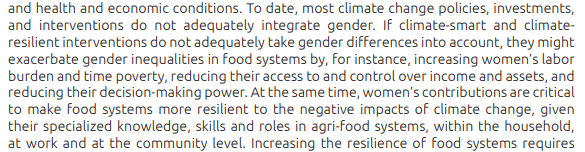
Climate change affects every aspect of the food system, yet structural inequalities & vulnerabilities limit women’s access to resources, services & agency.
Elizabeth Bryan, @MuznaAlvi & @ClaudiaRingler explore in a 🆕 @CGIAR GENDER Impact working paper: https://t.co/LWygNXSOPN
Under 5% of Uruguay’s land is covered by native forests, which are essential to biodiversity, the environment and water quality. Through @PNUDUruguay's #AccLabs crowdfunding campaign, over 1,000 trees of more than 20 different native species were planted. https://t.co/5vbRVK9ajJ
Friends Ajay and Durgesh (both 16) were lured from the same village in the poverty-stricken countryside of eastern Uttar Pradesh, India. They were whisked away from their homes, transported, and sold as bonded labour to a garment factory 2000 km away https://t.co/1hcXl9igk8
NEWS: Nine years after the death of journalist Elisabeth Blanche Olofio in the Central African Republic, our new investigation recommends introducing emergency visas for journalists who are at grave risk of being killed:
https://t.co/L2s3HWBcgt
#TellingTheStory#EndImpunity
1/
Adv. economies will return to pre-pandemic trend this yr, but it will take many more years for low-income & emerging economies.
This hurts countries on the wrong side of this dangerous divide, but it also hurt us all. Support is vital so we exit this crisis together.