I'm Neptune, the 8th & farthest ice giant planet of the solar system, visited by Voyager2. Orbiting the Sun at approximately 30.1 AU, man it's cold in here....
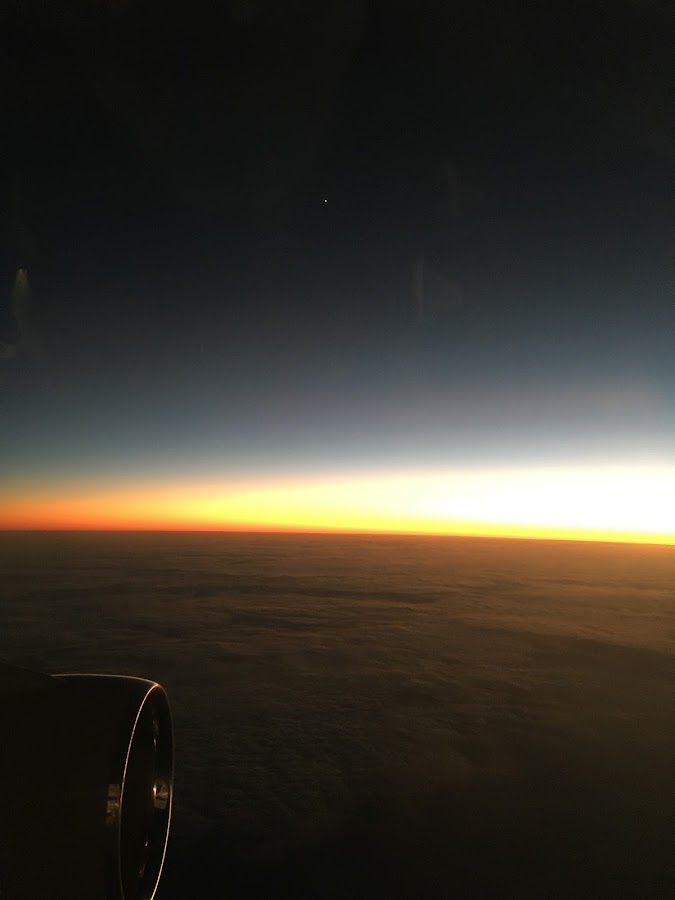
See that dot in the sky above SOFIA's engine? That's Venus!
SOFIA recently observed Venus to determine whether there is phosphine present in its atmosphere.
Photo: Martin Cordiner
.@NASAHubble demonstrates the differences between visible (left) and infrared (right) light in these images of a stellar nursery. #NASAWebb will see even more infrared light, working with Hubble to reveal more of our universe. Credit: NASA, ESA, STScI #NebulaNovember
I’m making Mars safer for future astronauts. Unlike Earth, the Red Planet doesn’t have a magnetic field to shield it from radiation that can wreak havoc on human health. My RAD sensor is providing new data on the risks astronauts will face on the surface. https://t.co/mWmzdL4lxG
Spot the difference! In 1987, a supernova was observed in the Large Magellanic Cloud, one of our neighbouring galaxies. Here are two images before (left) and after (right) the explosion. Can you see it?
🔗 https://t.co/qnjQUtyAFC
Credit: @ESO
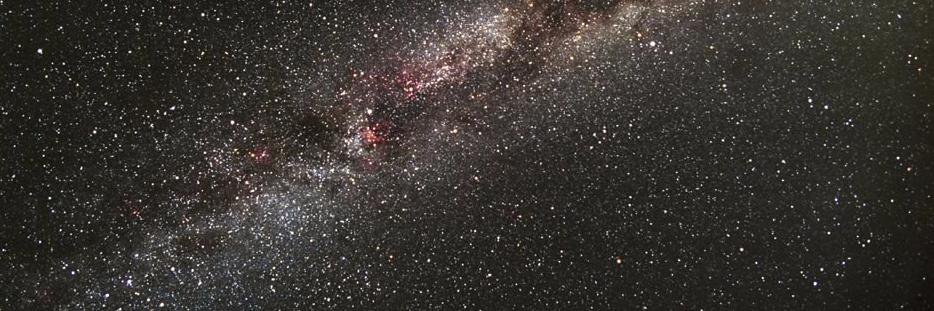
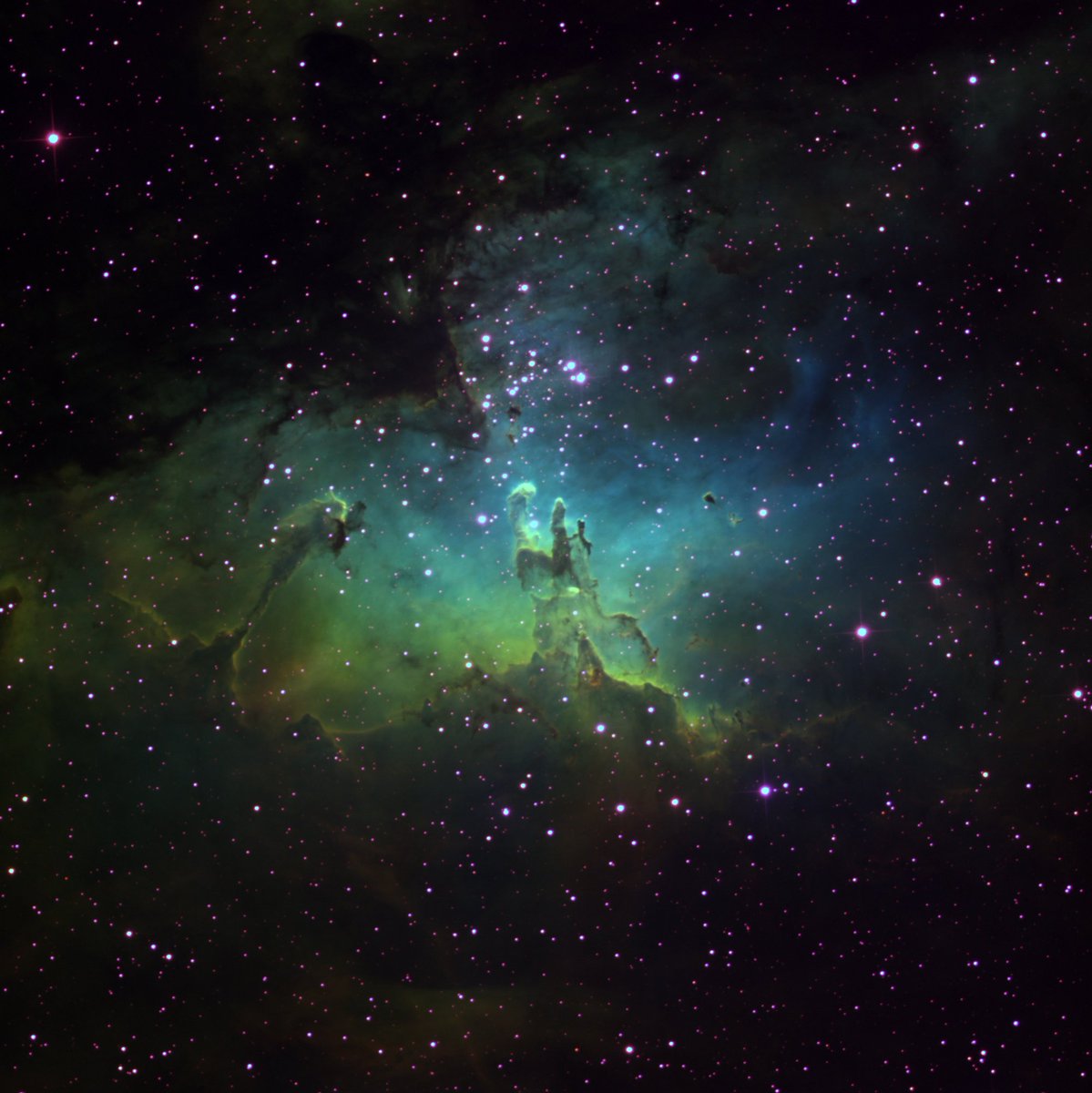
Since our telescope is in California, we get views of southern parts of the sky that many Canadians don’t get to see. Here’s a photo of the Eagle Nebula. While visible from Canada, it doesn’t get as high enough above the horizon. You can even see the famous Pillars of Creation!
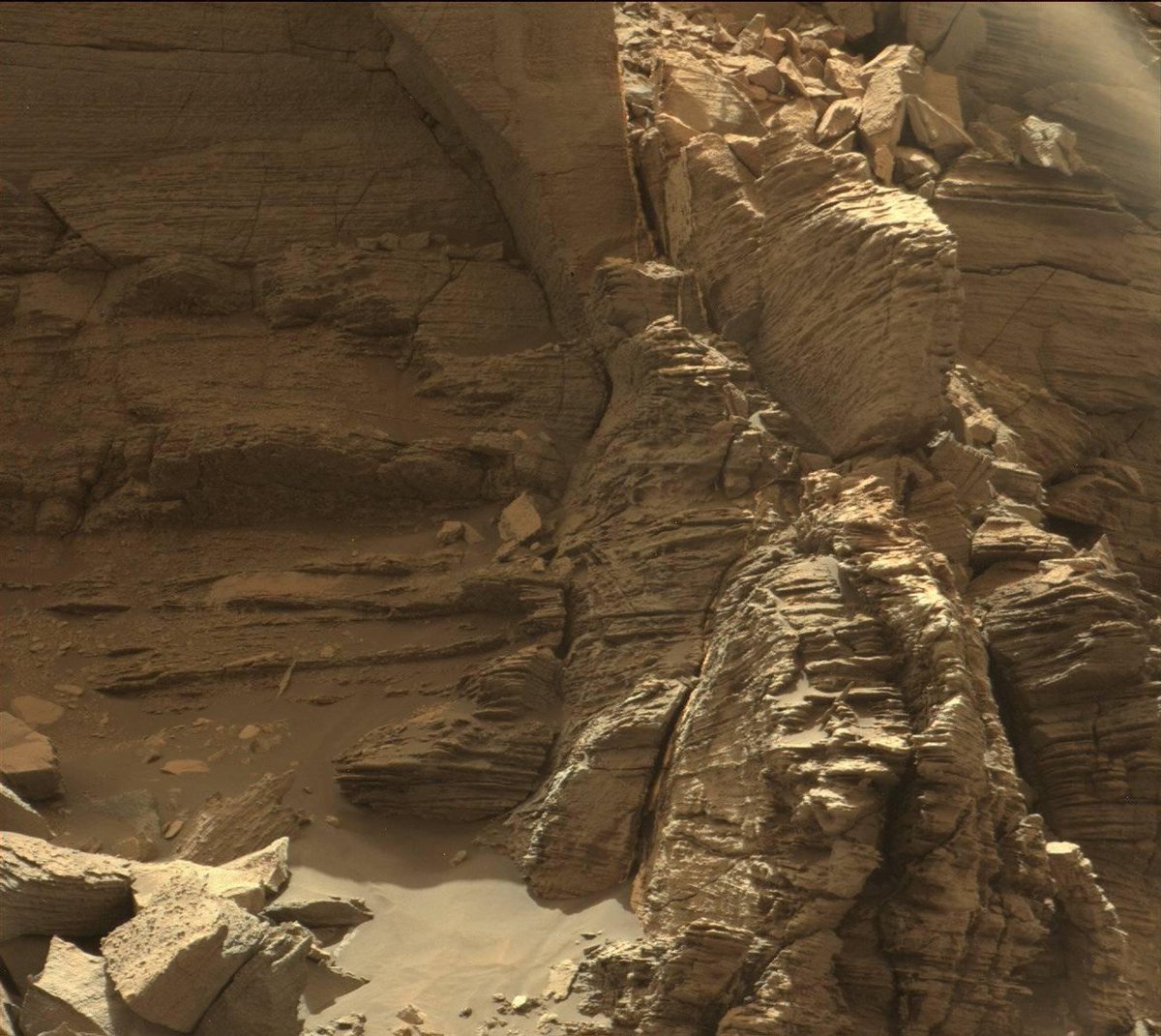
Just some postcards from Mars. These are unprocessed images taken during the past few days in Gale Crater by @MarsCuriosity. Catch up on the the rover's latest science work, nearly a decade into its mission: https://t.co/EtJImnDQUF
Show your thanks for the sacrifice of our heroes on Nov 11. #RemembranceDay
The Poppy Design is a registered trademark of The Royal Canadian Legion, Dominion Command and is used under license.
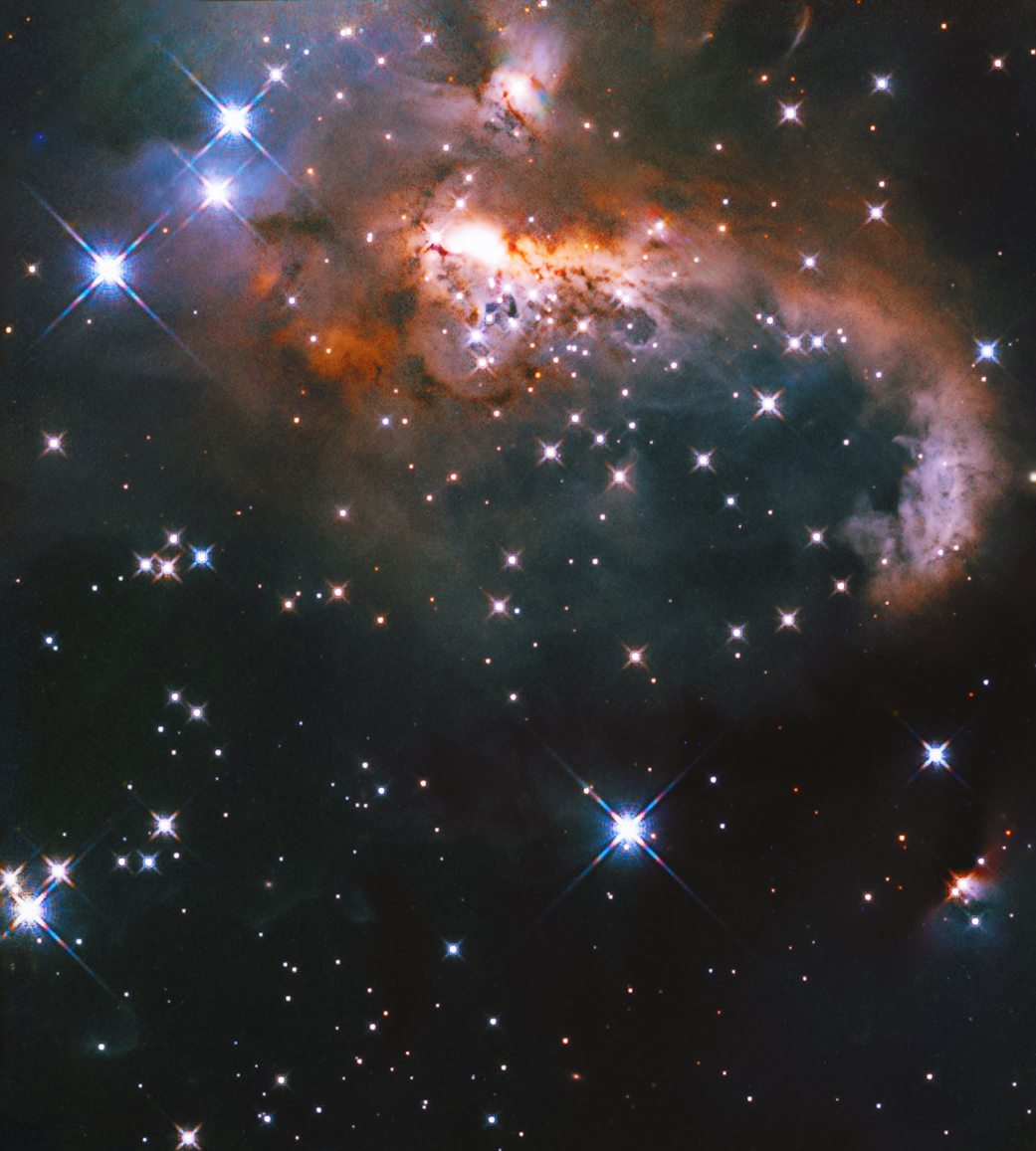
☃️ It’s a space snowman!
This newly released Hubble image of the Snowman Nebula is an example of an emission nebula, which is a cloud of gas that’s become so charged by the energy of nearby massive stars that it glows with its own light: https://t.co/wIkreAIZPS
#NebulaNovember
Beginning work in 2027, the Nancy Grace Roman Space Telescope is set to yield results that would be impossible to get with existing telescopes. Explore @NASARoman’s scope of discovery: https://t.co/rF70DSdgSh
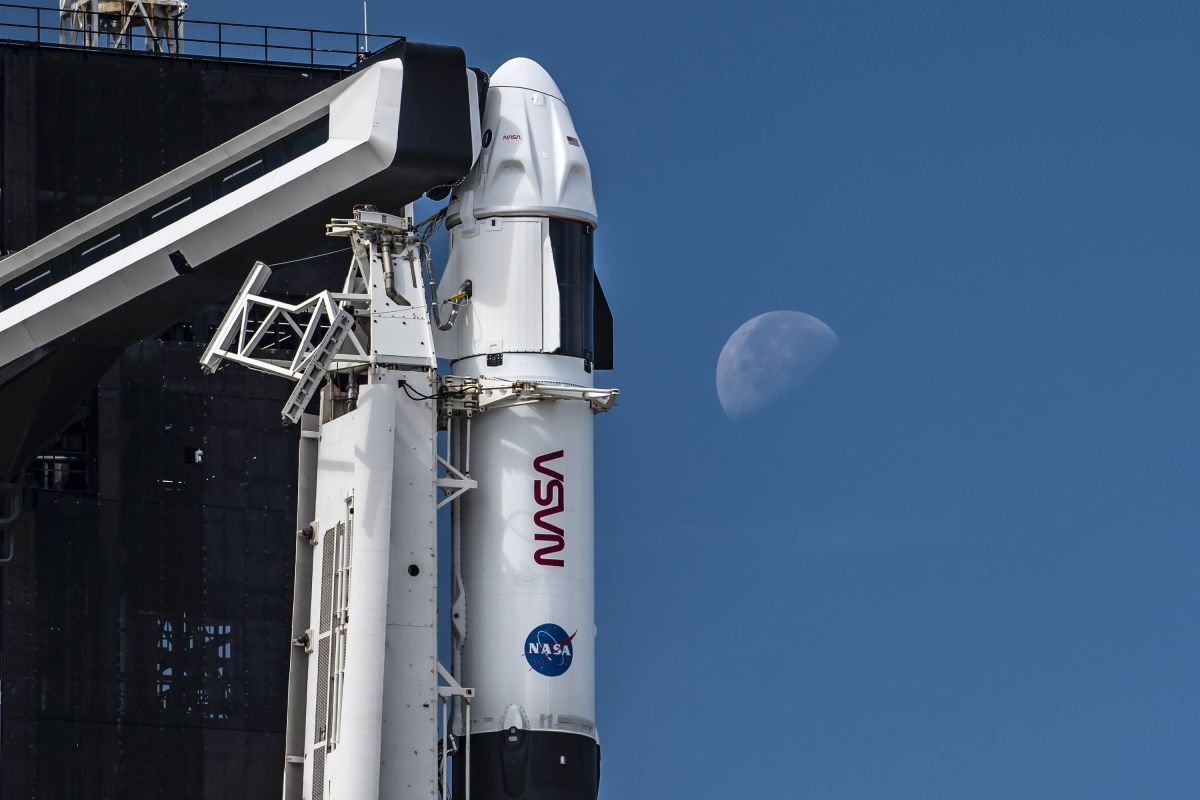
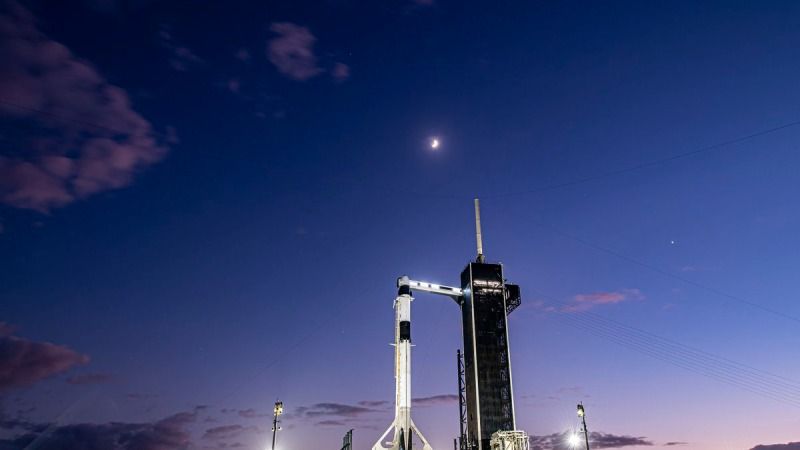
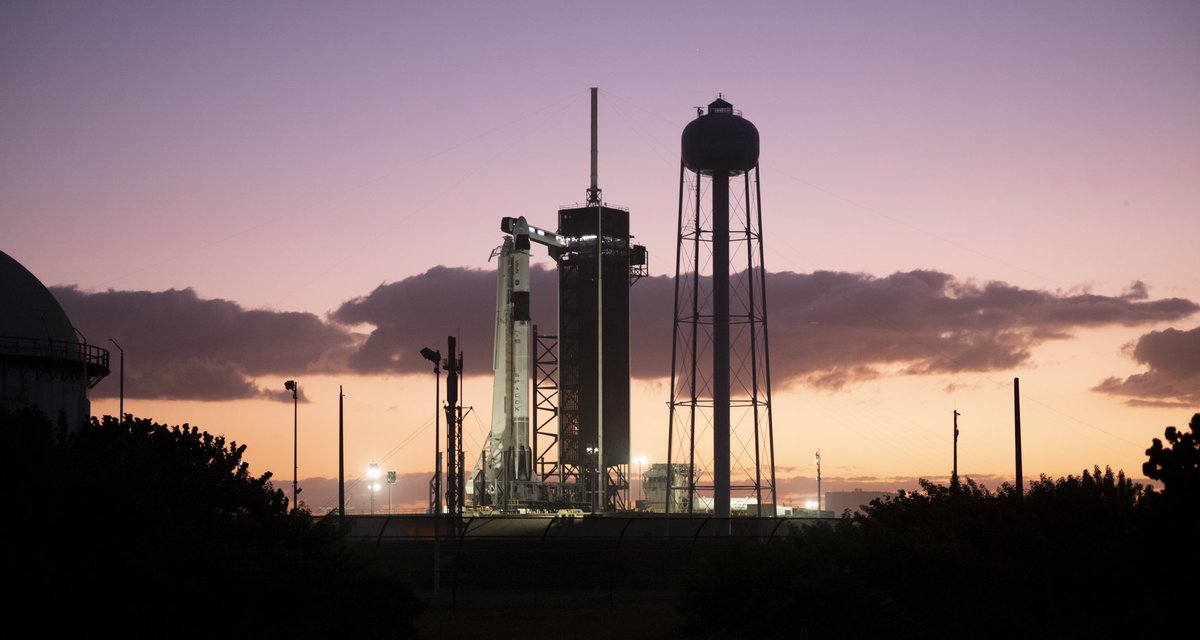
The station raised its orbit today to prepare for two Russian missions and to avoid space debris. @SpaceX#Crew3 is still on schedule for a 9:03pm ET launch to the orbital lab today from @NASAKennedy. https://t.co/yuOTrYN8CV
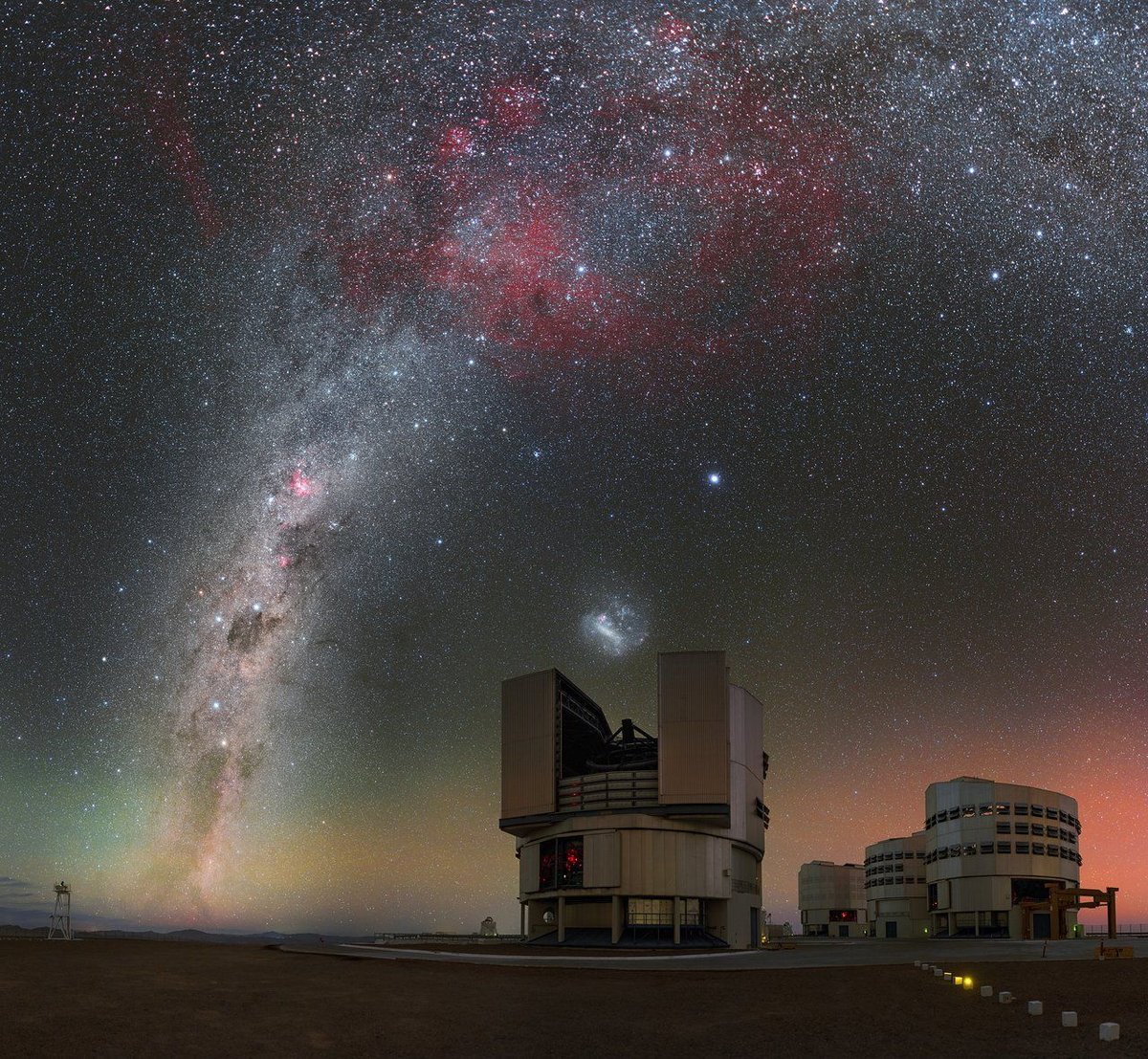
1/ This image was taken in 2011, when all four 8.2-m telescopes of the VLT were linked together for the first time, simulating a massive telescope 130 m wide. How did we get there? Find out in our latest #ESOblog
🔗 https://t.co/GajooFH0Mt
Credit: G. Hüdepohl/ @ESO