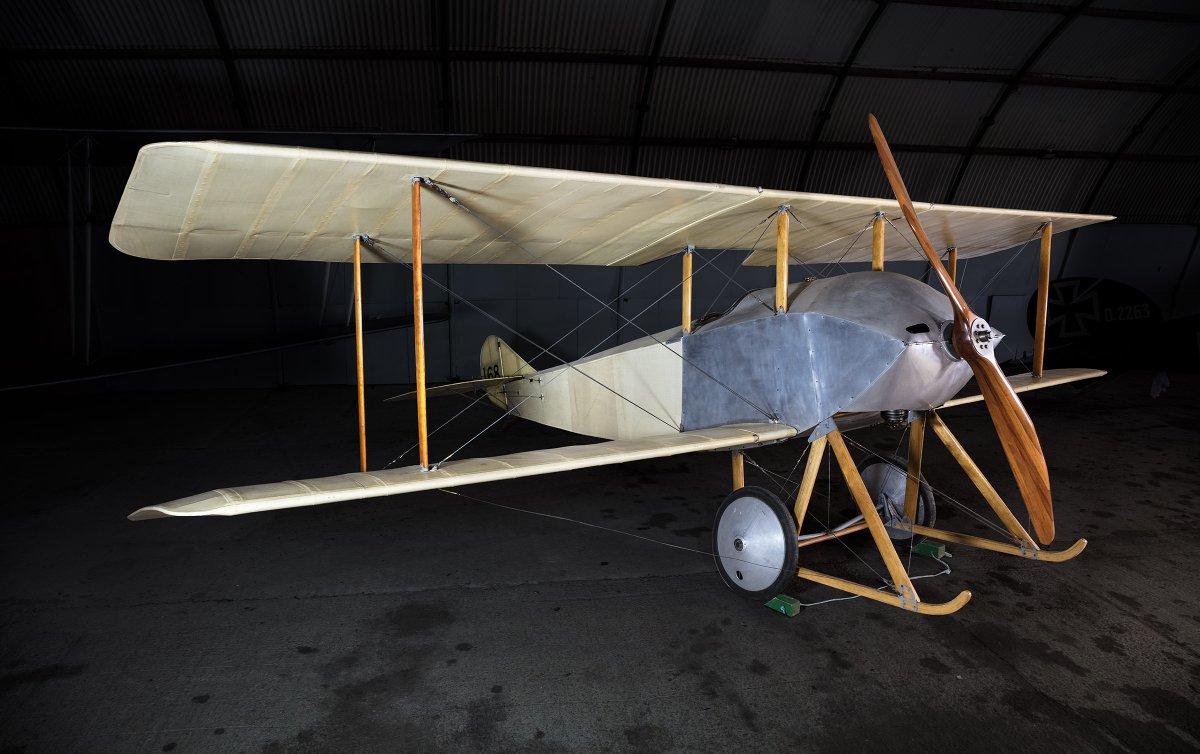
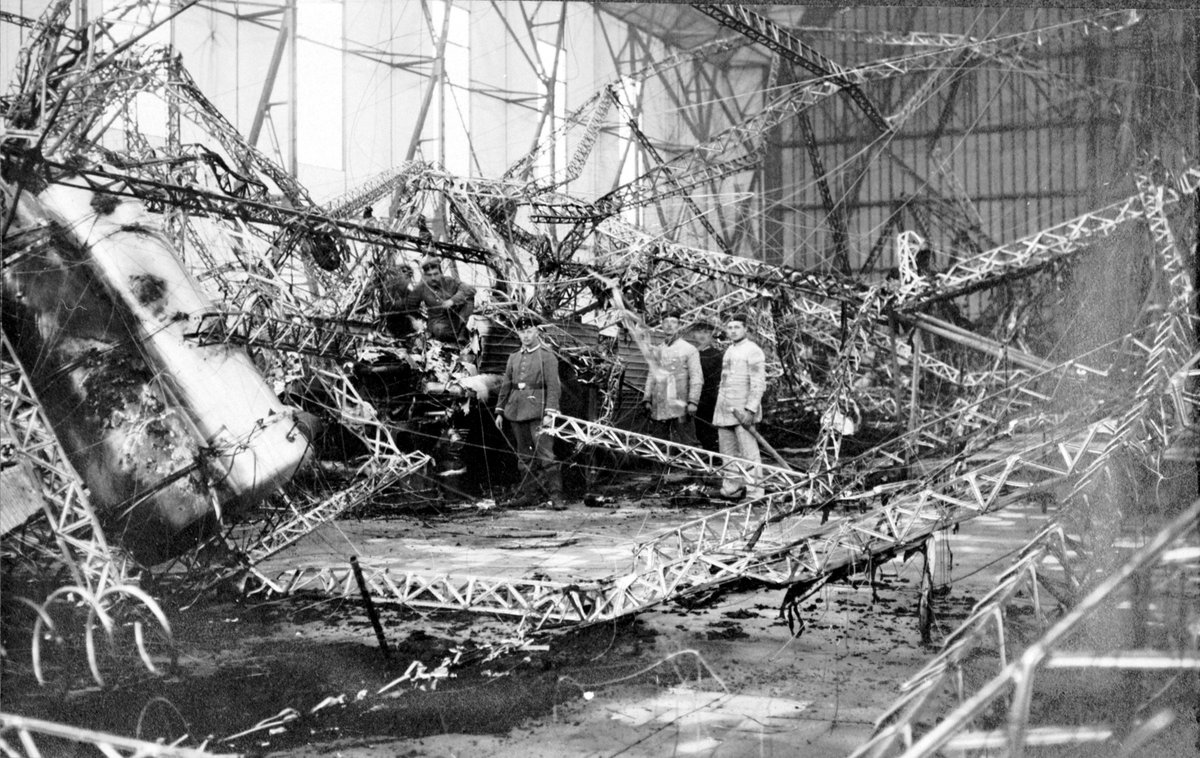
#OTD 8 Oct 1914 RNAS pilot, ‘Reggie’ Marix, flew from Antwerp, as the German army closed in on the city, & bombed Zeppelin shed at Dusseldorf, destroying Zepp. Z IX. Awarded the DSO, he later rose to Air Vice Marshal. Replica of his Sopwith Tabloid on display at @Stowaero.
“I am stopping with T.E. Lawrence for a few days, and have brought down all your poems with me, that he may read them through. He has done so with enormous enthusiasm. He said ‘a great achievement – modern literature of the highest order.’”
– E.M. Forster, letter to Cavafy, 1924
#OnThisDay 1914: Belgian troops defeated a German cavalry force west of Halen. The battle was a tactical victory for the Belgians, but did little to delay the German advance through the country. Still, it's often considered the first allied victory of the First World War.
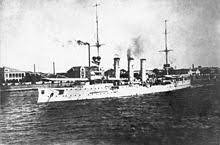
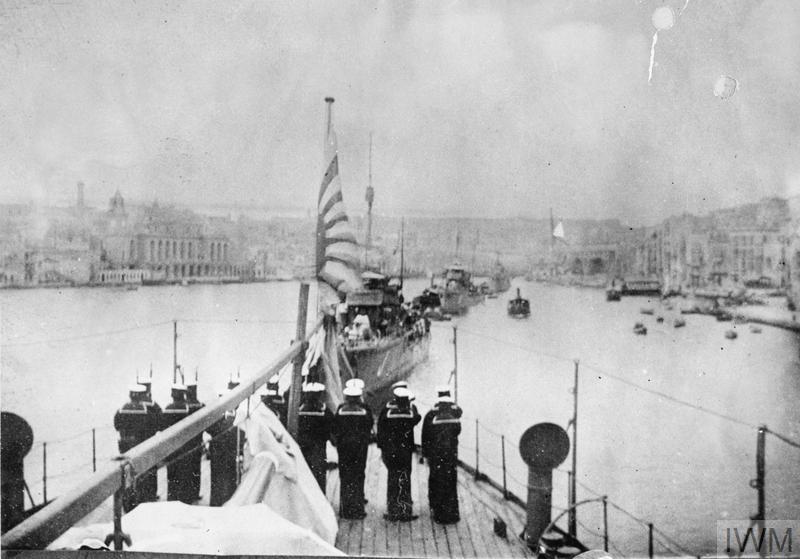
#ThursdayThread: THE JAPANESE NAVY IN THE MEDITERRANEAN, 1917-18
by @PikeGrey14181
In late August 1914, Japan declared war on Germany and Austria-Hungary, and already in September that year, the British requested that Japan send naval units to the Mediterranean.
1/8
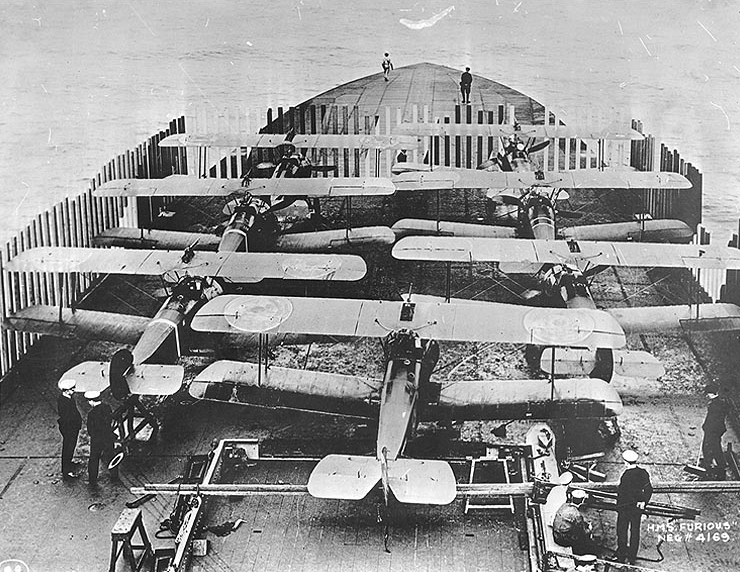
#OTD 1918:
7 Sopwith Camels took off from the converted large cruiser HMS Furious in a raid on the Imperial German Navy's at Tondern and destroyed two Zeppelins. It was the first-ever attack made by wheeled aircraft flying from a carrier flight deck.
Images: IWM
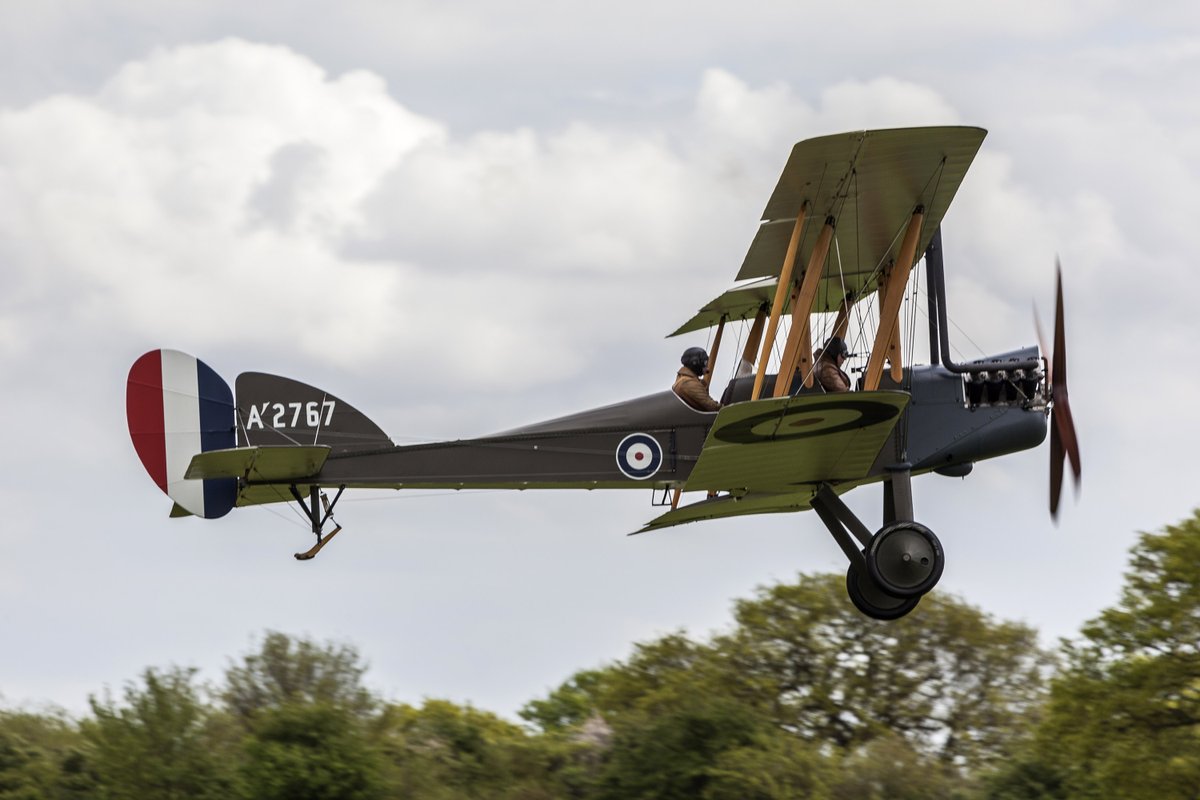
By popular request and weather permitting, @ww1aviation will return to the skies above @StowAero on 23rd July. Where else can you see these aircraft above an original WW1 Aerodrome
Advance Tickets only -https://t.co/Oc2J7SXwl4
In 1918, a soldier from the Harlem Hellfighters, also known as the 369th Infantry Regiment, strikes a pose with a puppy he rescued during World War 1.
Comprised of courageous Black soldiers, this regiment fought alongside the French army due to racial segregation in the US military. Remarkably, the French welcomed them without prejudice, treating them as equals.
Throughout the war, the Harlem Hellfighters displayed their valor on the front lines, enduring 191 days of combat—the longest duration for any American unit. Sadly, they also suffered the highest casualty count, with approximately 1,500 lives lost.
Nevertheless, they never relinquished a trench or an inch of ground to the enemy, and no member became a prisoner of war. The Harlem Hellfighters not only achieved extraordinary success as a regiment, but they also contributed to introducing Jazz to France.
Renowned for their ferocity and fearlessness, the Germans bestowed upon them the nickname "hell fighters." Their significance extended beyond bravery, as they became the first Allied force to reach the Rhine River, playing a crucial role in the overall Allied effort. Upon their return home, the Harlem Hellfighters were finally granted a welcome parade in New York City—a privilege previously denied to them. However, their joyous celebration was short-lived, as the summer of 1919, known as the Red Summer, unleashed some of the worst racial violence in the country since the Civil War.
The Harlem Hellfighters, who had harbored dreams of returning to a transformed homeland that would treat them with respect and equality, were bitterly disappointed. They quickly discovered that nothing had changed at all. The pervasive racial discrimination persisted, shattering their hopes for a brighter future.
Did you know that the 13,000 Native Americans that fought in World War I were not even U.S. citizens? Natives were not granted citizenship (of our own country) — until June 2, 1924.
You would’ve known this. Had they taught it to you in school.