🔋 New Article: From mitochondrial transfer in skin cells to mitochondrial transplantation for tissue repair
Can understanding how mitochondria naturally move between cells help us design new regenerative strategies?
After six years of work, our new study in the Journal of Translational Medicine follows this question from fundamental cell biology to preclinical tissue repair.
🔬 We found that mitochondrial transfer in skin is selective and context-dependent. One of the clearest interactions was a strong increase in mitochondrial transfer from melanocytes to keratinocytes following UVR exposure.
This observation raised a broader question:
💡 Could understanding which cells naturally exchange mitochondria—and under which conditions—help identify where artificial mitochondrial transfer may be therapeutically useful?
🔋 We then tested mitochondria isolated from mesenchymal stromal cells and observed that MSC-derived mitochondria reduced UVR-induced oxidative stress and stimulated fibroblast proliferation.
🐭🐷 Finally, we moved from cells to mouse and pig wound-healing models, where mitochondrial transplantation showed encouraging preclinical evidence of regenerative potential, including improved collagen organization and increased cellular proliferation.
🧬 Endogenous mitochondrial transfer → 🔋 Artificial mitochondrial transfer → 🩹Preclinical mitochondrial transplantation
For us, this work represents an important step toward understanding not only how mitochondria move between cells, but also how this biology might eventually be harnessed for tissue repair and regenerative medicine.
It has been a six-year effort built through teamwork, students, collaborators, and many experiments across different biological models.
🙏 Above all, I am grateful to God for the strength, guidance, and opportunity to carry this work forward. My deepest thanks also go to our incredible team at the lab, @USFQ_Ecuador@AFResearchLab@AFOSR for supporting this research journey.
📖 Full article:
https://t.co/wUuTay9NF2
@Madam_Mito@PathfinderEq@heniek_htw@MitoSenseInc@MitoResearch@Mito_Therapy@MitochondriaNe1@MitoSociety@Mito_News@CEDIAec@edicionmedEC@KunaEcuador@DatoCienciaEC
@ledropp@INSPI_ECUADOR Dr. Leandro, mi reconocimiento a su gestión y al impulso de una visión basada en lo técnico dentro de la salud pública. Sin duda, un aporte valioso para el país. Éxitos en sus próximos desafíos.......... un abrazo
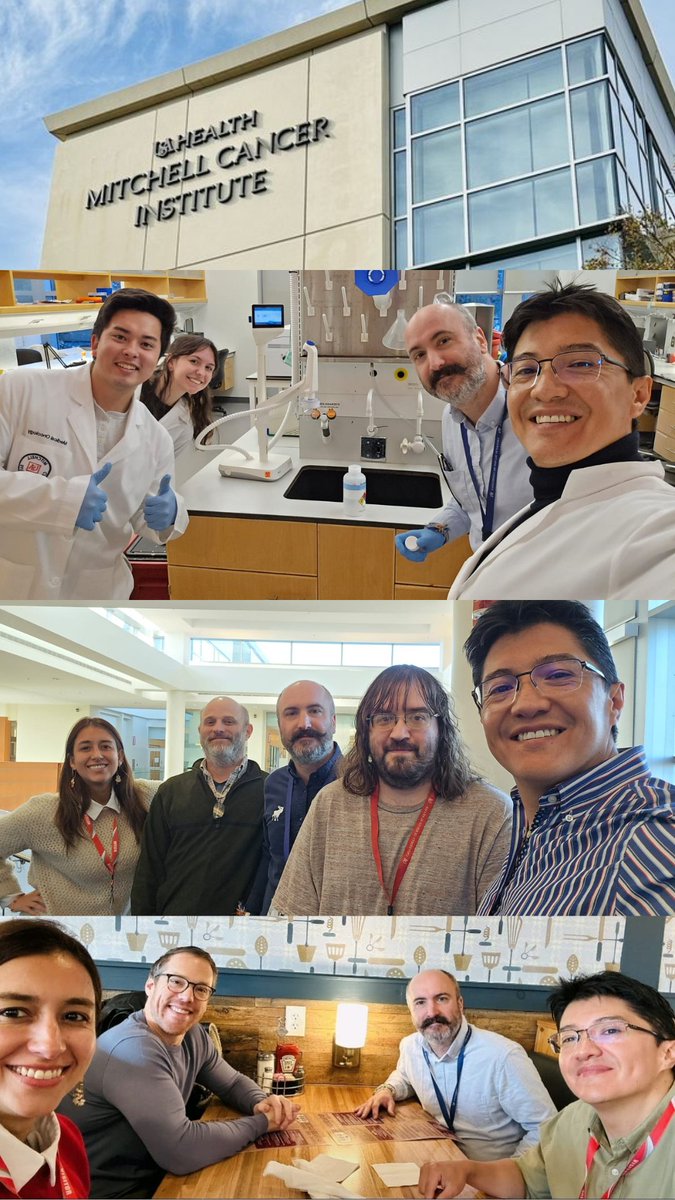
🔬 Exciting collaborations and advances in mitochondrial transfer and cancer biology.
Work from the Simon Grelet Lab at the USA Health Mitchell Cancer Institute using the #MitoTRACER system shows that cancer-associated neurons can transfer mitochondria to tumor cells, enhancing their metabolic plasticity and revealing new aspects of tumor innervation.
This discovery opens new paths to understand mitochondrial transfer in health and disease, with implications for tumor immunity, cancer progression, and regenerative medicine.
🌎 Teams from Chile, the United States, and Ecuador are now working together to expand this research. Our recent visit to the USA Health Mitchell Cancer Institute, together with @Estefany Nova (Universidad de Concepción), @JonBrestoff (WASHU) strengthened our collaboration and ongoing projects.
Proud that our team at the @USFQ_Ecuador School of Medicine is helping move this research forward in Ecuador.
🙏 Thanks to Simon Grelet and his team, @RoosterBio, Jon Rowley, and the @ISCTglobal@ISCT_ESP for supporting the collaborations that make this science possible.
#Mitochondria #CancerResearch #MitochondrialTransfer #ISCT #CellTherapy
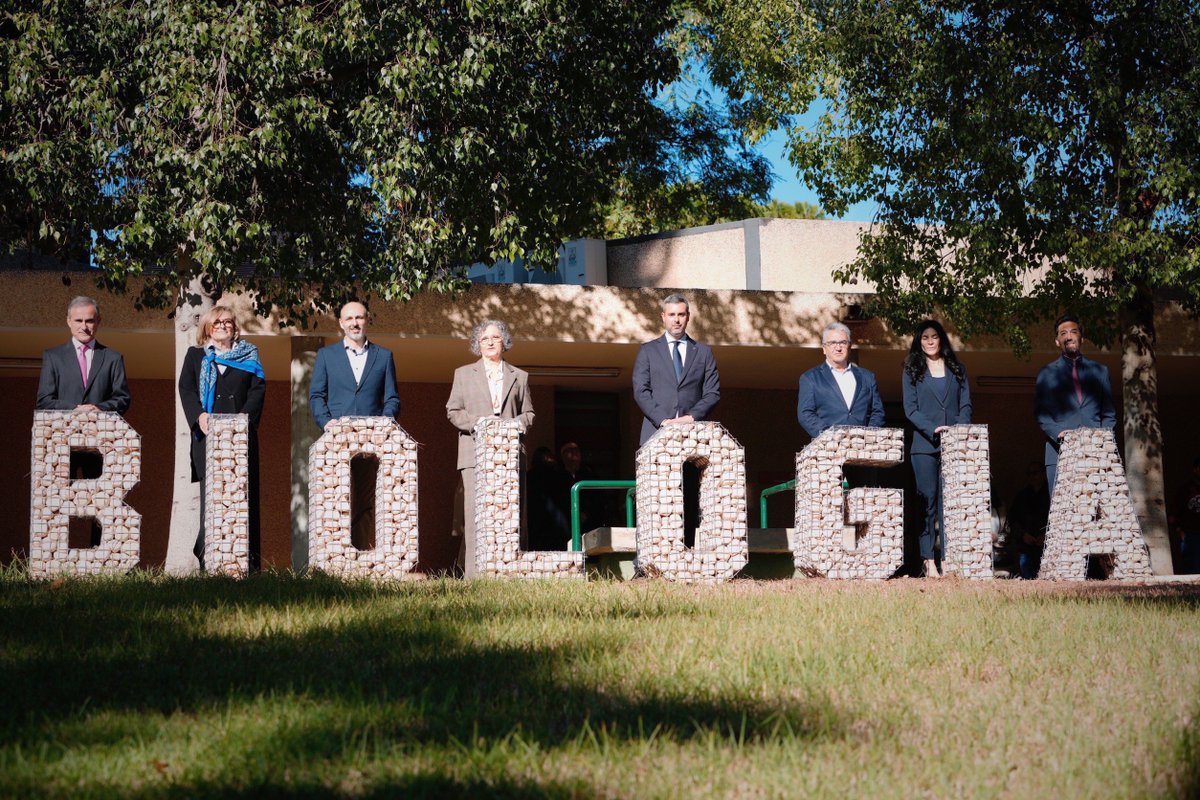
🎓 Enhorabuena a D. Francisco Antonio Guardiola Abellán por su toma de posesión como Decano de la Facultad de Biología, junto a su equipo de vicedecanos y secretario.
Le deseamos un excelente mandato al frente de la Facultad, impulsando la excelencia académica y científica.
@ledropp Dr. Leandro, gracias por aclarar con datos y transparencia. Quienes trabajamos en salud sabemos que mantener y mejorar la bioseguridad, capacidad diagnóstica de las áreas certificadas es un trabajo muy complejo.
Mi reconocimiento al equipo INSPI por su excelente trabajo
✨ Un nuevo capítulo para la genética en Latinoamérica comienza en Cuenca, Ecuador: El Primer Congreso Internacional de Genética Humana & Genómica
📍 Centro de Convenciones Mall del Río
📅 13 – 15 de noviembre de 2025
Visita: https://t.co/c5pcyiBDln
El Servicio Murciano de SALUD (SMS) ha ampliado con tres nuevas patologías el Programa de Cribado Neonatal de enfermedades congénitas que se realiza en la Regió 👶. En concreto, se trata de la hiperplasia suprarrenal congénita, que ya se lleva a cabo, y la atrofia muscular espinal y la inmunodeficiencia combinada grave, que se iniciarán en el último trimestre del año‼️
🔝 Así lo ha resaltado la gerente del SMS, Isabel Ayala, durante su intervención en la clausura del 50 aniversario del Centro de Bioquímica y Genética Clínica (CBGC) @cbgc_arrixaca, responsable del programa de cribado de la #RegióndeMurcia y de Melilla, quien ha subrayado que las 47 enfermedades congénitas que buscamos en todos los recién nacidos a través de la prueba del talón nos posiciona como la comunidad autónoma más puntera de España junto con Galicia, y reafirma nuestro compromiso con la detección precoz, la equidad y la atención personalizada desde el nacimiento.
👉 El objetivo de este programa preventivo-asistencial es detectar de forma precoz una determinada enfermedad congénita, para poder instaurar el tratamiento adecuado antes de la aparición de síntomas en el recién nacido/a, con el fin de evitar mortalidad prematura o prevenir discapacidades físicas o psíquicas asociadas.
👏 Esta ampliación del cribado neonatal es una muestra clara de un modelo de SALUD pública moderno, fundamentado en la prevención, la calidad, la evidencia científica y centrado en las personas, que contribuye decisivamente a mejorar la calidad de vida de los recién nacidos afectados por enfermedades raras y de sus familias, ha afirmado la responsable del SMS.
#murciasalud
Retractan (retiran) el artículo científico que afirmaba que el fármaco hidroxicloroquina era útil contra la COVID-19, algo que resultaba falso desde el inicio de la pandemia.
https://t.co/pBzV7ARDUV
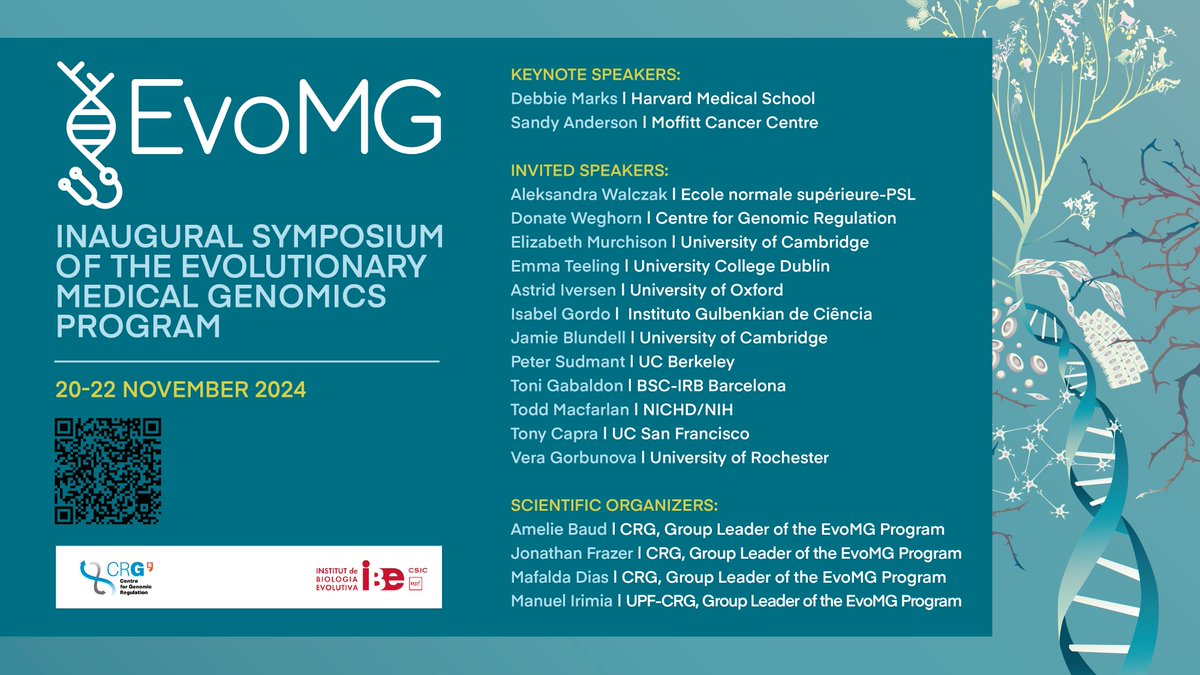
💥Inaugural Symposium of the Evolutionary Medical Genomics Program
Great line-up of speakers covering a wide range of topics, all of which share an evolutionary approach to understanding and/or tackling human disease,
More info and registration : https://t.co/pOm53ciys5
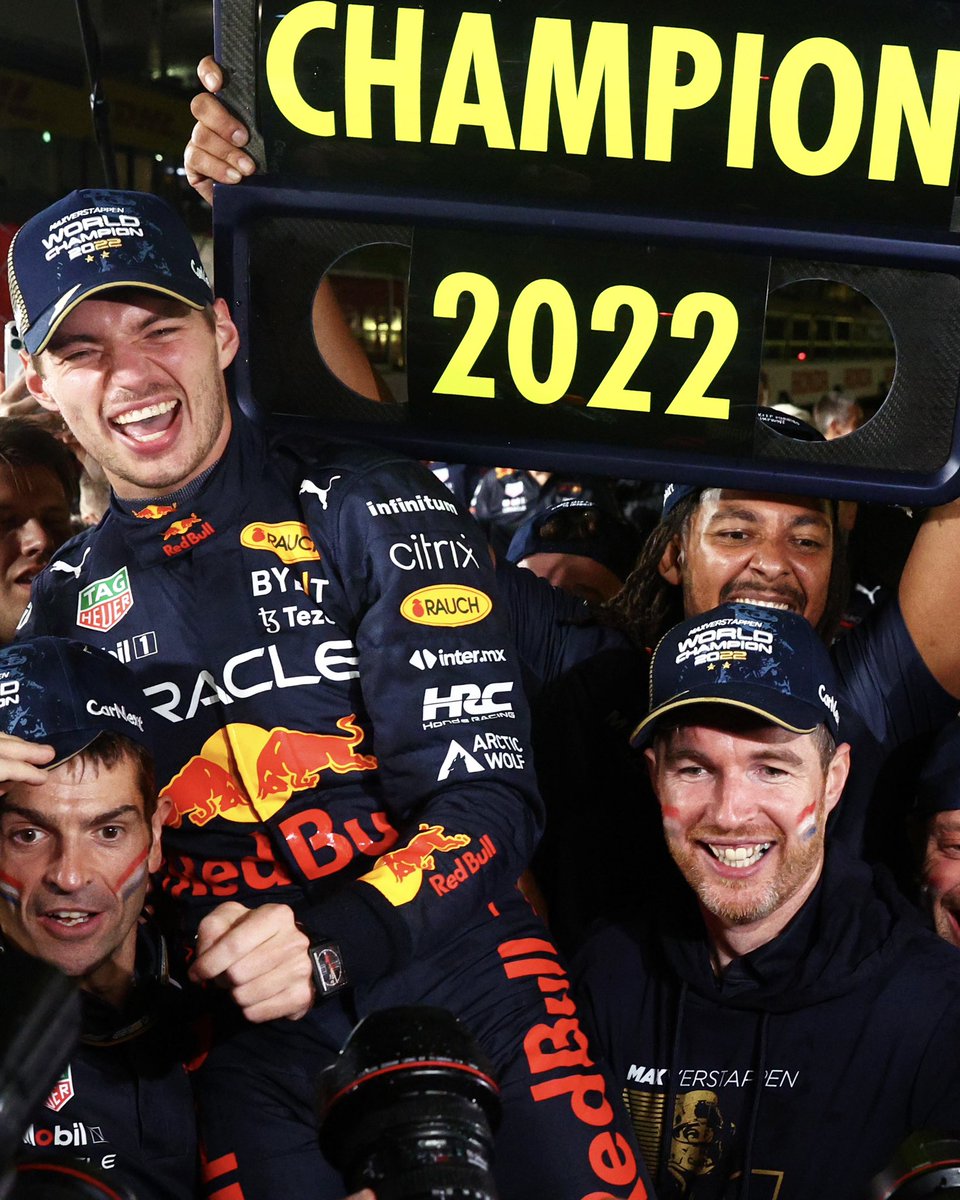
World Champion 2022!!!
We’ve been absolutely on it, the whole year. A season where we had a difficult start but kept it cool, bounced back and never let go.
@EstebanOrtizMD Realmente repudiable. Conozco el caso de un médico que es pediatra y neonatologo de hecho, nunca estudio para esas especialidades y gracias a esto es servido público grado 13 remuneración $2,967.00 imagínense la salud de nuestros hijos en manos de alguien sin conoc. científico
Algunas universidades ya hicieron esto hace algunos años, ya tenemos un grupo importante de especialista de “hecho”.
Ahora el CES lo vuelve a hacer? Existen varias universidades ya ofertando sus postgrados regulares, que promovemos la calidad de especialistas o la cantidad ?
1. Emergence of a new more aggressive adenovirus HAdV-F41 strain with liver tropism.
2. More severe presentation of HAdV-F41 infection due to limited exposure during the last two years.
3. Some interaction between SARS-CoV-2 and HAdV-F41 co-infection.
12/
🧬 ¿Qué implicaciones tiene la secuenciación completa del genoma humano?
Un reciente proyecto secuenció por completo nuestro ADN, abarcando regiones repetitivas de gran importancia ¡que no habían sido secuenciadas hasta la actualidad!
En este post te contamos un poco 🤓