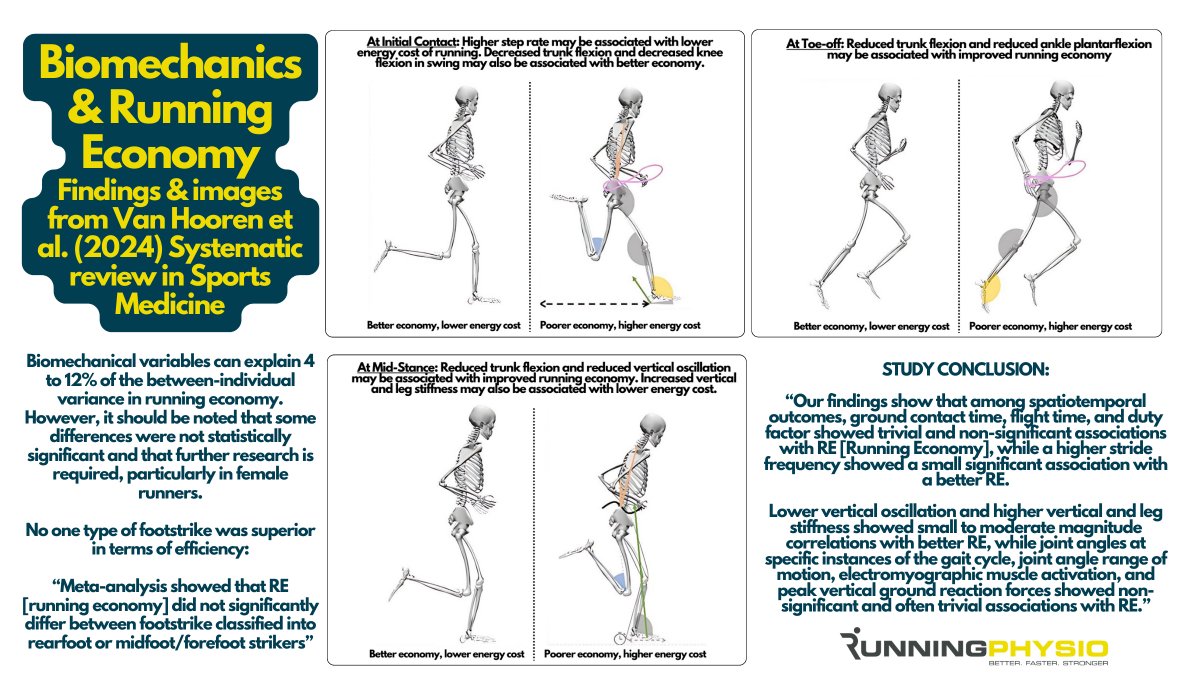
Excellent systematic review of biomechanics & running economy from @BasVanHooren & colleagues: https://t.co/KWYzawlc1D
Increasing step rate or reducing trunk flexion may help efficiency in some runners 🏃♂️
Lots to unpack so we’ve summarised the key findings in this graphic.
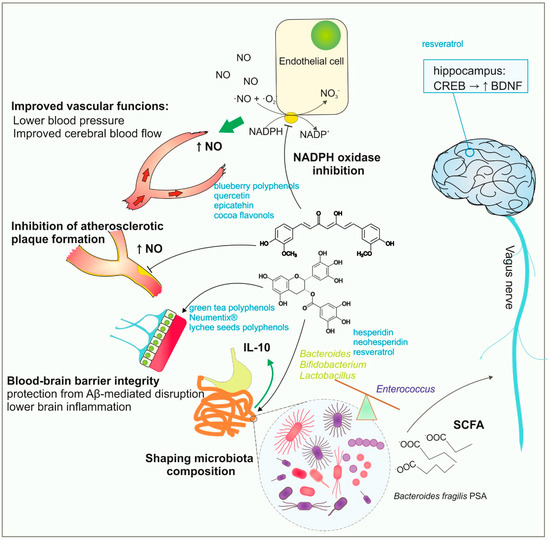
Polifenoles como agentes protectores contra enfermedades neurodegenerativas🧠
🔬 Mecanismos principales:
🔹Antioxidantes y antiinflamatorios
🔹Inhibidores reversibles de MAO (↑ dopamina, serotonina, noradrenalina)
🔹↑ BDNF vía activación CREB
🔹Modulación del eje intestino–microbiota–cerebro
🔹Mejora de la perfusión cerebral y la integridad de la BHE
Do ketone supplements improve athletic performance? Ketone supplements are claimed to enhance endurance exercise performance... but not all studies indicate a beneficial effect https://t.co/eSyisGi3mS
Carbohydrate recommendations relative to body weight https://t.co/TAyZyXFvyA
When it comes to carbohydrate intake during exercise, recommendations are provided in g/hr. A recent study challenged this view. This blog asks: should we really change the recommendations?
🚶♂️Los pasos que damos cada día pueden decir mucho sobre nuestra salud y riesgo de mortalidad, a corto y largo plazo.
📉 Un meta-análisis con más de 175.000 personas demostró que cada 1.000 pasos adicionales se asocian con un 12% menos de riesgo de mortalidad.
Sin embargo, estudios más recientes muestran que este beneficio no es siempre lineal: este “techo” depende de la edad.
🔹 En personas jóvenes, caminar más de 10.000 pasos al día no ofrecería mayores beneficios, mientras que en mayores de 60 años este límite baja a 8.000 pasos.
🤔 Y aquí está el problema: el promedio de la población se queda en unos 5.000 pasos diarios, claramente insuficientes para maximizar estos beneficios.
Además, la última evidencia nos muestra que hay una variable que quizá no tengamos muy en cuenta pero que ha demostrado ser un potente predictor de salud: la velocidad a la que caminas.
🎧 En este audio-artículo analizamos a fondo este tema: número de pasos recomendados para grupo de edad, y la importancia de monitorizar la velocidad, sobre todo en personas mayores.
Puedes leerlo o escucharlo pinchando en el link 👇
https://t.co/8DoP0QPzpZ
Y tú, ¿tienes en cuenta la velocidad de los pasos?
Esperamos que te guste.
Exercise volume or intensity: which is more important for promoting training adaptations? 🫀🫁
A recent meta-analysis explores this question & provides evidence on how training variables influence mitochondrial content, capillarization, and VO2 max.
Let’s explore. 👇🏼
What causes muscle cramps during exercise? Muscle cramps are common, and the cause is not well understood, but there are a few hypotheses. Read the blog for more: https://t.co/AdVjZhLa82
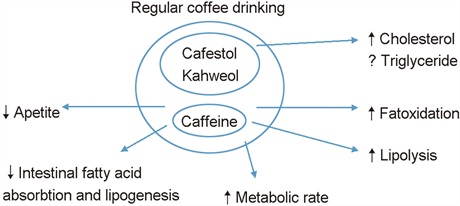
El café tiene efecto antioxidante, antiinflamatorio y suprime el apetito.
✅Su consumo moderado se asocia con menor riesgo de muerte por enf. cardiovascular, obesidad, diabetes, hipertensión, arritmias y mejor supervivencia general💪☕
#dieta#ECV#cafe
https://t.co/Da6hqFngkm
El músculo como órgano metabólico y no solo estructural 💪🏽
Mucho cuidado con la pérdida de masa muscular, no solo se trata de perder fuerza (que ya es bastante malo), y el peso por sí solo no es el objetivo, sino la composición corporal.
Se habla mucho del MAGNESIO y poco del POTASIO
☝️El potasio regula funciones nerviosas y musculares, el equilibrio ácido-base, la presión arterial, contribuye a reducir la celulitis, mantener un peso corporal saludable y la salud cardiaca, renal y ósea
https://t.co/pc1q1SO3YO
More than one in three athlete, exercise enthusiast, military personnel eats less than what the body needs. This Relative Energy Deficit in Sport (REDS) is often ignored. Nice to see a timely review in Endocrine Reviews. @WuTsaiAlliance
https://t.co/tusjlaTMFD
Intensity or Volume of Physical Activity: Which Is More Important for Health?
How do the volume, intensity, and duration of physical activity influence the risk of mortality among US adults? This study has the answer.
5 Key Points From The Study:
1️⃣ Physical activity promotes longevity and helps prevent and manage chronic disease. WHO now emphasizes that "every minute counts," removing the 10-minute physical activity bout requirement.
2️⃣ This study analyzed 14,534 participants to assess how physical activity volume, intensity, and duration impact all-cause and cardiovascular disease mortality.
3️⃣ Findings suggest that physical activity intensity distribution throughout the day is more important for reducing mortality than total volume, highlighting the need for higher-intensity physical activity in daily routines.
4️⃣ Higher physical activity intensity is strongly linked to reduced mortality, especially from CVD, with even small amounts of intense activity offering significant health benefits.
5️⃣ Intensity is a main driver of reduced mortality risk suggesting that the intensity of physical activity rather than the quantity matters for health.
Like, Retweet and Bookmark🔖
Study Link: https://t.co/x3AmgKaQx2
Iron absorption is important, if not critical for endurance performance. The hormone hepcidin is a major regulator. This blog outlines tips rto maximise iron absoprtion https://t.co/3ttOvw4zLq
The GLP-1 drugs have favorable actions well beyond weight loss. How? A succinct @ScienceMagazine review by @DanielJDrucker, a pioneer of the field
https://t.co/IJeF9CGGxX