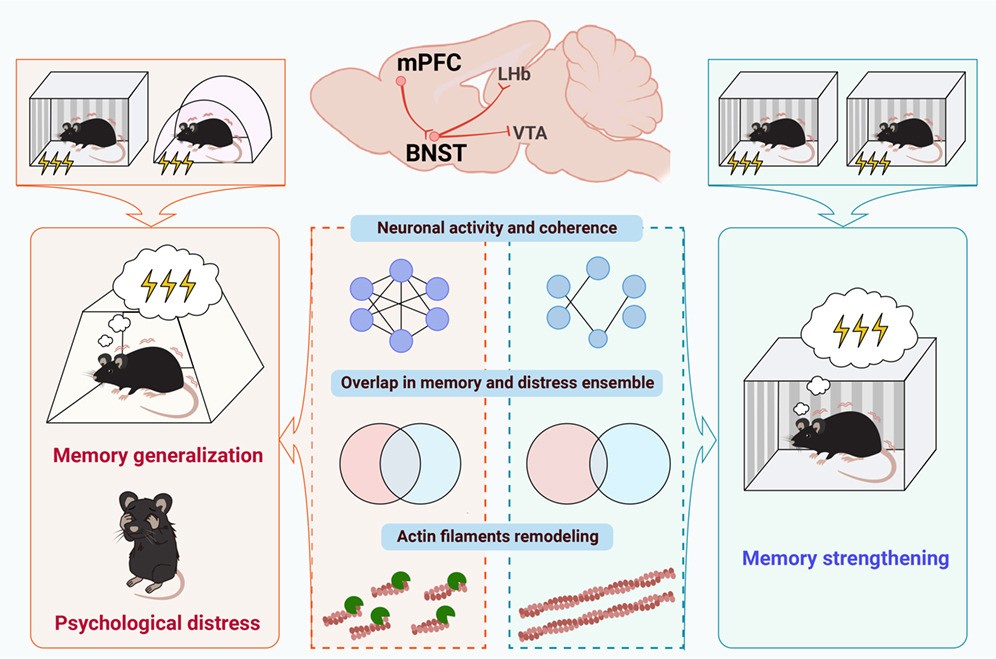
New in @The_InnovationJ! Generalization of negative memories drives the development of psychological distress-related behaviors.
Chen et al. developed behavioral paradigms to dissociate memory generalization from strengthening and found that negative experiences leading to memory overgeneralization, but not those enhancing memory strength alone, triggered stress-related behaviors in mice.
https://t.co/yWaHoxTKiO
#depression #neuroscience
Proud to share our latest work: Generalization of negative memories drives the development of psychological distress-related behaviors: The Innovation https://t.co/5hHD9EEwE8
A one-time gene therapy can markedly slow the progression of Huntington’s disease, potentially paving the way for the first ever treatment to alter the course of this rare, inherited brain disorder.
https://t.co/Im3kL0reQM
Location, location, location! Now out in @NatureCancer, the final version of our study showing how a tumor's anatomic site can impact the function of driver gene mutations, using SMAD4 inactivation in pancreatic cancer as a clin. relevant example: https://t.co/rRu6RYpNWX. (1/3)
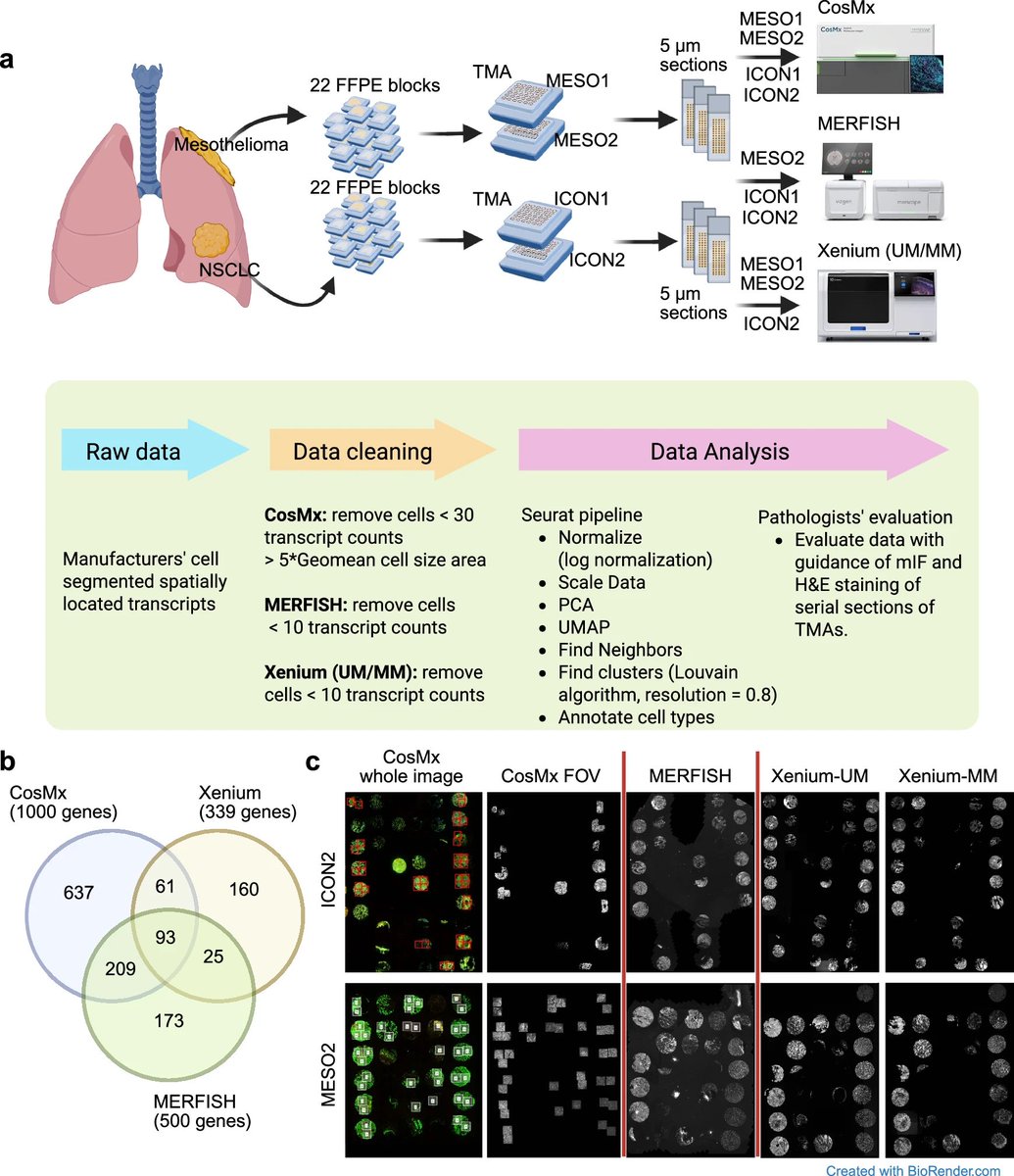
CosMX, MERFISH, Xenium… so many choices, so little time and money!
Nice study from @MDAndersonNews comparing these single cell resolution platforms in archival materials.
https://t.co/y4Xts0Y9LK
TL;DR there is no one perfect answer. Many factors including block age matter.
Our first work trying to target PDAC, in which we have found that VGF‐derived TLQP‐21 ameliorates tumor progression, pain, and depression‐Like behaviors in a mouse model of PDAC! More stories are coming! https://t.co/TBVPDti15T
Excited to share our new findings: the study emphasizes the role of memory generalization over strengthening in depression, highlighting mPFC-BNST as a critical circuit mediating this effect and actin remodeling in this circuit as a critical molecular mechanism.
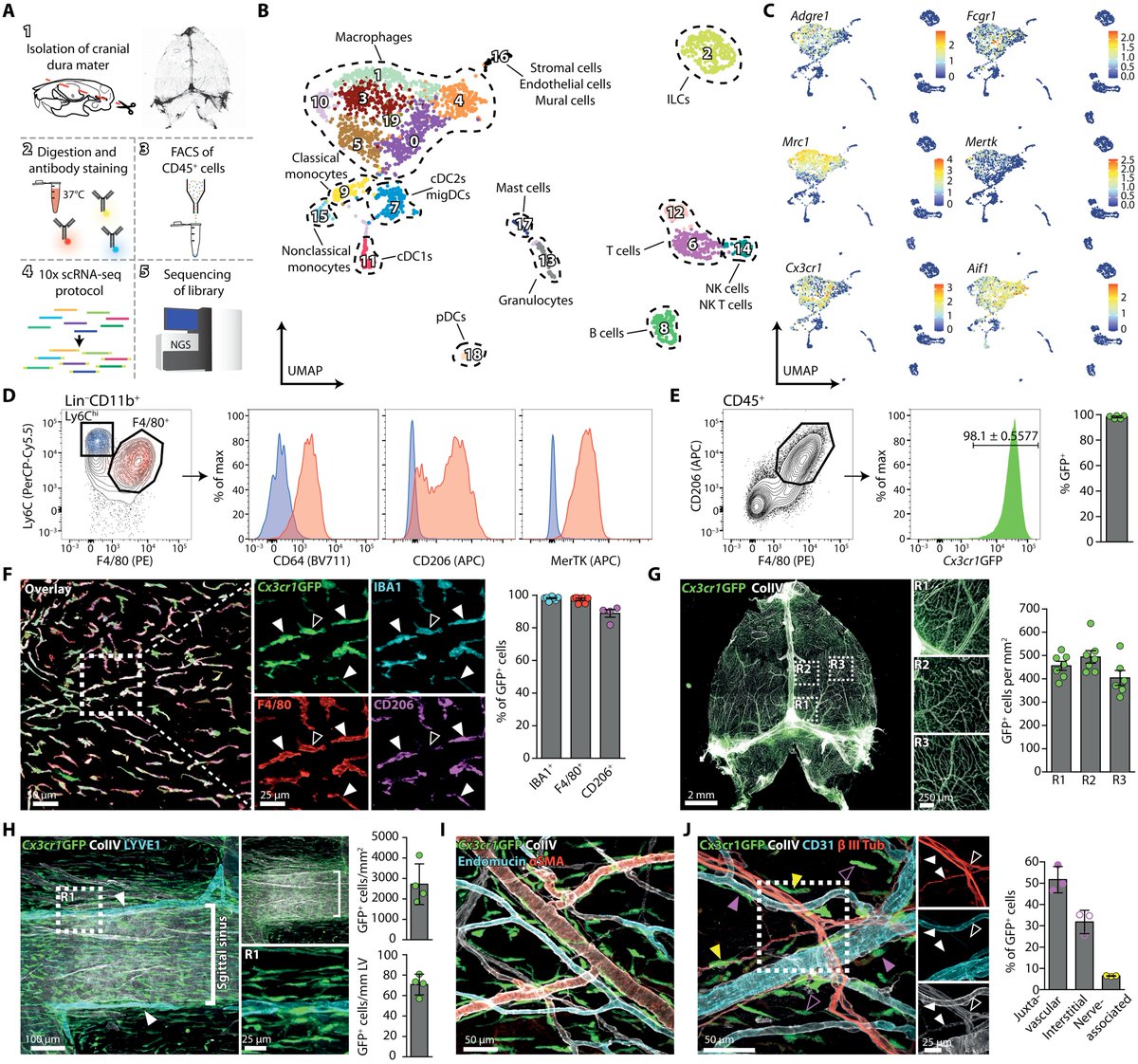
Excited to have this work finally out… it addresses many controversies in the field and the take home message - if you are imaging your mouse keeping it in a particular head position, make sure to emphasize that because your data will be different from mouse images with another head position.
Brain cancer leverages the same tools as the developing brain 🧠! In our new study, published today in @Nature, we mapped neocortical development to explore brain cancer and neuropsychiatric risks. #stemcells#brainresearch
https://t.co/8t8WHyQiS4
Glad to share our new findings, published in Nat. Commun. : 40 Hz blue light activates a visual circuit to boost glymphatic drainage, and enhances memory, motivation and anti-Abeta therapy in a mouse model of Alzheimer’s disease. https://t.co/1YZPeGxNtE
A Deep Learning Approach for the Identification of the Molecular Subtypes of #PancreaticCancer Based on Whole Slide Pathology Images
Can H&E images be used to train a model that can stratify basal & classical subtypes of pancreatic cancer? The ground truth used for training the #AI model was TCGA images with subtypes based on the published PurIST algorithm. Two external validation cohorts were used. A two step process was deployed, with step 1 separating tumor regions from normal, and step 2 further sub classifying tumor regions into transcriptomic subtypes. Interesting but not surprising how much morphology (gland forming versus not) correlates with molecular subtype.
Paper link below: