Is it possible to change belief in free will with a quick manipulation?
Answer seems to be: There is only an effect if you measure free will belief *immediately* after the manipulation… no effect if you measure free will belief even a few minutes later
https://t.co/Ndqd1kvFaI
HISTORY OF PHILOSOPHY v6 Launched!
I’m proud to announce the most extensive upgrade in the visualization capabilities and the user interface & experience of my History of Philosophy project since 2018. The post has the details, summary in the thread ↓
https://t.co/Dur55QkLtu
The journal Cognition – arguably the top journal in cognitive science – has published *ninety-nine* experimental philosophy papers
Clearly, experimental philosophy is now very well integrated into the broader field of cognitive science
Very happy to invite you to the third online talk in our series. Next Thursday, 11th June, 4pm CET, Pascale Willemsen and Lucien Baumgartner. Everyone welcome!
Link: https://t.co/LJWRu09973
Meeting-ID: 651 0778 6432
Kenncode: 235823
Representing possible alternatives lies at the heart of moral judgment. As LLMs become embedded in our reasoning processes, they change the set of alternatives we bring to mind.
Our #CogSci2026 paper shows that AI might be making us judge people harsher⚖️
https://t.co/HaQTq7MXWz
Latest papers: Mara Floris, Cristina Ganz & Annamaria Grisorio analyse how epistemic and affective injustices intersect in clinical encounters, showing how power asymmetries sustain delay in Endometriosis diagnosis https://t.co/tfi6jOJDfr
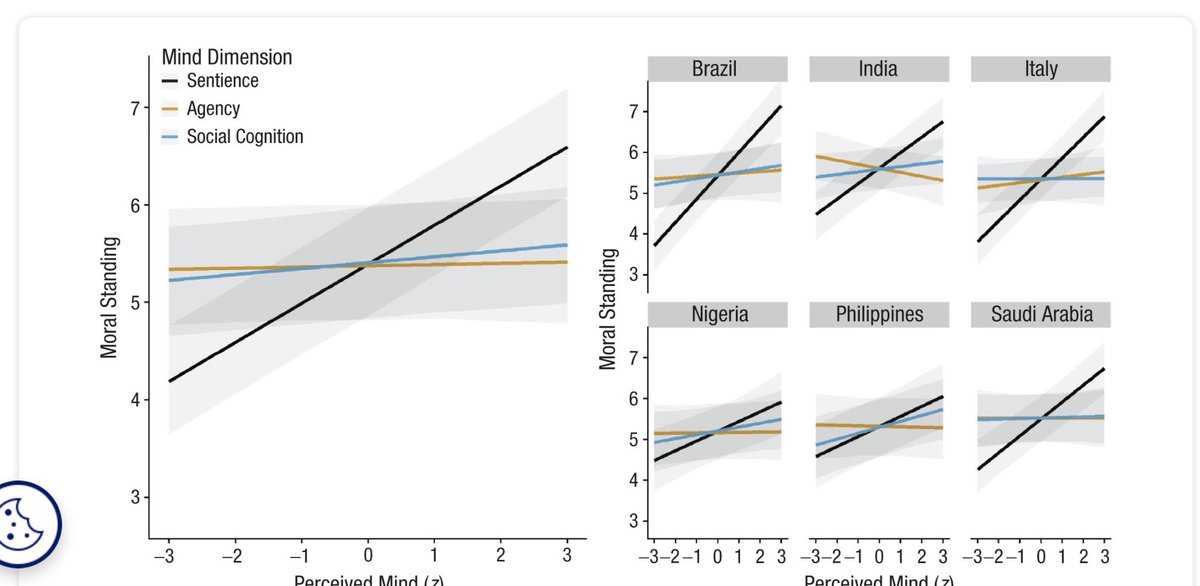
How do people decide whether it’s wrong to harm a pig? A chimp? A baby?
In the West, these judgments are based more on *experience* (being able to feel) than on *agency* (being able to think and act)
Study from @bxjaeger finds that same pattern across other cultures
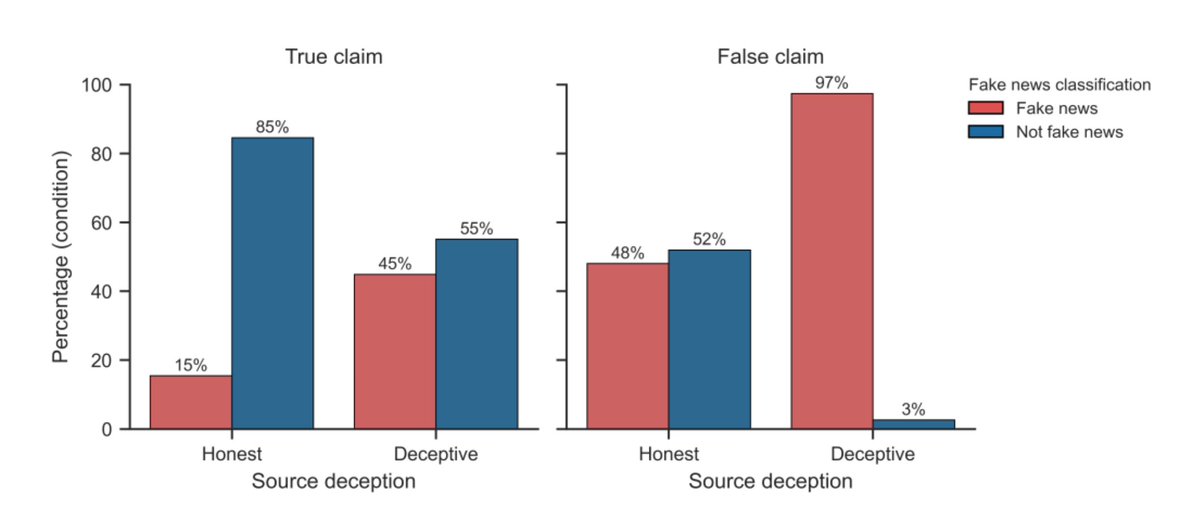
What is the folk concept of FAKE NEWS? M. Kürthy & I ran some studies (N=1200), showing falsity and source deception (posturing as a reliable newspaper) increase fake-news classifications. Conservatism also plays a role. Preprint: https://t.co/6IqSw0bh4t
Beautiful experimental philosophy paper on what people ordinarily mean when they say that a statement is “true”
Turns out it’s not always about corresponding correctly to the facts. Sometimes it’s more closely related to a moral ideal of “truthfulness”
https://t.co/K2P7BfdFtp
In this new paper, we look at some different dimensions on which beliefs vary:
- Is the belief deeply important to your identity?
- Would you change your mind if you got evidence against it?
- Is it best described in terms of credences (“pretty sure”), or is it more yes/no?
1/
There’s growing evidence that something was going very seriously wrong in the classic early work on cognitive dissonance
Latest revelation is that the story of When Prophecy Fails was fabricated in fundamental ways
More below
H/T @mbialek82
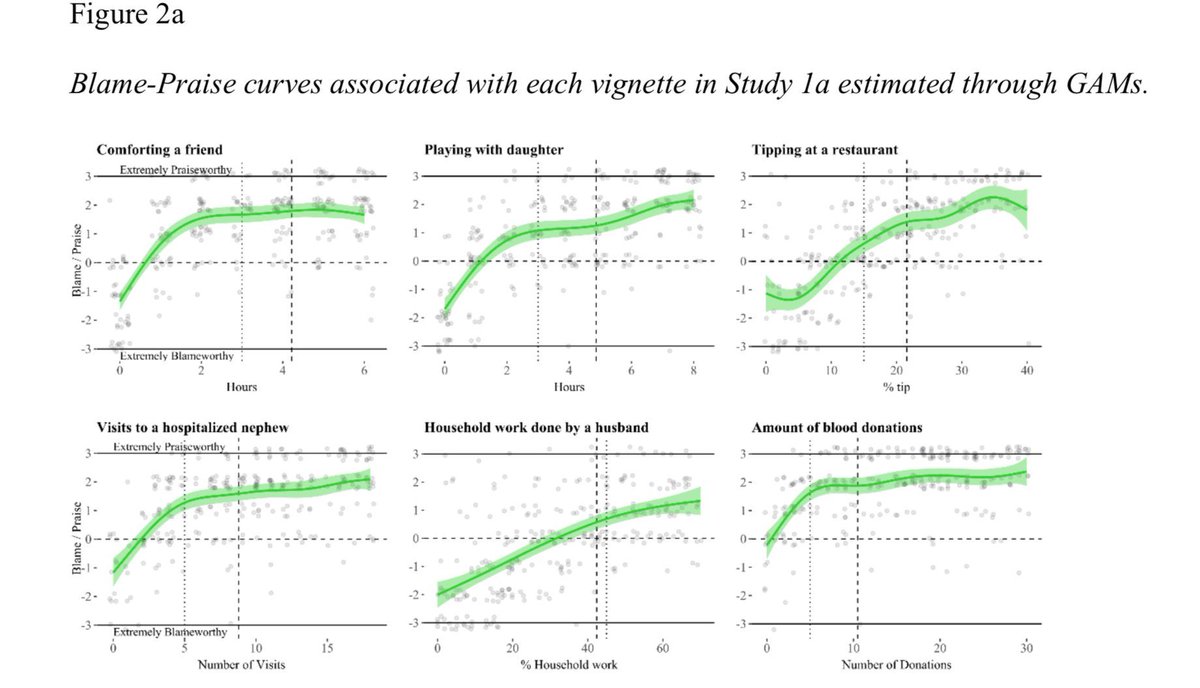
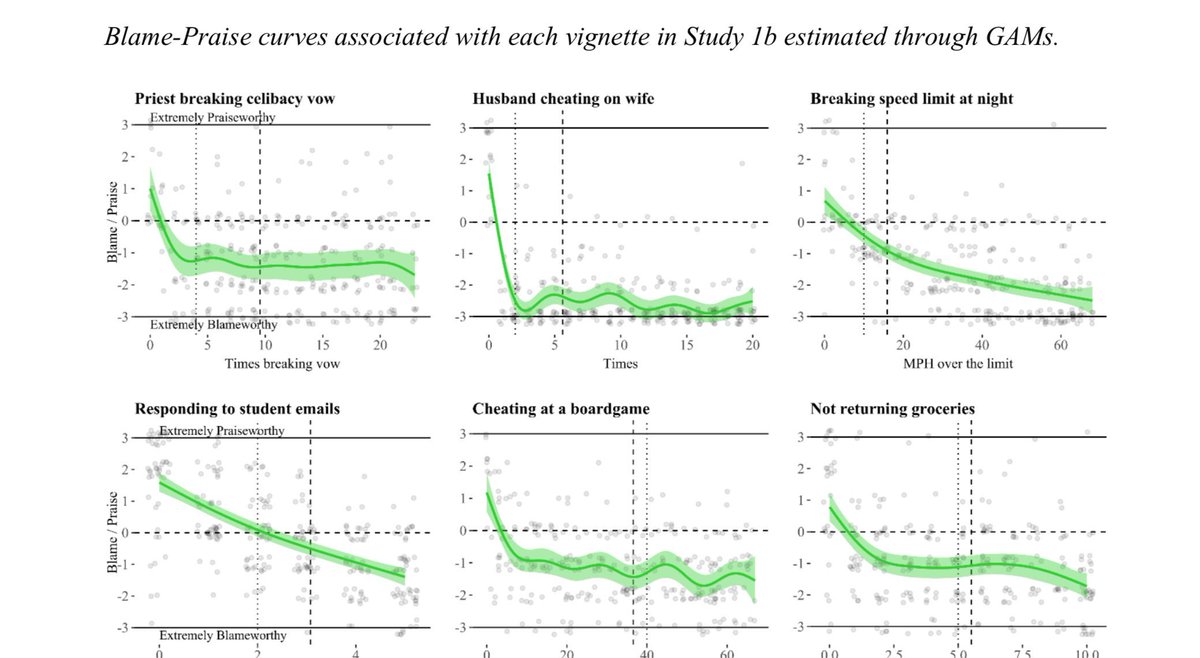
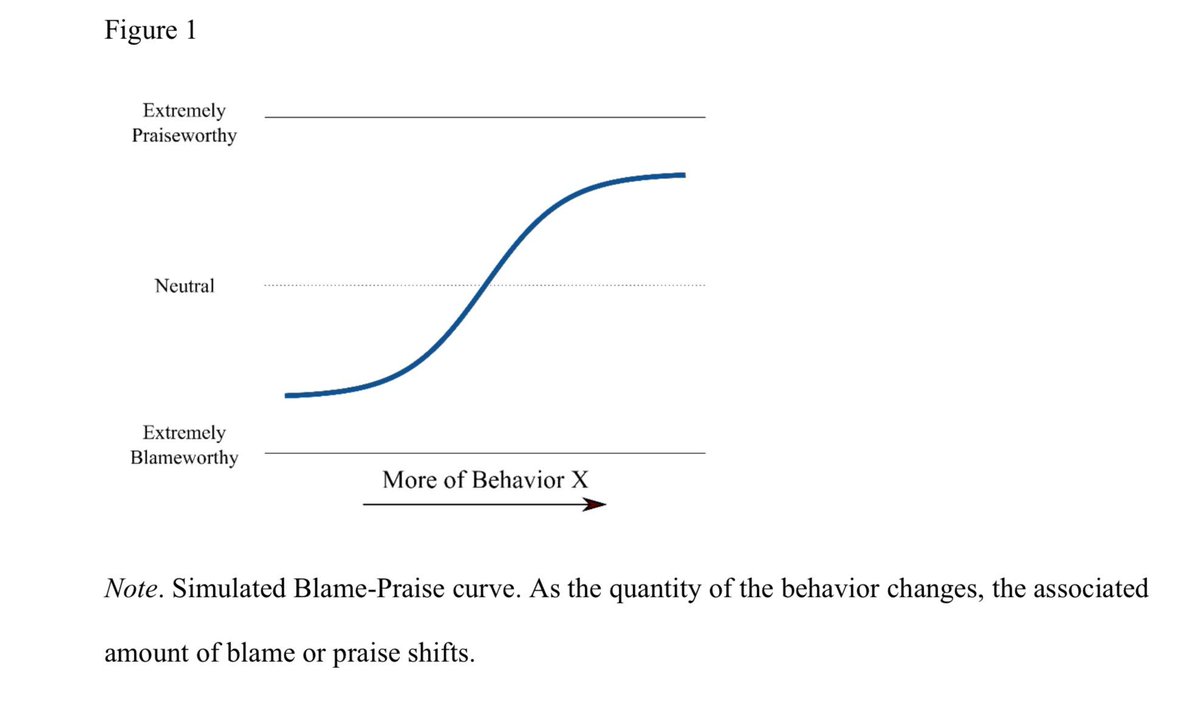
We judge many behaviours as praise- vs blame-worthy based on the value of a continuous quantity (eg reaction time).
Research by @dhbostyn & @xphilosopher finds we do not judge this based on a statistical norm, but on the behaviour’s perceived frequency:
https://t.co/Se9AU9qBN5
In philosophy of perception, we find different intuitions pulling people in opposing directions.
These new studies show something about that opposition
It is not: different people having different intuitions. It is: each individual person having *conflicting intuitions*
People sometimes face a conflict between intuition (system 1) and reasoning (system 2)
In cases like these, which will be seen as the person’s true self?
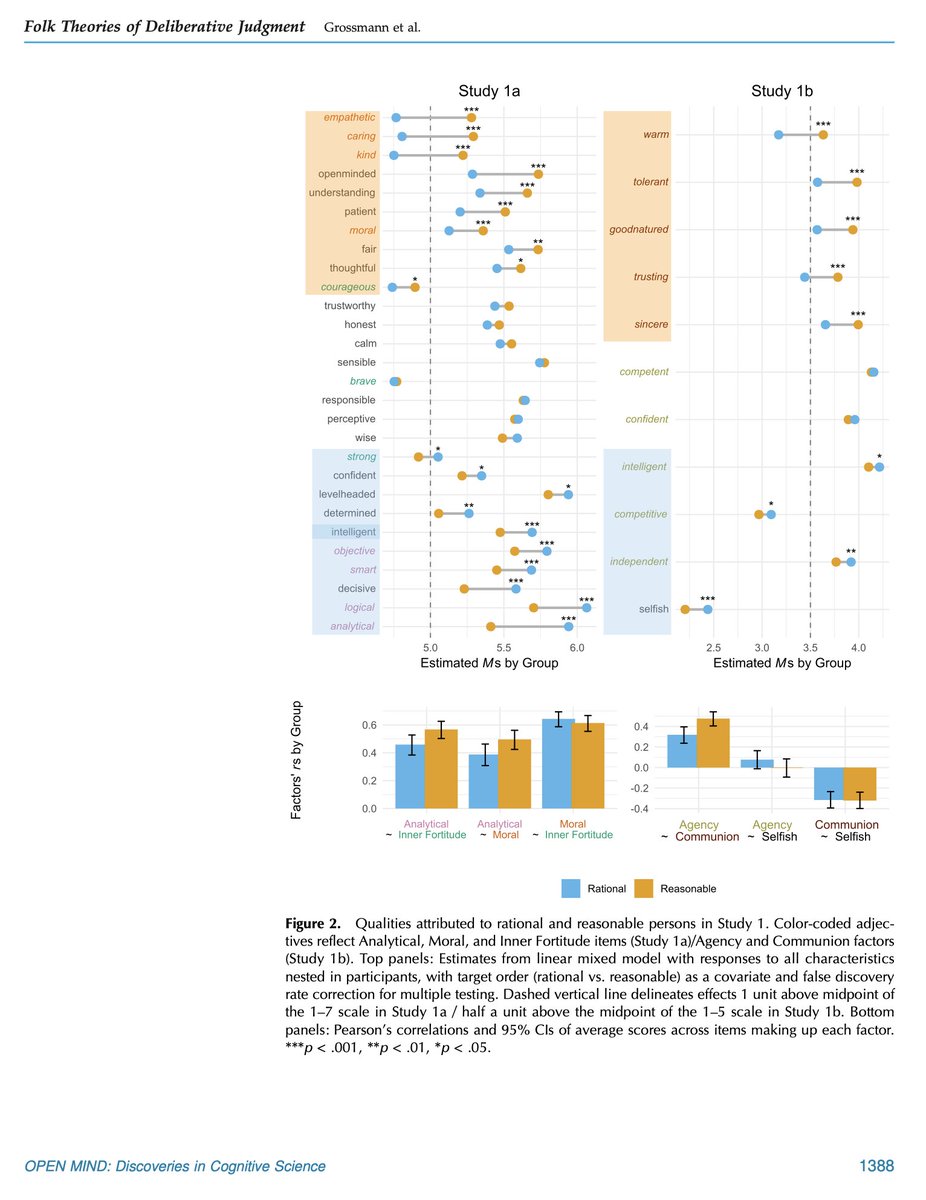
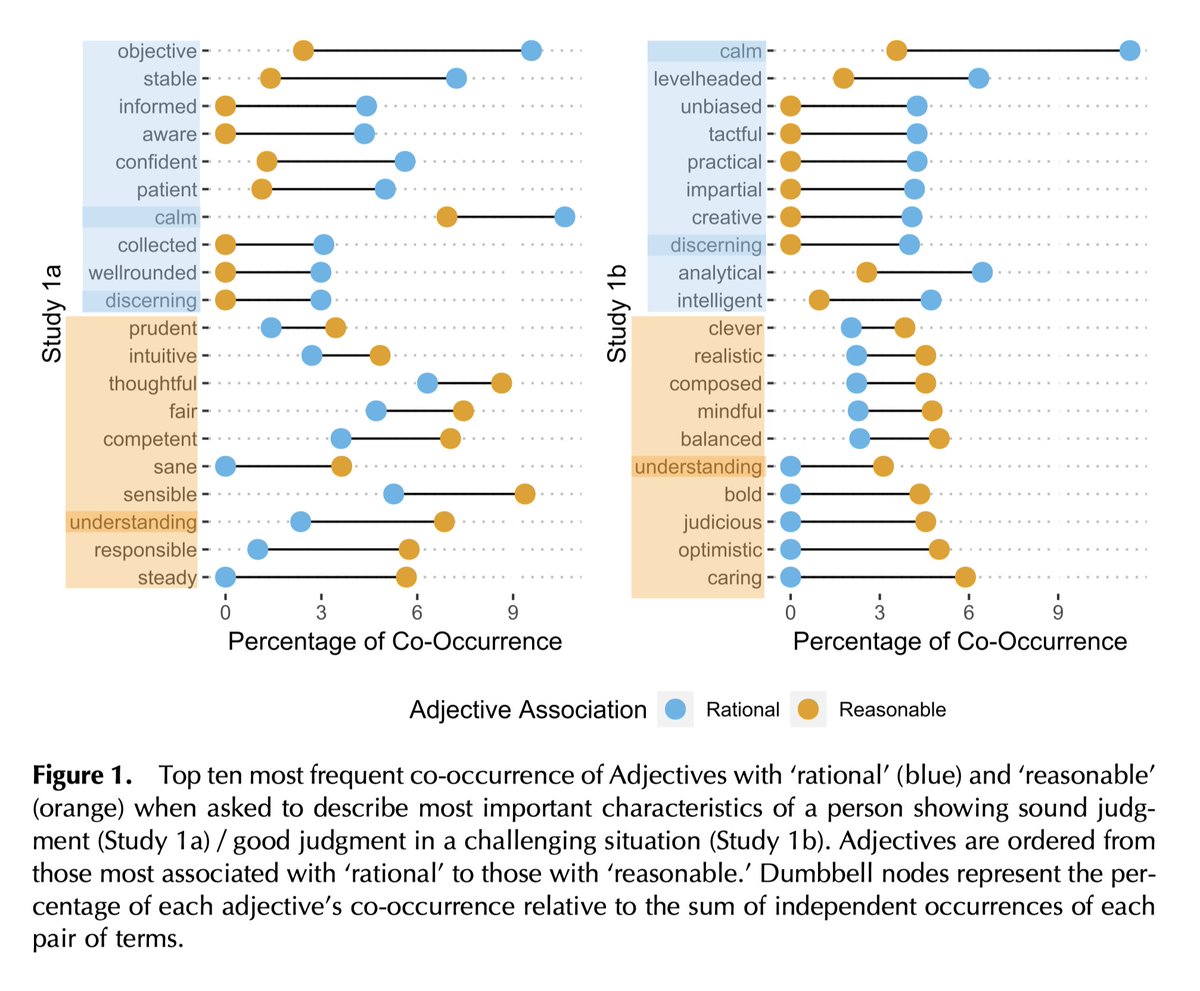
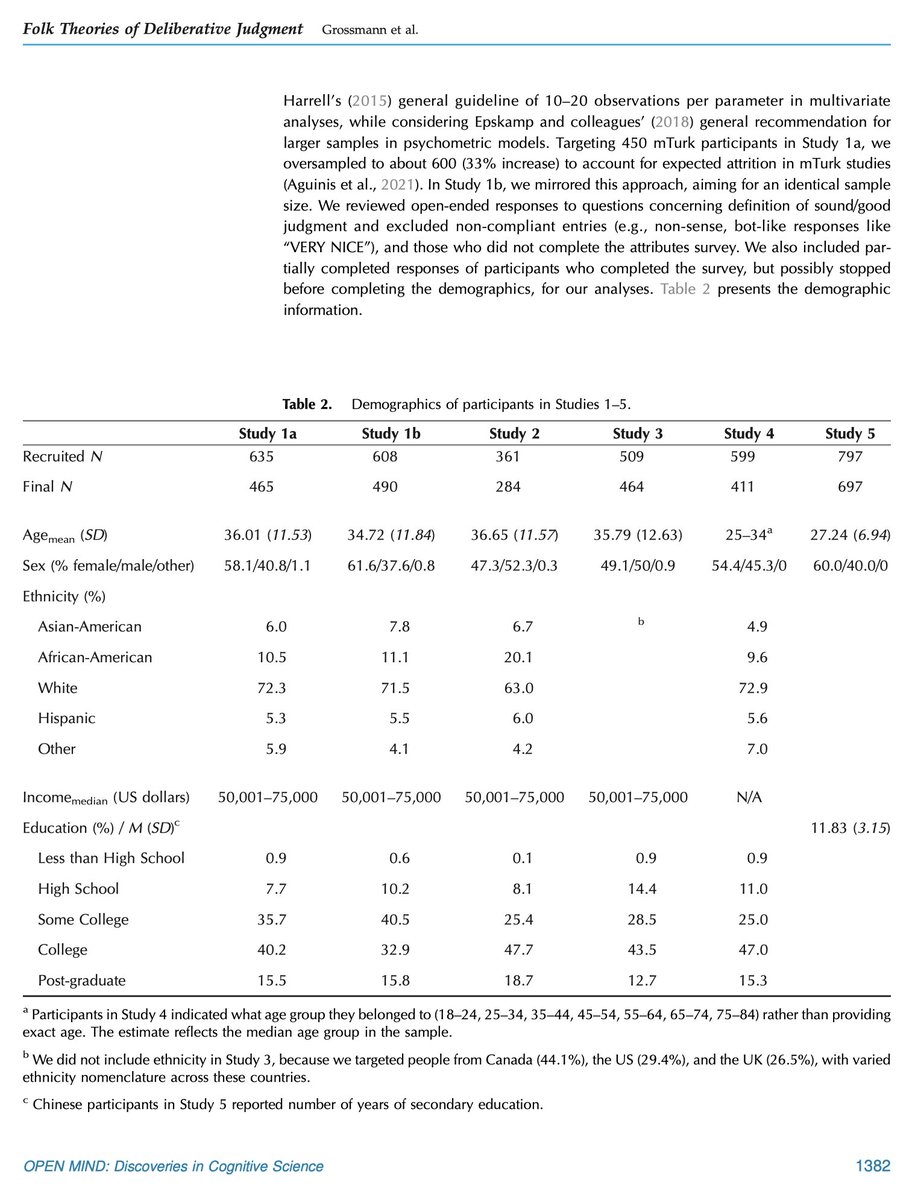
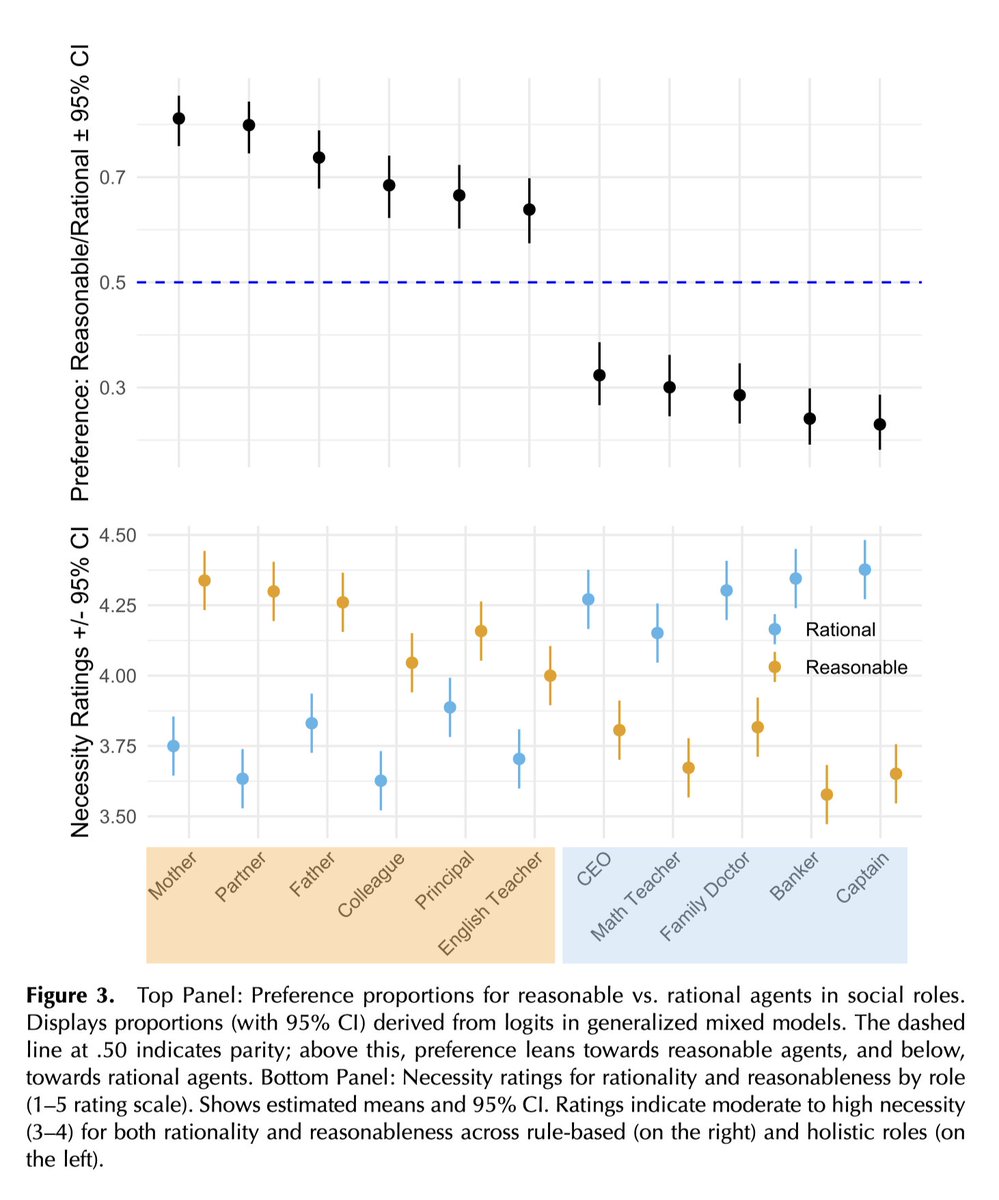
Might the concept of "good judgment" vary by framing or social roles?
Five studies of four nations (🇺🇸🇨🇦🇬🇧🇨🇳) found some words and roles were more associated with "rational" than "reasonable" (and vice versa).
https://t.co/Irirvp2qlX
#CogSci#xPhi#linguistics#dataViz
Here is a ‘blame-praise curve’ for helping a friend in need
People think the average friend would help for more than 4 hours, but they think you would be praiseworthy even if you help MUCH LESS than the average
Our new paper explores these puzzling blame/praise curves
The Wicked and the Ill | "This study investigates the influence of evaluative judgments, specifically regarding an individual’s moral character, on judgments of health and disease."