@annabelcrabb I found your analysis piece today - posted on the 17th and I was just in so much awe at how well written and considered it was. I thoroughly enjoyed reading it. Thank you for delivering such articulate excellence into my life!
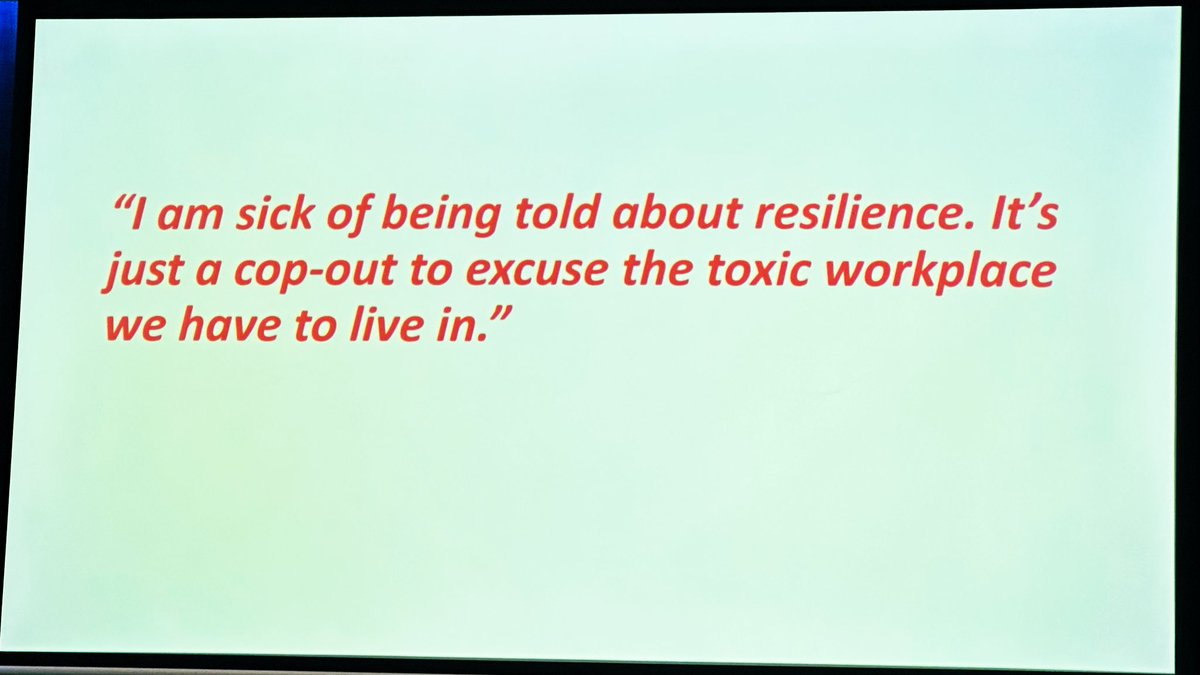
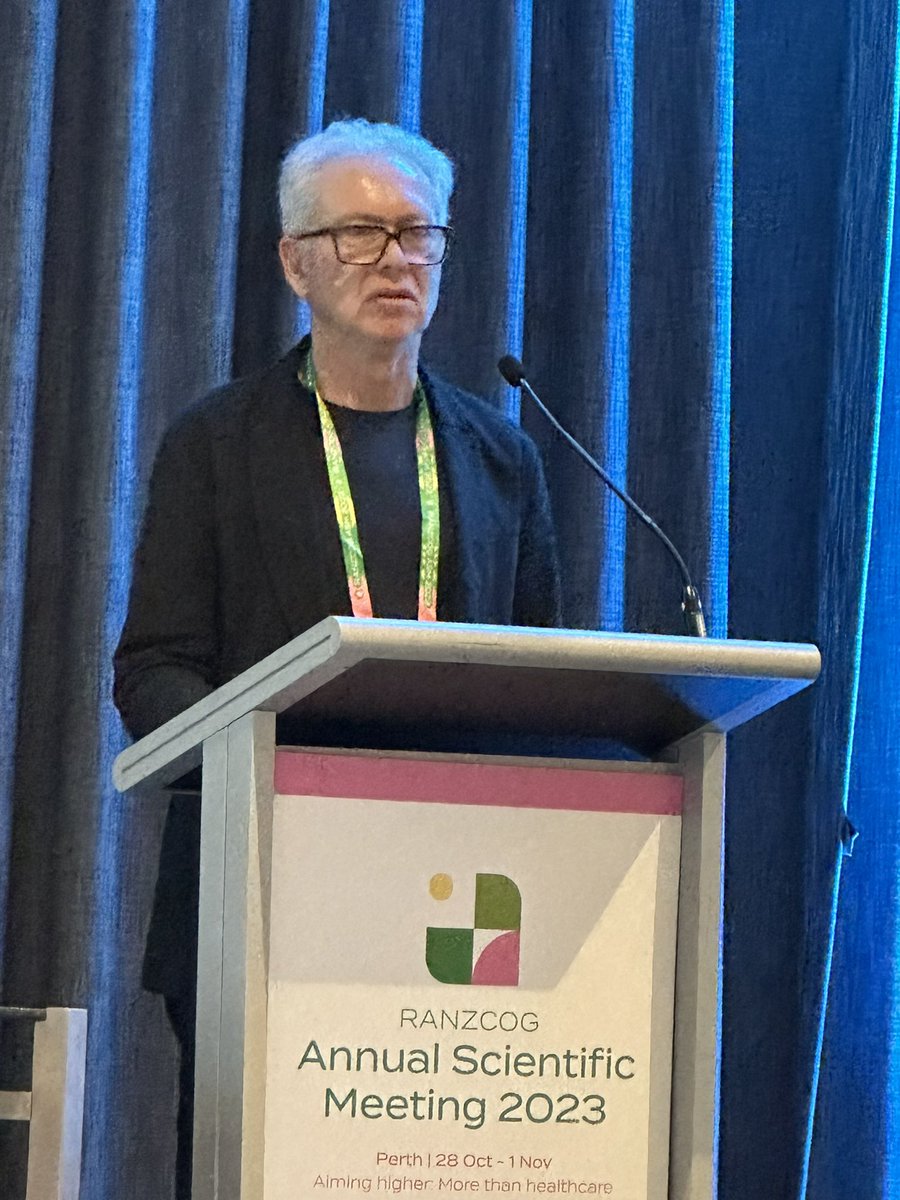
Resonating strongly with this opening slide from Prof Richard Turner (general surgeon, Hobart) talking about the need to redefine resilience as the ability to speak up or change our environments, *not* the ability to absorb endless amounts of unacceptable behaviour. #RANZCOG23
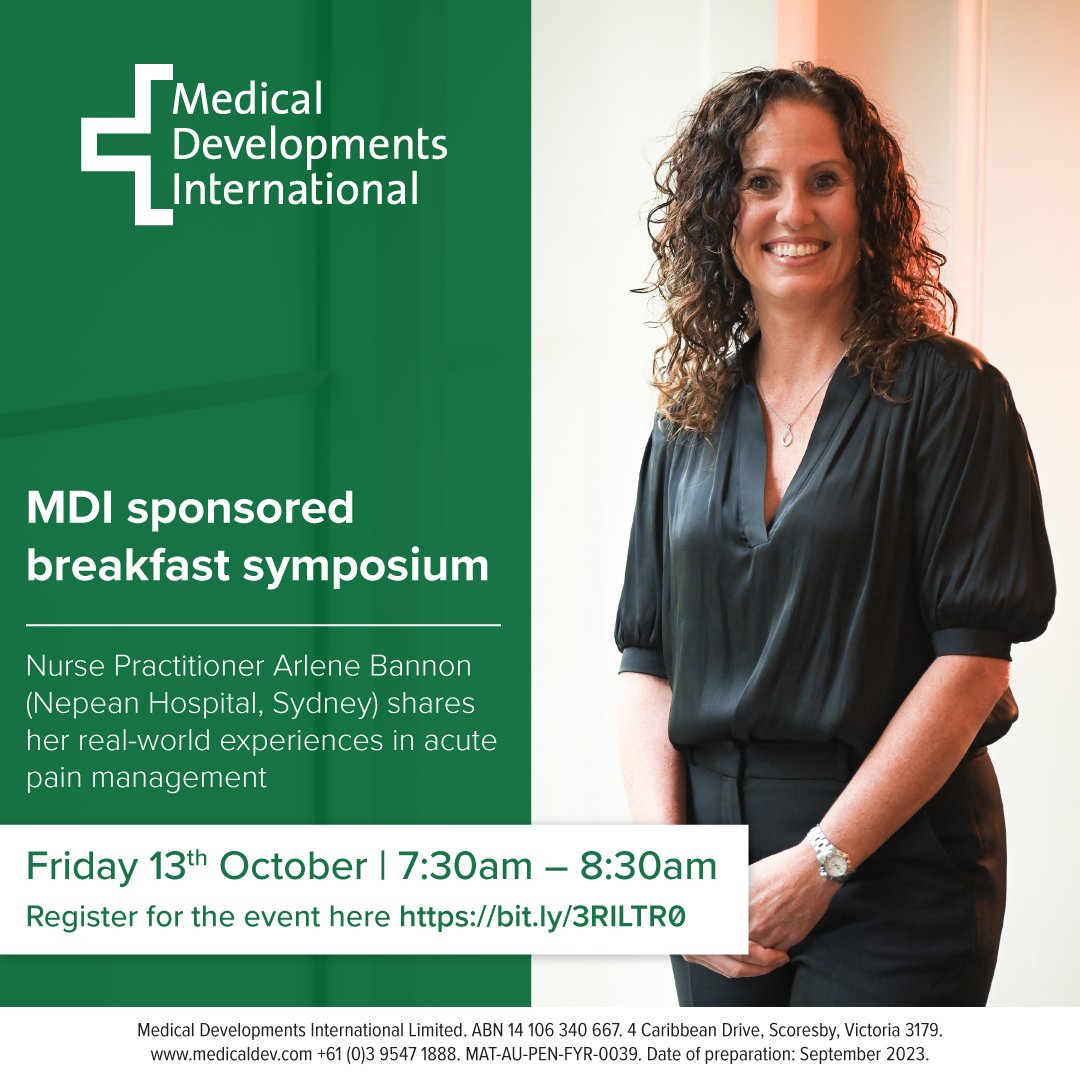
ACNP is excited to have Medical Developments International as Breakfast & Bronze Sponsor! MDI is Australian & specialises in healthcare, supplying innovative respiratory & pain management solutions. Book your free place @ the 2023 breakfast with MDI via the link in our bio.
Detecting cell boundaries seemed straightforward, until I applied a square root transformation. You'd be amazed at all the stuff lurking in the depths of your histograms.
BREAKING NEWS
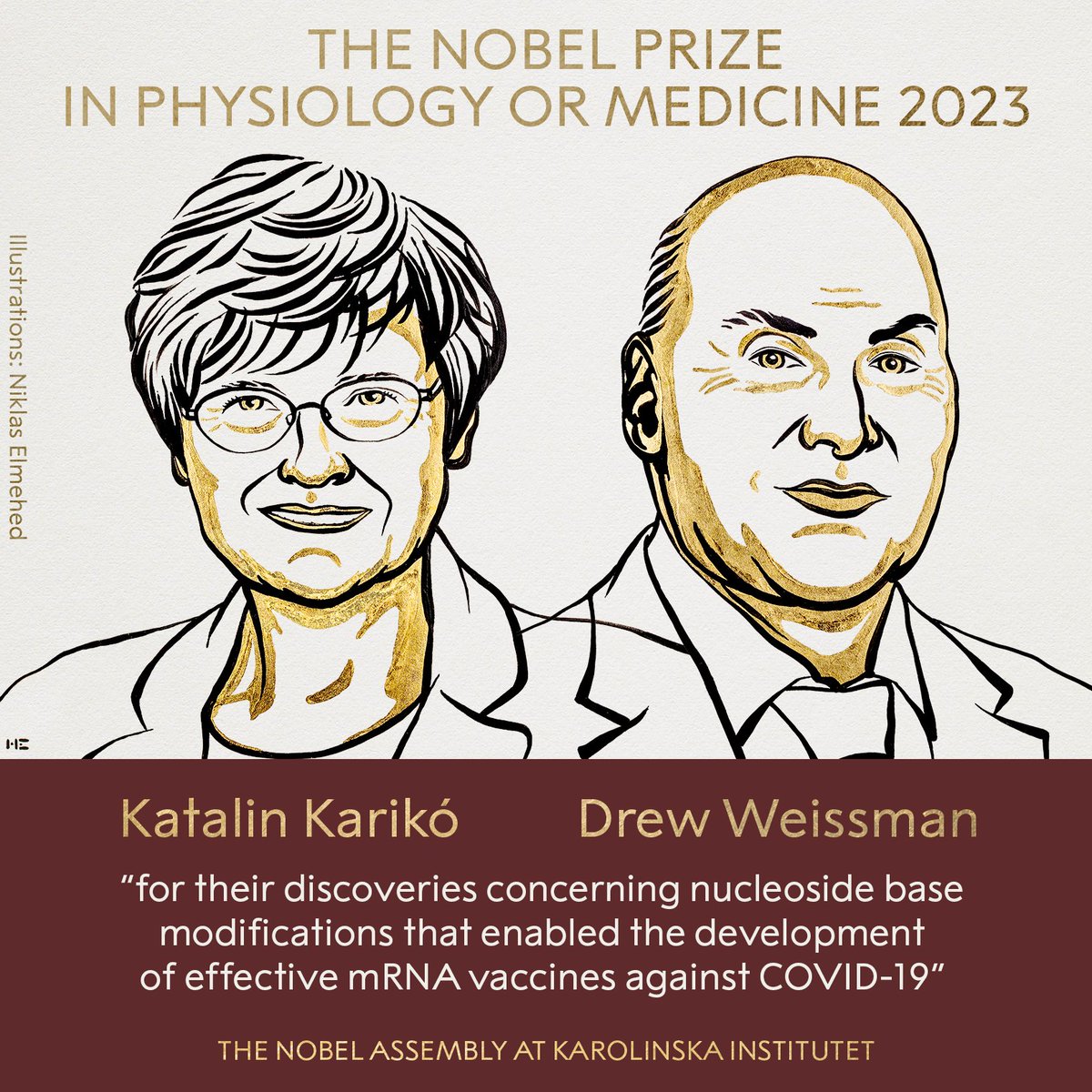
The 2023 #NobelPrize in Physiology or Medicine has been awarded to Katalin Karikó and Drew Weissman for their discoveries concerning nucleoside base modifications that enabled the development of effective mRNA vaccines against COVID-19.
Congratulations to @louiseacullen and the Powerful Pictures project for receiving a $249,648 grant in the @qldhealth Clinical Research Fellowships! Read more:
https://t.co/NDuTXted8T
@QldAmbulance@slqld Today, the QAS is a model for quality health care in Australia, helping thousands of people every year.
Thank you to Queensland's hardworking paramedics for all that you do. ❤️
Plot twist in the #BlueSoup saga:
SOME OF THE STREAKED MICROBES FORM IRRIDESCENT COLONIES!!!
Structural color is one of my favorite things. Many baciliform microbes that lay perfectly flat (media poured slowly and level) can form patterns that reflect like an oilslick on water.
The two isoforms of the ARPC5 subunit of the Arp2/3 complex have specific functions in regulating cytoplasmic and nuclear actin filament assembly in response to DNA replication stress and T cell receptor signalling in T lymphocytes. https://t.co/Rv018d8aDB
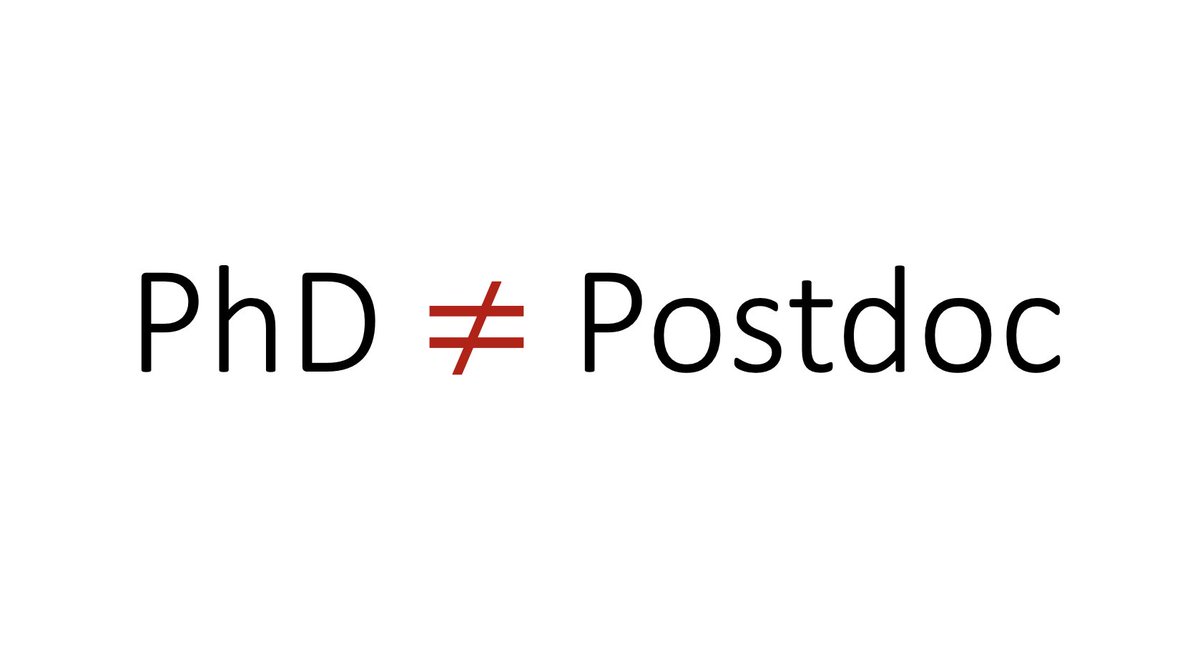
Postdoc is conceptually different from a #PhD position. Below are some key points to keep in mind before starting postdoc.
1️⃣ The harsh reality of being a postdoc:
1. Postdoc is a contractual (not educational) position. Your postdoc duties are defined by your contract & agreement with your advisor.
2. Usually, a contract is given for 1 year and renewed annually. It does NOT offer the same job security that PhD students enjoy. Be prepared to start searching for a new position in 1st year and leave anytime.
3. Postdoc is inherently a position for academia (with a few exceptions like in bio). Often, companies will assume that you’ve chosen an academic track, not industry. They’d rather hire a fresh PhD graduate from the same field than a postdoc. So, your job search outside academia may become challenging, especially if you do fundamental research.
4. If you want to be a faculty, your postdoc may require a lot more efforts than you originally expected, making it the most intense time of your life. Be prepared.
_________
2️⃣ If you take postdoc because you want to be more competitive for senior academic positions, keep in mind that:
0. Choosing the right lab & advisor is statistically MORE important than simply working hard and publishing papers during postdoc (esp. in the U.S.). However, working with an advisor who can write an excellent recommendation letter does NOT mean that you will also get prepared for a faculty life and become a great scientist. Your advisor should be a good mentor for this.
1. As the competition for faculty positions can easily reach over 1/300 and you have ~1 year before applying for positions, postdoc time often turns into a “race”. The worst part is that hard work does NOT necessarily lead to success.
2. Postdoc is NOT a must for being a faculty. Some students secure professor positions at the end of their PhDs (esp. at the top universities in the U.S.).
3. Postdoc lasts 1-3 years. If you’re a first-year postdoc and apply for faculty positions, committees will be OK with you showing your PhD work during interview. But starting from your 2nd year, they expect you to show successful postdoc results.
4. Some committees expect that a 3-year postdoc should complete as much work as a 5-year PhD student. It’s like a fast-track PhD.
5. Often (esp. in STEM), the expected number of “postdoc papers” is on average 1 paper per 1 year, unless the work is unusually complex. NOT 10 papers/year.
6. Publishing a lot of papers is normally viewed negatively. Coauthoring tens of papers will send a RED flag to the committee. For decent universities, it's (almost always) quality over quantity.
7. Doing a second postdoc is rarely helpful in landing a faculty position.
8. Ideally, postdoc should be in a different field than your PhD. Switching fields is viewed positively and can be helpful in landing a faculty position. But it is much more challenging because your time is very limited but you must do outstanding research. Also, I know many people who didn’t change fields but became faculties nonetheless.
Good luck!
#AcademicTwitter #AcademicChatter
Round 40 of the Queensland Research Program has just launched!
Funding is available for all clinicians providing direct clinical care to Queensland public emergency patients, inc experienced researchers and clinicians new to research. 1/2
https://t.co/TkKB8Fub8s
I would love to see regional and rural hospitals given support to install renewable energy sources ( Solar panels over car parks as an example) and have EV change installed for staff and visitors #LeadByExample
‘All healthcare workers have a right to be safe at work, and violence cannot be tolerated in emergency departments, hospital and healthcare environments.’
Today is the 75th annual World Heath Day, and what better way for us to celebrate than to share our "The Inner Life of the Cell" medical animations. View the full animation here: https://t.co/zELxKAuWlJ
New research has revealed that the iridescence seen in ghost catfish is caused by diffraction by sarcomeres in transmission. This mechanism allows the fish to display dynamic colors that respond to muscle movements. In @DiscoverMag: https://t.co/Bu04N7xSvf