We (@thomas_day_, @dahaj1897, @dayan1406, @TonyBurnetti, @wc_ratcliff, Stephanie Hohn, and Ray Goldstein) have a new preprint on universal packing statistics in multicellularity. We also explain what multicellularity shares with piles of sand! (1/N)
https://t.co/YLesnmNCDV
Can we witness evolution’s unit shifting from individual to collective, in real-time?
@ozan_g_b @wc_ratcliff@YunkerLab evolved large multicellular yeast and said YES!
Great fun to spotlight this cool project & its first findings with @orshalevsk@cratzke1. @Trends_Ecol_Evo
Plus I learned the unrelated yet fascinating fact that the reverse of the one cent coin actually shows the Lincoln statue behind the Lincoln Memorial columns... which you can only see if you have the right optical reflectometer in your lab :) Thx @YunkerLab!
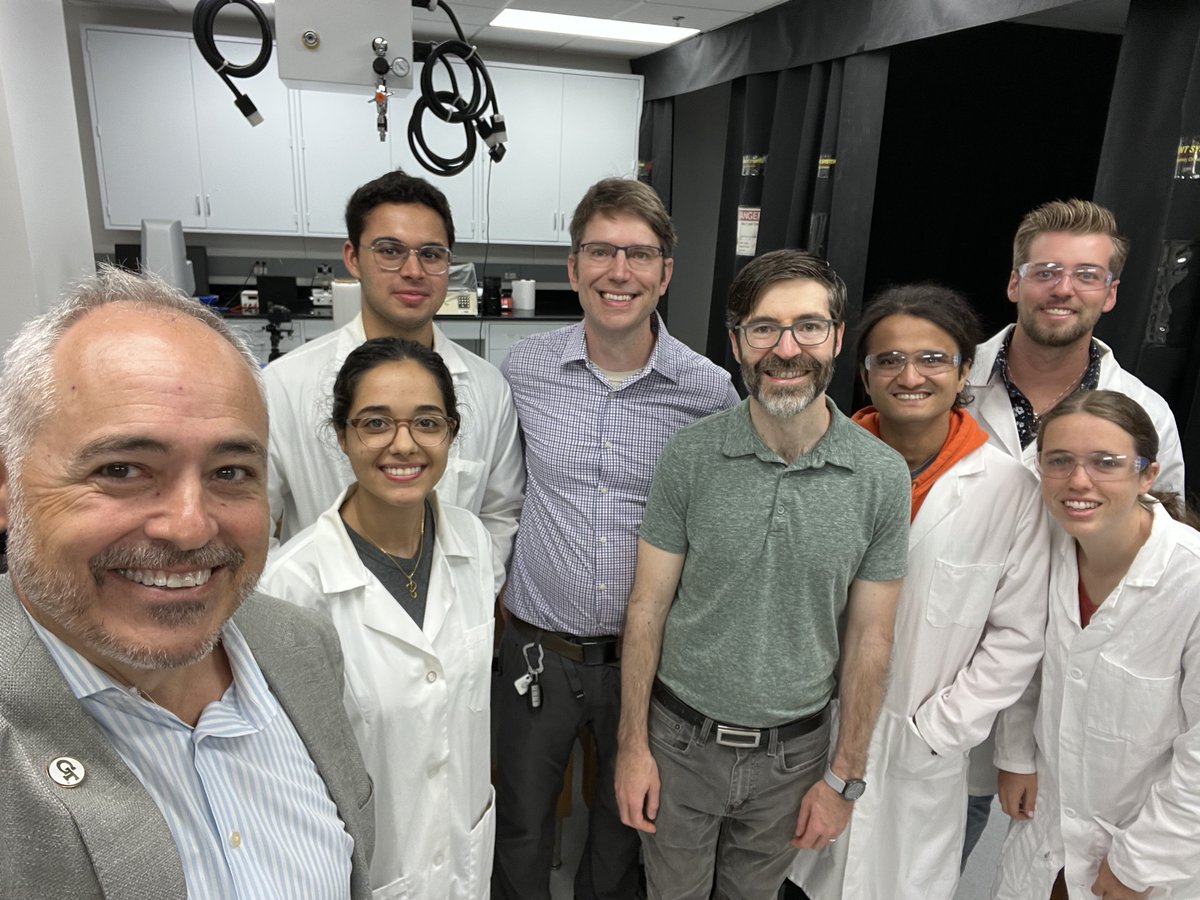
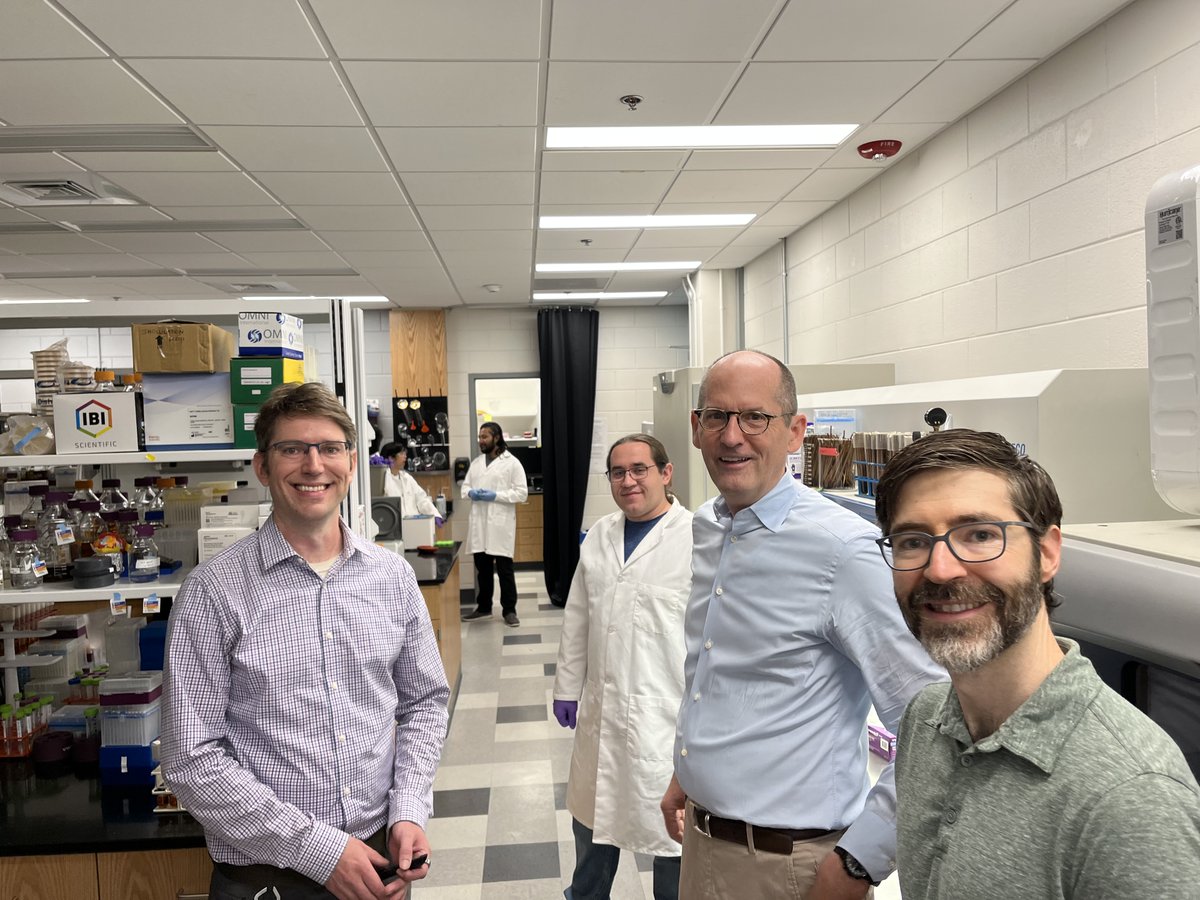
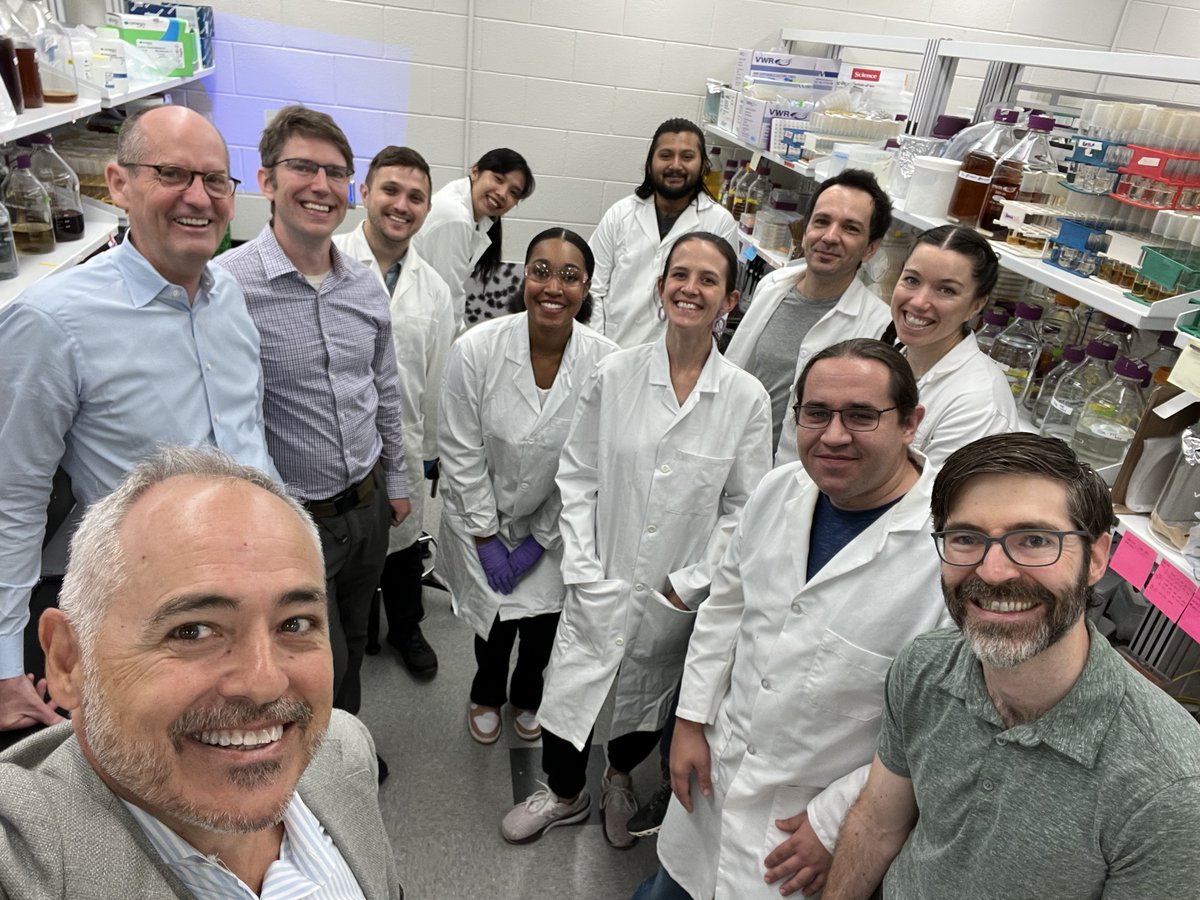
Provost @McLaughlin_GT and I had a blast this morning with Profs @wc_ratcliff@YunkerLab + their students, who are answering truly fascinating questions about how multicellular life came to be, how a clump of individual cells can form an organism. Blown away by their work!
#140: Entanglement in living systems @thomas_day_ @dahaj1897 @ozan_g_b @peterlconlin@yunkerlab@wc_ratcliff
Unique entanglement, and resulting structural strength, of living systems that grow together, with confirmatory results in snowflake yeast!
https://t.co/AEQl5GCGiB
We have a new preprint, showing that living systems can entangle in ways non-living systems can’t. In non-living systems, entanglement only occurs under specific geometric regimes. Not so for growing systems! Given time, most geometries can entangle.
https://t.co/plJJSLeQIA
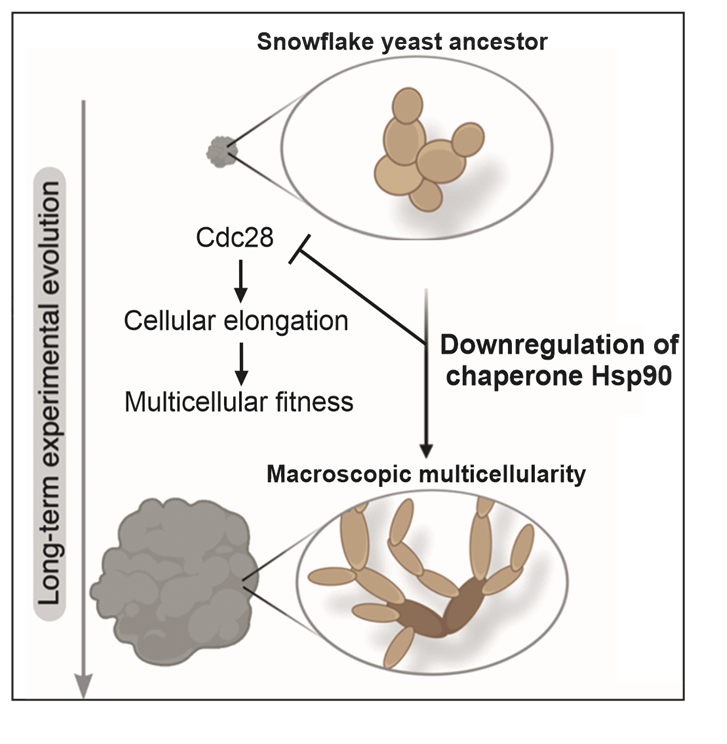
Hi folks, we have a new preprint out on the #MuLTEE, examining the molecular basis of multicellular evolution. We found that an ancient protein folding system, Hsp90, can be tuned to drive rapid convergent multicellular evolution. 1/24
https://t.co/Vr4Td76NSt
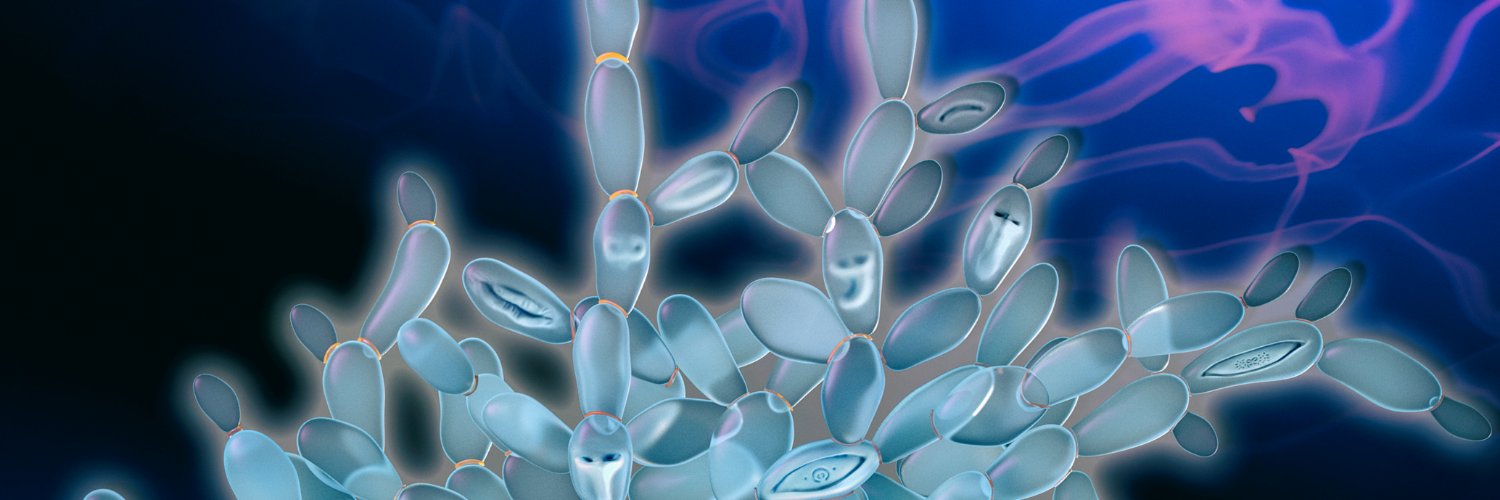
The yeast went from small microscopic clusters that were 100x weaker than gelatin to blobs the size of fruit flies with the toughness of wood.
They’ve started evolving division of labor between their constituent cells, and a kind of circulation.
https://t.co/UXtI7ZMR8A
I wrote about an incredible experiment in which microscopic, single-celled yeast evolved to become multicellular organisms visible to the naked eye, recreating one of evolution’s most pivotal transitions in a lab, in just one year.
https://t.co/UXtI7ZMR8A
A journey to the origins of multicellular life...
Read our @GTResearchNews writeup of @wc_ratcliff 's Multicellularity Long-Term Experimental Evolution here: https://t.co/NnUynidczv
I’m delighted that our paper on the Multicellularity Long Term Evolution Experiment (MuLTEE) has, at long last, been published. This paper establishes the foundations of what I’d like to work on for the rest of my career. 1/25
Free, full access link: https://t.co/lWh33eHQrf
Very excited to share our work on autocatalytic self-assembly of RNA and the formation of catalytic reaction networks within the confines of coacervate compartments.
Walter Gilbert meets Kauffman + Dyson meets Oparin + Haldane.
https://t.co/0tW2NZ4Qh5
A journey of a lot of collaboration, hard work and microscope time has just been published in Nature!
Congrats to these folks, I am incredibly lucky to be a part of this project. @wc_ratcliff @ozan_g_b @YunkerLab @dahaj1897 and others I missed.
Article:
https://t.co/FrfZxIUVrI