Why has peer-review become so weird?
Over the past 12 years, I've been serving as a reviewer for several academic journals, including the top two you all know. What I see is a visible decline in both the quality of the papers and the quality of the reviews.
Here's my top 7 advice:
1. Many authors keep their methodology sections too thin and expect the reviewers to search for the method and data descriptions within the body of the text. Don't do that. You want to put all your research flaws and limitations in the method section, and explain them in detail.
2. Some reviewers see peer-review as a way to promote their own work. It's not ok to insist that the authors cite several of your articles!
3. Some reviewers enjoy humiliating the authors. When you see an article that requires a lot of work, the chances are it was written by a Ph.D. student. If you see stylistic oddities, the article has likely been submitted by someone for whom English is a second language. No one is born knowing how to write academic texts, and peer-review is the way for you to teach them.
4. Confusing the genres is a huge issue for many authors. An essay is a well-established form, yet one simply can't pass an essay for the research article.
5. Make your article accessible for the readers from different research fields. Out of 5 reviewers, 1 or 2 come from an adjacent field. Every concept you use should be unpacked as if you were explaining your work to a taxi driver.
6. Some authors intentionally make their articles unreadable by adding the layers of academic terms and repeating the main argument several times. The reviewers see this, folks. You don't need to sound complicated to be seen as academic. Following scientific method is what makes you an academic. In fact, the reviewers will thank you if they don't have to decipher your writing.
7. For the young academics: don't be scared to submit your work to the best journals in your field! It's a learning experience and you may see your work published sooner than you expect.
#science #peerreview #academicpublishing #academicjournals #AcademicWriting #academiclife
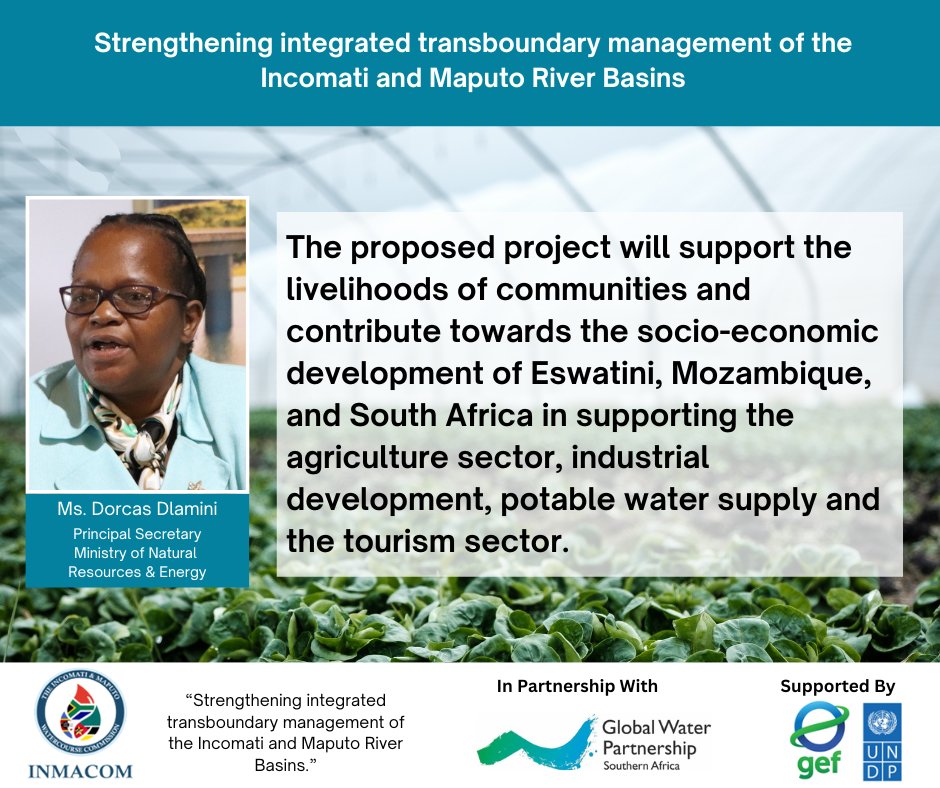
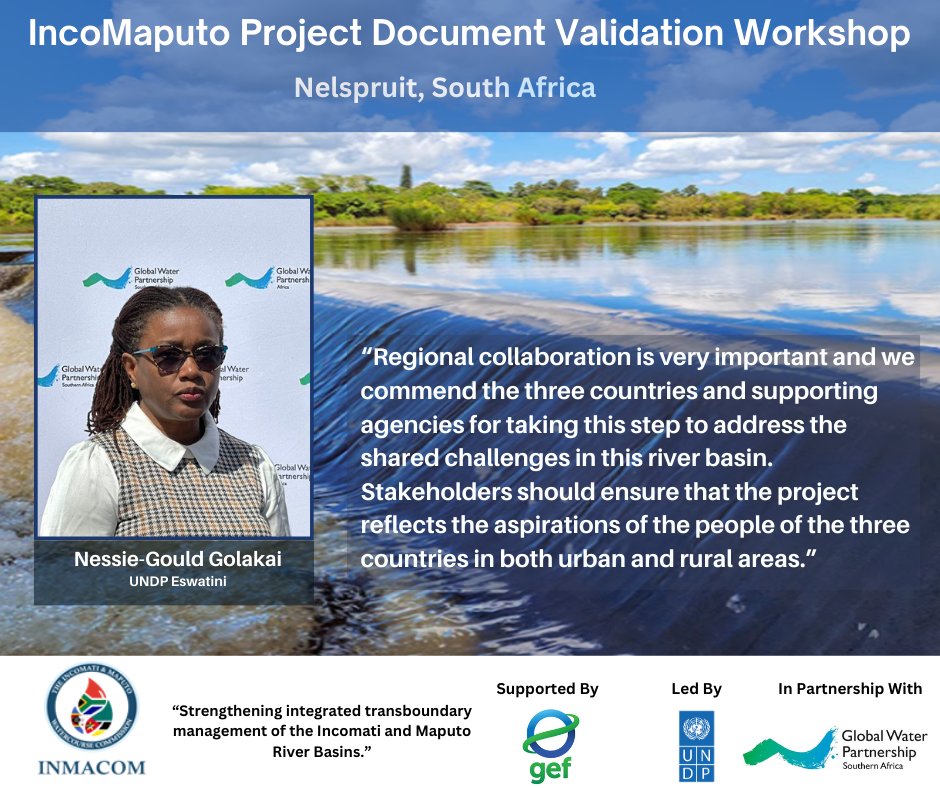
@UNDPEswatini commended the three participating countries; Eswatini, Mozambique and South Africa for equitably and in a participatory manner collaborating on this transboundary water management project amid escalating climate change impacts.
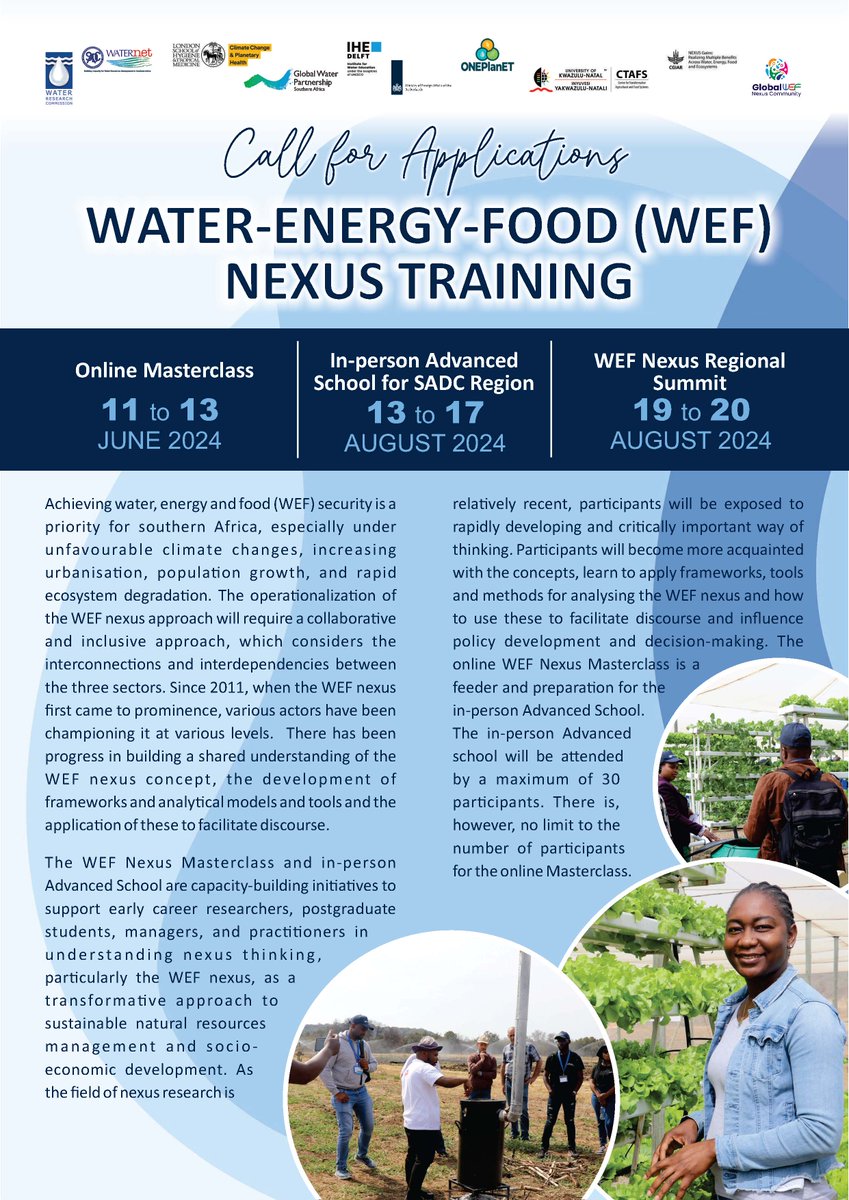
The call for applications for the 2024 Water-Energy-Food (WEF) Nexus Training is now open.
Early career researchers, postgraduate students, and managers are welcome to apply before 30 April 2024.
https://t.co/LNKEobNJov
Identified pilot projects for the UNDP-GEF IncoMaputo project in each country showcase #innovative & integrated methods for enhancing the quality of life for those living in the basins & protecting the #environment - which were crucial criterion for choosing the pilot projects.
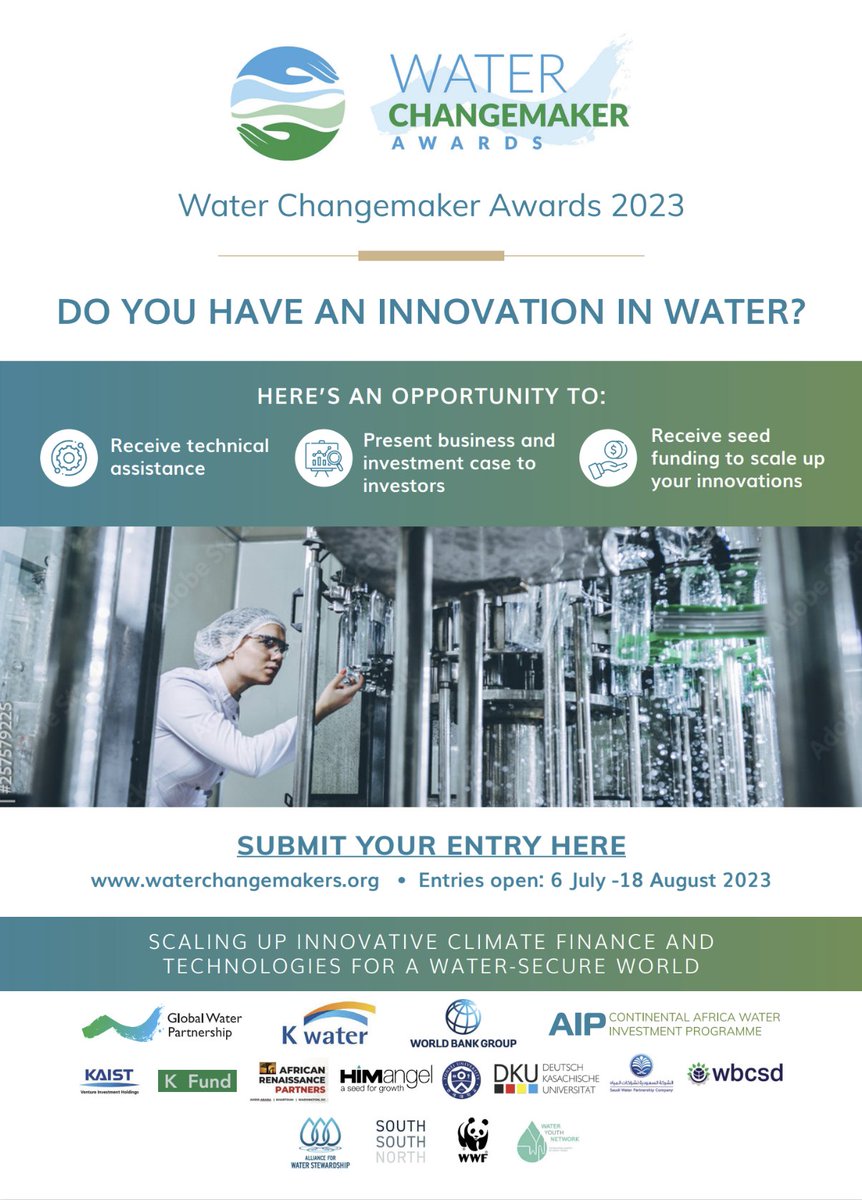
We are looking for organisations, entities, & individuals who have innovative initiatives that have contributed to building resilience to climate change and need support for scale up.
Apply here: https://t.co/LbhKJAizOb
@WorldBank@Kwater_twitt@GWPnews@simalabwi@UNICEF_SA
Water Changemaker Awards 2023 aims to:
👉 recognise high-level commitment and leadership for climate resilient #WaterInvestments
👉 showcase promising #ClimateResilient innovations with potential for scale, replication, and further investment to support a #WaterSecure world
#HIRING CALL FOR APPLICATIONS:
Consulting Firm or Consortium of Consultants for the development of 3 Project Concept Notes to be submitted to @theGCF for strengthening NDA's capacity to mobilise #gender-responsive climate finance for #eSwatini#Apply: https://t.co/GwdLJnMPtr
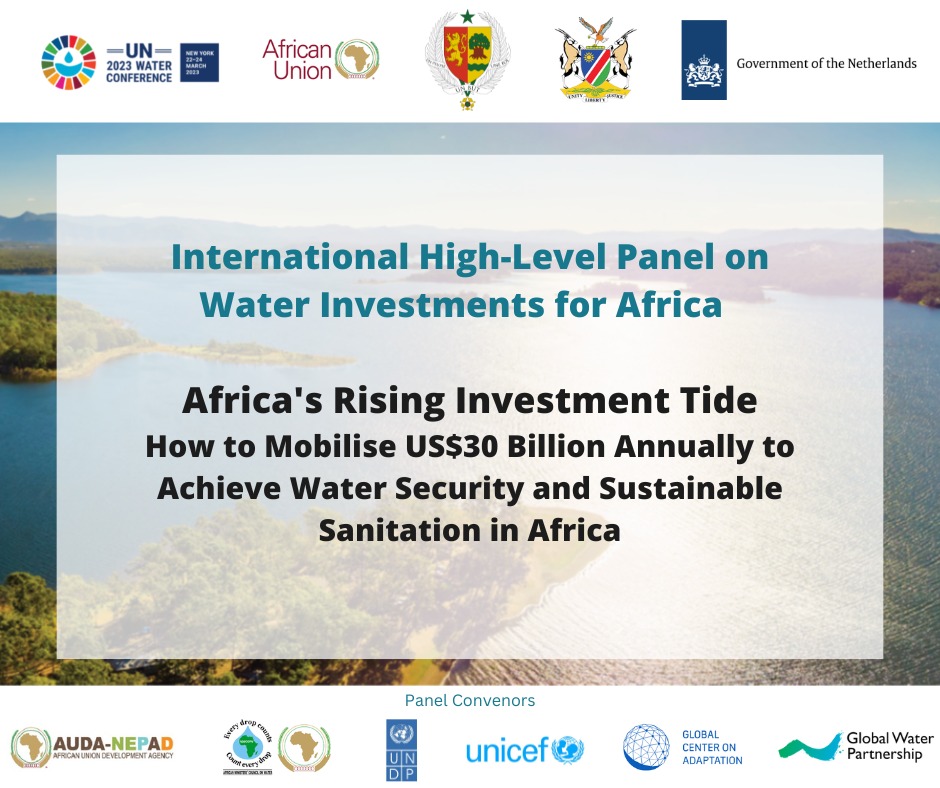
#HappeningNow is the launch of The International High-Level Panel on Water Investments for Africa report during an official side event at #UNWaterConference2023.
Join the livestream ➡️https://t.co/xKSm2IpesN
SADC's fight against the Covid-19 pandemic gets a boost with installation of handwashing facilities at borders; development will also promote regional integration.
#African youth are facing educational challenges due to a lack of proper water & sanitation infrastructure.
@AipWater is developing actionable pathways for mobilising US$30bn annually by 2030 to address the existing water investment gap in Africa.
More➡️ https://t.co/UmGNBK7XEc
During the special session on the water-energy-food nexus, @GWPSAF presented the SADC's nexus approach to enhancing investments. In her presentation, @Shamiso_K discussed The SADC Nexus Regional Dialogues Project, which is in its second phase in the #SADC region.
#WaterNet