#TheatreFriday - The Roman Theatre in Phaselis, Lycia (Turkey), was built in the 2nd century AD on the foundations of an earlier Hellenistic Greek theatre. It was constructed against the western slope of a hill overlooking the city's central avenue and had a seating capacity of approximately 1,500–2,000 spectators. The theatre is relatively small compared with major Lycian theatres such as those at Myra or Patara.
This touching Ptolemaic statue of a young man, possibly a priest, holds a small shrine that contains the image of the falcon god Horus the Child (Harpocrates).
Harpocrates became an important god of kingship for Ptolemaic rulers.
Grand Museum Cairo
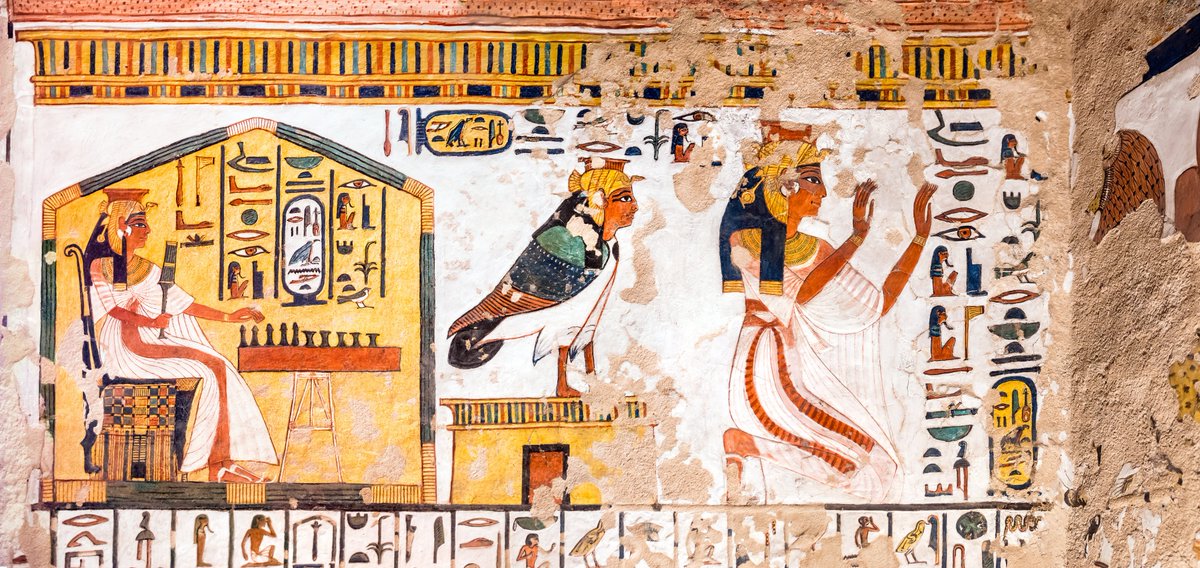
Some images from Queen Nefertari' tomb show symbism seen on papyrus scrolls of the Book of the Dead.
There wasn't room for the entire Book on its walls, but these scenes airded the Queen' journey through the Underworld
In one scene the goddesses Isis and Nepthys appear as kites mourning Osiris on his bier inside a shrine.
Kites are raptors whose high pitched cries were similar to the sound of the goddesses mourning their dead brother Osiris
Another scene has Nefertari herself sitting in a shrine playing the ancient board game Senet. Sent means "(the game of) Passing"
It represents the dead queen's journey through the Underworld and the obstacles she faced.
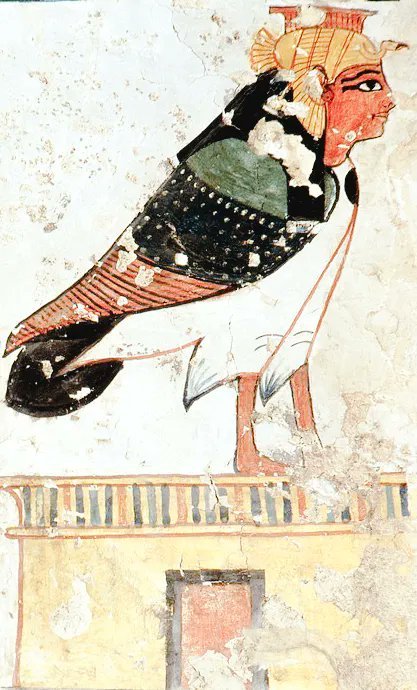
Another image shows her with a bird's body, the classic image of the deceased's soul
#archaeohistories #archaeology
#myth
Happy weekend!
Ancient clay pots with octopus decoration from Bronze Age Crete some 3,500 years ago! 🐙❤️
Heraklion Archaeological Museum 📷 by me
#Archaeology
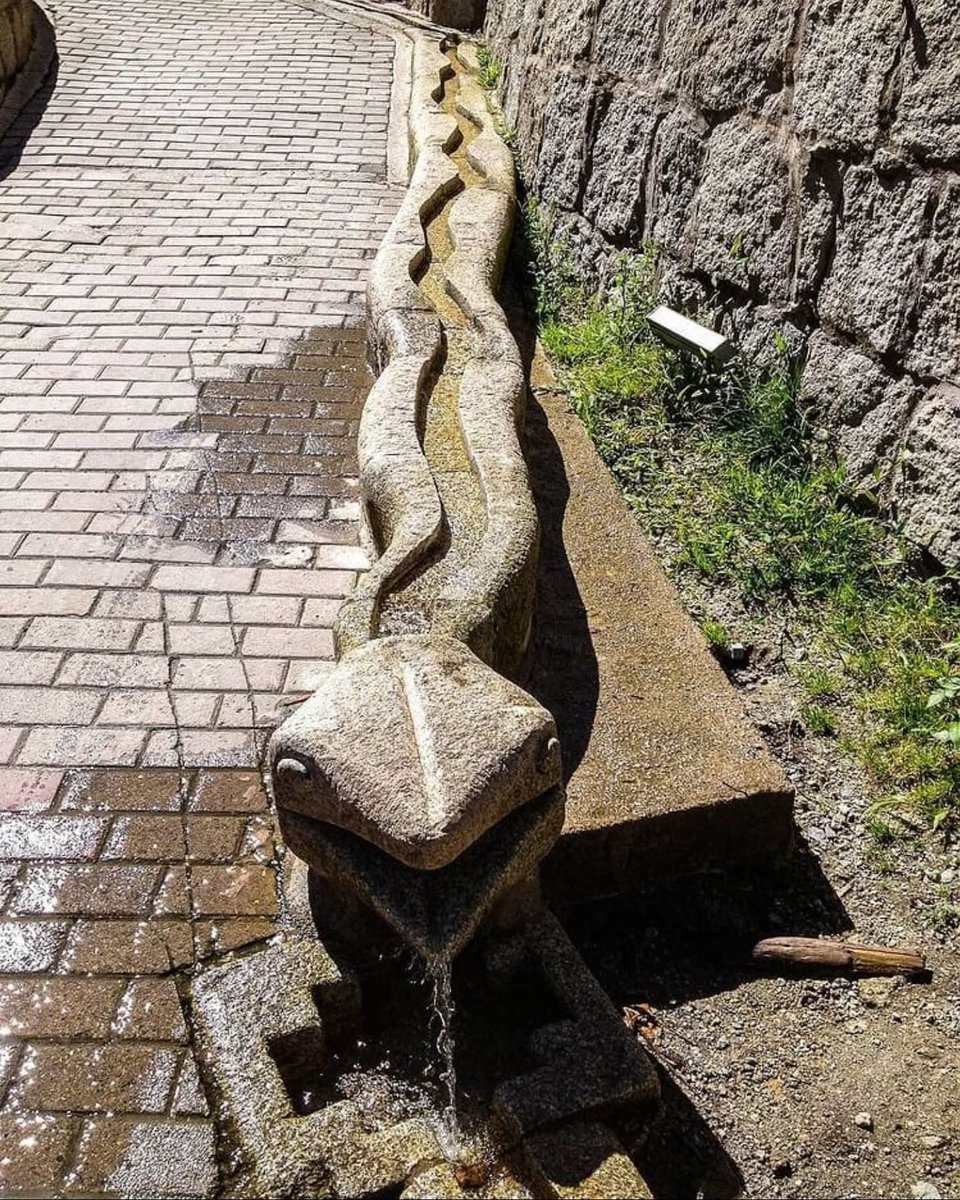
Ancient Serpent Irrigation System - Machu Picchu, Peru 🇵🇪
The stone channel is carved into a serpentine shape, reflecting Inca mastery of both hydraulics and symbolic landscape design.
This engineering marvel is still functional, with water flowing through the channels centuries after its construction.
#drthehistories
Mithras' Bull Sacrifice - a marble statue of Mithras from the 2nd Century AD, exhibited at the British Museum....
The statue depicts the sacrifice of a sacred bull (tauroctony) by the god Mithras, a central scene in Mithraism, the mystery religion prevalent in the Roman Empire.
In the depiction, Mithras wears a Phrygian cap and Eastern-style clothing; surrounded by a dog and a snake attempting to drink the bull's blood.
#archaeohistories
🐍 Faience figurine of the Minoan Snake Goddess - her dominion was over nature and fertility. New Palace Period (1600 BCE).
Heraklion Archaeological Museum, Crete.
📷 Photo by Mark Cartwright.
#Minoan#Knossos#History#AncientHistory#AncientGreece
Necklace with Amethyst Beads and Electrum Pendants
Middle Kingdom, c. 2055–1650 B.C.
British Museum. EA 14691
▫ Each pendant was formed from thin electrum foil, carefully folded and pinched at the top before being pierced for suspension.
Jewellery of this type was popular during the Middle Kingdom, a period noted for its refined craftsmanship and use of semi-precious stones.
The pendants show signs of wear, and the string has been restrung in modern times.
À la recherche du jardin des Hespérides, Héraklès croise le Titan Atlas, condamné pour l'éternité à porter la voûte céleste sur ses épaules. Le Titan accepte de cueillir pour le héros les fameuses pommes d'or si le fils de Zeus consent à le remplacer. De retour avec les fruits, Atlas songe un instant à abandonner le héros à son sort, mais il est trompé à son tour : Héraklès lui demande de tenir la voûte quelques instants, le temps pour lui de caler sa léonté sur les épaules, puis s'enfuit avec son butin.
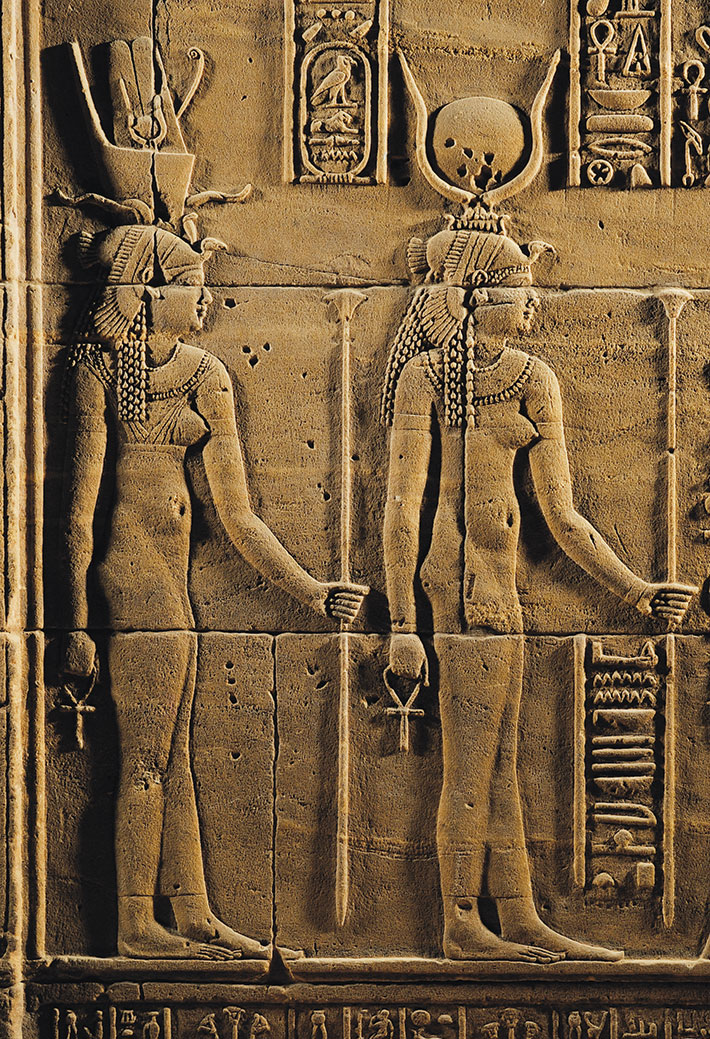
When the Romans conquered Egypt in 30 B.C., the kingdom’s magnificent temples began to fall into disuse. But on the Nile island of Philae, Isis and Osiris continued to be celebrated for some 500 years more. It was the Nubians who kept the flame alive.
https://t.co/4PGIk62NxP
Stela of the Royal Scribe Ipy
New Kingdom, late 18th Dynasty, reign of Tutankhamun, c. 1332-1323 B.C.
From Saqqara necropolis
Now in the State Hermitage Museum. ДВ-1072
https://t.co/2QG53JeqiT