Fun interactive science app ideas | Part 3
Played around with generating 3D biological structures and made an app to explore them interactively
UI Design
GPT Images 2
Code
Gemini 3.1 Pro
More demos ↓
Published today in @NatureBiotech, @LaineGoudy. @LukeGilbertSF, Alex Marson, and colleagues report a new epigenetic editing platform that safely reprograms multiple genes in human T cells without many of the challenges & risks associated with traditional gene editing approaches.
BIG ANNOUNCEMENT📣: I haven’t been this excited to be part of something new in 15 years… Thrilled to reveal the passion project I’ve been working on for the past year and a half!🙀🥳 It started from my frustration with the depressing effect that the current publishing system has on the well-being of myself, my team, and pretty much every scientist I know (maybe you’ve noticed from my stupid jokes… :) I was exhausted of dealing with the huge delays, reviewers that can be abusive, and how arbitrary it all is. Unfortunately, the most important factors are often WHO your reviewers are and who YOU are... It’s clear we need alternatives or at least ways to improve the situation. So, together with a really special and talented team we worked to develop this idea into “qed” a platform where you can get CONSTRUCTIVE feedback on your own work or CRITICALLY assess other people’s papers. It can be a real difference maker if many of you join us (thousands have tried it already, but today we release a NEW and much stronger version ;) Let’s harness qed to put the power back in the scientists’ hands, to do, to read & to publish science on our own terms. I’m dying for you to TRY IT, and it’s very simple - just drop a paper (the link to the website is in the replies👇) - it’s completely secure, private, and free, and you get results fast. Please show your support, SHARE, tell your friends, and let’s be the revolution 🫵!
Dear PhD students:
A great company may be worth a hundred postdoc positions.
This is why it’s important to also apply for industry jobs, even if you want to do a postdoc.
1. Until you get multiple offers, don’t prematurely decide on your path. Diversify your opportunities.
Your industry offer may turn out to be extremely tempting - both in terms of career growth and salary.
2. Your independence & critical thinking developed during your PhD are highly valuable in industry.
You will find PLENTY of opportunities to apply your skills and polish them further.
3. I said many times that a PhD is largely about self-development (my own view).
So - if you are a fan of personal growth, industry gives you far more room to expand. In academia, a faculty role is usually the peak of your career unless you move into administration (a provost or dean roles). Some people like it. Others feel trapped.
4. Statistically, landing a great faculty position with all the perks and a decent salary is rather unlikely.
There are few such positions. And most universities won’t double your faculty salary if you get counter-offers or 10 papers in Nature per year.
With equal workload and dedication, you can achieve more in industry.
❗ Now, I am not saying you should skip academia.
Science is fascinating. A faculty position nicely balances normal salary with job security.
All I am saying is that - don’t assume industry is for those who dislike science.
Apply in industry too, along with your postdoc applications.
p.s.
BTW, a great postdoc is a better choice than an awful company.
Diversify your applications. Get offers. Compare them, and then decide.
I discuss the urgent crisis from the loss of federal support of science in the US and recent clinical gene editing breakthroughs with @WalterIsaacson & @amanpour on @AmanpourCoPBS, airing on @PBS tonight at 11 pm ET, and on @cnni earlier today. Pls share!
https://t.co/cyVZpAwJiq
It’s been a tough few weeks. My 10yo daughter was diagnosed with a very rare, aggressive cancer called interdigitating dendritic cell sarcoma (IDCS). I’m reaching out to identify clinicians/patients who have encountered pediatric IDCS, indeterminate dendritic cell histiocytosis or other (non-LCH) histiocytic sarcomas cases.
I'm trying to understand non-surgical chemo and targeted therapy options, new pathology markers to better diagnose subtypes/treatments, and any data on progression in pediatric patients. Please feel free to share – I’m trying to cast a wide net due to the rarity of this condition and how little is known.
People can contact me directly at my first name (as written in my profile) at https://t.co/ubo0zQRMn0.
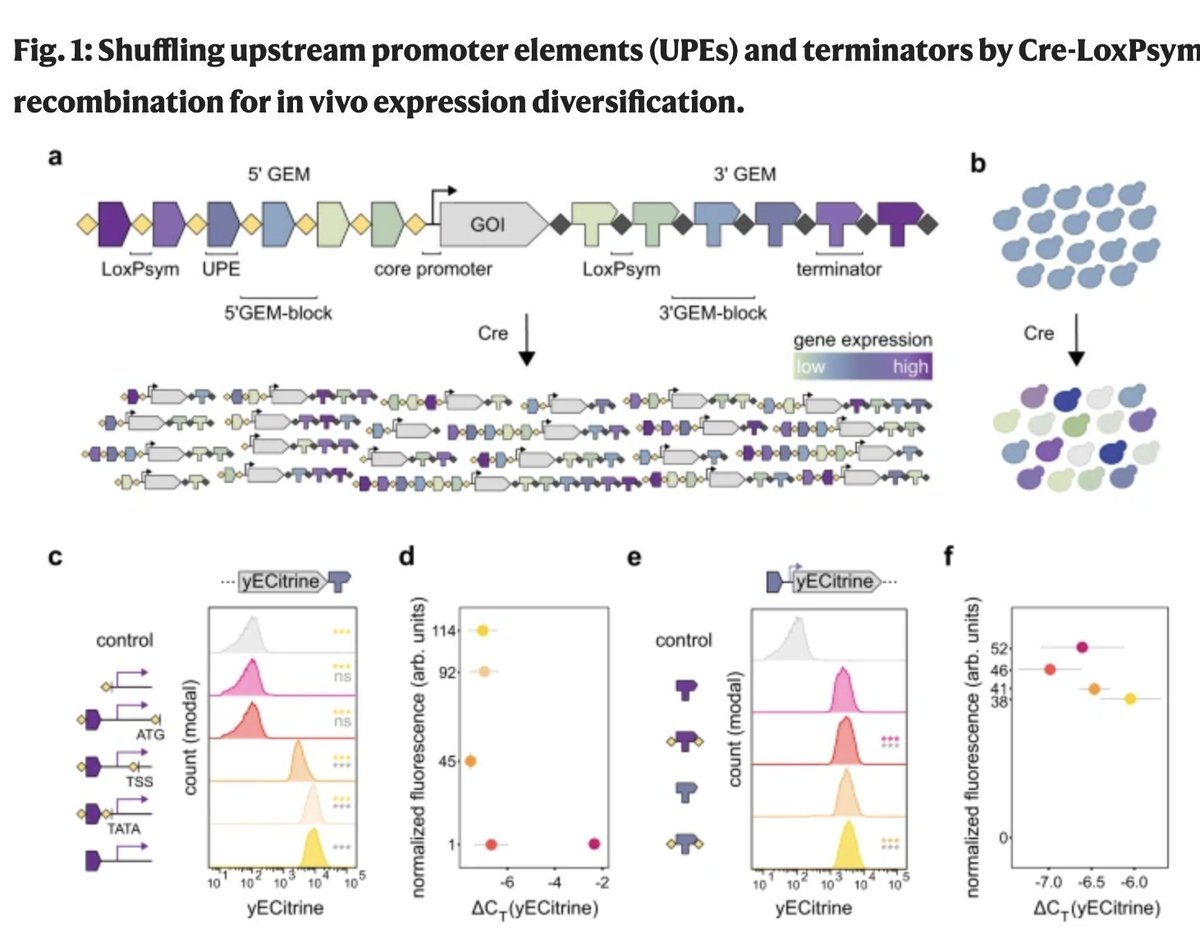
Check out our back-to-back papers in @NatureComms today! 1st paper describes development of 16 orthogonal LoxPSym sites for easier genetic engineering - https://t.co/PLmtwuIQJH. 2nd paper shows use in promoter shuffling for metabolic pathway optimization https://t.co/Rajv9g9Bq1
A new Nature paper by Emma Farley and colleagues reminds us again that we have hardly scratched the surface of exploring the enigmatic universe of noncoding variants. A weekend read.
Lim, Solvason, Ryan, et al. Nature
https://t.co/dDDP2KzLed
I’ve said many times (https://t.co/zsj2IJyisR). But I’ll recite it again: the most beautiful, in-depth biological insights into the human genome often come not from sequencing hundreds of thousands of individuals from the general population but from a handful of patients with extreme phenotypes that clinicians encounter in the clinics. This is true for both coding and noncoding variants, but is much more relevant for noncoding variants than coding variants, given the recent excitement around the release of half a million genomes of the UK Biobank participants.
Probing the mechanisms underlying some noncoding enhancer mutations that cause polydactyly in humans and mice, the authors uncover a surprising mechanism (that might have been perfected over millions of years of evolution) through which enhancers control the tissue-specific expression of their target genes.
If asked to guess about how binding of certain transcription factors (TFs) to unique nucleotide sequence patterns (motifs) within enhancers results in tissue-specific (and/or developmental stage-specific) expression, we would imagine that the TFs bind to motifs with high affinity and any mutation that scramble the motifs would result in TFs failing to bind to the enhancers resulting in aberrant gene expression.
Well, it turns out some enhancers like ZRS (mutations in which cause polydactyly) were designed by evolution to act in a manner exactly opposite to what we imagined.
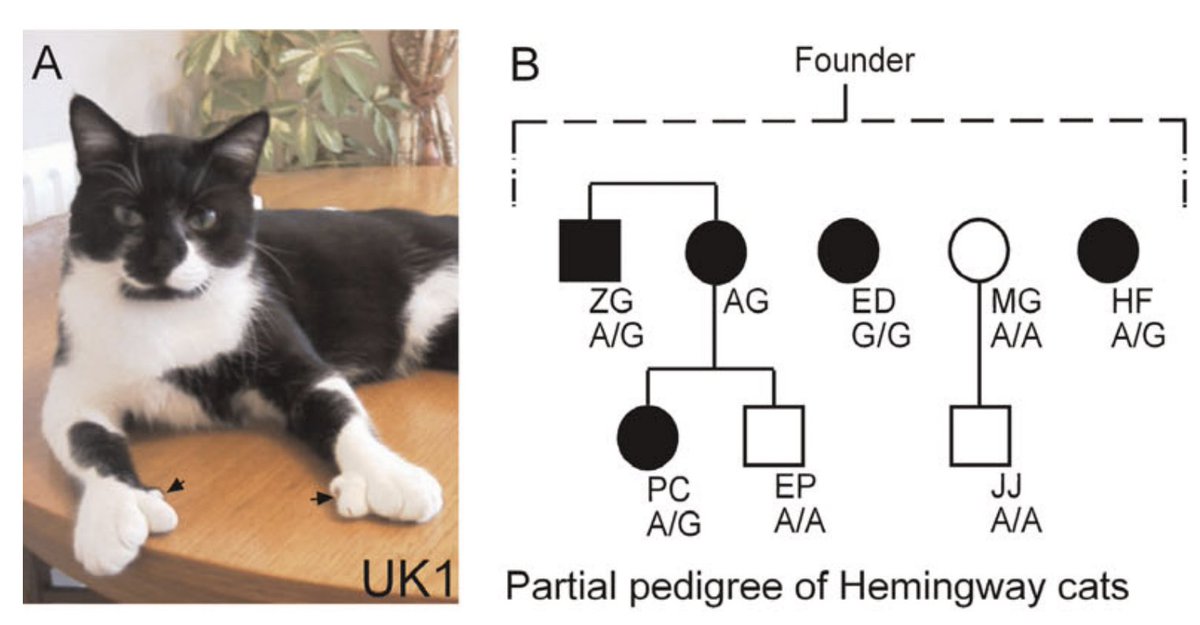
ZRS is highly conserved across vertebrates with near complete sequence identity between humans and mice (the exact same nucleotide change causes the exact same phenotype in humans and mice). It controls a gene called SHH (Shh in mice) that encodes sonic hedgehog protein that plays a critical role in limb development. Mutations in the ZRS enhancer cause polydactyly, which has been observed even in cats. Here is a polydactyly Hemingway cat (https://t.co/vgNDmSgamA)
Previous studies have shown that the ZRS mutations are a gain of function in nature and cause polydactyly through ectopic expression of SHH in the developing limb bud. But how exactly the mutations cause ectopic expression remained a mystery.
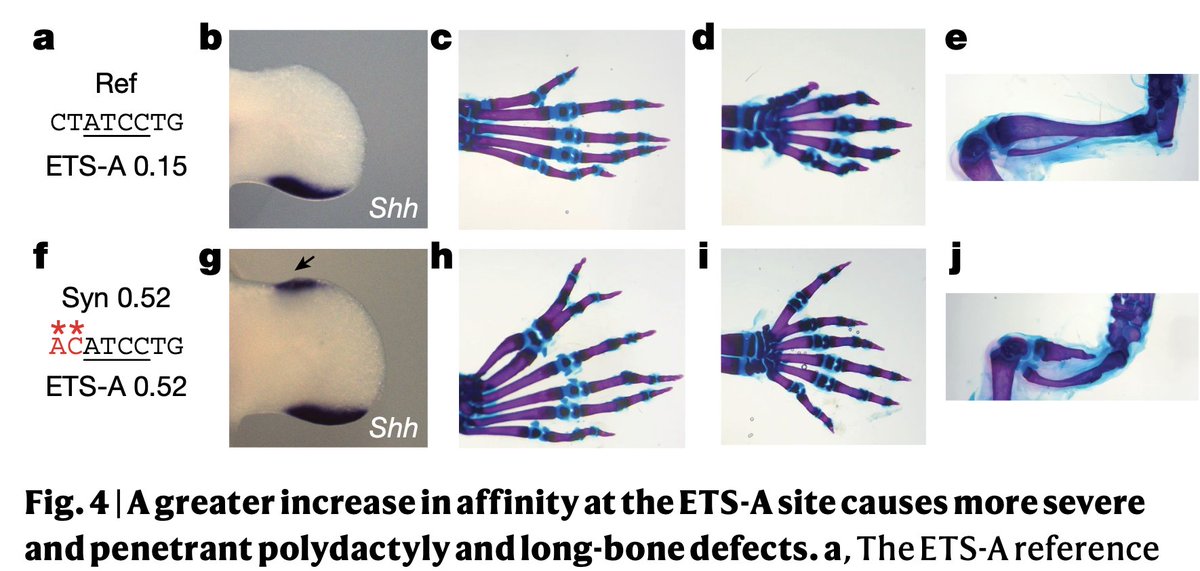
In the current work, the authors find that the ZRS enhancers employ a regulatory phenomenon (previously observed in invertebrates) where enhancers maintain tissue specificity by using multiple, redundant low-affinity binding sites for transcription factors. The binding affinity between enhancer motifs and transcription factors is kept at extremely low levels like 15% of the maximum possible affinity.
The sub-optimal and transient binding of TFs to ERS during organ development ensures that its target genes are expressed only within a critical zone of the developing limb bud. Mutations that increase the affinity of ERS to their TFs result in spillover of expression resulting in the development of extra fingers. The image below shows the ectopic expression of Shh and its downstream target Ptch1 in the background of polydactyly mutation.
The effect of gain of function mutations is dose-dependent. The higher the affinity, the more severe the polydactyly. The consequences can be so severe that mutations sometimes result in an extra whole organ, for example, two beating hearts (!) previously observed in sea squirts.
What’s more fascinating is the redundancy of such enhancer elements. By placing the control of gene expression under multiple redundant enhancer elements with low-affinity binding sites, the evolution has tried to make the system error-proof as the loss of one enhancer site will be buffered by the other. But fascinatingly, the master design came with a loophole—vulnerability towards the gain of function mutations. Perhaps, having an extra finger is a small price the organisms had to pay to avoid losing the limb altogether?
Another great insight into the noncoding variants that we learn from this amazing work is the challenge behind designing in vitro experiments like massively parallel reporter assay (MPRA) to identify mutations in enhancers that follow the low-affinity binding principle. We often focus on the variants that produce the maximal change in the gene expression in cellular assays to prioritize functional variants. Such an approach will miss variants like the ones in ZRS that cause only subtle changes in the gene expression but have a massive effect on the phenotypes.
Overall, it’s a truly amazing work by Emma Farley and team offering novel insights into the mechanisms of noncoding mutations.
A poorly designed barcode panel can negatively impact your single-cell multiplexing experiment.
Demultiplexing sequencing data relies on the uniqueness of synthetic DNA barcodes and their distinguishably in sequencing reads. A poorly designed panel can result in ambiguity in reads and ultimately thrown away data. To avoid this- its crucial to quality control the barcode panel.
Designing barcode panels
Designing a barcode panel is the process of constructing synthetic DNA barcodes of a fixed (often short) length. This process often involves setting parameters such as GC content, homopolymer length, pairwise sequence distance, and more (https://t.co/LQhq269NIW). Generated barcode panels are expected to satisfy these criteria.
While working with public single-cell datasets for our recently published kITE paper https://t.co/KaZFgKgwqZ (with @jasegehring, @lpachter, and @lioscro) I often found myself having to manually check whether the aforementioned criteria were satisfied. In doing so, I found some datasets where designed barcodes passed the designed criteria but failed other important and non-specified criteria.
Take for example the following two barcodes from the MULTI-seq assay (https://t.co/Y0P14M0BQr): GACCAGCC (BC49), ACCAGCCG (BC74). They are separated by a Hamming distance of 6, have a GC content of 75%, and have homopolymer runs less than 3. However the two barcodes share a 7bp subsequence (ACCAGCC)- this can confuse pseudoalignment approaches which perform alignment with subsequences (where ambiguous subsequences can result in an ambiguous read).
While one could potentially avoid this issue of ambiguous mapping with alignment-based approaches, they will incur a cost, time, and memory penalty. A cheaper and simpler alternative is to check the barcode panel before the experiment and adjust the barcodes accordingly.
Quality control barcode panels
I built a tool, qcbc (https://t.co/cotK6vQBNv), to quality control barcode panels to prevent alignment and demultiplexing issues downstream. qcbc takes in a barcode list and assesses
1. diversity of unique barcodes (a),
2. number of barcodes that share a subsequence of a given length (b),
3. distribution of Hamming distances between pairwise barcodes (c, d),
4. distribution of homopolymers of a given length (e), and
5. per position and barcode nucleotide distribution (f).
qcbc is effective at finding out, before hand, if a barcode panel has problematic barcodes. qcbc identified an issue with two barcodes in the 10x Genomics CRISPR panel which shared a 16bp subsequence due to the presence of a linker sequence with shared sequence similarity to the guide.
Discussion
Barcode design is a distinct problem from barcode verification. The latter acts as a checking procedure on the former and can help avoid the issue of ambiguous or poor quality reads in demultiplexing datasets. Barcode design validation can be performed with the newly developed and open source command line (and python) tool qcbc. qcbc performs multiple checks on barcode lists and produces quantifiable metrics to help researchers determine their quality.
Please give it a try- you can use this @GoogleColab notebook to load your own barcode list and run these qc checks without having to write an code. Simply navigate here: https://t.co/Lcj7hfQWXb, paste your barcode list, and press Runtime -> Run all.
I am offering a 5-week paid course on data wrangling, visualization, and machine learning. Includes graded assessments and problem sets based on real-world challenges.
Space limited to a small cohort so apply soon if you are interested. Details here: https://t.co/k0WUT6PYXM
An open-source process for turning fibers from the sisal plant into absorbent material for menstrual pads creates an opportunity for the local, sustainable manufacture of hygiene products that many communities need. @PrakashLab
https://t.co/5MCjUdxlgz
📢We are hiring!
The Department of Biochemistry & Molecular Biology @UBC invites applications for a Postdoctoral Research Fellow position.
https://t.co/7E6tXcK7gd
Out now on @biorxivpreprint!
In my first project in the @ElowitzLab, we explore how competitive, "many-to-many" dimerization allows complex, multi-input, and cell-type-specific biochemical computations🧵↓
https://t.co/ywkiShV86B
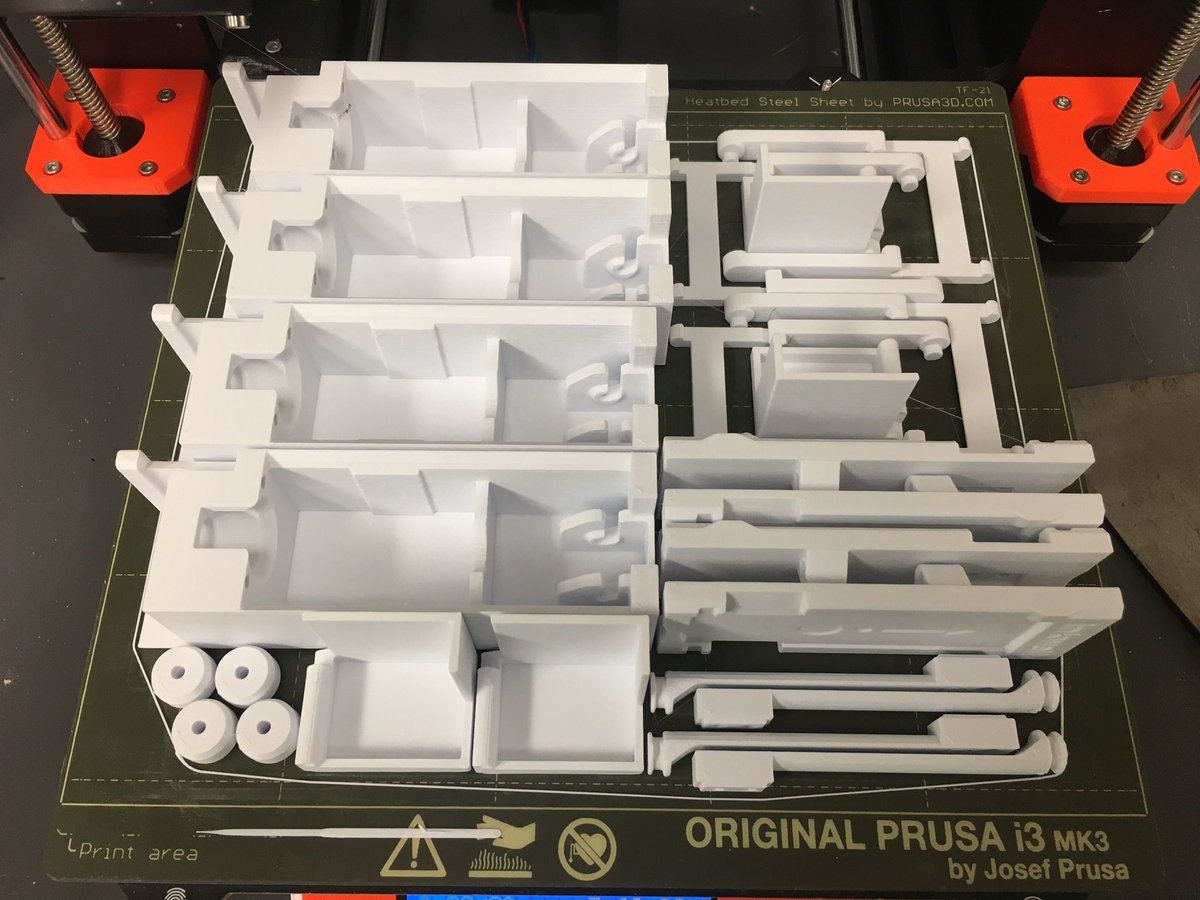
(1/n) Ever wondered if 3D printers have a role to play in open access health technologies? Curious how many cells could you image in a drop (2ul) of blood. Read about our latest frugal tool - Inkwell - an open-source tool for making perfect blood smears. https://t.co/6nt0rqQJQh
@ProfTomEllis@Chandhu447 Accidentally got NEB turbo instead of my usual NEB dh5 alphas one, and noticed that turbo also gives weird results with SDM in addition to concatamers which I’ve never had issues with NEB dh5a,
SynBio job alert 🚨 - Assistant/Associate Professor in Synthetic Biology in the Dept of Systems Biology at Harvard Medical School. https://t.co/NVHyt0lqU8
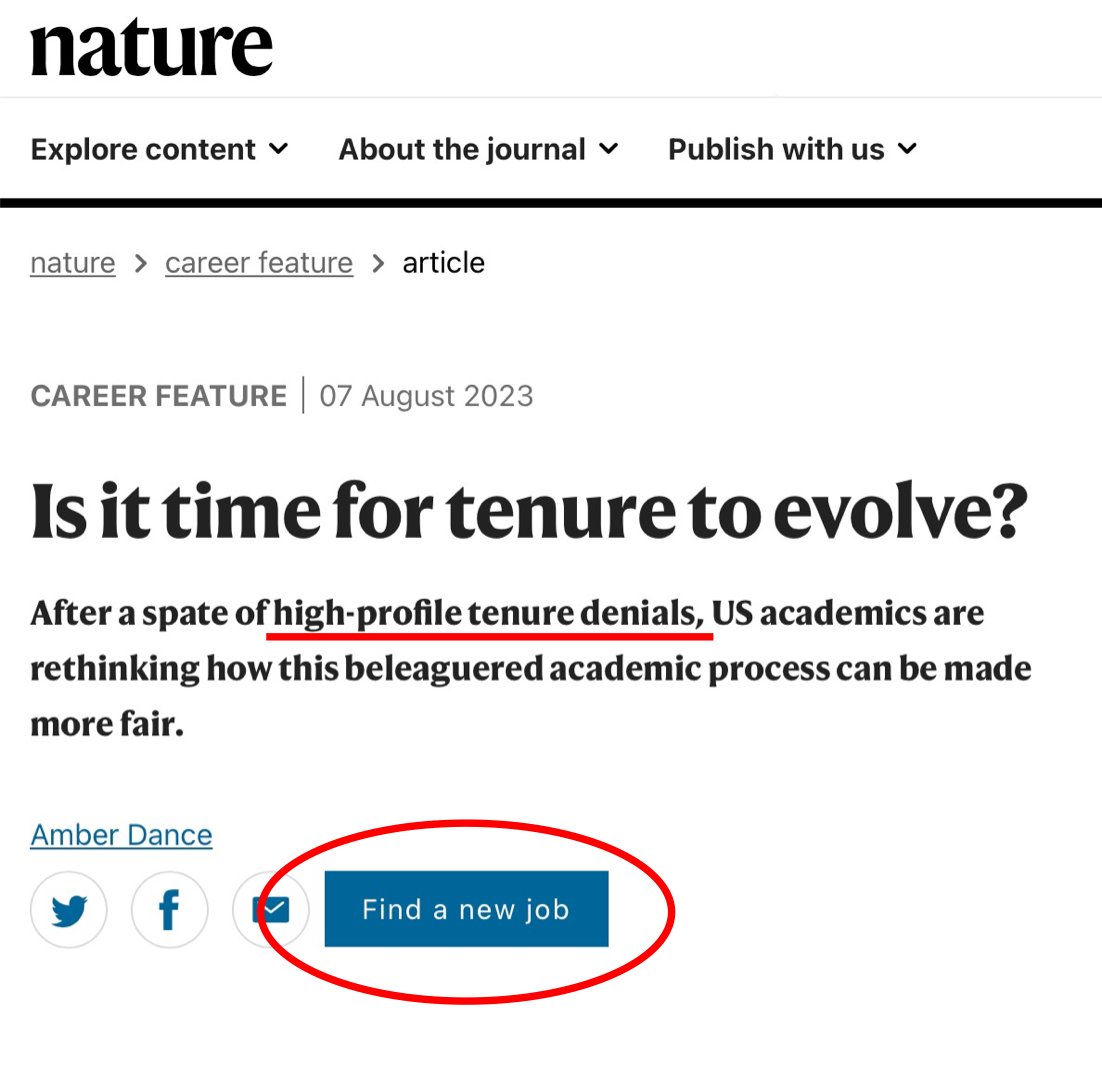
Professors should not serve as punchbags for the university admins.
A story from this article:
- Tolu Odumosu submitted for tenure after 5 years at the University of Virginia (Charlottesville). His application was highly supported by the department, but the school rejected it.
Why? Because “he hadn’t published any single-author books” (the requirement he never heard of)
▫️
Tenure requirements are becoming more life-draining than before.
The main purposes behind tenure requirements are:
- Universities want faculty members to secure funding, which generates overheads. But funding is hard to get! So, your profile MUST stand out.
- Departments compete for ranking. They don’t want a faculty who is not great.
▫️
As a result:
- Fewer people want to pursue a tenure-track academic career these days.
- Young faculties experience enormous stress under tenure pressure. This hits their personal life really hard.
- Students suffer from overwork and lack of mentoring because (in particular) their advisors are under pressure themselves. I do not defend such faculties, but this seems to be a big contributing factor.
- Risky #research is postponed “until after tenure” (and often never pursued), resulting in fewer discoveries.
▫️
My personal opinion:
1. Yes, tenure by itself can give you freedom. However, I don’t see many associate professors suddenly leaving their comfort zone and going into risky research after getting tenured. This prompts the question - what does this freedom pertain to? (a provocative thought)
2. Tenure track is often turned into a rat race. This makes everyone miserable. Students, postdocs, faculties. The requirements MUST be lessened. It’s basically exploitation.
Personally, I am not on a tenure track. And I don’t care if I am given tenure or not.
▫️
With this in mind, let me recite another story form this article:
Columbia University had been trying to GIVE tenure to David Helfand for nearly FOUR decades. Each time, the astronomer said “no thanks”.
Why? “Tenure does more to suppress academic freedom of those who don’t have it”. - he said.
(He was on five-year contracts. However, in July 2022, the provost refused to give him a new contract, so he got de facto tenure.)
▫️
The point is:
❗Departments should lessen TT requirements. Excessive competition, ranking and quantities is not why we go into science. We're not here to do business.
❗Tenure has been essential to academia. But fierce competition is not.
#AcademicTwitter #AcademicChatter
Interested in doing a PhD in host-aware mammalian synthetic biology? Do you want to develop novel control systems for mammalian cell applications?
Then the Ceroni lab is for you! Reach out to me and we can discuss!