Since we're all about announcements this month, we're also letting you know that we just launched our article series. Every week, you'll see at least one article on #FreeBSD or #ZFS topics.
We kickoff with #OpenZFS: Understanding Transparent Compression https://t.co/dlt6OFVYTO
@PolarIntersect It's not an easy problem to solve, unfortunately. One issue is that, in ZFS, determining where data is located on a raidz toplevel is calculated based on the number of columns. Adding a column would throw off that calculation.
What can ZSys, our dedicated helper for #ZFS systems, do for you and how can you interact with it? Discover here what's new with 20.04 LTS for ZFS compared to 19.10 in terms of installation and general features.
https://t.co/2gBzKucxfP
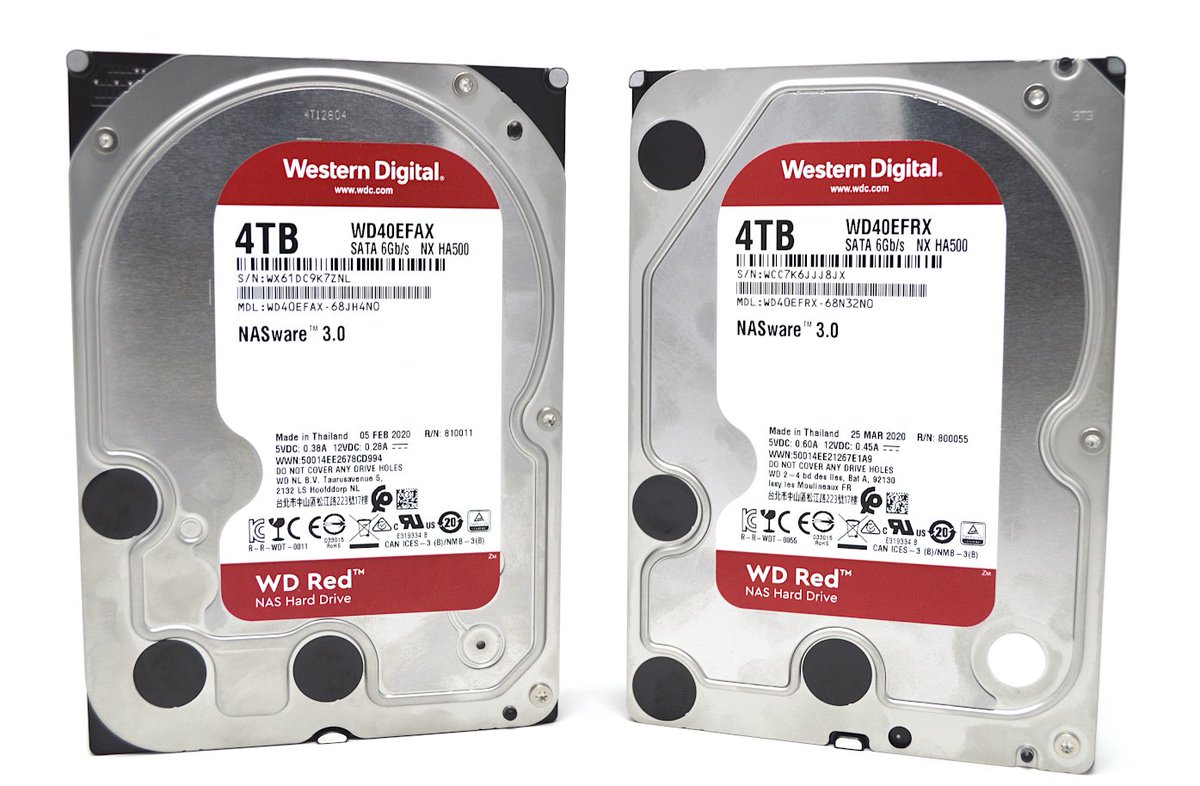
We tested WD Red SMR v CMR drives to see if there was indeed a significant impact with the change simply using them as replacement drives. We found SMR can put data at risk 13-16x longer than CMR. https://t.co/PWHHd5q92q @westerndigital @freenas#ZFS
First blog post of a new series to describe what we worked on in #Ubuntu 20.04 LTS for our #ZFS support and #ZSys features. This should shed some lights from casual users to advanced sysadmins on how this whole system fits together! https://t.co/hhsKcGxMuD. Hope you will enjoy it
@Hattie_T_Cat 100% agree with keeping backups. But even without raidz or mirroring, just knowing that a file has succumbed to bitrot or other forms of corruption is not something every filesystem can do. It at least lets you know which files to restore from backup.
Some #ZFS trivia: the majority of "zpool split" code was written at Vintner's Inn near Napa valley, and the rest was done on a flight from SFO to BOS. Took 4 months of testing & reviews after that before it made it into Solaris on 4 Jan 2010. Happy 10th anniversary!