Power is fleeting. Respect is lasting.
Reputation is not a function of wealth, fancy titles, or prestigious memberships. It's a matter of what we contribute and how we treat others.
Admiration is earned through actions, not positions. The best way to be valued is to add value.
https://t.co/l6YaBz236P
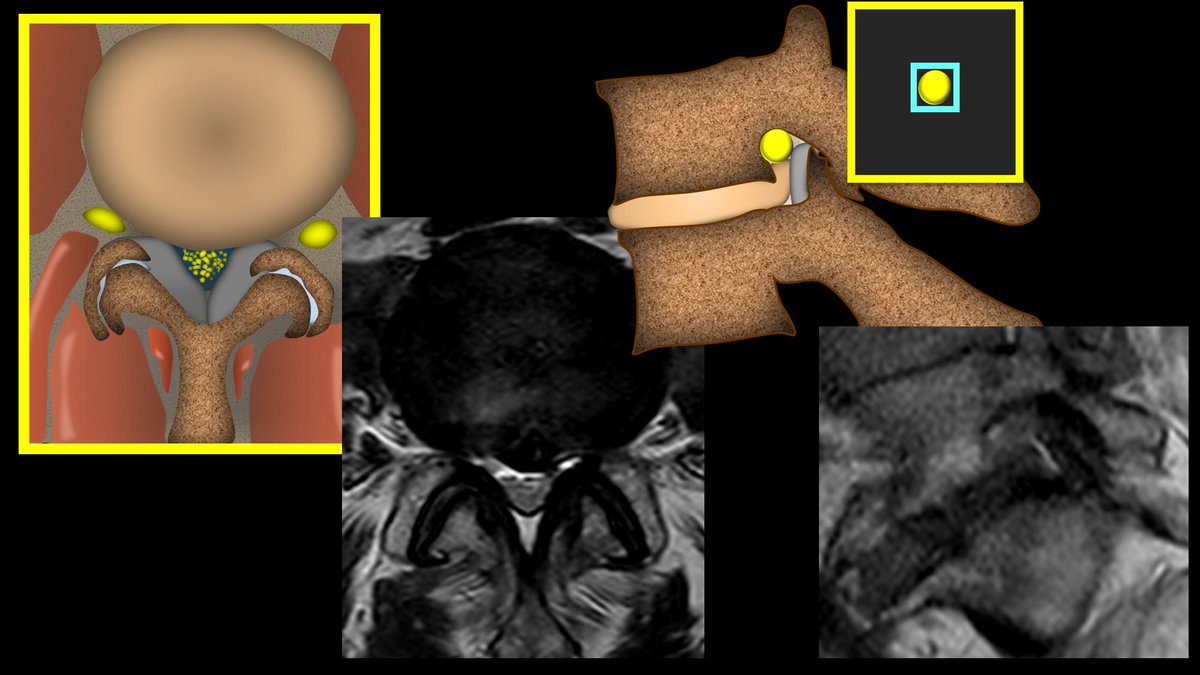
1/Hate it when one radiologist called the stenosis mild, the next one said moderate--but it was unchanged?!
How do you grade it? Do you estimate? Measure? Guess???
Let this thread take the load off your back w/a lumbar grading system that’s easy, reproducible & evidence-based!
How good are you at diagnosing #tarsal coalitions? Check out our new #OpenAccess paper: https://t.co/YvQmK0WURa
The paper includes instructive typical and difficult #MR cases, e.g. at the posterior talocalcaneal facet, and coalition mimickers.
@derbalgrist @EurRadiology #MSKrad
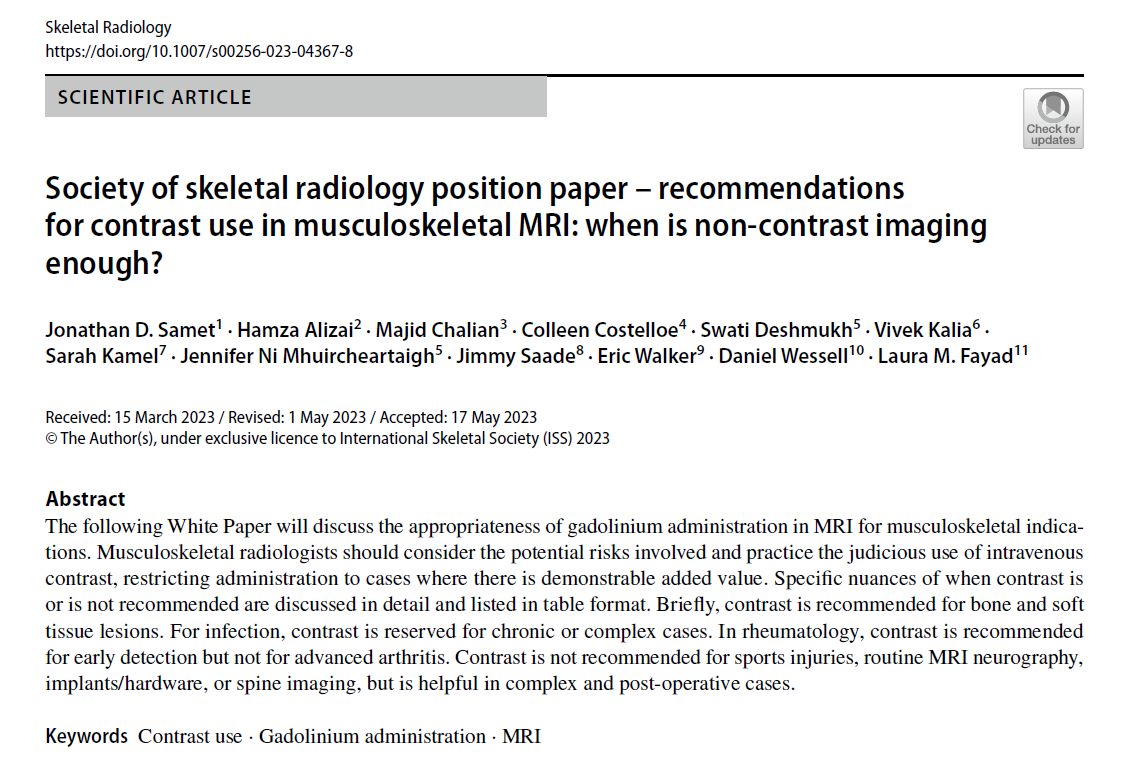
Happy to share our SSR White Paper / Position Paper on the Use of Contrast Material in #MSKRad.
Really a wonderful team and collaboration, led by @LauraMFayad and @JonathanDSamet.
Nice summary reference table in the images below - but this is a nuanced topic!
Article link: https://t.co/IBOi8CO7mZ
@SSRbone #RadTwitter #OrthoTwitter
In the Patte method, the coronal section on MRI with the longest distance between the medial edge of the tear and the cuff footprint is selected.
The disadvantage of Patte is that it gives false higher grades for L-shaped tears (Good tears- repairable with good prognosis).
Re-tweeting to encourage all medical schools, residencies, and fellowships to check out these resources. Please share with your learners and work with them to support their upcoming transitions. #MedEd#Transitions
Ligamentum teres anatomy:
Acetabular origin with six insertions: transverse acetabular lig., ischial and pubic margins of the acetabular notch, and attachments at the bones that converge in the cotyloid fossa (ilium, ischium and pubis). Femoral insertion into the fovea capitis
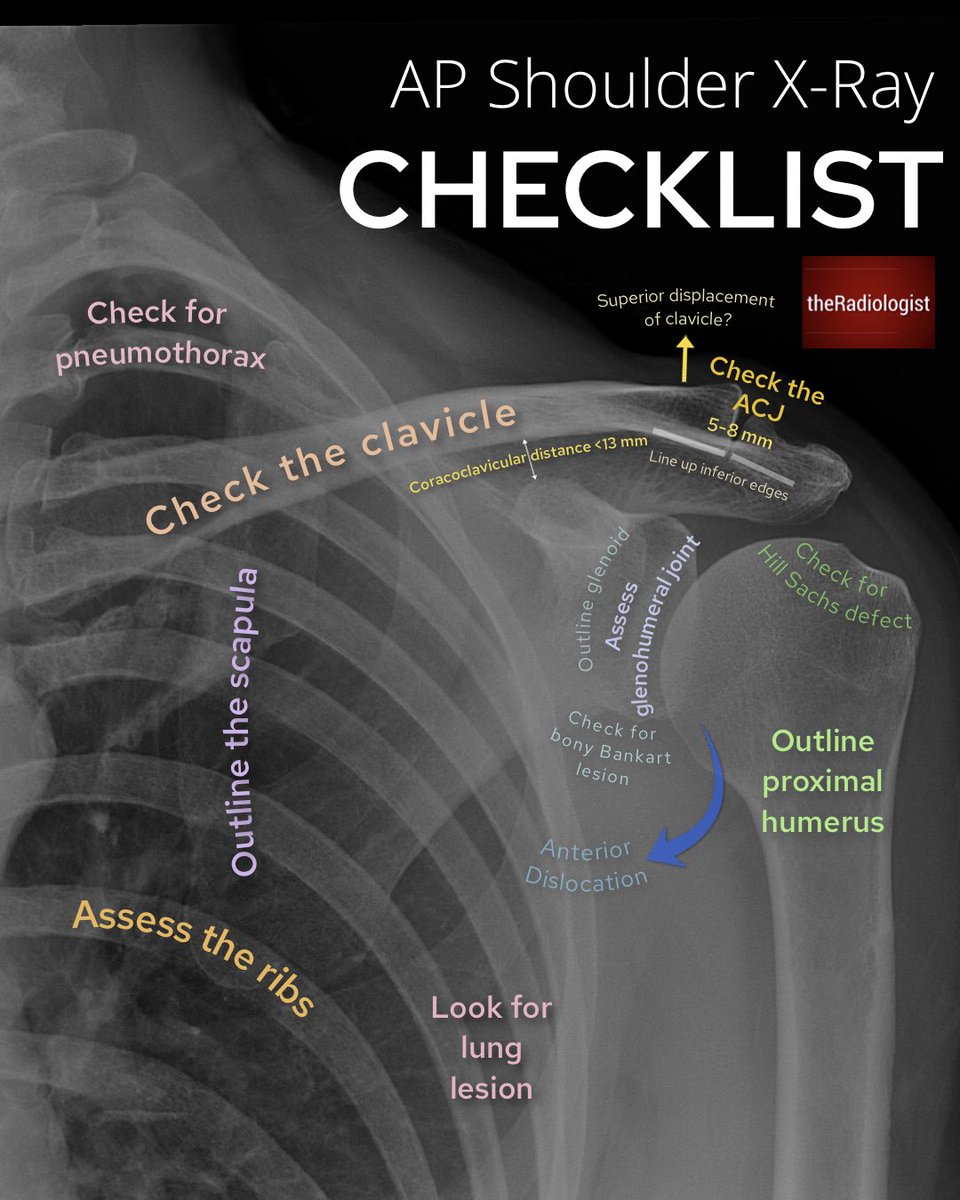
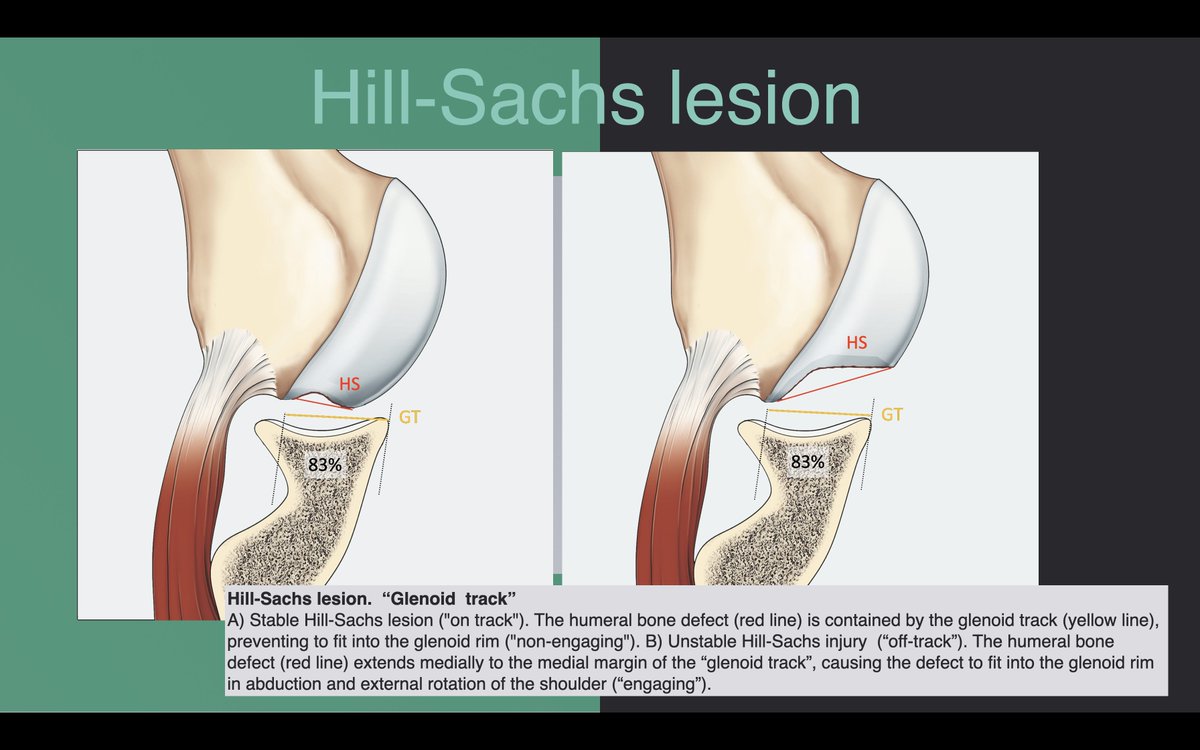
A challenge is to define the extent of glenoid bone loss (GBL) above which glenoid reconstruction is required (critical defect >25%; subcritical 15-20%, and minor defect <15%), the glenoid track of a Hill-Sachs defect, and de modified glenoid track in case of bipolar bone loss.
10 years between teaching me how to read a CT brain & showing me how to lead a residency prog. @avmdoc 🙏 to your patience, guidance & inspiration. #bigshoestofill
COC Parade! Thank you Prof Winston Lim for your years of service as SingHealth Diagnostic Radiology Program Director! And let's welcome Dr Lim Chee Yeong as the new PD! May the Residency Program continue to grow to greater heights!
#ResidencyProgram#gratitude#SGHDDR
SGHImaging explorations in Medical Additive manufacturing (Med3DP) with Singapore Academia, Local SMEs and MNCs - thank you for the invites and here's towards the best employment of tech for patient care
@dukenus@sutdsg@osteopore@SiemensHealth@namicsg
Aponeurotic expansion of supraspinatus tendon was beautifully illustrated and explained recently by @MDavisRads Here is an example on #shoulder MRI.Don’t overcall it a tendon tear. Note thickening of inferior glenohumeral ligament,sign of adhesive capsulitis #MSKrad#orthopaedics
Evaluating cuff retraction w the Modified Patte classification (2 coronal slices, coracoid and spine bases) improves accuracy for predicting repairability (88% v 74%) vs 1 slice. Stage III = both slices medial to glenoid. W/ commentary @Joe_EichingerMD
https://t.co/UQLv5iqgYK
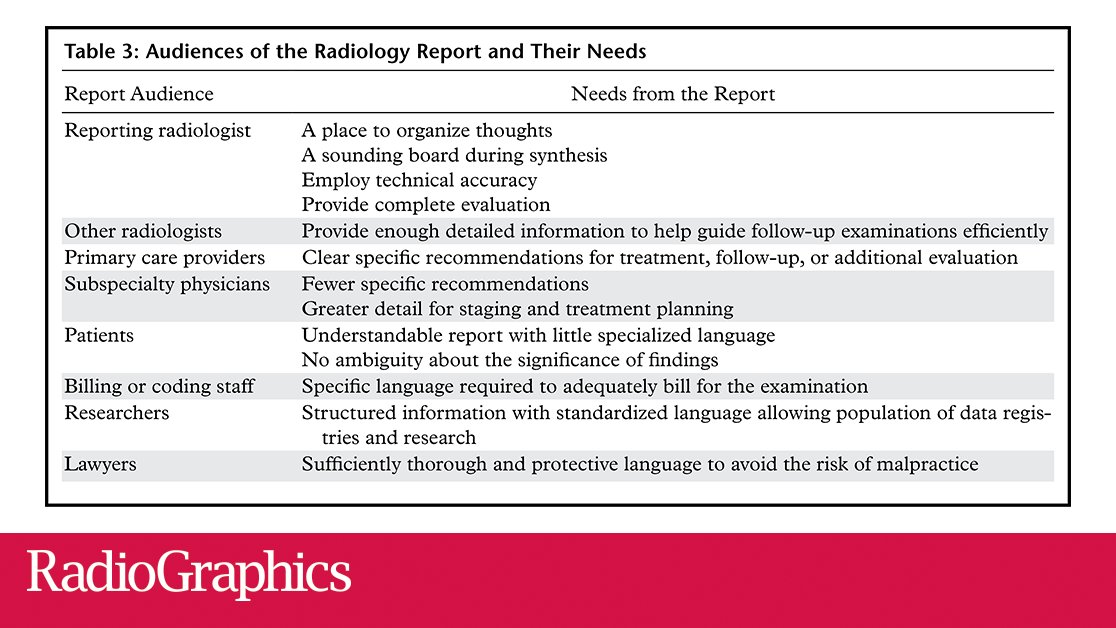
A radiology report represents the radiologist’s insight into a patient’s condition and is the most direct/important contribution to patient care. This @RadioGraphics article outlines foundational principles of clear, concise radiology reporting. https://t.co/x84TdAeBBM #RadRes