Deep Learning for Biomarker Discovery in Cancer Genomes
1. This study introduces a novel deep learning framework for identifying clinically relevant biomarkers—Microsatellite Instability (MSI) and Homologous Recombination Deficiency (HRD)—directly from somatic mutation data in cancer genomes.
2. Leveraging next-generation sequencing (NGS) data from over 3,000 cancer patients, the proposed method uses an end-to-end attention-based multiple instance learning (attMIL) architecture, outperforming traditional machine learning (ML) approaches.
3. The model achieves outstanding performance metrics for MSI prediction, with 98% accuracy, 95% sensitivity, and 100% specificity in external validation, significantly surpassing state-of-the-art ML tools.
4. In HRD prediction, the model maintains robust accuracy (80%) and demonstrates an ability to capture biologically meaningful patterns related to alternative DNA repair pathways like microhomology-mediated end joining (MMEJ).
5. Unlike traditional methods that rely on manual feature engineering, this deep learning approach processes unfiltered mutation data, reducing information loss and uncovering new genomic insights.
6. The explainability techniques employed—such as attention scoring and clustering—highlight the biological plausibility of the model, aligning predictions with known DNA damage repair signatures.
7. The framework adapts seamlessly to targeted sequencing panels like FoundationOne Dx and TruSight Oncology, maintaining high performance even with reduced data, showcasing its clinical applicability.
8. This study opens new doors for precision oncology by providing an interpretable, high-performing, and scalable deep learning toolkit for biomarker discovery.
@jnkath@StefanFrohling@am0ck@VibertJulien@zigutyte@michaela_un
📜Paper: https://t.co/CtvYyMDedh
#DeepLearning #CancerGenomics #AIinHealthcare #PrecisionOncology
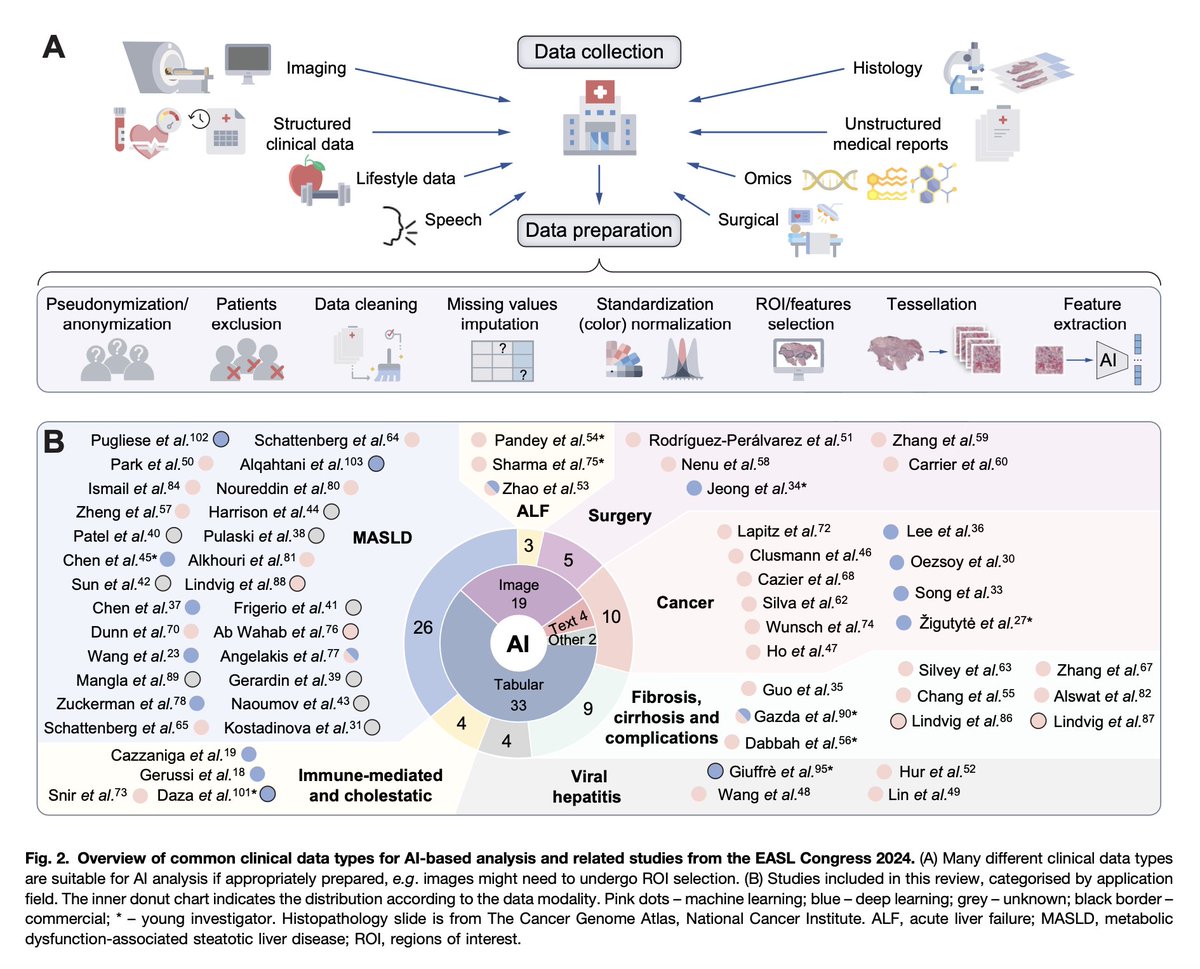
Happy to share a new review article led by Laura @zigutyte from @Katherlab. We surveyed all contributions at Europe’s largest conference on hepatology, @EASLnews 2024. The liver research field is already integrating AI techniques for diagnostics, evaluating treatment effectiveness, assessing risks, and more. https://t.co/zd0lqTB6BT
Finally out in @NatureProtocols : our group's workflows for end to end computational pathology. Compatible with UNI and other foundation models. Led by @ElNahhasOSM from @katherlab
journal link: https://t.co/oa2HFvH4Kg
full text: https://t.co/8zKLRNAgjB
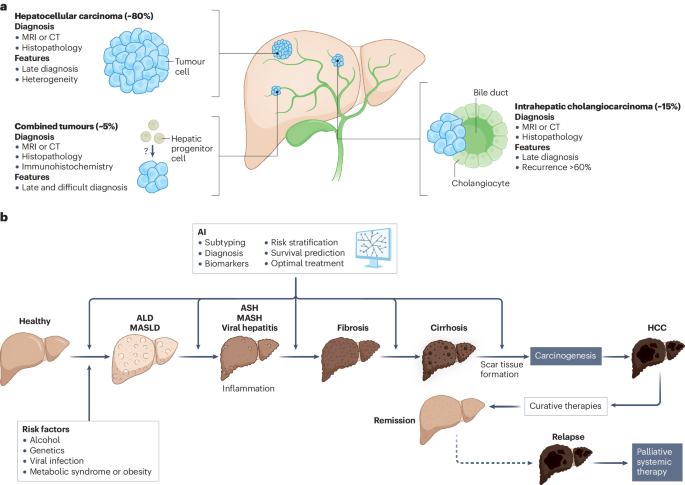
Our Featured article this month by @jnkath & colleagues focuses on AI in #livercancer, providing insights into new tools for research and patient management
https://t.co/Tp6lCS8IOR
Free to read: https://t.co/e2dtoejBik
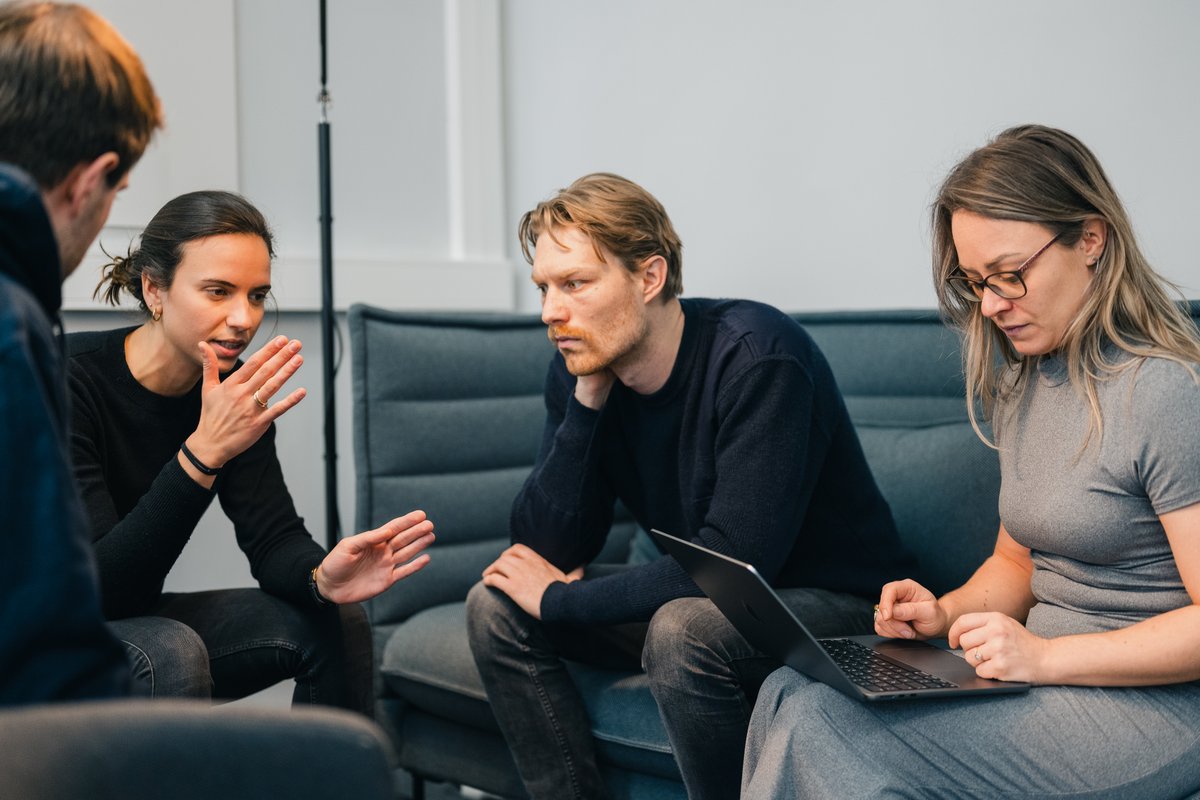
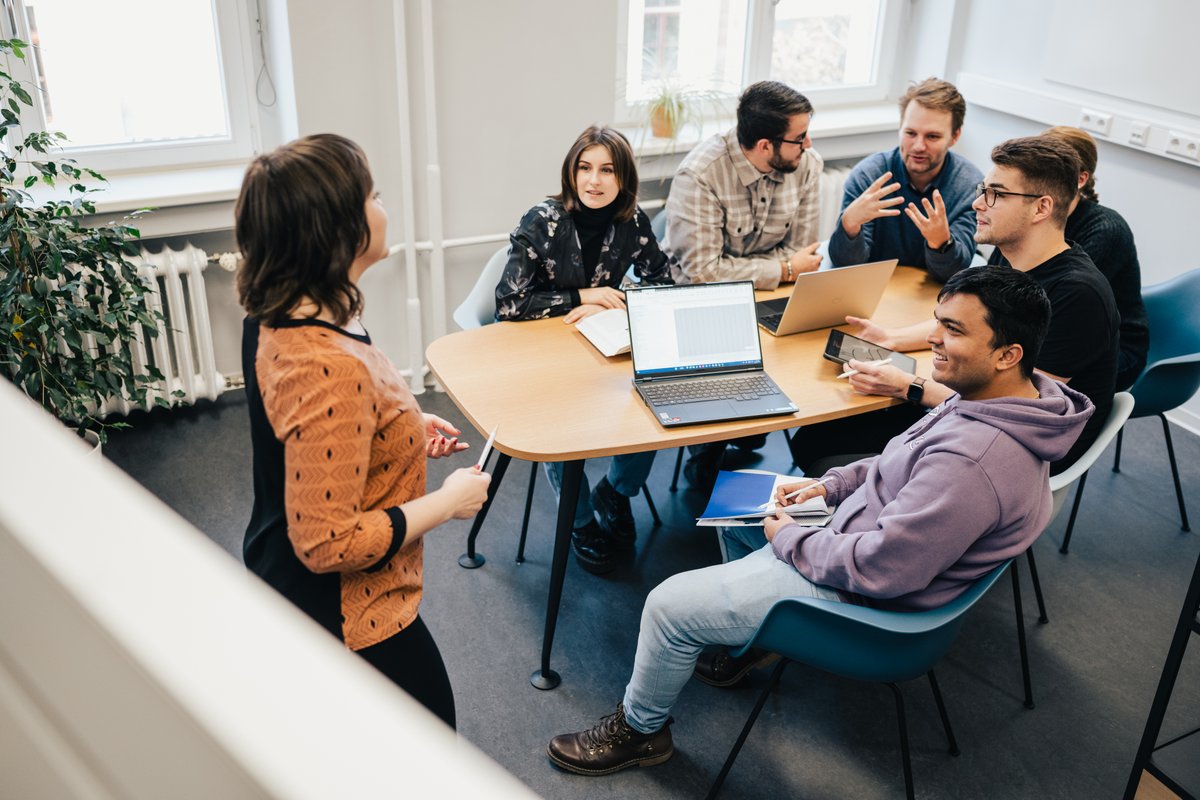
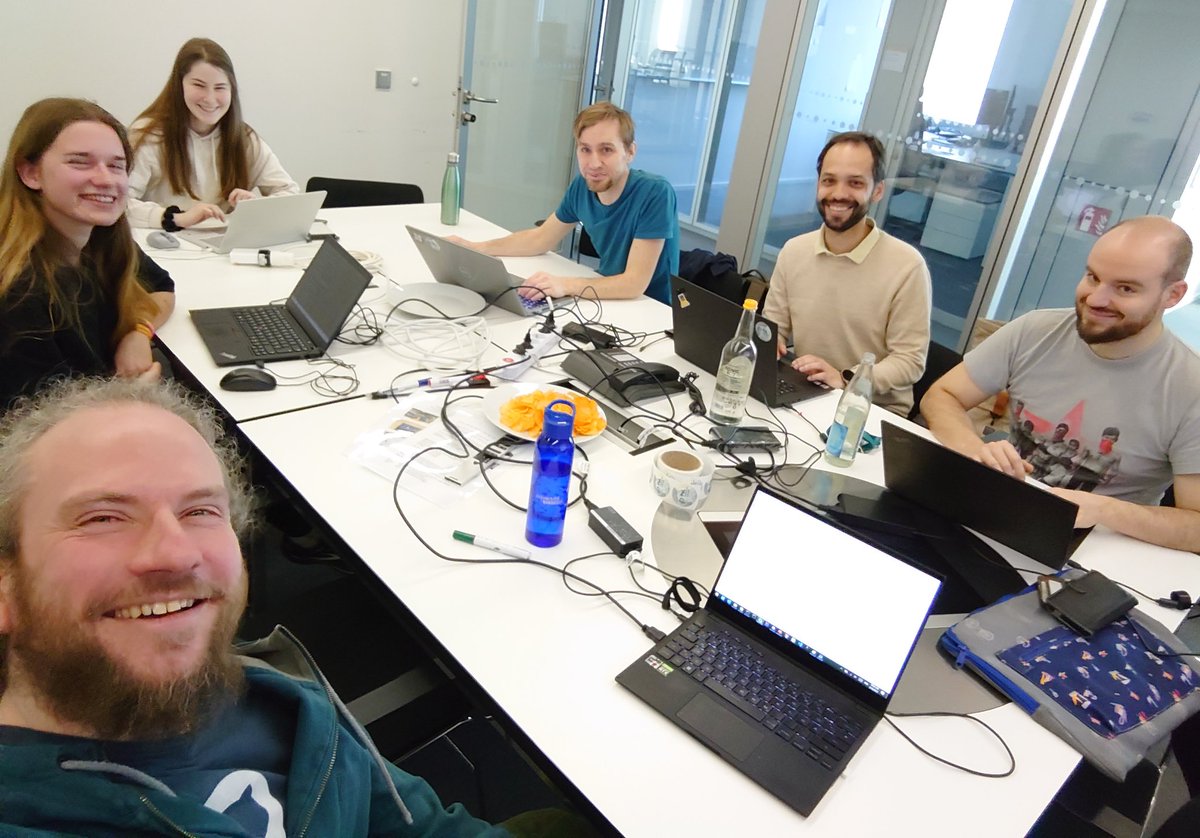
We had a fantastic #BioImageAnalysis+#DataScience training school last week! Big thanks to the trainers Anja Neumann, Christian Martin, Dušan Praščević, Jan Ewald, Laura Žigutytė, Marie-Sophie von Braun and Matthias Täschner, and the trainees for the amazing atmosphere 🔬🖥️🚀
Fantastic way to end the first day of #EASLCongress! Many thanks for inviting me, and fingers crossed for many succesfull future collaborations between computational researchers and physicians 🤩
Looks like we invited photogenic people to Vienna; happy to have all of you here 🤗 Thanks for coming to our totally inofficial stroll/evening event! This is how having a blast looks like in Vienna! #YI#LiverTwitter
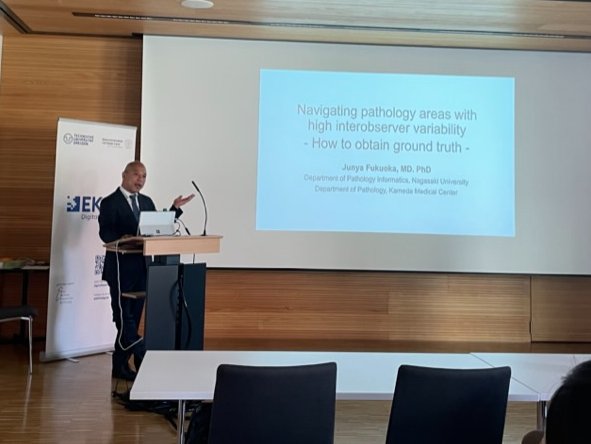
It was an honor to host Prof. Junya Fukuoka and Prof. Andrey Bychkov from Kameda Medical Center🇯🇵 at @EKFZdigital@tudresden_de @Medizin_TUD yesterday 🇪🇺 We learned a lot about bringing #AI to daily practice in digital #pathology
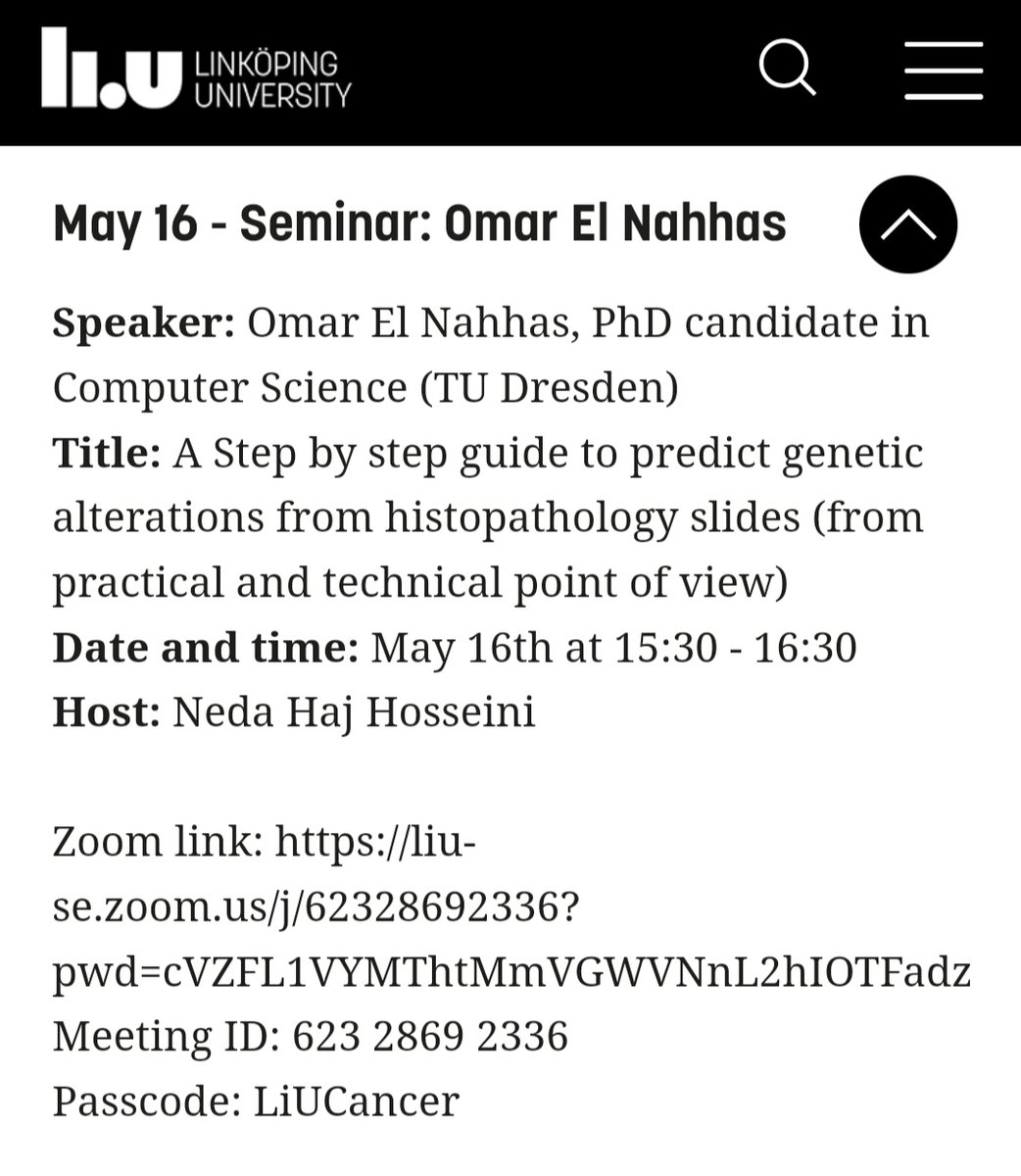
Looking forward to presenting at the Cancer Seminar series on May 16th, hosted by @liu_universitet. I will be sharing how the Kather Lab uses AI to predict complex biomarkers from routine histopathology slides in a step-by-step, layperson guide! @EKFZdigital@tudresden_de
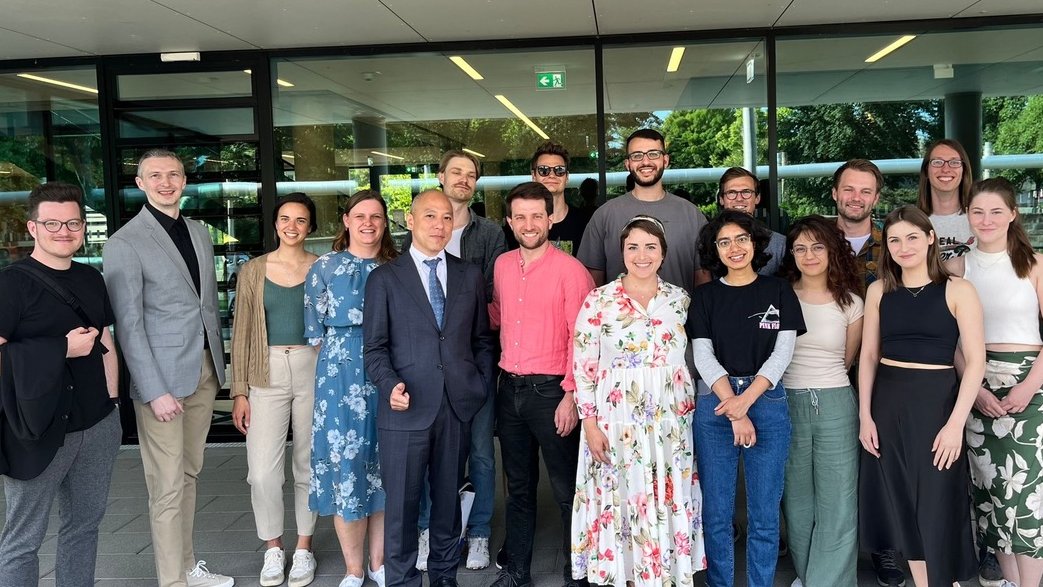
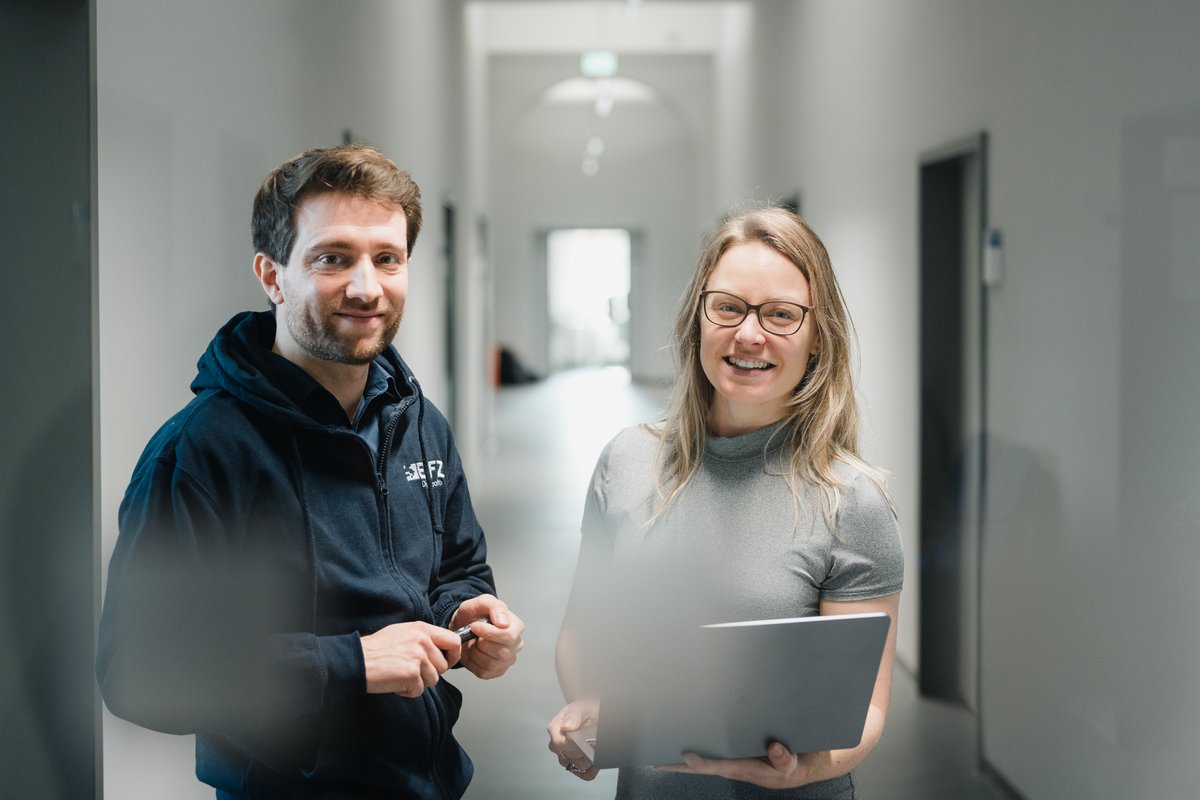
So proud of my research group "Clinical AI" at @EKFZdigital@tudresden_de @Medizin_TUD - the team has grown again and we have big plans for the next years! https://t.co/c4clbkLVQr - Photos by @SECAI_School :-)
I wrote a @focalplane_jcs blog post about "Annotating 3D images in napari" adressing time-efficient ground truth generation using an example dataset provided by @biyolokum (CC-BY).
I hope it's useful🔬🖥️
Feedback ❤️ly welcome!
https://t.co/dLJqmn2MEL
napari-skimage-regionprops allows you to:
- interactively get objects size, shape✅
"But I want to relate to objects from other channels!"
You can write python code to do that.
OR...
I am introducing multichannel summary statistics to https://t.co/Sjli3itVgH🚀🙂give it a try!
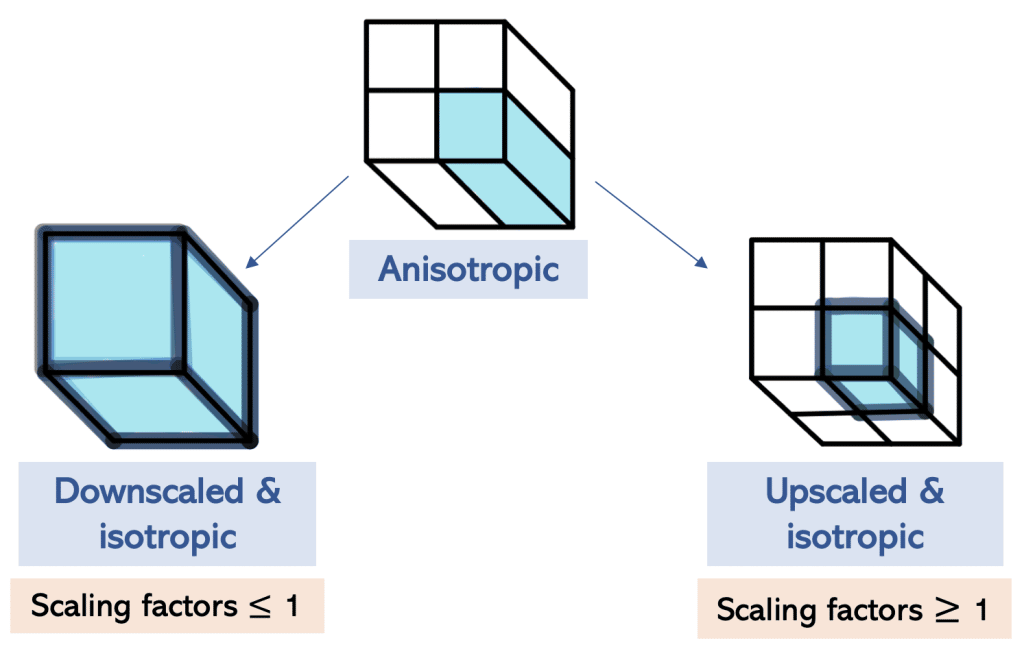
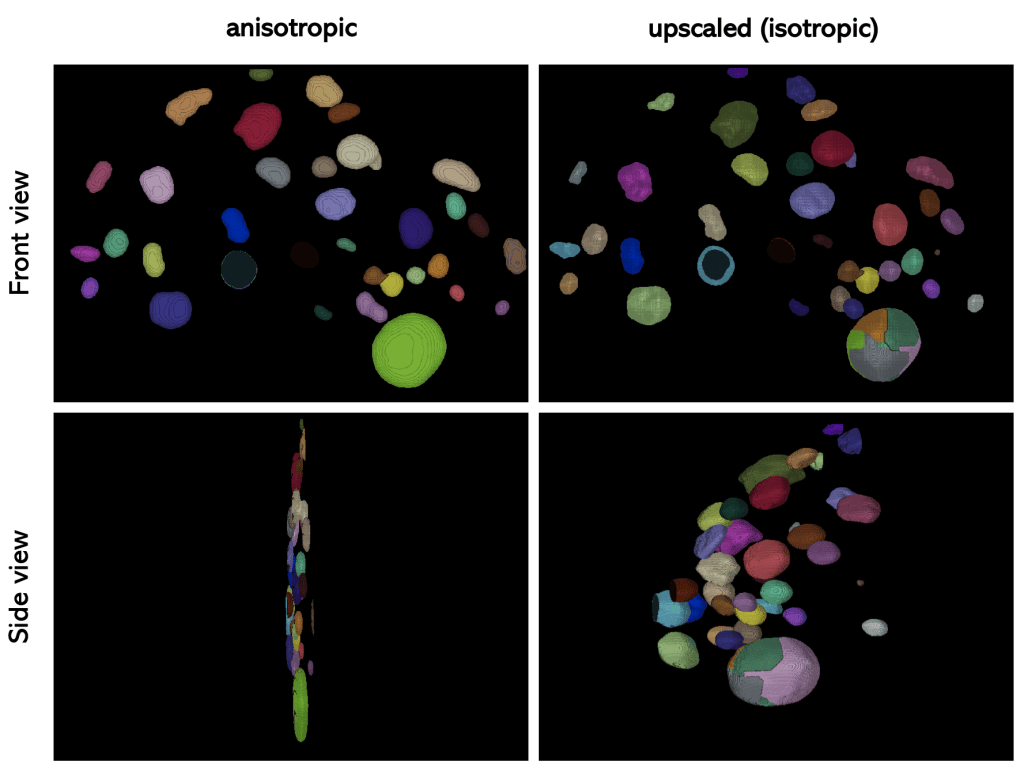
I wrote a @focalplane_jcs blog post about "Rescaling images and voxel (an)isotropy" adressing the importance of rescaling 3D image data on an example dataset provided by @biyolokum (CC-BY).
I hope it's useful🔬🖥️
Feedback ❤️ly welcome!
https://t.co/OPapDU9kO8