What's the big deal with calcifying plankton? The three major groups of calcifying plankton play essential but distinct roles within ocean ecosystems and the marine carbon cycle. https://t.co/B9UU6YYuGd
Calcifying planktonic organisms—coccolithophores, foraminifers, and shelled pteropods—are the linchpins of the marine carbonate cycle and key regulators of atmospheric carbon dioxide.
In a new #ScienceReview, researchers analyze which of their functional traits make them so successful and how they respond to changes in climate and ocean chemistry. https://t.co/R1SP1P5ZQo
La comunidad científica se moviliza para luchar contra la acidificación del mar
🌊Patrizia Ziveri del @ICTA_UAB habla en @elperiodico del estudio que demuestra que la acidificación ya altera la producción de conchas de plancton marino en el Mediterráneo
https://t.co/mgrjZuXpsg
🎓Congrats to our colleague Sven Pallacks for succesfully defending his PhD thesis on "The Trident of Climate Change Impacts on Marine Ecosystems: Warming, Acidification and Deoxygenation. Insights from Mediterranean sedimentary records".
Supervised by @ziverip &Eric Galbraith
😓Lamentablemente, este estudio del @ICTA_UAB de hace tres años sigue siendo vigente en estos días, especialmente en verano...
⏰¿Cuándo se tomarán las medidas políticas que revierta esta situación?
https://t.co/Ypsw7GG6sN
New finding provides better understanding of oceans' capacity to absorb atmospheric carbon dioxide.
Study by @ICTA_UAB demonstrates the important role of coccolithophores in the regulation of CO2 concentrations in the atmosphere.
https://t.co/4GxjAmnk8w @physorg_com
Descubren que un tipo de plancton regula concentración de CO2 en la atmósfera.
Investigación internacional liderada por el @ICTA_UAB con @ziverip al frente.
https://t.co/HbDVo9gAia
How to disseminate research findings about #nanoplastics and #microplastics and support marine #SciComm in Europe?
Yesterday coordinators and communicators from @jpioceans Joint Action Ecological Aspects of Microplastics fruitfully discussed joint activities for the coming year
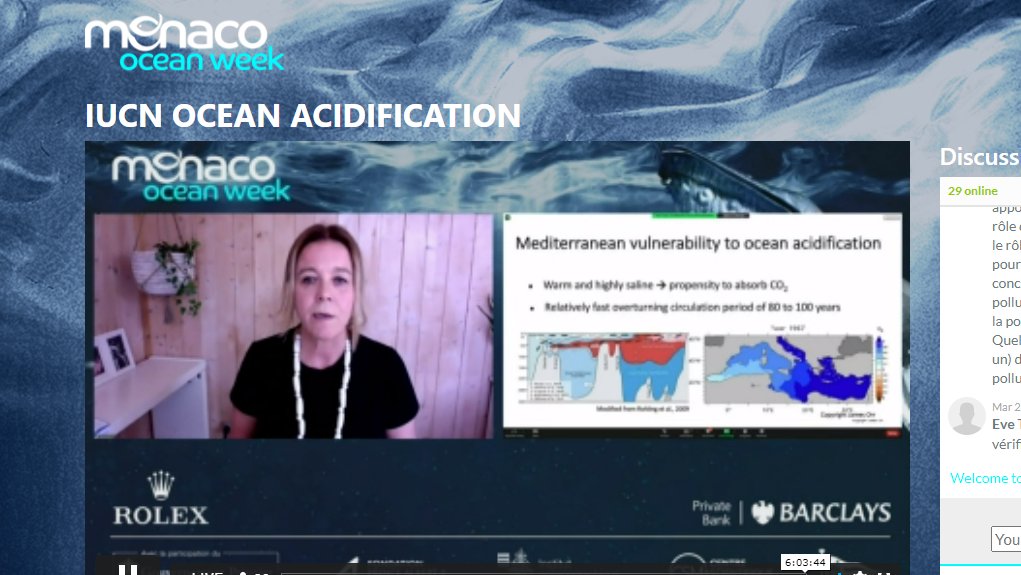
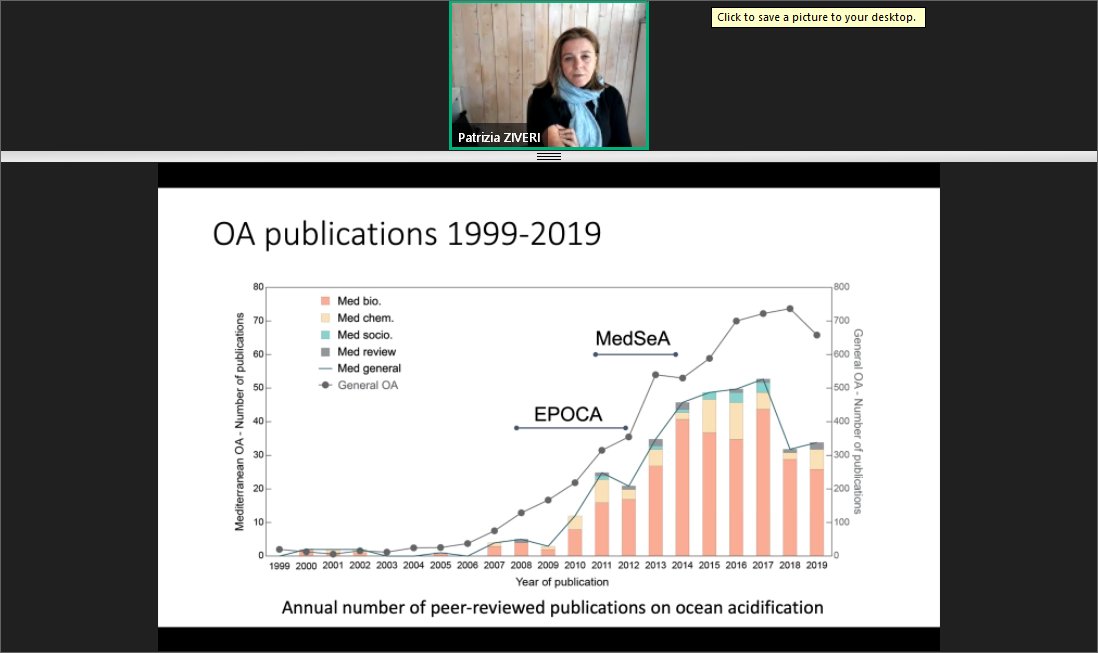
NOW - Our researcher @ziverip in the event on #OceanAcidification in the #Mediterranean organized as part of the 🌊Monaco Ocean Week 2021🌊"Future Priorities for Addressing Ocean Acidification in the Mediterranean: from research to policy" #MOW2021
Follow https://t.co/01niU3VTto
Tourism mainly responsible for marine litter on Mediterranean beaches, according to a study by @ICTA_UAB. For researchers, the global COVID19 pandemic may be an opportunity to rethink the model of sustainable tourism.
https://t.co/lGMNHQ3eUg
✍️La investigación del @ICTA_UAB analiza los efectos derivados del calentamiento y la acidificación oceánica sobre estas algas, que se encuentran en la base de la cadena trófica marina e interaccionan con el CO2 atmosférico. 🌊
https://t.co/7P4eYxqI5c a través de @agencia_sinc
Los centros y unidades de investigación de @SOMM_alliance han ofrecido su apoyo a @SaludISCIII, en sus esfuerzos para responder al reto planteado por #COVID19.
Se está recopilando la disponibilidad de capacidades, equipos y efectivos que se pondrán a disposición.
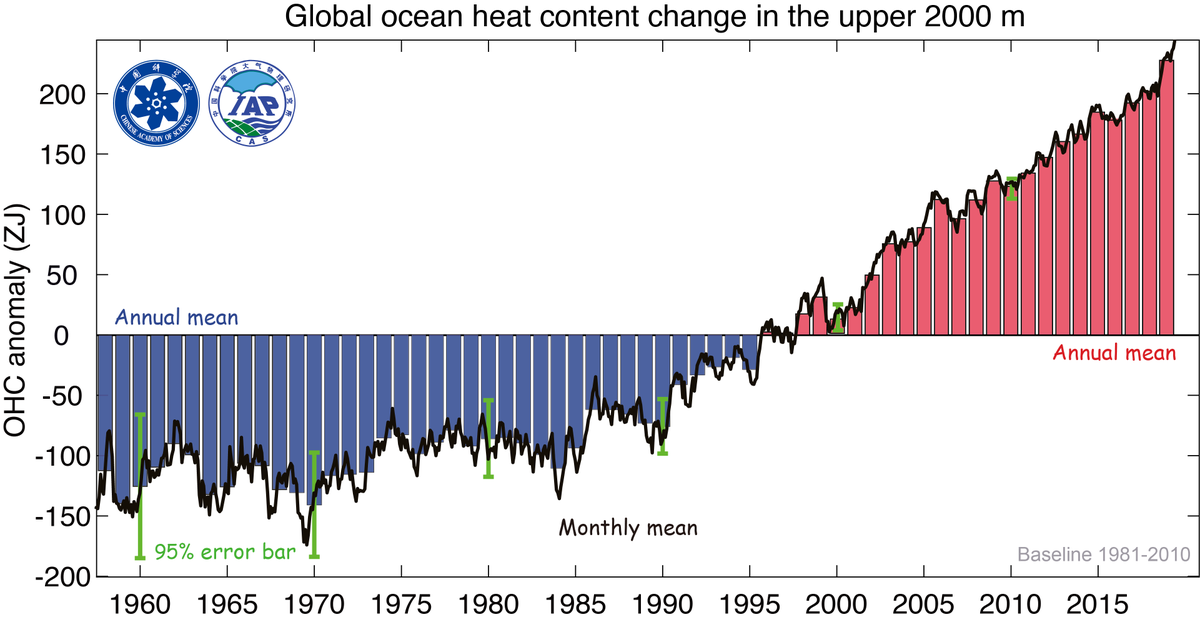
[THREAD,1/9] Ocean heat content (0-2000m) data from IAP and NOAA/NCEI was just released, NO surprise, 2019 was the warmest year on record for global ocean. Not only that, the past 5/10 years are the warmest 5/10 years! [https://t.co/yQ69xmQpzc]