The draft of the KDIGO 2026 AKI/AKD Guideline is now available for public review through April 27, 2026.
Download the guideline and submit comments via the feedback form on the guideline website: https://t.co/6kEU9nONnb
This update to the 2012 guideline introduces a unified framework across AKI and AKD, with advances in diagnosis, prevention, and management, including updated recommendations on biomarkers, kidney replacement therapy, and follow-up care.
Recommendations were developed by an international Work Group, including patient representatives, using GRADE methodology.
KDIGO welcomes feedback from the global kidney community. Reviewers may focus on sections most relevant to their expertise, and contributors may be acknowledged in the final publication.
#AKI #AKD
@WilliamAird4 I have a question: If a patient has a disease that causes deposition of substances in the bone marrow, such as oxalosis, why are RBCs affected more than WBCs and platelets? Suppose kidneys are not involved here and the patient has normal erythropoetin.
A 40-year-old Brazilian male presented to the ED after experiencing syncope. Over the past 4 months, he was fatigued and diagnosed with folate- and iron-deficiency anemia, for which he received treatment.
How should this patient be managed?
https://t.co/8IGRKVXQ4z (FREE)
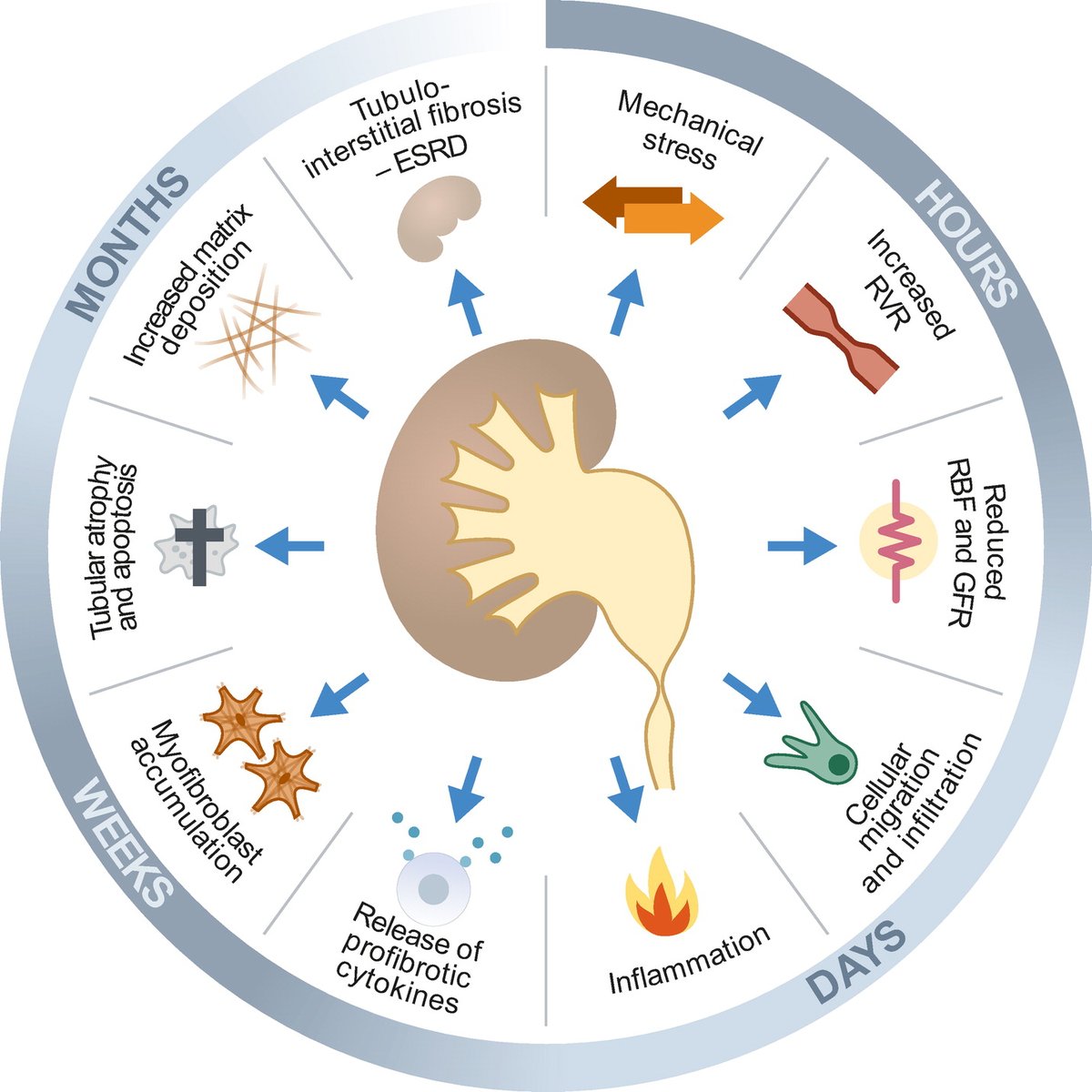
Hallmarks of obstructive nephropathy showing key characteristics of functional and cellular consequences of ureteral #obstruction as a time lapse from hours to months.
RBF, renal blood flow; RVR, renal vascular resistance.
Source 🔗 https://t.co/IuTKAtT9e5
#FOAMed#POCUS
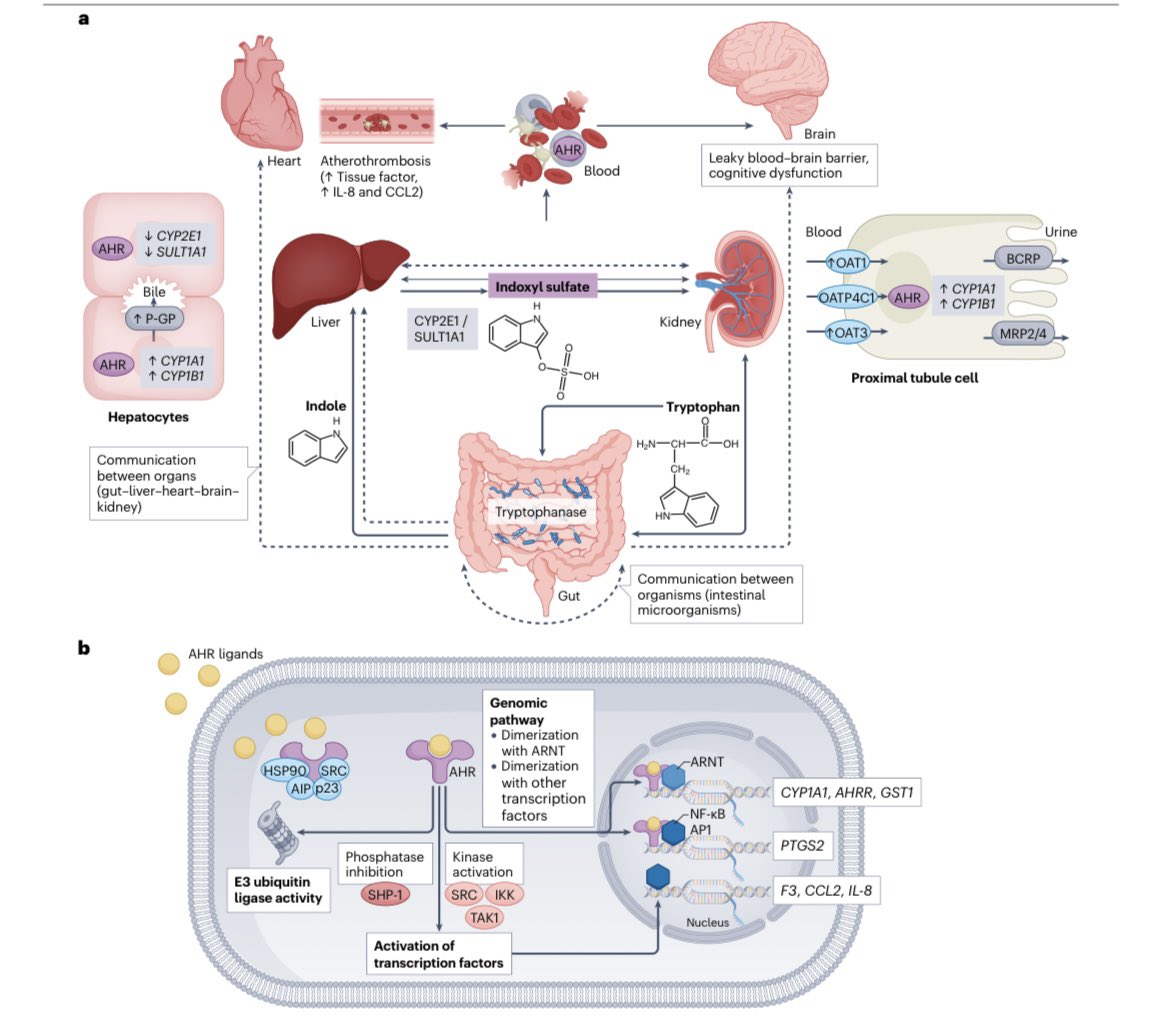
ERC no solo se acumula urea: más de 150 moléculas tóxicas dañan corazón, vasos, huesos y cerebro.
La dieta, la microbiota y nuevas terapias son clave para frenar la toxicidad urémica.
La ERC es una bomba molecular silenciosa
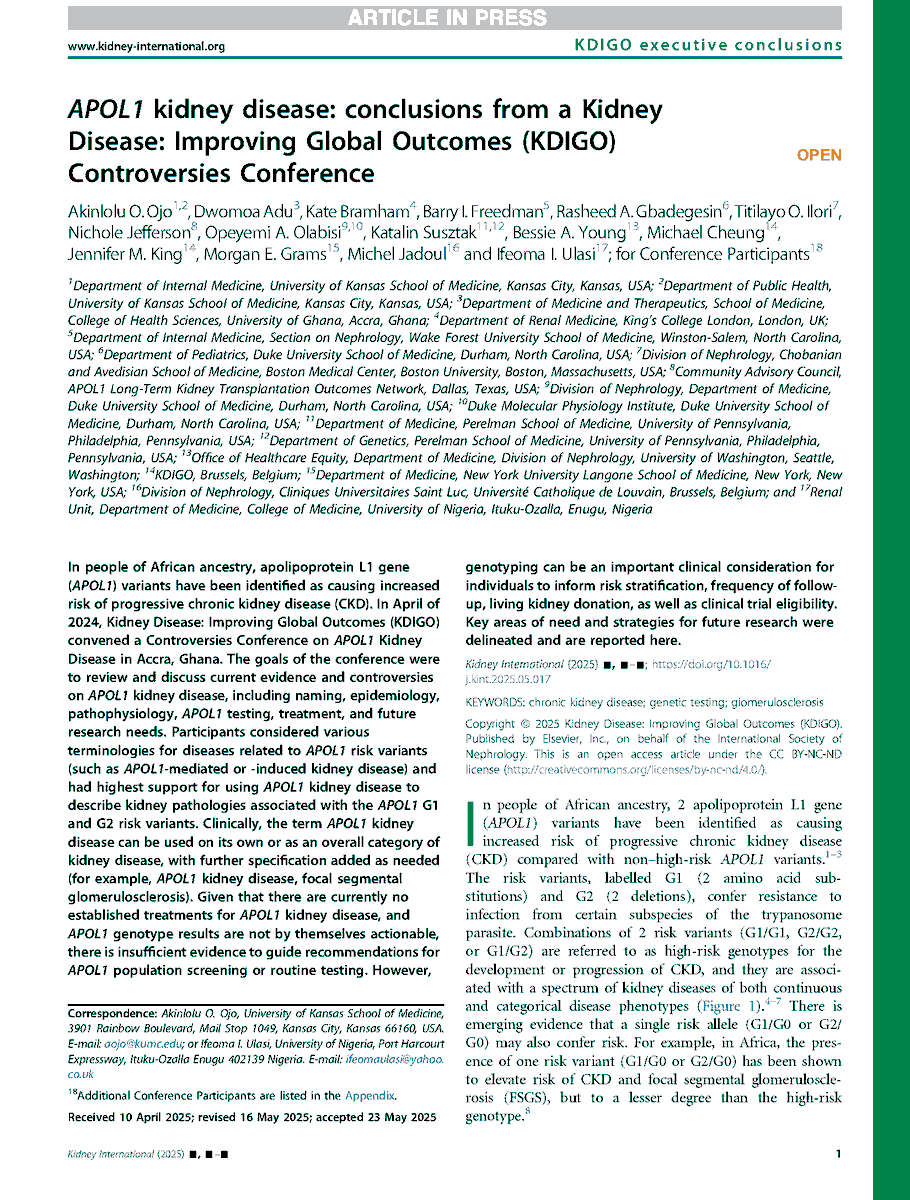
KDIGO is pleased to share the publication of the APOL1 Kidney Disease Controversies Conference Report in Kidney International.
Co-chaired by Akinlolu Ojo, MD (United States) and Ifeoma Ulasi, MD (Nigeria), the Accra, Ghana conference brought together scientists, clinicians, and patient representatives from around the world to address the urgent, inequitable burden of APOL1 kidney disease.
“This report is a milestone in global kidney health,” said Dr. Ojo. “The high prevalence of APOL1 high-risk genotypes in West Africa makes this disease’s impact potentially catastrophic. We highlight the urgency of understanding genetic and other factors, advancing biomarkers, and accelerating trials to improve outcomes—especially in Sub-Saharan Africa and the African diaspora.”
“To address this devastating disease, we must build research capacity, enhance genetic literacy, support ethical testing, and center patient experiences,” said Dr. Ulasi. “This is a call to action for equitable investment in research, prevention, and treatment—and for turning the promise of targeted therapies into accessible care.”
Read the open-access conference report in Kidney International: https://t.co/fXdcW7L5KX
Download the report: https://t.co/ISU9FlS98p
Learn more about the conference: https://t.co/uAXMWNEJxR
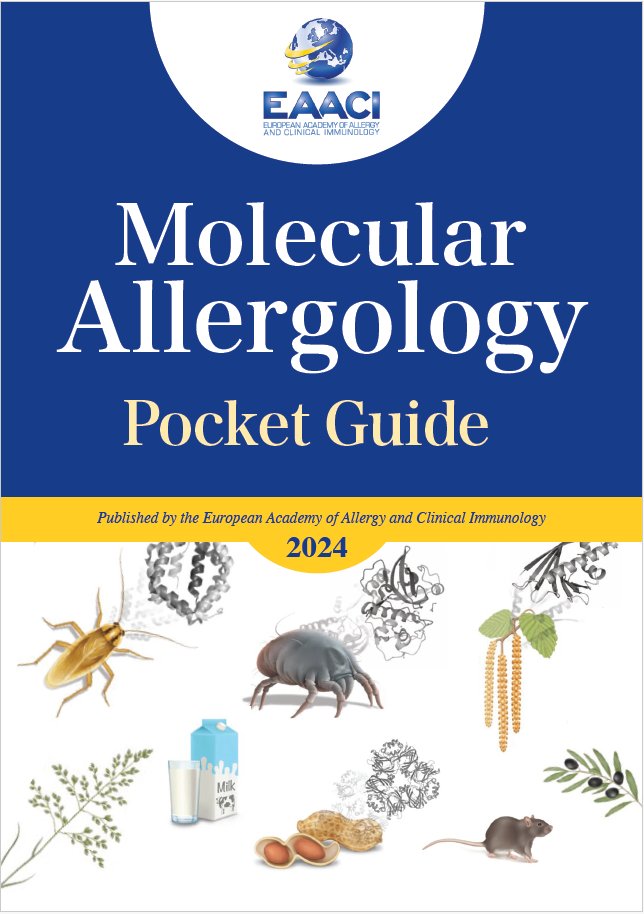
🚨 RECENTLY RELEASED from #EAACI!
📘 The #Molecular#Allergology Pocket Guide (#MAUGPocketGuide) is now available!
This 2024 edition is your must-have reference in #allergy and #immunology practice, packed with essential insights on molecular diagnostics and #allergen components.
Download it now and keep it handy in your clinic 🔗 https://t.co/uUhrLMTNHc
#Allergy #Immunology #MAUG #MolecularAllergology #ClinicalImmunology #MolecularDiagnostics #PAI_journal @EAACI_HQ@EAACI_JM
@E1_Cluster
السلام عليكم ورحمة الله وبركاته
أود التدريب بأجر بمستشفى الولادة والأطفال/التخصصي بالدمام لاكتساب الخبرة لمدة شهرين مايو و جون.
كيف التقديم؟
قدمت عن طريق الموقع ورسلت بالايميل وعن طريق الواتس اب ولا يوجد رد
If you have kidney disease, you are at risk for high potassium because your kidneys cannot effectively remove excess potassium from your blood. Managing potassium levels may require dietary adjustments and, in some cases, medication.
#WorldKidneyDay#AreYourKidneysOK
من مفاجآت عام ٢٥ العلمية
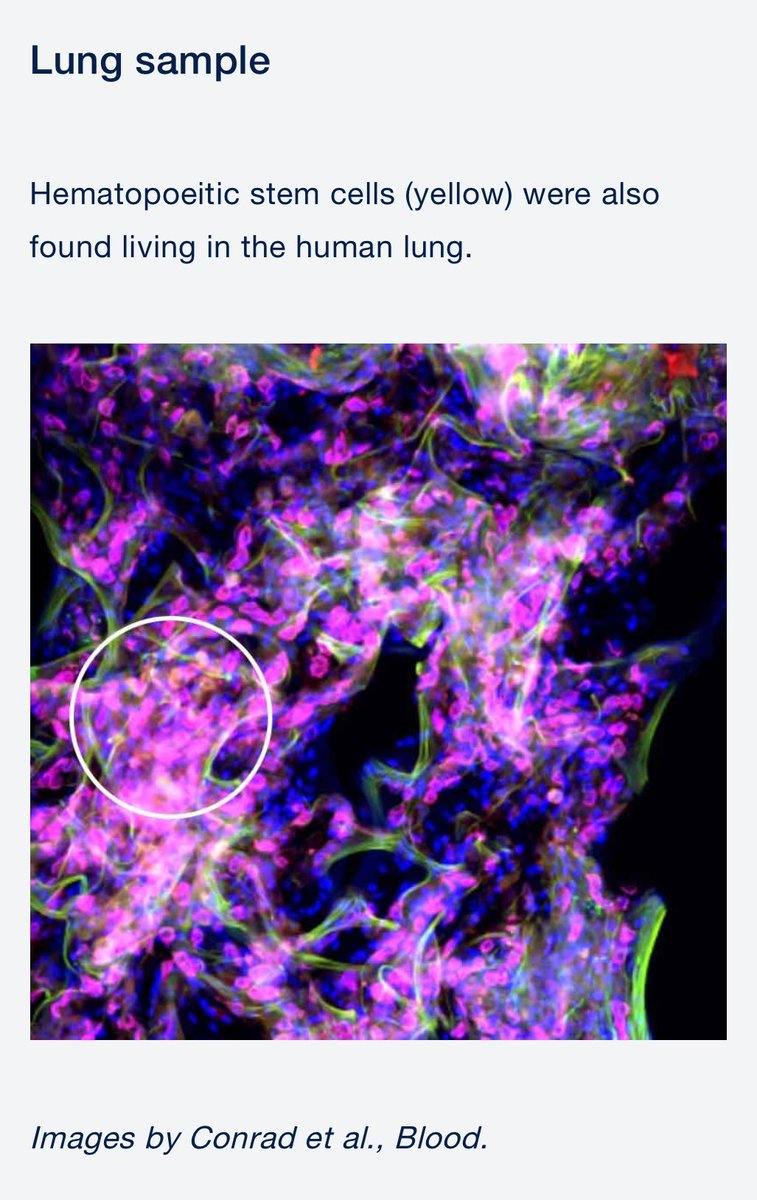
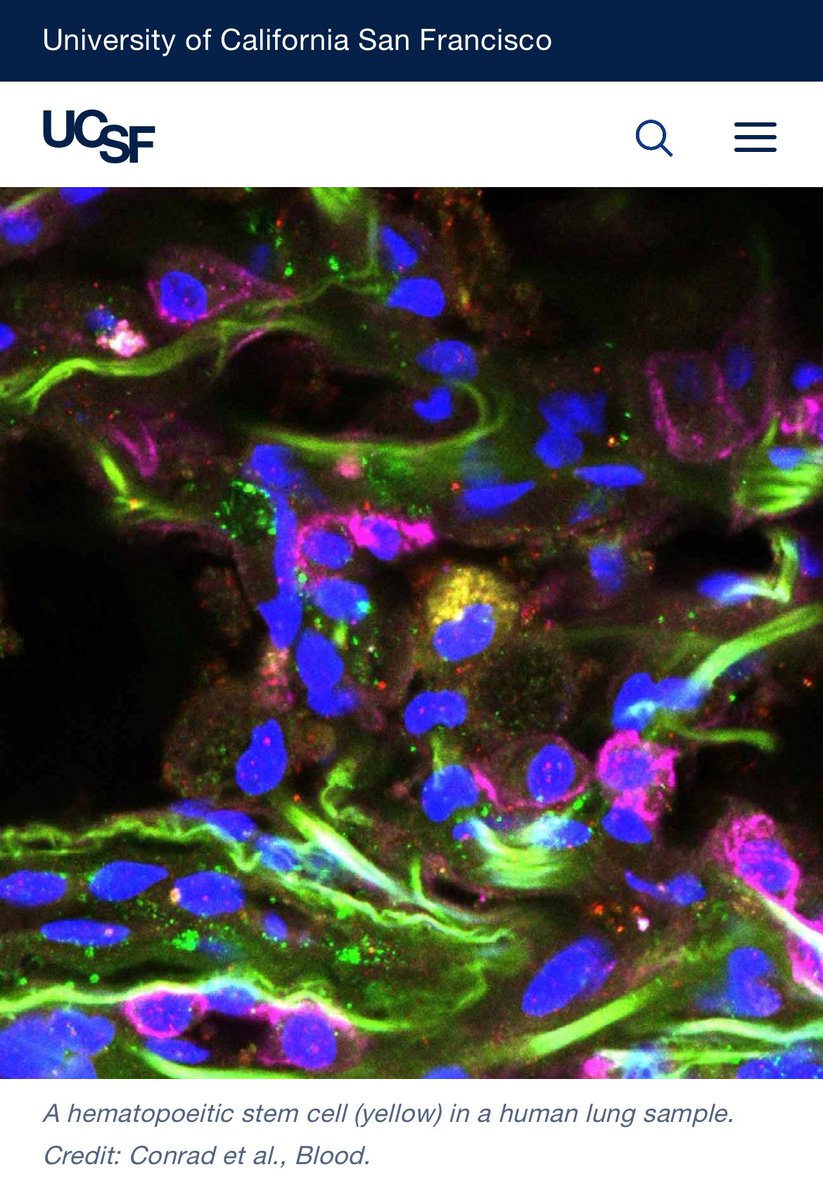
تم اكتشاف مصنع دم 🏭 🩸 جديد في جسم الانسان، حيث اكتشف العلماء أن ه��اك خلايا جذعية في الرئة 🫁 تساهم في انتاج خلايا الدم 🩸 و قد تكون لها تطبيقات علاجية واعدة و مقاربة لتطبيقات خلايا نخاع العظم. و قد تم استخدام عدة تقنيات حيوية لتأكيد هذا الاكتشاف ✔️
الجديد بالذكر أن نفس الفريق العلمي اكتشف في عام ٢٠١٧ تقريباً نفس الاكتشاف في حيوان التجارب 🐁 وبعدها واصلوا البحث على الانسان و هذا دليل على أن الاكتشافات العلمية نتاج خبرات تراكمية
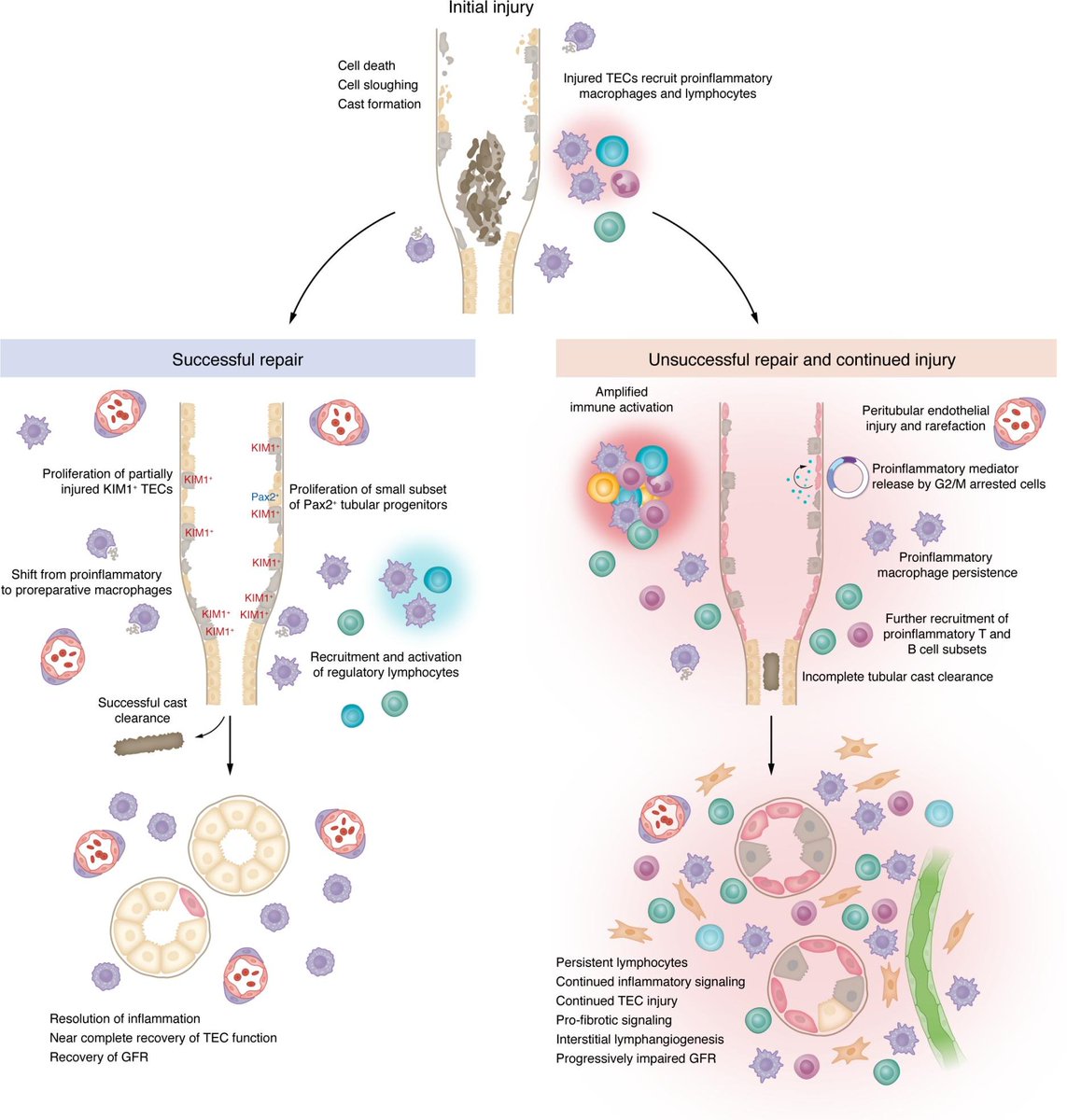
Just published review in today’s issue of @jclinicalinvest by @meganlebaker and @lloydcantley1 — Adding insult to injury: the spectrum of tubulointerstitial responses in acute kidney injury!!
Check it out! 🔗👉https://t.co/3kZUxtcXXn
@YaleIMed@YaleMed
Check out the final report from the KDIGO CKD-MBD Controversies Conference, published in the March issue of @Kidney_Int: https://t.co/reHyDkKjqE
The report offers key insights into CKD-associated osteoporosis, vascular calcification, and cardiovascular disease, with updated guidance on diagnostics, advanced imaging, and novel biomarkers.
"Our understanding of CKD-MBD has grown far beyond simply managing biochemical markers," said conference co-chair Dr. Markus Ketteler. "This report highlights the intricate relationship between bone health and cardiovascular disease in CKD patients and calls for a personalized care model that addresses the broader clinical picture."
"One of the most powerful messages from this meeting is that CKD-MBD management must center on the patient, not just the disease," said conference co-chair Dr. Rosa Moysés. "By embracing a holistic, patient-centered approach, we can reduce fracture risk, slow cardiovascular disease progression, and ultimately improve survival and quality of life."
Read the news release: https://t.co/hw2K4dBEyA
#CKDMBD #CKD #CVD #osteoporosis