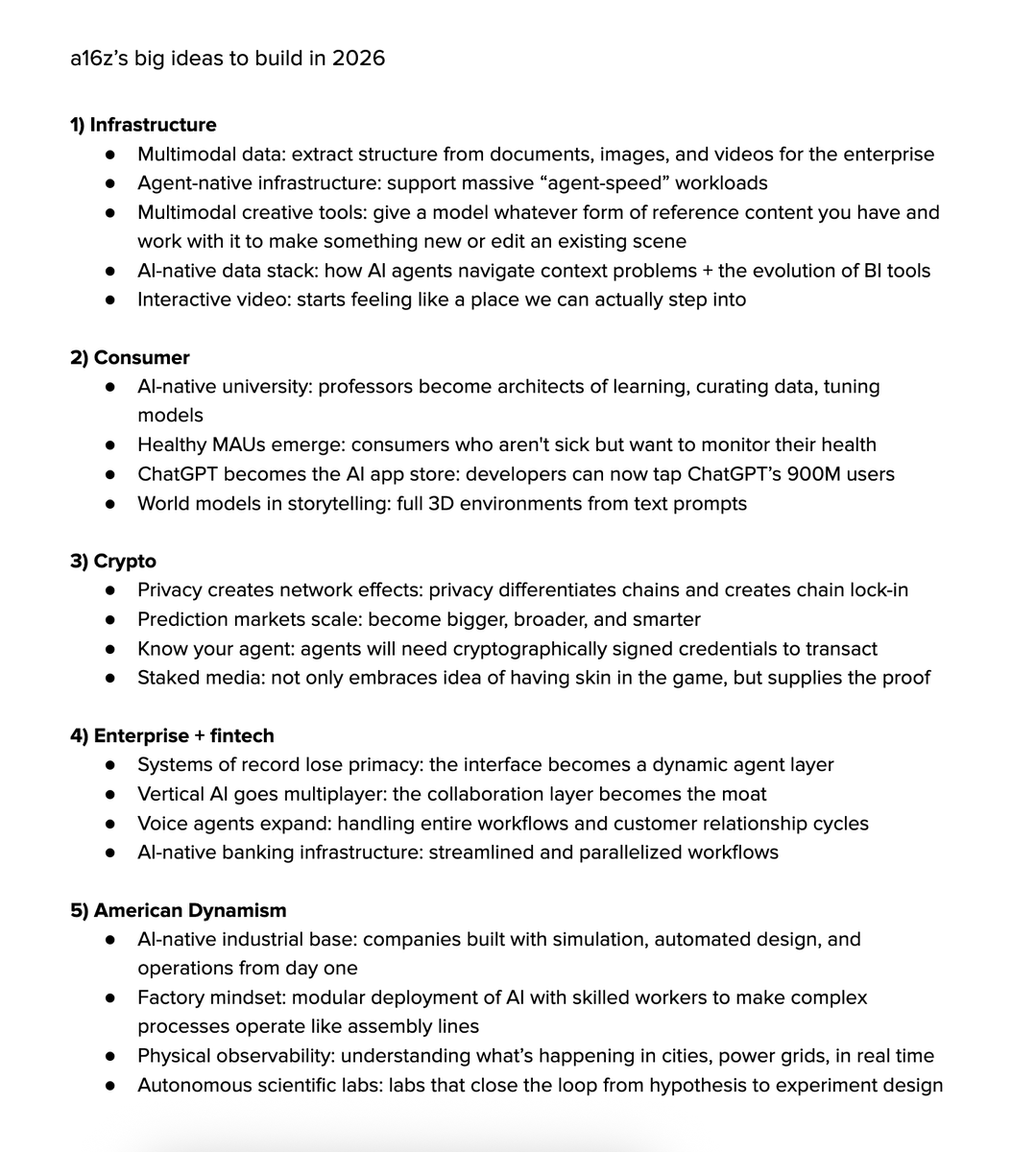
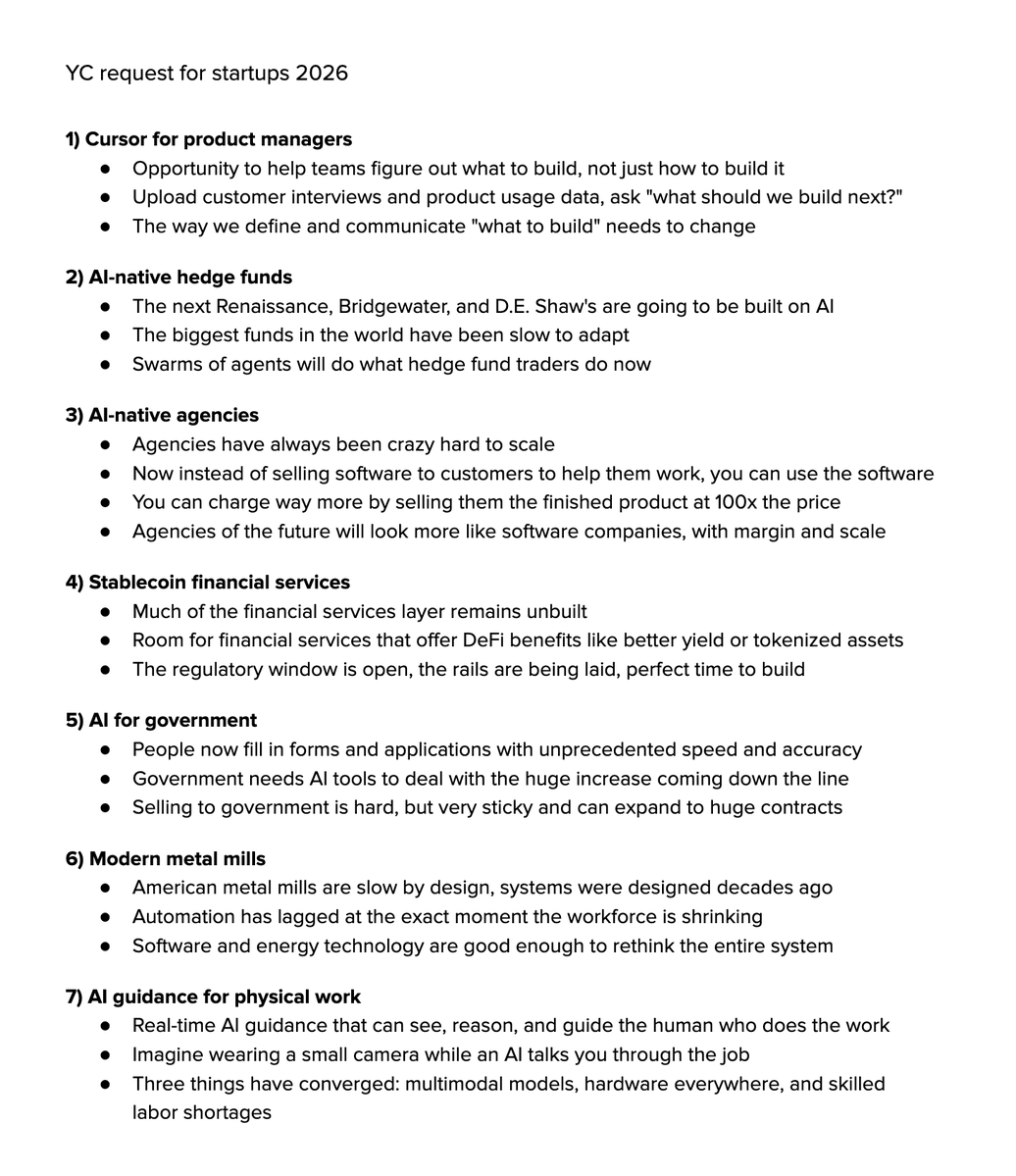
Crypto enters 2026 in a very different position than in previous cycles. After years of experimentation, rapid growth, and early institutional interest, the market is moving into a phase defined by structure, operational maturity, and long-term fundamentals.
Brazil ranks 5th globally in crypto adoption, behind India, the US, Pakistan, and the Philippines. Over $4T in stablecoin volume moved onchain this year, showing how emerging markets drive real use cases. Source: 2025 Crypto Adoption and Stablecoin Usage Report (TRM Labs).
Proud to contribute data, use cases, and insights to the Brazil Tokenization Report 2025 — a comprehensive look at how regulation, finance, and blockchain are converging in the country. Thanks to Nexa Finance and Fintrender for driving the conversation.
How will a future of 1,000 stablecoins actually work?
By recreating what TradFi already solved: universal interoperability across many private monies.
When that happens, fragmentation disappears and users stop caring who issued their dollar, just as it is in banking:
We already live in a world of “multiple stablecoins.”
They’re called bank deposits.
A dollar at Chase and a dollar at Wells Fargo are not the same liability, go beyond FDIC insurance and the risk profile changes, yet we treat them as identical.
Why? Because the system abstracts the issuer away.
Clearing networks like ACH and Fedwire constantly reconcile these private monies in the background.
Visa and Mastercard add another layer on top, enabling spendability anywhere without asking which bank holds the liability.
That perceived unity comes from redemption, spendability, and seamless interoperability, not from a single winner-take-all issuer.
Stablecoins will follow the same path.
Regulation like the GENIUS Act defines reserves and redemption rules, but regulation alone doesn’t create fungibility.
Only infrastructure does, the onchain equivalents of ACH and merchant settlement.
We’re early. Today we see intra-issuer interoperability (@m0, @Stablecoin, @Paxos, @Anchorage, @withAUSD) and the first attempts at cross-issuer clearing (@ubyx_ ).
Will a single neutral layer emerge? Or multiple competing networks?
Time will tell. But once users can send, spend, and store value without knowing (or caring) whether it’s USDC, PYUSD, or something else, the mental model collapses into a single truth:
It’s just money. The issuer fades away.