RECOVER FASTER THAN EVERYONE
Lose the day. Come back at night. Miss the gym. Go tomorrow. Waste a week. Win the next one. Get embarrassed. Stay visible. Get rejected. Try again. Fall behind. Move anyway. Stop turning every mistake into a new identity. Stop making failure mean more than it does. Stop disappearing every time life proves you’re still human. The men who win aren’t perfect. They just don’t stay gone.
The cheat code is simple.
Become impossible to keep down.
“Just noticing…” - @TuckerCarlson
Venezuela also didn’t have a Rothschild controlled central bank, limited ties to the World Bank & IMF, and Maduro, while ethnically Jewish, held very anti-Israeli stances.
An Israeli soldier films himself blowing up a Palestinian building as a "gift" to his wife, citing the biblical call to "wipe off the memory of Amalek.
He filming his own war crimes as a romantic gesture is not a rogue actor-he is the ideal citizen of apartheid state
Marriage is less appealing now because the material benefits it once offered women have largely collapsed. 100 years ago it was the dominant route to financial stability, social standing, protection and adult recognition. Today a woman can earn her own income, live independently and access most of the benefits that once required marriage. Her rising status came from economic and technological changes that aligned with female strengths, along with contraception, education and legal reforms. With those changes, marriage no longer looks like a significant upgrade. It looks like a risk with fewer guaranteed returns.
It has always been an absurdity to frame marriage as a happiness project. Historically, marriage was a practical institution for pair bonding, lineage, inheritance and the stable raising of children who are enormously costly emotionally and materially, and take a long time to become independent. Cultures enforced marriage through pressure, shame and obligation because that was how you secured cooperation between the sexes. Divine will was simply a justification for adaptive behaviour. Happiness inside marriage was a bonus; it was not the structural purpose.
Feelings of love themselves are ancient, but the expectation that marriage should be founded on those feelings is comparatively modern; the rule that love must be the basis for choosing a spouse. That expectation only gains real cultural traction in Western Europe from the 17th and 18th centuries onward. Once industrialisation began lifting populations out of constant survival pressure, humans could focus beyond subsistence and onto the broader palette of emotional human experience. By the 19th C the idea of a “love marriage” spread more widely, and only in the mid 20th c does it become the default assumption that marriage ought to be romantic. Assortative mating remained robust throughout; people fell in love largely within the boundaries set by class, status and compatibility. What changed was the cultural script, not the underlying biology.
Marriage was never designed for happiness; it was designed for stability. Only once its material function weakened did people begin to expect it to deliver emotional fulfilment instead.
And so here we are.
Women’s romantic feelings are evoked when she sees a man with an appropriate level of status. But if most men in her circle are on par with her or below her, then there are far fewer men able to impress her. Why bother? She no longer needs rescuing from poverty. She doesn’t need a husband for survival. If anything, she would like a partner who propels her further up the socioeconomic ladder and an increasing proportion of men can’t do that.
So what happens now?
When the old social norms around marriage weaken, marriage stops being a universal expectation and becomes a personality filter. The people least capable of stability, cooperation or long term planning simply do not marry at all and tend to have children with multiple partners. Those with slightly better traits may marry, but may not sustain it for life as intended.
In the end, marriage is not disappearing, it is becoming concentrated amongst the successful. It becomes almost like an aristocratic custom; rare, elite, stable, high-investment and deeply stratified. A marker of competence rather than a rite of passage. For everyone else the pattern is fluid relationships, low stability, weak pair-bonding and falling fertility. Marriage survives, but only among the successful.
I can’t say I would mourn the loss of marriage. If modernity is a selection event, then it simply reveals who can form and maintain long-term bonds under conditions of freedom. When the economic compulsion is removed, what remains are underlying dispositions: stability, foresight, self-control, reciprocity, emotional regulation. Those traits cluster unevenly.
Long live the genetically blessed.
In the end, marriage will not be saved by sentiment. It will be saved by selection.
Just watched God’s design in motion…
A colony of Carebara diversa.. ants, small yet strategic, took down a spider ten times their size.
Their secret weapon wasn’t chaos.. it was order.
Out from the ranks came a massive soldier ant with mandibles built for war.
Each ant moved with purpose… no ego, no confusion… only unity. Watching it made my skin crawl and my soul marvel.
Even in nature, God reveals the power of structure, purpose, and obedience.
#AStoneGroove #GodsDesign #NatureSpeaks
"Real food is expensive, i can only afford junk food".
Realize that when it comes to food, you can cover A LOT of your nutritional needs with just:
-300 grams of quality shrimp/octopus or squid
-14 whole eggs
-200 grams of beef or lamb heart
-200 grams of raw cheese
-2 pounds of strawberries, oranges, kiwis, berries or something seasonal
-100 grams of beef liver
-Adding EVOO, potatoes, mushrooms and easy to digest vegetables in just one of your daily meals
-Carrots
-Pickled vegetables (you can make homemade as well)
-4 pounds of bone in red meat
-Beef gelatine
per week.
Are these the cheapest foods? No.
Are they cheaper than you might expect if they are sourced properly?
Yes.
Men decay in the embrace of comfort. Seek out the cold water, the heavy boulder, the early rise. Struggle is the gatekeeper of vitality. More men die from diseases of excessive luxury than from hard work. You'll never regret pushing your boundaries.
You just need to take a good look at all the older people who didn't get to live the life they wanted, and it will become obvious that the causes are always the same, generation after generation:
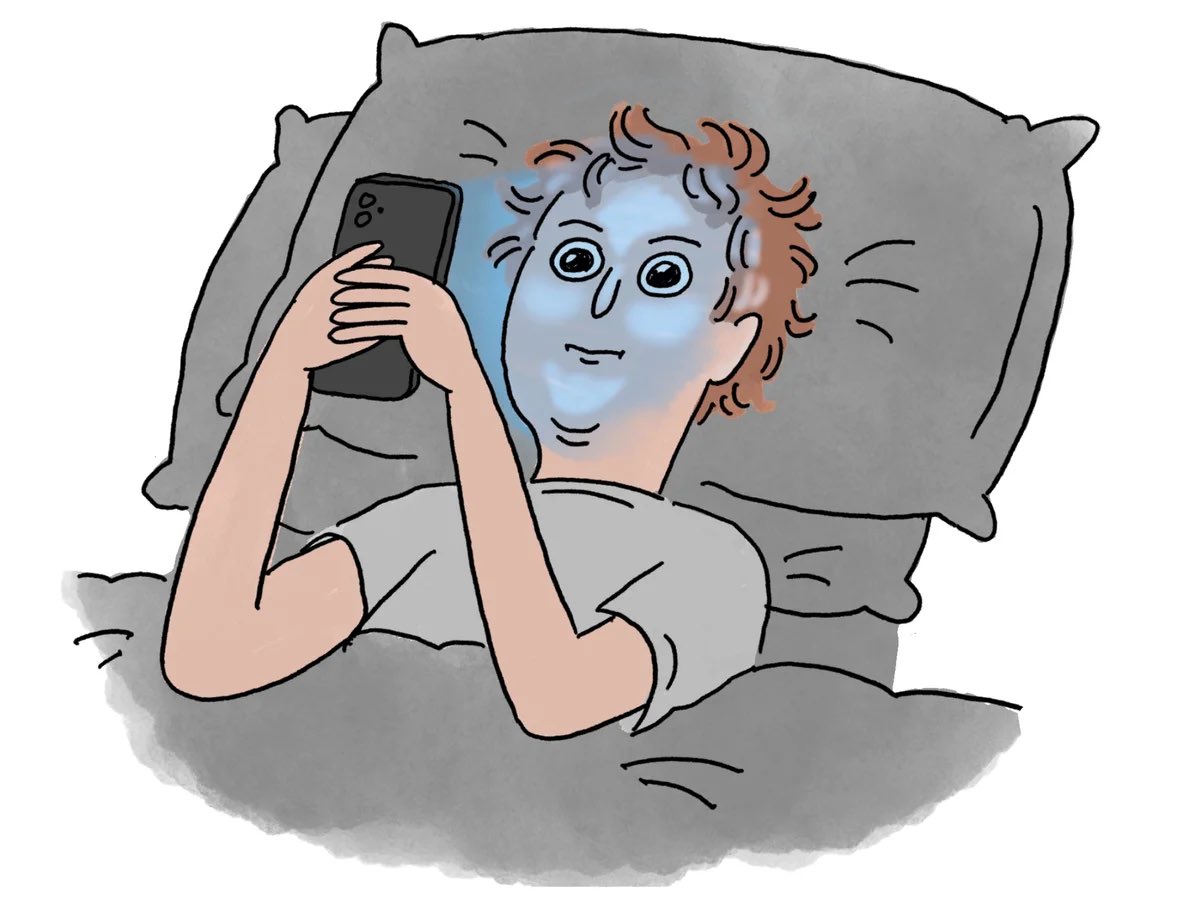
The Modern Morning Suffering Cycle:
Wake up in a haze with insufficient REM sleep
Insufficient REM = poor emotional processing
Open social media
Blue light hits eyes
Cortisol response
Social media has fear mongering and emotionally reactive content
Cortisol rises more
Brain hyper fixates on the content, searching for more
Continue to read/watch content
Reach decision fatigue (only limited decisions can be made each day)
Dopamine reserves sapped
“I can’t focus I have ADHD”
Reach for caffeine
Doesn’t work
Seek out cheap dopamine in form of food, cheap media, porn
“Why am I gaining weight?”
More stress about the situation
By afternoon, decision/dopamine reserved are toasted
“I’m so tired”
Take more caffeine/stimulants
“Why am I so anxious?”
Can’t sleep at night
Opens phone and scrolls for hours with reserve bedtime procrastination
Light at night raises cortisol and lowers melatonin
Insufficient deep sleep
Body feels more tired
Less likely to workout, more likely to gain fat
More likely to get injured -> more fat -> more stress
Insufficient REM sleep…. Back to where we started
REPEAT
Change your morning, change your life
This small loop changes your hormonal output, changes your reality, and allows companies to monetize your attention
Rethinking Depression
The pathophysiology of depression is far from settled, but a closer look makes it clear that it is not a problem of low serotonin. The “chemical imbalance” theory was always an untested, ad-hoc hypothesis—more marketing than science—and is now largely abandoned. Serotonin depletion does not induce depressive symptoms in most healthy volunteers.[1] Depression is a multifactorial condition involving overlapping disturbances in neurobiology, metabolism, and stress-response systems. It is physiologically similar to anhedonia and overlaps heavily with anxiety, leaving little reason for a rigid distinction.
The human brain accounts for just 2% of body weight yet consumes about 20% of total energy, underscoring its immense metabolic demand. In large part, depression is a problem of insufficient energy production, and in rat models, serotonin has been shown to decrease brain ATP.[2] Functionally, serotonin can act as a hormone of withdrawal,[3] and is often elevated in depressive phenotypes.[4] Unsurprisingly, adverse life circumstances explain depression more reliably than biological defects.[5]
Qualifying criteria of Major Depressive Disorder (MDD):
• Consistently feeling sad, empty, and hopeless
• Markedly diminished interest in pleasurable activities
• Significant weight loss or gain; increased or decreased appetite
• Insomnia or hypersomnia
• Fatigue or loss of energy
• Feelings of worthlessness, or excessive/inappropriate guilt
• Diminished ability to think or concentrate, or indecisiveness
• Recurrent thoughts of death and suicidal ideation without a specific plan
• Psychomotor agitation or retardation
Per the DSM-5, at least five of nine of the listed symptoms (and at least one of the first two) must be present most of the day, nearly every day, during the same 2-week period to classify as having MDD. Symptoms must cause clinically significant distress or impairment and not be attributable to substances or another medical condition.
Based on our (faulty) model, historically it was assumed you had low serotonin if you qualified for MDD. This is never tested, and if it were, it would be measured in the blood—which is a problem, because blood serotonin does not reliably reflect brain serotonin.
Depression involves:
• Oxidative stress[6]
• Low brain ATP[7][8]
• Low thyroid hormone activity[9][10][11][12]
• Low sex hormone activity[13]
• Increased inflammatory cytokines[14]
• Increased stress hormones (HPA axis over-activity)[15]
• Decreased dopamine activity[16][17]
• Decreased allopregnanolone[18]
• GABA/glutamate imbalance[19]
• Dysbiosis[20]
• Environmental factors[21][22]
Not a Chemical Imbalance
“In truth, the ‘chemical imbalance’ notion was always a kind of urban legend—never a theory seriously propounded by well-informed psychiatrists.”[23]
—Dr. Ronald Pies, Editor-in-Chief Emeritus, Psychiatric Times
“There isn’t an iota of direct evidence that chemical imbalances are at the root of anyone’s mental disorder.”[24]
—Dr. Steven Hyman, Former Director, U.S. National Institute of Mental Health (NIMH)
“The serotonin theory is as close as any theory in the history of science to having been proved wrong. Instead of curing depression, popular antidepressants may induce a biological vulnerability making people more likely to become depressed in the future.”[25]
—Dr. Irving Kirsch, Associate Director, Program in Placebo Studies, Harvard Medical School
What the Studies Show
• The “chemical imbalance” theory is a controversial hypothesis that has yet to be proven[26]
• A 2022 meta-analysis found no correlation between low serotonin and depression[27]
• A significant portion of SSRI benefits are, on average, attributable to the placebo effect[28][29]
• Inhibiting peripheral serotonin synthesis reduces obesity and metabolic dysfunction,[30] while peripherally-acting serotonin promotes energy absorption and storage[31]
• Exercise is effective and comparable to antidepressants for non-severe depression[32]
• When Eli Lilly first tried to get Prozac approved in Germany, their own studies showed people taking Prozac committed suicide at a 3x higher rate than placebo, leading the German health authorities to reject it as "totally unsuitable for treating depression"[33]
• 30% of babies whose mothers take SSRIs experience neonatal abstinence syndrome (NAS), which can cause jitteriness, irritability, and difficulty breathing, among other symptoms[34]
• A 2015 study analyzing 856,000 SSRI users in Sweden found significant association between SSRIs and violent crime convictions for males and females aged 15-24[35]
• There is substantial scientific evidence that depression is often a low dopamine state:[36] Wellbutrin (bupropion), an NDRI (Norepinephrine-Dopamine Reuptake Inhibitor), has demonstrated comparable efficacy to other antidepressants in treating depression[37]
• Thyroid supplementation has been shown to be effective in treatment-resistant depression,[38] in one study cohort, 93.3% of moderate-severe grade depressives demonstrated low T3 (active thyroid hormone) levels[39]
• A 1997 study found that six months after discontinuation, 81% of participants showed no improvement in symptoms of Post-SSRI Sexual Dysfunction (PSSD)[40]
FAQs
Q: If SSRIs are so bad, why do they work for some people?
A: SSRIs don't just increase serotonin.
1. In the short term, serotonin can “help” in a rough spot—it’s a stress-coping hormone—but dulling emotional responses to tolerate a bad life is hardly ideal.
2. SSRIs can indirectly raise dopamine and key neurosteroids: fluoxetine (Prozac), sertraline (Zoloft), and paroxetine (Paxil) increase allopregnanolone, a progesterone metabolite and major positive allosteric GABA_A receptor modulator.[41]
3. Many SSRIs—including fluoxetine, sertraline, and fluvoxamine—are functional inhibitors of acid sphingomyelinase (FIASMAs), potentially reducing neuroinflammation independent of serotonin.
4. With repeated use, plasma serotonin often decreases in responders[42]—consistent with compensatory feedback—though plasma may not reflect brain serotonin activity.
5. Serotonin can trigger bowel movements, and constipation is significantly associated with major depression.[43]
6. Serotonin has direct anti-fungal activity.[44]
Q: Some of those things sound good—are SSRIs worth taking if they can confer those benefits?
A: You don’t know if you will end up with PSSD until it happens. You don’t know if SSRIs will increase your aggression until it happens. You don’t know if you have a rare genetic condition or metabolic idiosyncrasy that will react poorly to an SSRI until it happens. Zoloft is 45x more likely to induce an otherwise rare genetic disorder called adult-onset multiple acyl-CoA dehydrogenase deficiency (MADD).
Symptoms of MADD include:
• Fat accumulation in skeletal muscle
• Exercise intolerance
• Muscle pain or weakness
• Episodic vomiting
• Fatigue
• Rapid or difficult breathing
• Seizures
• Hypoglycemia
�� Prostate inflammation
• Sensory neuropathy
• Damage to the liver, heart, and skeletal muscle
These are not gambles worth taking when there are so many safer alternatives for treating depression. For more on this, see SSRIs Can Cause Severe Mitochondrial Dysfunction by Chris Masterjohn, PhD.
Q: How could the experts get this so wrong?
A: The pharmaceutical industry has a history of major errors (e.g., Vioxx, thalidomide, the opioid crisis). When billions are built on a flawed premise, reversing course is nearly impossible. As Upton Sinclair said: “It is difficult to get a man to understand something when his salary depends on his not understanding it.”
SSRIs have been linked to high-profile violent incidents, including school shootings. While causality isn’t proven, population data suggest higher aggression or violence risk in some young users, and SSRIs carry a black box warning for increased suicide risk in adolescents and young adults. Fully investigating serious side effects—and reexamining serotonin’s “happy hormone” reputation—would be costly and could destabilize the entire industry, leaving little financial incentive to do so.
The bottom line is that there are many better options for alleviating depression—ones that don’t carry the risk of PSSD, suicidal ideation, or rare but catastrophic behavioral side effects.
Disclaimer: I am not a medical professional, and nothing in this article should be considered medical advice. If you are considering tapering off of SSRIs, consult your primary care physician and do so gradually.
Alternatives
As we covered in the beginning, depression involves: inflammation, low brain energy, hypothyroidism, low sex hormone activity, stress, low dopamine, dysbiosis, environmental factors, and more.
Logically, it follows that addressing these points is a priority. While individual physiology and circumstances will influence which of these deserve more attention, there are many safer, broad-spectrum approaches worth trying. The following recommendations are presented in order of safety and general likelihood of benefit.
Lifestyle
• Early morning sun exposure
• Engagement in hobbies
• Walking (5–10k steps)
• Regular exercise
• Nutrient-dense, digestible diet
• Micronutrient tracking (Cronometer)
• Adequate dietary carbohydrate intake
• Adequate dietary calcium, choline, tyrosine, and gelatin
• Coffee consumption (daily)
• Carrot salad or white button mushrooms (daily)
• Sauna use
• Red light therapy
• Lymphatic drainage
Nutritional
• Creatine[45][46][47]
• Benfotiamine (B1)
• TTFD (B1)
• Niacinamide (B3)
• Pyridoxal-5’-Phosphate (B6)
• Inositol (B8)
• Methylfolate (B9)
• SAMe
• Magnesium Glycinate[48]
• Magnesium Chloride[48]
• Magnesium Bicarbonate[48]
• Magnesium N-Acetyl Taurinate[48]
• Magnesium Oxide[48][49]
• Calcium Pyruvate
• Vitamin A
• Vitamin D3[50]
• Vitamin E
• Vitamin K2 (MK4)
• Zinc[51]
• CoQ10
• CDP-Choline/Alpha-GPC
• Theanine
• Tyrosine
• Glycine
• Taurine
Herbal, Probiotic, Bioactive
• Agmatine Sulfate
• Saffron[52]
• Apigenin
• Naringenin
• Pau D’Arco
• Cascara Sagrada
• Oregano Oil
• Activated Charcoal
• Colostrum
• Kefir
• B. subtilis
• S. boulardii
• L. reuteri
Hormonal
• Progesterone (low, non-suppressive doses in men)
• Pregnenolone (high-purity)
• DHEA (≤5 mg per dose, max 15 mg/day)
• Testosterone (males)
• DHT (males)
• Thyroid hormone (T3 or T3:T4 combination)
Pharmaceutical
• Aspirin
• Penicillin VK (low dose, short duration)
• Tetracyclines, e.g., minocycline or doxycycline (low dose, short duration)
• Cyproheptadine
• Metergoline
• Memantine
• Selegiline[53]
• Ketamine[54][55]
• Lithium
Thank you (give these accounts a follow)
@PSSDNetwork
@PrometheanAngel
@ChrisMasterjohn
@dannyroddy
@haidut











![TakeThiamine's tweet photo. Rethinking Depression
The pathophysiology of depression is far from settled, but a closer look makes it clear that it is not a problem of low serotonin. The “chemical imbalance” theory was always an untested, ad-hoc hypothesis—more marketing than science—and is now largely abandoned. Serotonin depletion does not induce depressive symptoms in most healthy volunteers.[1] Depression is a multifactorial condition involving overlapping disturbances in neurobiology, metabolism, and stress-response systems. It is physiologically similar to anhedonia and overlaps heavily with anxiety, leaving little reason for a rigid distinction.
The human brain accounts for just 2% of body weight yet consumes about 20% of total energy, underscoring its immense metabolic demand. In large part, depression is a problem of insufficient energy production, and in rat models, serotonin has been shown to decrease brain ATP.[2] Functionally, serotonin can act as a hormone of withdrawal,[3] and is often elevated in depressive phenotypes.[4] Unsurprisingly, adverse life circumstances explain depression more reliably than biological defects.[5]
Qualifying criteria of Major Depressive Disorder (MDD):
• Consistently feeling sad, empty, and hopeless
• Markedly diminished interest in pleasurable activities
• Significant weight loss or gain; increased or decreased appetite
• Insomnia or hypersomnia
• Fatigue or loss of energy
• Feelings of worthlessness, or excessive/inappropriate guilt
• Diminished ability to think or concentrate, or indecisiveness
• Recurrent thoughts of death and suicidal ideation without a specific plan
• Psychomotor agitation or retardation
Per the DSM-5, at least five of nine of the listed symptoms (and at least one of the first two) must be present most of the day, nearly every day, during the same 2-week period to classify as having MDD. Symptoms must cause clinically significant distress or impairment and not be attributable to substances or another medical condition.
Based on our (faulty) model, historically it was assumed you had low serotonin if you qualified for MDD. This is never tested, and if it were, it would be measured in the blood—which is a problem, because blood serotonin does not reliably reflect brain serotonin.
Depression involves:
• Oxidative stress[6]
• Low brain ATP[7][8]
• Low thyroid hormone activity[9][10][11][12]
• Low sex hormone activity[13]
• Increased inflammatory cytokines[14]
• Increased stress hormones (HPA axis over-activity)[15]
• Decreased dopamine activity[16][17]
• Decreased allopregnanolone[18]
• GABA/glutamate imbalance[19]
• Dysbiosis[20]
• Environmental factors[21][22]
Not a Chemical Imbalance
“In truth, the ‘chemical imbalance’ notion was always a kind of urban legend—never a theory seriously propounded by well-informed psychiatrists.”[23]
—Dr. Ronald Pies, Editor-in-Chief Emeritus, Psychiatric Times
“There isn’t an iota of direct evidence that chemical imbalances are at the root of anyone’s mental disorder.”[24]
—Dr. Steven Hyman, Former Director, U.S. National Institute of Mental Health (NIMH)
“The serotonin theory is as close as any theory in the history of science to having been proved wrong. Instead of curing depression, popular antidepressants may induce a biological vulnerability making people more likely to become depressed in the future.”[25]
—Dr. Irving Kirsch, Associate Director, Program in Placebo Studies, Harvard Medical School
What the Studies Show
• The “chemical imbalance” theory is a controversial hypothesis that has yet to be proven[26]
• A 2022 meta-analysis found no correlation between low serotonin and depression[27]
• A significant portion of SSRI benefits are, on average, attributable to the placebo effect[28][29]
• Inhibiting peripheral serotonin synthesis reduces obesity and metabolic dysfunction,[30] while peripherally-acting serotonin promotes energy absorption and storage[31]
• Exercise is effective and comparable to antidepressants for non-severe depression[32]
• When Eli Lilly first tried to get Prozac approved in Germany, their own studies showed people taking Prozac committed suicide at a 3x higher rate than placebo, leading the German health authorities to reject it as "totally unsuitable for treating depression"[33]
• 30% of babies whose mothers take SSRIs experience neonatal abstinence syndrome (NAS), which can cause jitteriness, irritability, and difficulty breathing, among other symptoms[34]
• A 2015 study analyzing 856,000 SSRI users in Sweden found significant association between SSRIs and violent crime convictions for males and females aged 15-24[35]
• There is substantial scientific evidence that depression is often a low dopamine state:[36] Wellbutrin (bupropion), an NDRI (Norepinephrine-Dopamine Reuptake Inhibitor), has demonstrated comparable efficacy to other antidepressants in treating depression[37]
• Thyroid supplementation has been shown to be effective in treatment-resistant depression,[38] in one study cohort, 93.3% of moderate-severe grade depressives demonstrated low T3 (active thyroid hormone) levels[39]
• A 1997 study found that six months after discontinuation, 81% of participants showed no improvement in symptoms of Post-SSRI Sexual Dysfunction (PSSD)[40]
FAQs
Q: If SSRIs are so bad, why do they work for some people?
A: SSRIs don't just increase serotonin.
1. In the short term, serotonin can “help” in a rough spot—it’s a stress-coping hormone—but dulling emotional responses to tolerate a bad life is hardly ideal.
2. SSRIs can indirectly raise dopamine and key neurosteroids: fluoxetine (Prozac), sertraline (Zoloft), and paroxetine (Paxil) increase allopregnanolone, a progesterone metabolite and major positive allosteric GABA_A receptor modulator.[41]
3. Many SSRIs—including fluoxetine, sertraline, and fluvoxamine—are functional inhibitors of acid sphingomyelinase (FIASMAs), potentially reducing neuroinflammation independent of serotonin.
4. With repeated use, plasma serotonin often decreases in responders[42]—consistent with compensatory feedback—though plasma may not reflect brain serotonin activity.
5. Serotonin can trigger bowel movements, and constipation is significantly associated with major depression.[43]
6. Serotonin has direct anti-fungal activity.[44]
Q: Some of those things sound good—are SSRIs worth taking if they can confer those benefits?
A: You don’t know if you will end up with PSSD until it happens. You don’t know if SSRIs will increase your aggression until it happens. You don’t know if you have a rare genetic condition or metabolic idiosyncrasy that will react poorly to an SSRI until it happens. Zoloft is 45x more likely to induce an otherwise rare genetic disorder called adult-onset multiple acyl-CoA dehydrogenase deficiency (MADD).
Symptoms of MADD include:
• Fat accumulation in skeletal muscle
• Exercise intolerance
• Muscle pain or weakness
• Episodic vomiting
• Fatigue
• Rapid or difficult breathing
• Seizures
• Hypoglycemia
�� Prostate inflammation
• Sensory neuropathy
• Damage to the liver, heart, and skeletal muscle
These are not gambles worth taking when there are so many safer alternatives for treating depression. For more on this, see SSRIs Can Cause Severe Mitochondrial Dysfunction by Chris Masterjohn, PhD.
Q: How could the experts get this so wrong?
A: The pharmaceutical industry has a history of major errors (e.g., Vioxx, thalidomide, the opioid crisis). When billions are built on a flawed premise, reversing course is nearly impossible. As Upton Sinclair said: “It is difficult to get a man to understand something when his salary depends on his not understanding it.”
SSRIs have been linked to high-profile violent incidents, including school shootings. While causality isn’t proven, population data suggest higher aggression or violence risk in some young users, and SSRIs carry a black box warning for increased suicide risk in adolescents and young adults. Fully investigating serious side effects—and reexamining serotonin’s “happy hormone” reputation—would be costly and could destabilize the entire industry, leaving little financial incentive to do so.
The bottom line is that there are many better options for alleviating depression—ones that don’t carry the risk of PSSD, suicidal ideation, or rare but catastrophic behavioral side effects.
Disclaimer: I am not a medical professional, and nothing in this article should be considered medical advice. If you are considering tapering off of SSRIs, consult your primary care physician and do so gradually.
Alternatives
As we covered in the beginning, depression involves: inflammation, low brain energy, hypothyroidism, low sex hormone activity, stress, low dopamine, dysbiosis, environmental factors, and more.
Logically, it follows that addressing these points is a priority. While individual physiology and circumstances will influence which of these deserve more attention, there are many safer, broad-spectrum approaches worth trying. The following recommendations are presented in order of safety and general likelihood of benefit.
Lifestyle
• Early morning sun exposure
• Engagement in hobbies
• Walking (5–10k steps)
• Regular exercise
• Nutrient-dense, digestible diet
• Micronutrient tracking (Cronometer)
• Adequate dietary carbohydrate intake
• Adequate dietary calcium, choline, tyrosine, and gelatin
• Coffee consumption (daily)
• Carrot salad or white button mushrooms (daily)
• Sauna use
• Red light therapy
• Lymphatic drainage
Nutritional
• Creatine[45][46][47]
• Benfotiamine (B1)
• TTFD (B1)
• Niacinamide (B3)
• Pyridoxal-5’-Phosphate (B6)
• Inositol (B8)
• Methylfolate (B9)
• SAMe
• Magnesium Glycinate[48]
• Magnesium Chloride[48]
• Magnesium Bicarbonate[48]
• Magnesium N-Acetyl Taurinate[48]
• Magnesium Oxide[48][49]
• Calcium Pyruvate
• Vitamin A
• Vitamin D3[50]
• Vitamin E
• Vitamin K2 (MK4)
• Zinc[51]
• CoQ10
• CDP-Choline/Alpha-GPC
• Theanine
• Tyrosine
• Glycine
• Taurine
Herbal, Probiotic, Bioactive
• Agmatine Sulfate
• Saffron[52]
• Apigenin
• Naringenin
• Pau D’Arco
• Cascara Sagrada
• Oregano Oil
• Activated Charcoal
• Colostrum
• Kefir
• B. subtilis
• S. boulardii
• L. reuteri
Hormonal
• Progesterone (low, non-suppressive doses in men)
• Pregnenolone (high-purity)
• DHEA (≤5 mg per dose, max 15 mg/day)
• Testosterone (males)
• DHT (males)
• Thyroid hormone (T3 or T3:T4 combination)
Pharmaceutical
• Aspirin
• Penicillin VK (low dose, short duration)
• Tetracyclines, e.g., minocycline or doxycycline (low dose, short duration)
• Cyproheptadine
• Metergoline
• Memantine
• Selegiline[53]
• Ketamine[54][55]
• Lithium
Thank you (give these accounts a follow)
@PSSDNetwork
@PrometheanAngel
@ChrisMasterjohn
@dannyroddy
@haidut](https://pbs.twimg.com/media/GyBPI-2aAAAuyWI.jpg)


