Me inspirei nos projetos https://t.co/gzjuyYoc68 (@_coenen) e https://t.co/tieWYkfRQc (@ktoya_me) pra criar um mapa em estilo de pixel art (high-bit) da melhor cidade do mundo: Goiânia/Goiás.
Você pode acompanhar o progresso aqui: https://t.co/G4oPRsXwxL
2,973 projects submitted to Colosseum’s World’s Fair 🎡
A new record.
I put them all in one image.
Tomorrow’s unicorns are tiny squares today.
Bullish on builders. Bullish on Solana.
Source: @colosseum
@thsottiaux I don’t know why but for me it’s basically impossible to use codex today. Seems something broken so hard that I can’t change my effort level, open new chats or to pause chats… 🤡
Opus 5.5 built a little 3D office for AI workers, every asset modeled in Blender and running live in three.js
Each worker carries its task card from desk to desk and waits at the kiosk when it needs your OK 👀
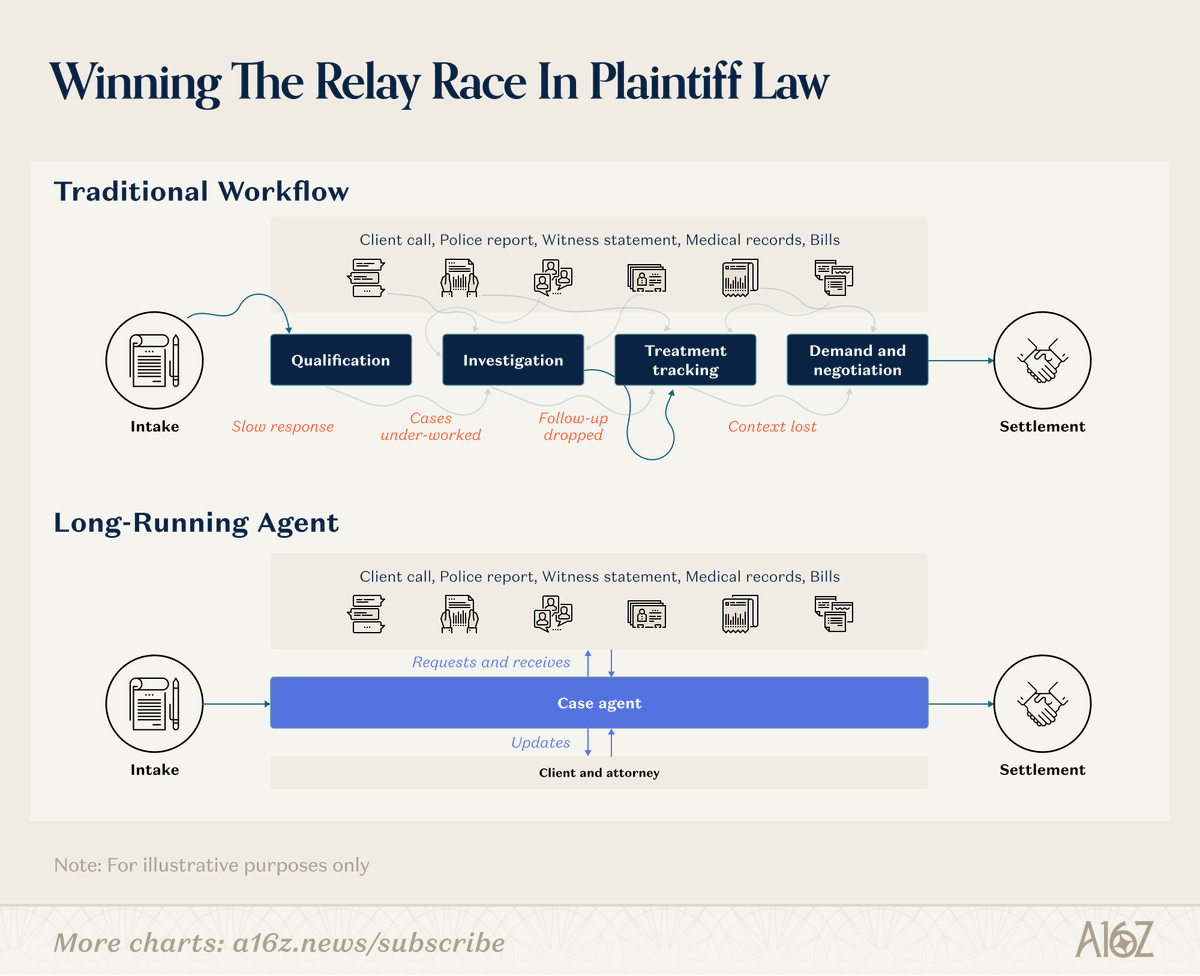
Until recently, AI agents mostly handled short tasks, like one support call or one email. Now they can stay on a job for weeks or months.
That matters for "relay race" work that runs through a long chain of people.
Every handoff in that chain is a chance for something to fall through: a slow callback, a dropped follow-up, lost context.
Take a personal injury case. Today it moves from intake to investigation to the demand letter, with different people at each step. A single case agent can work it from the first call to settlement, chasing witnesses, records, and bills, and keeping the client and attorney updated along the way.
The same idea applies to processes like mortgages, insurance claims, and enterprise sales.
Because the agent owns the end result, the company selling it can charge on the outcome (a closed loan, a settled case, a signed deal) and move past pricing on the labor it saves (paralegal hours, call center seats).
Full piece from a16z's @dhaber on long-running agents in high-value customer journeys: https://t.co/aHaatcizcd