To see Venus and Jupiter together this month, you won't need binoculars or even a telescope.
Just look up after sunset and you'll find them emerging as the sky grows dark near the western horizon.
In fact, on June 9 the two brightest planets were in close conjunction, separated on the sky by less than 2 degrees from our perspective. Since (brighter) inner planet Venus orbits the Sun faster than outer planet Jupiter, it catches up with and passes the outer planet along the ecliptic roughly every 13 months.
But every three years or so their resulting conjunction can be viewed far enough from the Sun to be easily seen in Earth's twilight skies.
On June 9, the two celestial beacon's close "cosmic kiss" was captured here next to the two large standing stones at the cove within a 4,000 year old stone circle at Avebury, UK. Larger than Stonehenge, the Avebury henge and stone circle complex is also recognized as one of the most significant neolithic ceremonial sites on planet Earth.
Image Credit & Copyright: Josh Dury
@11churro11 @Invtractiriano real, no se lo deseo ni a mi peor enemigo, no lo quiero vender porque sé que quien me lo compre me vendrá a buscar para pegarme una paliza
More passion, more energy 🕺
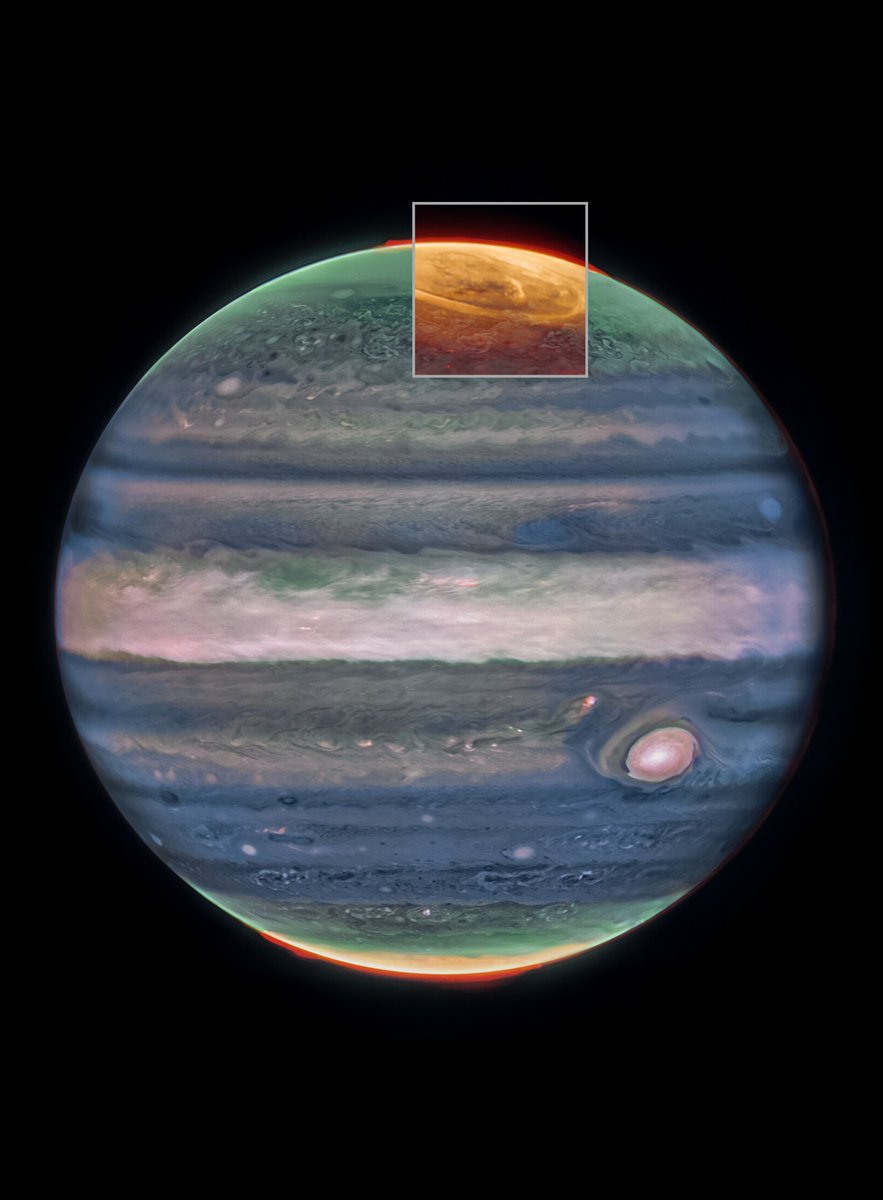
@NASAWebb captured new details of auroras on Jupiter. These dancing lights are huge in size and are hundreds of times more energetic than auroras on Earth. Check it out: https://t.co/bsMb9PRaeW
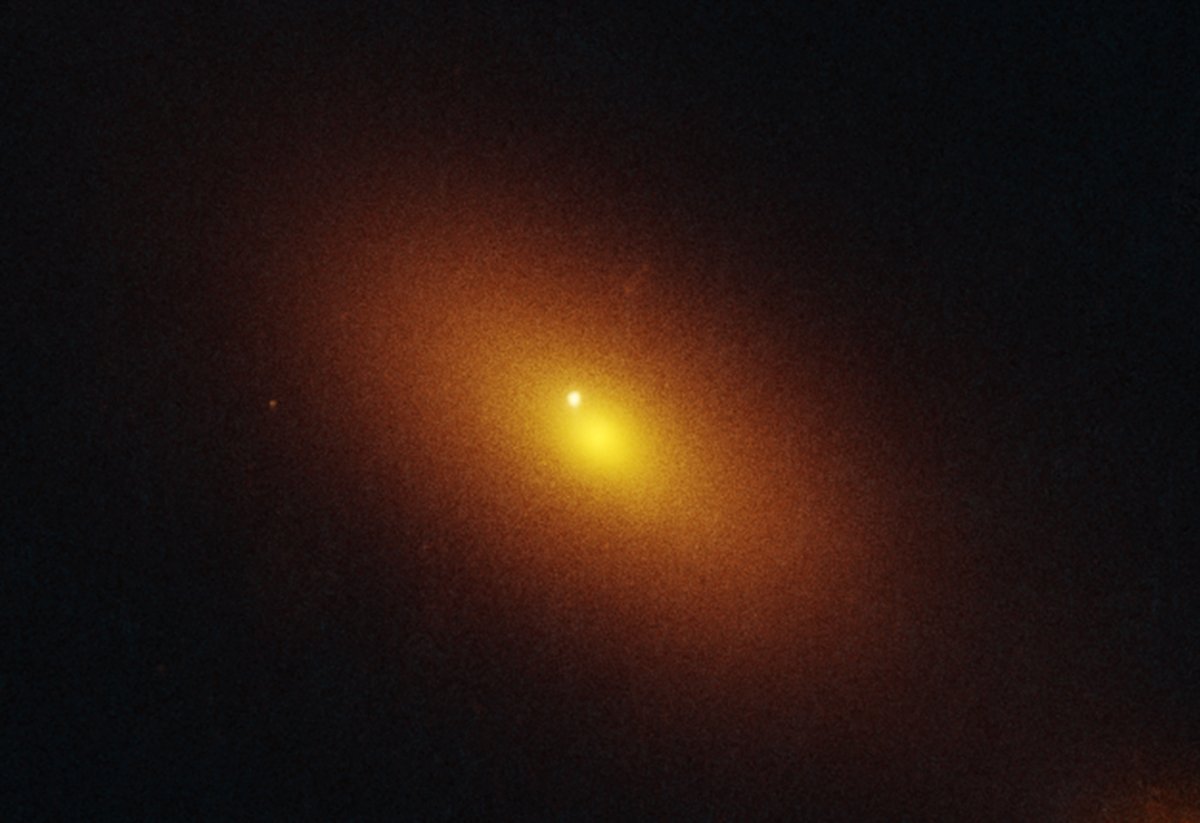
A black hole revealed itself from 600 million light-years away when it ripped apart and swallowed a star. The resulting burst of radiation is the bright dot just off-center captured in this @NASAHubble image. https://t.co/g7mSVRZHd1