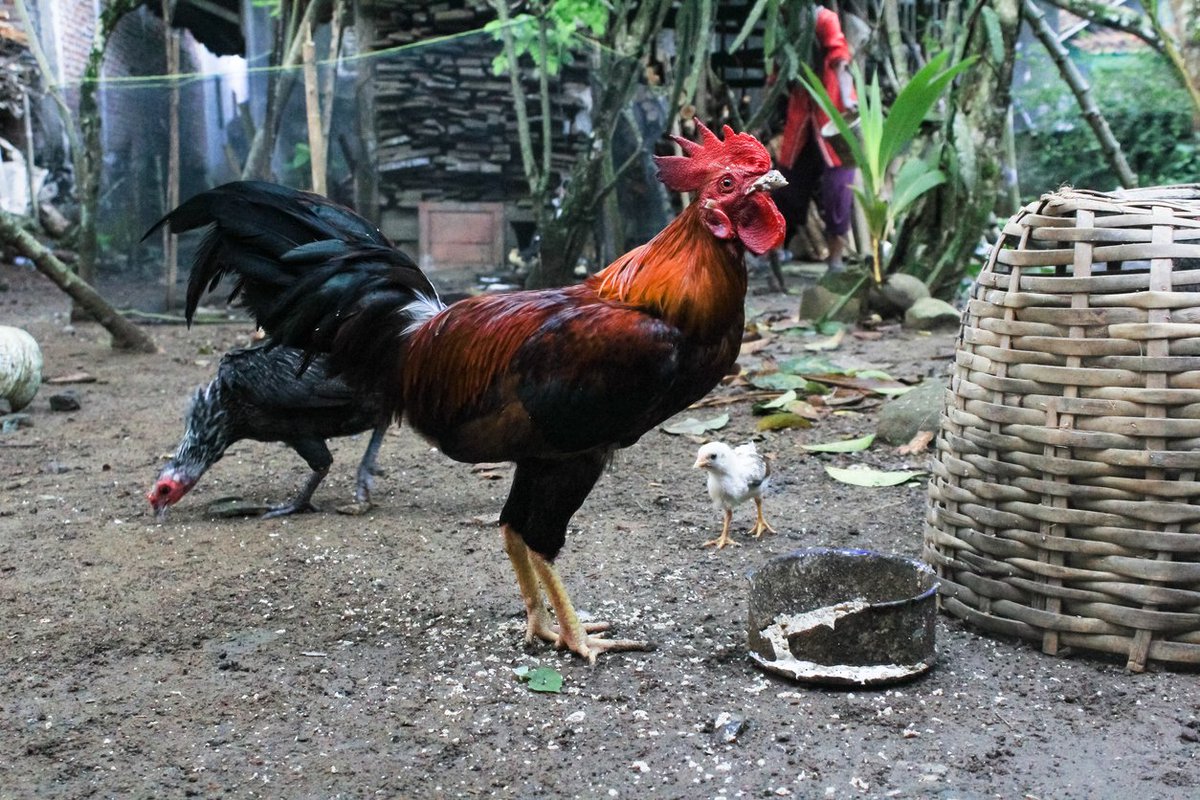
Can nature-based solutions help reduce antibiotic use in livestock? 🌿
Approaches such as ethnoveterinary medicines and resilient native poultry breeds can help address antimicrobial resistance, while supporting animal health, farmer livelihoods and environmental sustainability. https://t.co/WpIb6VmRVV
@rajeshwari_s14
In this video, @sunitanar explains why India's decision to restrict the use of certain antibiotics in animals is an important step in tackling antimicrobial resistance.
Watch the full episode of the Sunita Narain Show: https://t.co/NhJ6KTHaKK
@down2earthindia
India has strengthened regulations on antibiotic use in food animals to meet export standards. But is that enough to protect the food on our own plates?
CSE's @rajeshwari_s14 examines why the recent restrictions must go beyond export requirements👇 https://t.co/2WR84weDon
New episode of Sunita Narain's Show is now live!
Why does our food safety policy have to be driven by importing countries and their consumers?
If countries buying our food have stringent checks to keep unsafe products out, shouldn't Indian consumers expect the same level of protection? And when new regulations come into force, how do we ensure they work for both consumers and farmers on the ground?
In this latest episode, @sunitanar unpacks these vital questions and explores what they tell us about the way India approaches the food we eat every day.
Watch the episode now: https://t.co/zZonSKLbjp
How QR codes on antibiotics can strengthen India’s fight against AMR
India’s new QR code rules are set to make critical medicines traceable from manufacturer to patient.
Under the amended rules, vaccines, antimicrobial medicines, anti-cancer drugs, and narcotic and psychotropic medicines will carry QR codes on their packaging, helping strengthen medicine traceability and curb counterfeit drugs.
By expanding QR code- based traceability, India is taking a step towards a secure pharmaceutical supply chain and support the country’s efforts to combat antimicrobial resistance. However, its success will ultimately depend on effective implementation.
Read how the new rules work and why they matter, in this analysis by Neeraj Kumar : https://t.co/s41nSTfTS8
We explore the
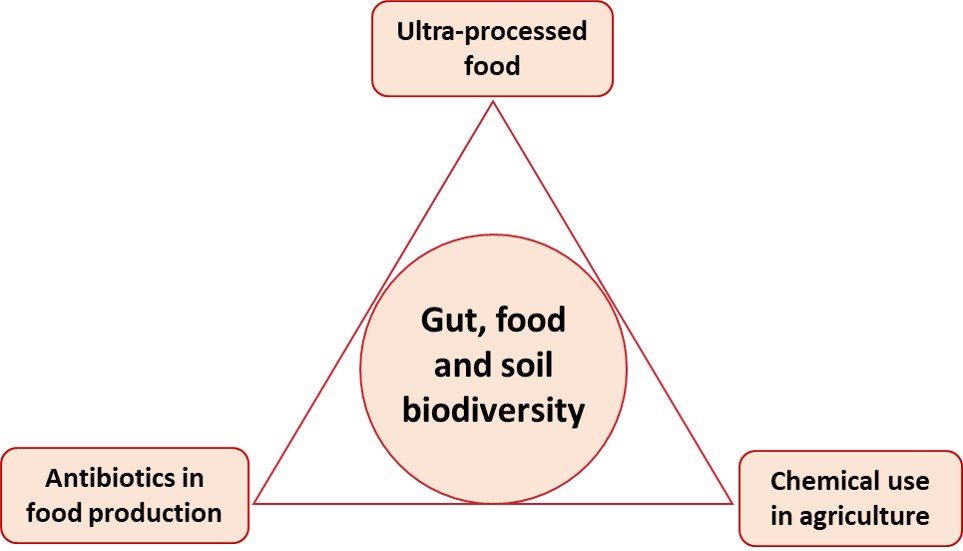
#gut-#food-#soil connect and its relevance to human #health. We build on the importance of making #foodsystems sustainable to enable greater diversity and #nutrition in what we grow & eat, and in keeping gut #microbiome nourished, directly impacting our health.
The gut microbiome performs functions beyond digestion and has a widespread impact on human health. @CSEINDIA's Amit Khurana & @rajeshwari_s14 explain the factors influencing gut health and how sustainable food systems that ensure dietary diversity and nutrition can go a long way in strengthening this "multi-organ system" https://t.co/ru6F4guhLs
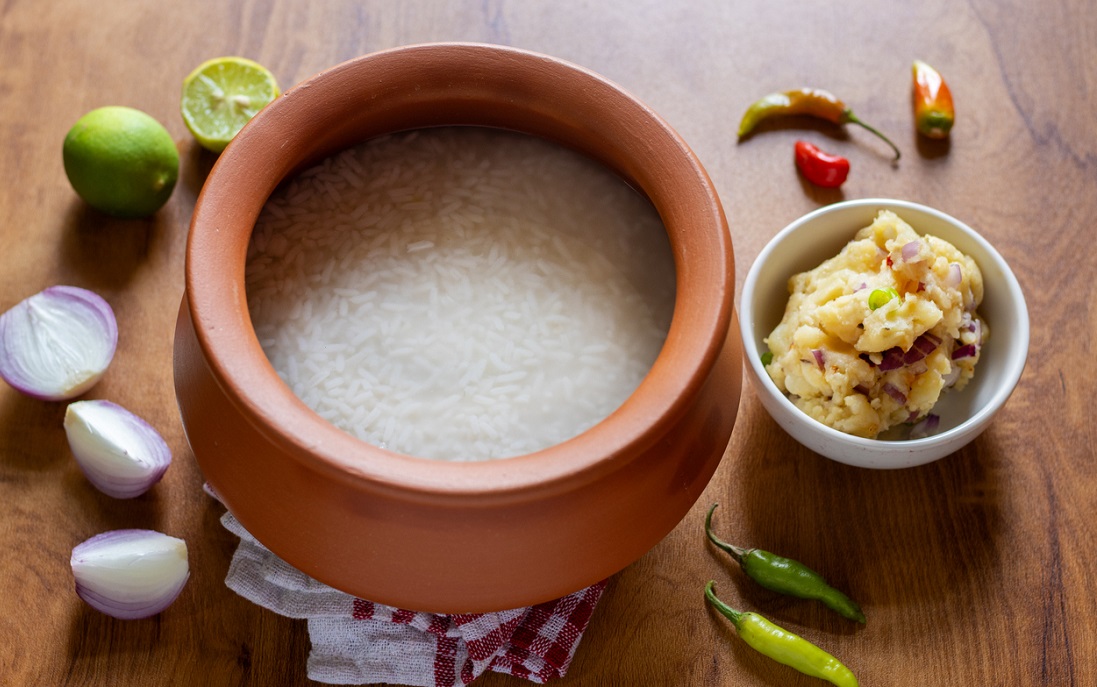
Opinion: Why traditional diets succeed where standard iron supplements fail
We now have the data to prove that the “Indian Pantry” is a high-tech laboratory for metabolic health, writes Ramadass Balamurugan
@rajeshwari_s14@AMR_CSE
https://t.co/c5Al5S6gv5
At AAD 2026, Amit Khurana (programme director, @CSEINDIA) spoke about the powerful connection between the food we eat and our “second brain” — the gut microbiome.
Anil Agarwal Dialogue 2026: Local prebiotic diets can be therapeutic, especially for pregnant women and children, says Ramadas Balamurugan
Adopting traditional and local alternatives, rather than expensive supplements or foreign products, can be effective in reducing serious health problems like anaemia, according to scientist
🖊️ @mediavivek
https://t.co/Pzn24gRgd0
WATCH | In the latest episode of ‘The Sunita Narain Show’, @sunitanar talks about why we need to scale up India’s dairy cooperative model.
The western approach to the sector is no different from what it has done to the rest of the economy, she says
@CSEINDIA@AMR_CSE
👉Link: https://t.co/TYcVvyZykB
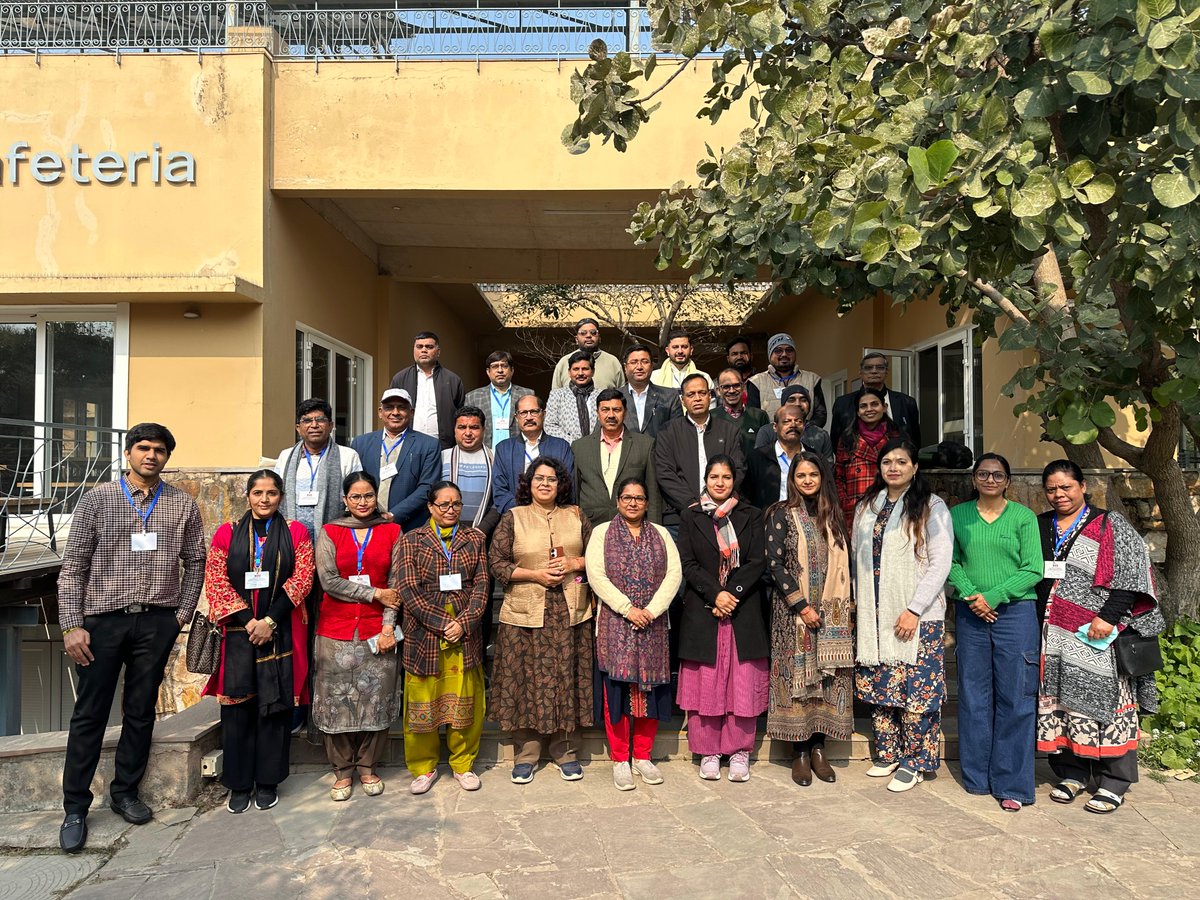
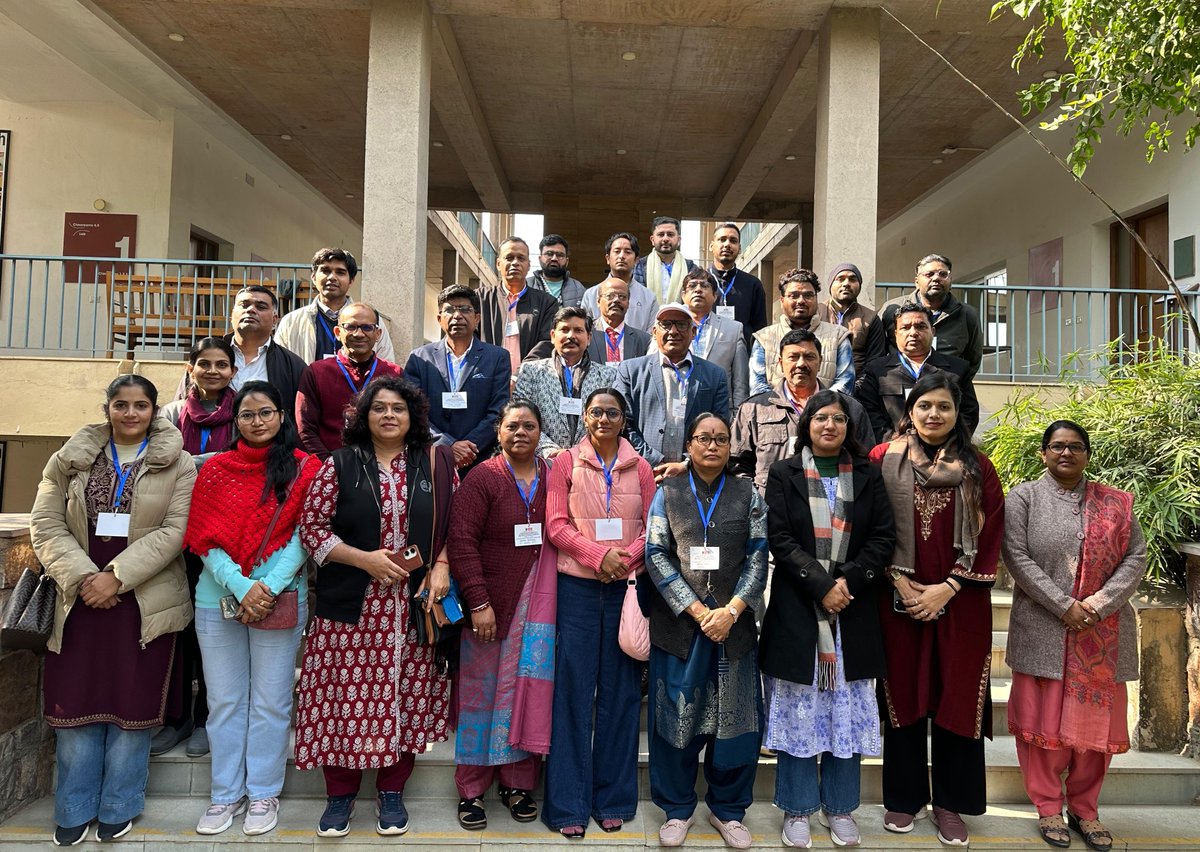
This week, the Sustainable Food Systems team at CSE wrapped up a successful training and workshop on 'Sustainable Food Systems: An Agenda for Climate-Risked Times' at our residential campus, Anil Agarwal Environment Training Institute.
Curated for civil society organsisations, the programme brought together 25 participants from nearly 10 states, including Himachal Pradesh, Uttarakhand, Telangana, Uttar Pradesh, Punjab and Chhattisgarh.
Led by domain experts, the discussions focused on:
- Soil health and carbon credit
- Agro-ecological practices for mitigation, adaptation and resilience
- Adaptation through weather-crop information
- Resilience through insurance to cover risks and losses
- Livestock, agriculture emissions and mitigation
For more information, visit: https://t.co/XAb63XKYJp
Union Budget’s emphasis on strengthening veterinary capacity in livestock has potential to curb antibiotic misuse and AMR, if done right, writes @rajeshwari_s14 of @AMR_CSE
https://t.co/Bb4tu4qLCV
The Sustainable Food Systems team at CSE wrapped up a successful ‘Training cum workshop on scaling up preventive approaches in the Indian freshwater fisheries sector to reduce disease and minimise antibiotic use’ last week from January 20-22, 2026.
The workshop was attended by about 25 trainees, comprising of nominated state fisheries department officials from KVKs and seven fish producing states in north and eastern part of India ─Rajasthan, Uttar Pradesh, Haryana, Chattisgarh, Madhya Pradesh, Bihar, Punjab.
The discussions focused on freshwater aquaculture, and different preventive approaches (e.g., feed and alternatives, farm management and biosecurity, vaccination, rearing systems, breeds and seeds) which could help reduce the occurrence of diseases and the need for antibiotics in freshwater aquaculture.
The sessions included a mix of lectures, class exercises, panel discussions, case studies from resource persons represented by the scientific community (@icarcifa, @icar_cife, key fisheries universities), government (NFDB), progressive farmers and sustainable fish producers from key fish producing states such as Andhra Pradesh, West Bengal, Odisha, Karnataka as well as Assam.
Know more: https://t.co/yR9HmB3VNk
𝗛𝗼𝘄 𝘁𝗼 𝘀𝗰𝗮𝗹𝗲 𝘂𝗽 𝗽𝗿𝗲𝘃𝗲𝗻𝘁𝗶𝘃𝗲 𝗮𝗽𝗽𝗿𝗼𝗮𝗰𝗵𝗲𝘀 𝘁𝗼 𝗺𝗶𝗻𝗶𝗺𝗶𝘀𝗲 𝗮𝗻𝘁𝗶𝗯𝗶𝗼𝘁𝗶𝗰 𝘂𝘀𝗲 𝗶𝗻 𝗜𝗻𝗱𝗶𝗮𝗻 𝗳𝗿𝗲𝘀𝗵𝘄𝗮𝘁𝗲𝗿 𝗳𝗶𝘀𝗵𝗲𝗿𝗶𝗲𝘀 𝘀𝗲𝗰𝘁𝗼𝗿?
@CSEindia is organising a three-day workshop and training programme for stakeholders to develop an understanding on how the need for antibiotics in freshwater fish farming can be minimised through preventive approaches such as better management, vaccination, biosecurity, use of technologies etc.
The training cum workshop will involve lectures, group works and case study presentations.
To know more, please write to @neeraj_kum44121 ([email protected]) of of CSE’s Sustainable Food Systems programme.
WATCH | Dr. Sanjeev Singh from Amrita Hospital, Faridabad talks about Antimicrobial Resistance (AMR)
Watch the video on Down To Earth channel: https://t.co/O1hdz5HBze
#WAAW2025
We’re keeping the conversation going on antimicrobial resistance, with more questions, more engagement, and more awareness. Take a minute to answer today’s poll 👇
Did you know that antibiotics are used in growing crops?
Global South Call to Action 2025 : Over the last two weeks, we have been sharing a series of focused ASKs to strengthen the global fight against antimicrobial resistance (AMR). Check out #10👇