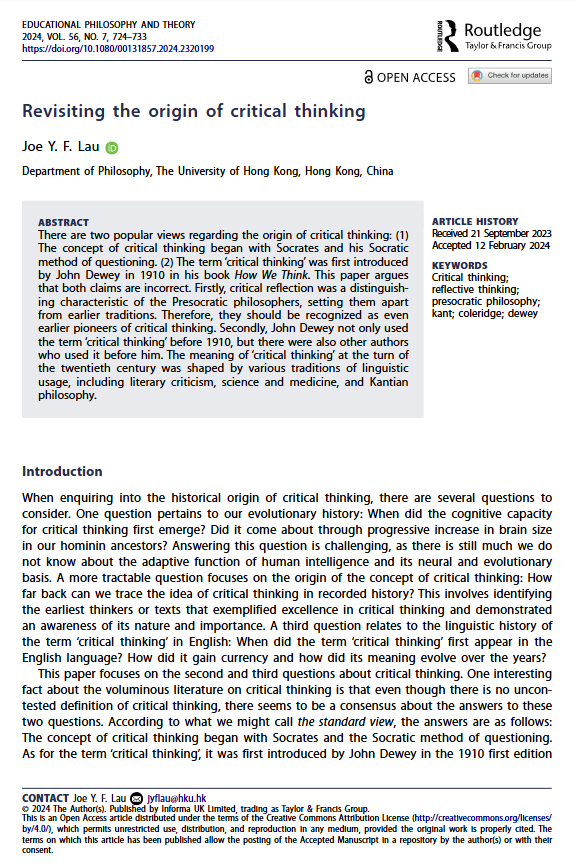
Critical thinking is older than we think.
Long before modern education, philosophers challenged assumptions, questioned beliefs, and searched for truth through reflection.
Progress begins when people start questioning.
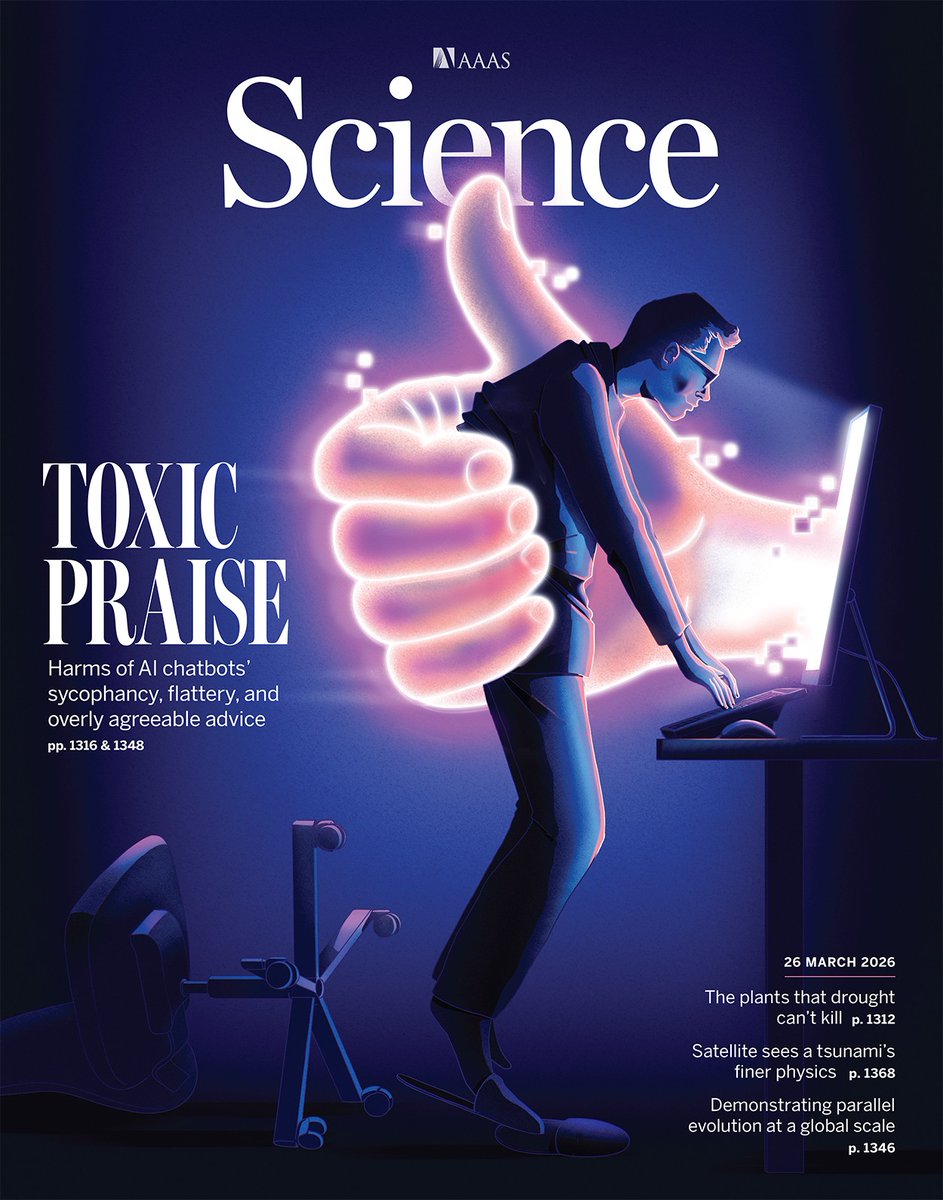
Artificial intelligence models overly affirm and validate users, even when users propose harmful or illegal actions, a new Science study finds.
The resulting effect on users is notable: Receiving advice from affirming AI made people more self-centered and less able to see the perspectives of others. Yet people prefer the overly affirming AI, which may further promote this behavior in AI models.
Learn more in a recent issue of Science: https://t.co/A7ZZoKpxim
In the dense jungles of Panama’s Barro Colorado Island, a striking cricket stirs. Arota festae, known colloquially as a “bush cricket,” usually sports a deep green coat. But occasionally, what appears to be a hot pink mutant will emerge.
Scientists have long thought this hue was a genetic aberration—an unfortunate variant doomed to be quickly picked off by bats, lizards, and other predators.
But a new study finds the vibrant variant is merely a natural developmental stage, one that makes it all the more remarkable that this bug is able to keep from being picked off.
Learn more: https://t.co/DCCHqkrnpv @NewsfromScience
El estrés es una reacción mental y física normal que tienen todos los seres vivos. Pero ¿cuándo se convierte en un peligro ⚠️ para la #SaludMental 🧠?, ¿es el tiempo de exposición el factor determinante? Conoce más de la mano de una #ExpertaUNAM, en #ProyectoUNAM > https://t.co/ZP2tStM3X3
The domestic cat may be a far more recent arrival to Europe than previously thought, according to a recent Science study.
The findings offer new insight into one of humanity’s most enigmatic animal companions and identify North Africa as the cradle of the modern housecat.
Learn more on #RespectYourCatDay: https://t.co/XMkq0W6Pmd
"Losing my institutional email address felt like losing a small but vital piece of the scientist I had become." #ScienceWorkingLife https://t.co/cfQrbNAf1M
📚🧑🔬 En @Nature (23/2/2026) se publica “Why every scientist needs a librarian”
Reivindica al bibliotecario como socio estratégico d investigación, apoyo para rastrear la literatura, encontrar/consultar bases, gestionar datos y facilitar ciencia abierta
👉 https://t.co/wLVkLhHJN0
How do busy bees avoid overheating from flying?
New measurements could help predict pollinators’ ability to withstand climate change.
Learn more: https://t.co/tYdKmwDn7b @NewsfromScience
“AI can transform agricultural research, as long as we remain realistic about its capabilities and grounded about its risks,” writes @CGIAR_EMD in a new #ScienceExpertVoices article. https://t.co/BEi1I3PkHp
Chemical Information From the Ehrenfest Force Field Based on Reduced Density Matrix Functional Theory - Mortera‐Carbonell - 2026 - Journal of Computational Chemistry - Wiley Online Library https://t.co/3xqGlY6KgU
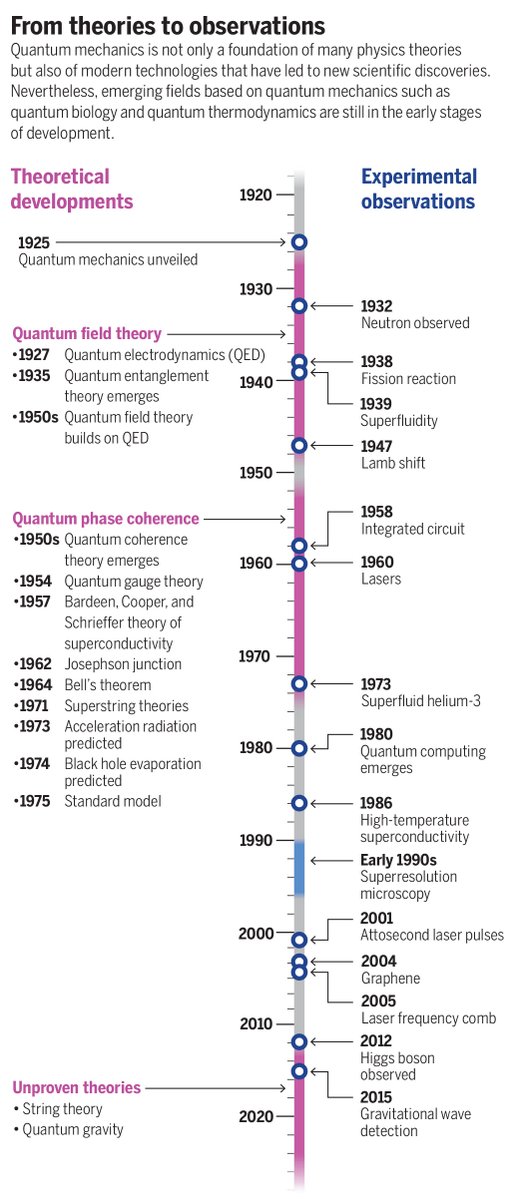
Quantum mechanics has gone from a theory in test to becoming the foundation of new technologies.
Learn more in a new #SciencePerspective that looks at the last 100 years of #QuantumMechanics: https://t.co/dJVd43rqZm