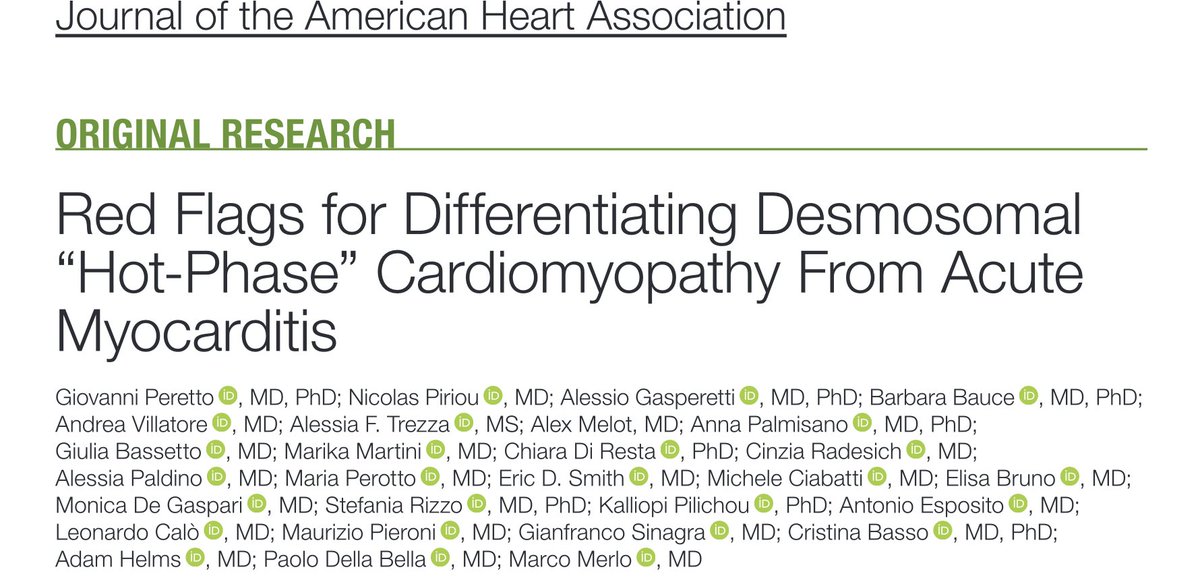
🫀🔥 When myocarditis is not just myocarditis…
A new study by sheds light on a critical and often under-recognised entity: desmosomal “hot-phase” cardiomyopathy (HPC).
💡 Why does this matter?
Because HPC can mimic acute myocarditis, but carries a much higher arrhythmic risk and different clinical implications.
🔍 Key insights from the study:
👉 Patients with desmosomal HPC are often:
• 👩⚕️ Young and female
• 🧬 Carriers of desmosomal gene variants (mostly DSP)
👉 Compared to classic myocarditis, HPC shows distinctive “red flags”:
🧾 Clinical clues
• Family history of cardiomyopathy / sudden cardiac death
• Recurrent troponin elevations (“hot-phase” relapses)
🧲 Imaging clues (CMR)
• Ring-like late gadolinium enhancement (LGE)
• Right ventricular involvement
• Persistent or progressive LGE
• Incomplete recovery of LV function
⚡ Electrical clues
• Low QRS voltages
• High arrhythmic burden
• Ventricular arrhythmias at a young age (<45 yrs)
📊 A practical takeaway
A simple combination of:
➡️ Ring-like LGE
➡️ RV involvement
➡️ Family history
🎯 Achieved ~93% diagnostic accuracy in identifying HPC.
🚨 Clinical implication
Recognising these red flags early can:
✔️ Prompt genetic testing
✔️ Improve risk stratification
✔️ Prevent life-threatening arrhythmias and adverse outcomes
💭 Bottom line:
Not all myocarditis is inflammatory.
Some cases are the first manifestation of a genetic cardiomyopathy.
👉 We need to think beyond the diagnosis and look for the phenotype.
#Cardiology #Cardiomyopathy #Myocarditis #CMR #CardiacMRI #Arrhythmia #Genetics #PrecisionMedicine #DSP #ACM #HeartDisease #MedicalResearch #CardioTwitter
https://t.co/0CW1Hkl7nS
Biomarkers are everywhere—but how many actually matter? 🧪 Most fail when it counts. This #JACC paper separates hype from reality: https://t.co/rb6kvKXB1Z
@JavedButler1@LauraDemichieli
Published today, Brain Health Across the Life Span: A Framework for Future Studies A Scientific Statement from the American Heart Association.
📷 Recommendations to optimize brain health
❤️ SGLT2 inhibitors are not “diabetes drugs” anymore...They are hemodynamic drugs!!
We’ve all seen the shift in guidelines.
But many still think:
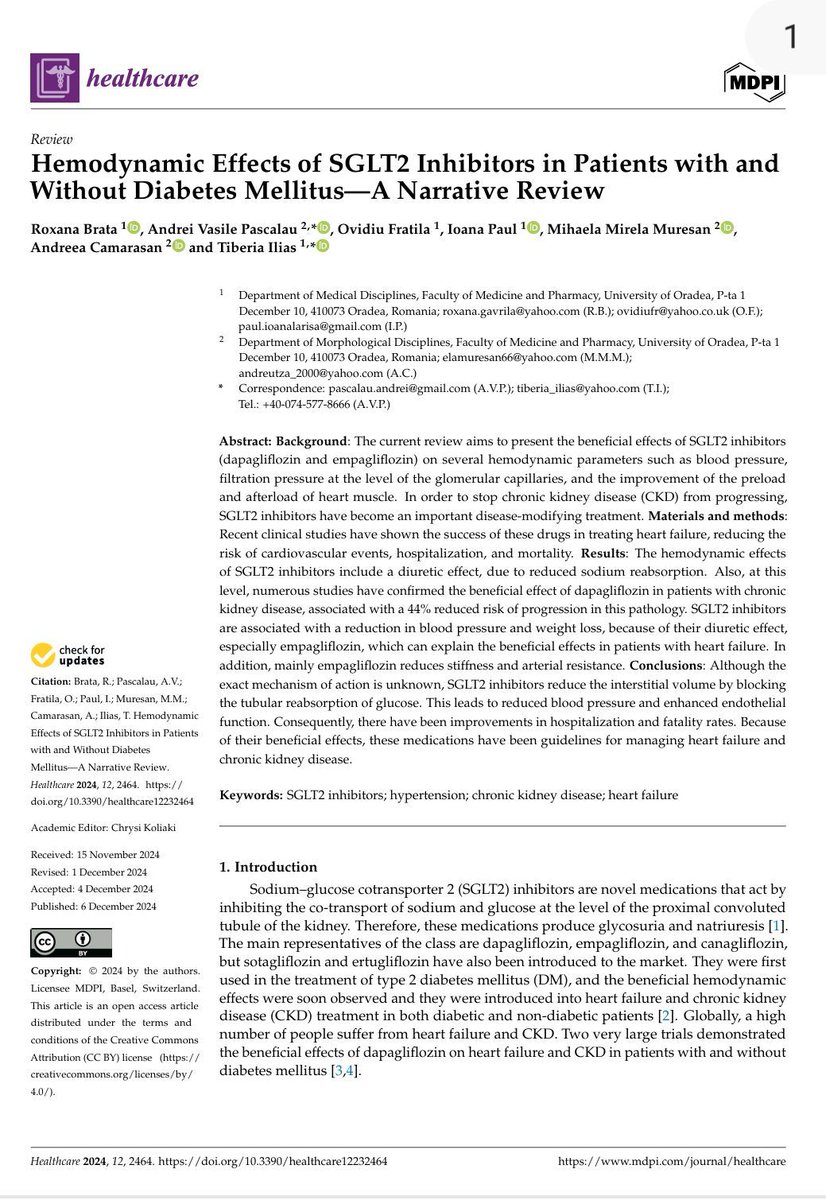
👉 “They lower glucose → good for diabetics” 🚨 That’s outdated thinking. 📚 A recent narrative review clearly reinforces what we’re already seeing in practice:
⚙️ SGLT2 inhibitors fundamentally reshape hemodynamics
🧪 At the kidney level:
▪️ ↓ Sodium reabsorption
▪️ ↑ Natriuresis + osmotic diuresis
▪️ ↓ Glomerular pressure (via tubuloglomerular feedback)
👉 Translation:
✔️ Less hyperfiltration
✔️ Slower CKD progression
✔️ Better renal protection
❤️ At the cardiovascular level:
💧 Preload reduction
👉 Interstitial fluid loss > intravascular depletion
✔️ Decongestion without aggressive hypotension
🫀 Afterload reduction
👉 ↓ Arterial stiffness
👉 ↓ systemic vascular resistance
📉 Blood pressure effect
👉 Modest but consistent (~3–4 mmHg systolic)
✔️ Without reflex tachycardia
✔️ Without RAAS overactivation
🔥 The real magic:
👉 Unlike loop diuretics:
🟥 Loop diuretics → intravascular depletion → neurohormonal activation
🟩 SGLT2 inhibitors → interstitial unloading → hemodynamic stability
📊 Clinical outcomes back it up
✔️ ↓ HF hospitalization
✔️ ↓ CV mortality
✔️ ↓ CKD progression (~44% in some cohorts)
🎯 The paradigm shift
These drugs are:
❌ Not just antidiabetics
❌ Not just mild diuretics
✔️ They are cardio-renal modulators
💡 Clinical takeaway
👉 Think SGLT2 inhibitors when you think:
▪️ Heart failure (HFrEF + HFpEF)
▪️ CKD (with or without diabetes)
▪️ Cardio-renal syndrome
🧠 And most importantly:
👉 Use them early
👉 Not as “last-line add-ons”
🔥 The future of heart failure is not just inotropes and diuretics.
It’s metabolic-hemodynamic modulation.
💬 Your experience:
👉 Are you already using SGLT2 inhibitors systematically in non-diabetic HF patients?
👉 Or still waiting for “perfect indications”?
📚 Reference
Brata, R., etc al. Healthcare, 12(23), 2464. https://t.co/i7zVeyOM0B
Cardiac Resynchronization Therapy
A Review
Cardiac dyssynchrony due to conduction system disease occurs in 20% to 30% of patients with HF and systolic dysfunction. Cardiac resynchronization therapy restores synchronous ventricular activation in patients with HF, reduced LVEF, and left bundle-branch block, or in those requiring chronic ventricular pacing, and may improve LV function, decrease HF hospitalizations, and reduce mortality.
@JAMA_current@gcfmd@SJGreene_md@hvanspall@ShelleyZieroth@GianluSava@hfcollaboratory@HFA_President@ankeetbhatt
https://t.co/5fy39w2QD3
US physician attrition is rising, hitting women and rural doctors hardest.
Systemic pressures and not just burnout drive exits, threatening healthcare access, especially in already underserved areas.
Structural change is needed to sustain the workforce.
https://t.co/RcEcIHyaP1
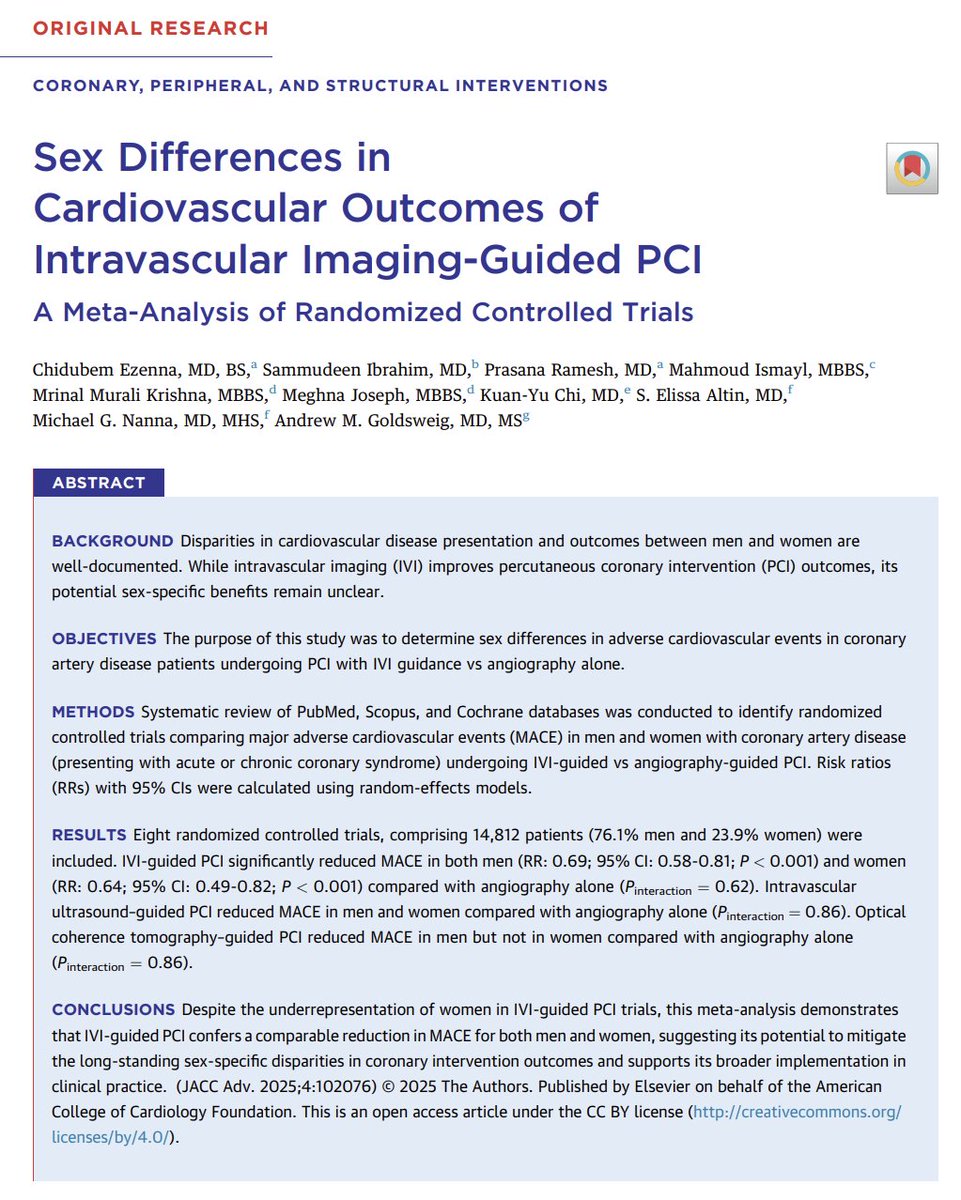
In our latest @JACCJournals article, we show that IVI-guided PCI reduces MACE in both men & women—with no sex interaction. Yet, women remain underrepresented in IVI trials (23.9%).
It’s time to close the gap.
https://t.co/pN92hG7E3f
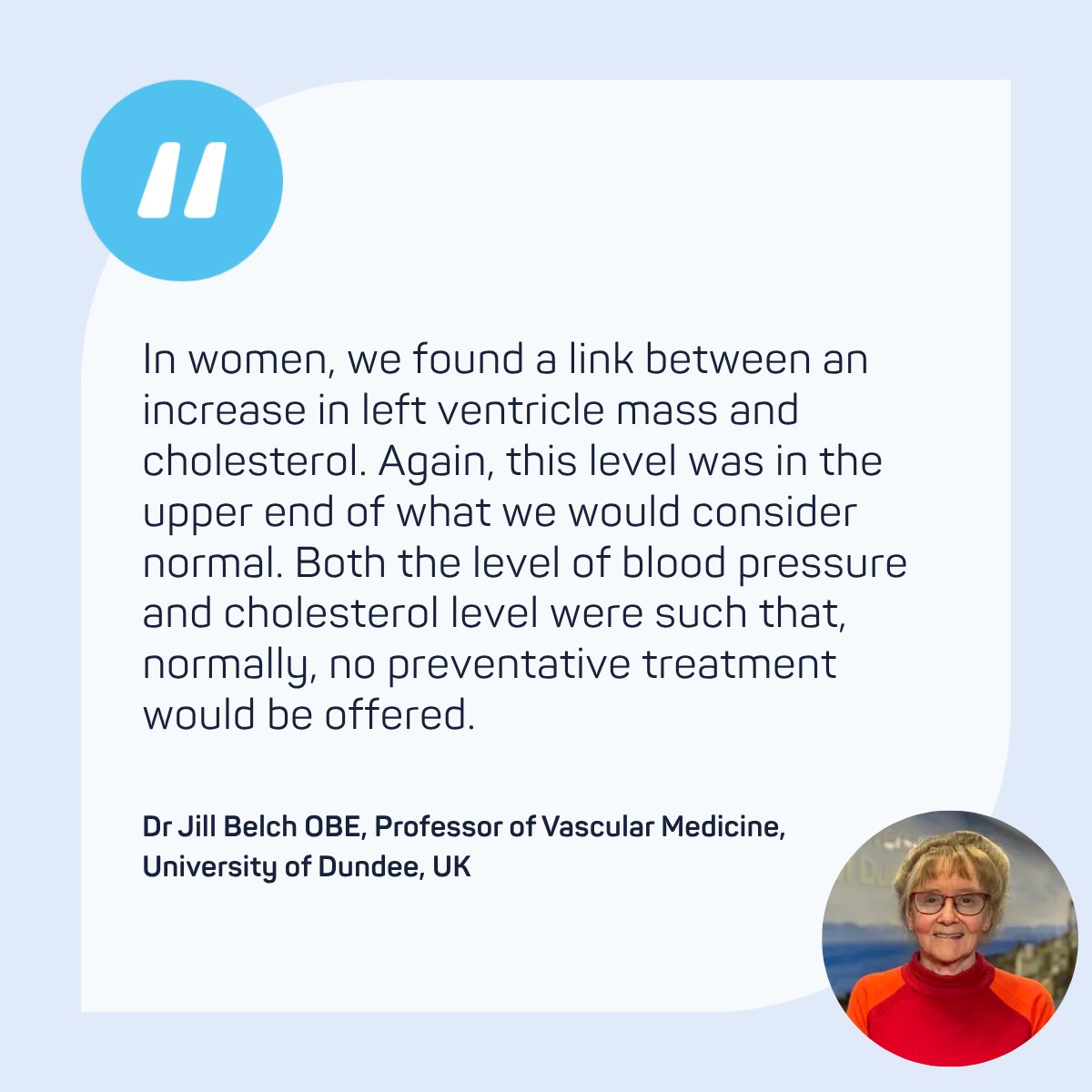
Research shows MRI scans can detect heart risk up to 10 years earlier, even in people with “normal” heart function.
For women, cholesterol in the high-normal range was the key risk driver, underscoring the need for earlier, sex-specific intervention.
https://t.co/BUtRVlBc2o
This study indicates that photon-counting detector computed tomography (PCD-CT) provides high diagnostic accuracy for detecting in-stent restenosis in patients with prior coronary stents. This suggests that PCD-CT may be reliably used to evaluate suspected obstructive coronary artery disease in both stented and unstented coronary segments. https://t.co/qnqWswKtnJ
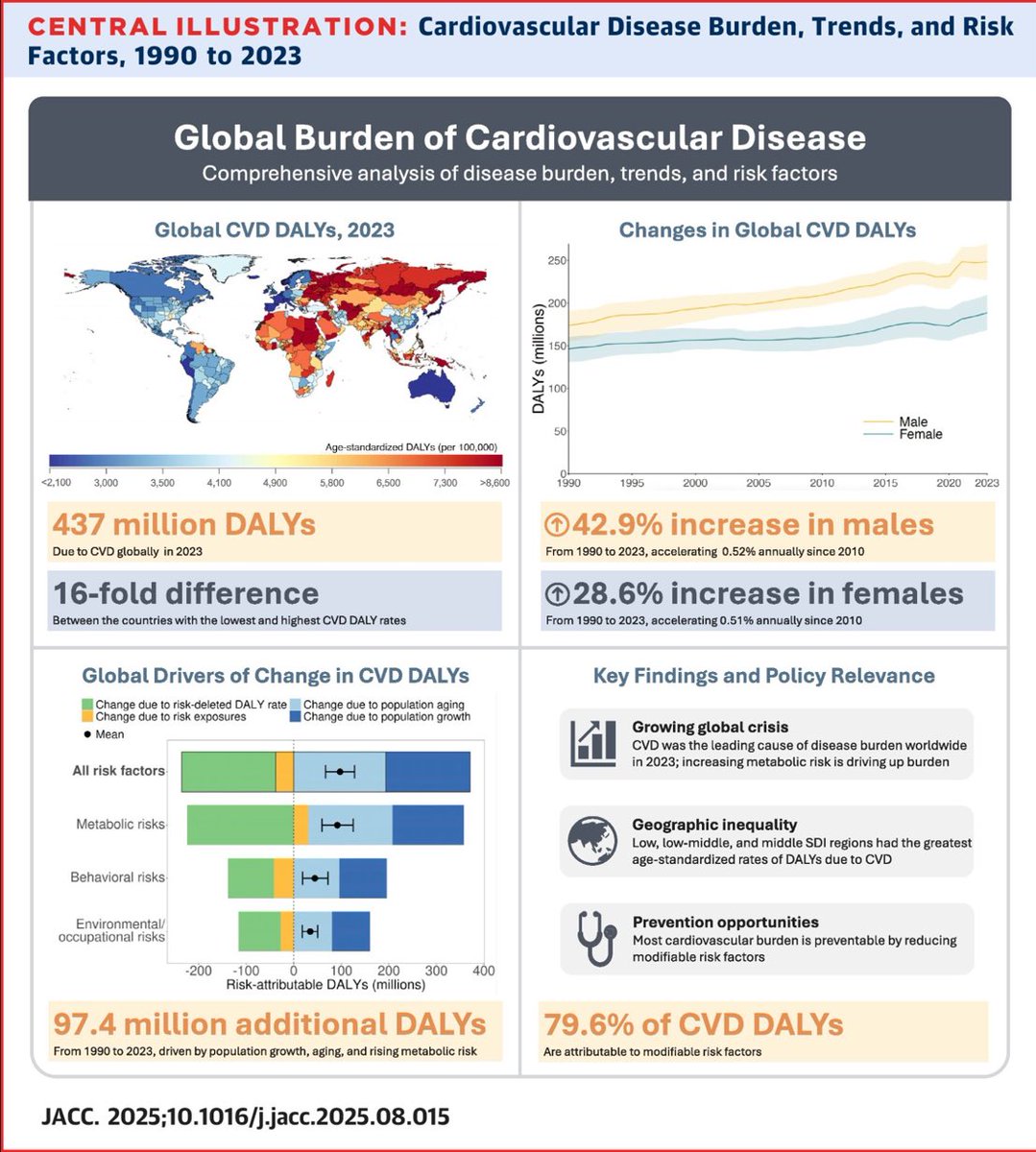
Most Updated Global Burden of Cardiovascular Disease now out in @JACCJournals
80% (!) of CV disease burden is attributable to modifiable RFs
Top modifiable risks in 2023:
⚠️ High systolic BP
⚠️ Dietary risks
⚠️ High LDL cholesterol
⚠️ Air pollution
🔗 https://t.co/EIvzZMQQPC
Join us for the #HeartFailure Hub Scotland Annual Conference 2026
📅 Tues 28 January
📍 @rcpsglasgow
Our programme shares innovations, insights & practical strategies for improving care across 🏴
Register:
In-person https://t.co/rn2avhLI4N
Virtual https://t.co/6TMdSOJojG
Women with conditions like endometriosis & PCOS face higher risks of heart & brain disease, including:
🫀 41% ↑ ischemic heart disease
🧠 33% ↑ cerebrovascular disease
📈 28% ↑ Composite C/CVD
Care must reflect the full picture of #WomensHealth.
🔗 https://t.co/Mp5oPzO3XE
🎉 Congrats to Prof Frank Casey OBE on receiving the Newburger-Bellinger Cardiac Neurodevelopmental Award! His leadership & research have transformed care for children & young people with congenital heart disease.
@UlsterUniMed
https://t.co/4sAWMy4dJd
2025 ESC/EACTS Guidelines for the
management of valvular heart disease: @ESC_Journals
🥸Few highlights - dense document, please read full document for details.
😱 Summary
👇👇👇