Our latest research found that unhealthy foods and beverages made up a large share of young children’s diets in #Senegal, contributing almost one-quarter of non-breastmilk calories. Learn more here: https://t.co/ErgrrEbfB7
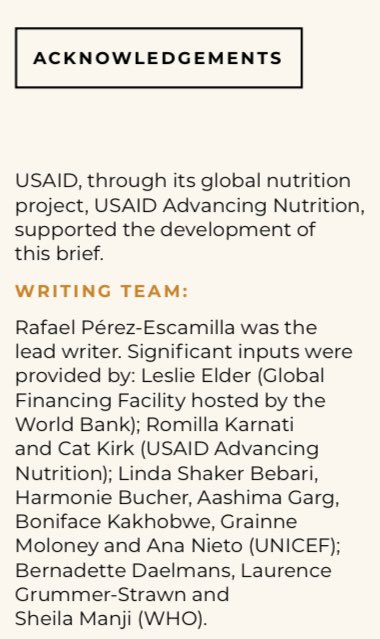
Proud to co-lead responsive feeding ✍️ w @UNICEF@WHO@usaid@WorldBank
1️⃣ RF 🔑 👧🏽👶🏽 growth & development
2️⃣ RF integrates all nurturing care domains
3️⃣ Case studies 👉🏼 RF through @NurturingCare platforms
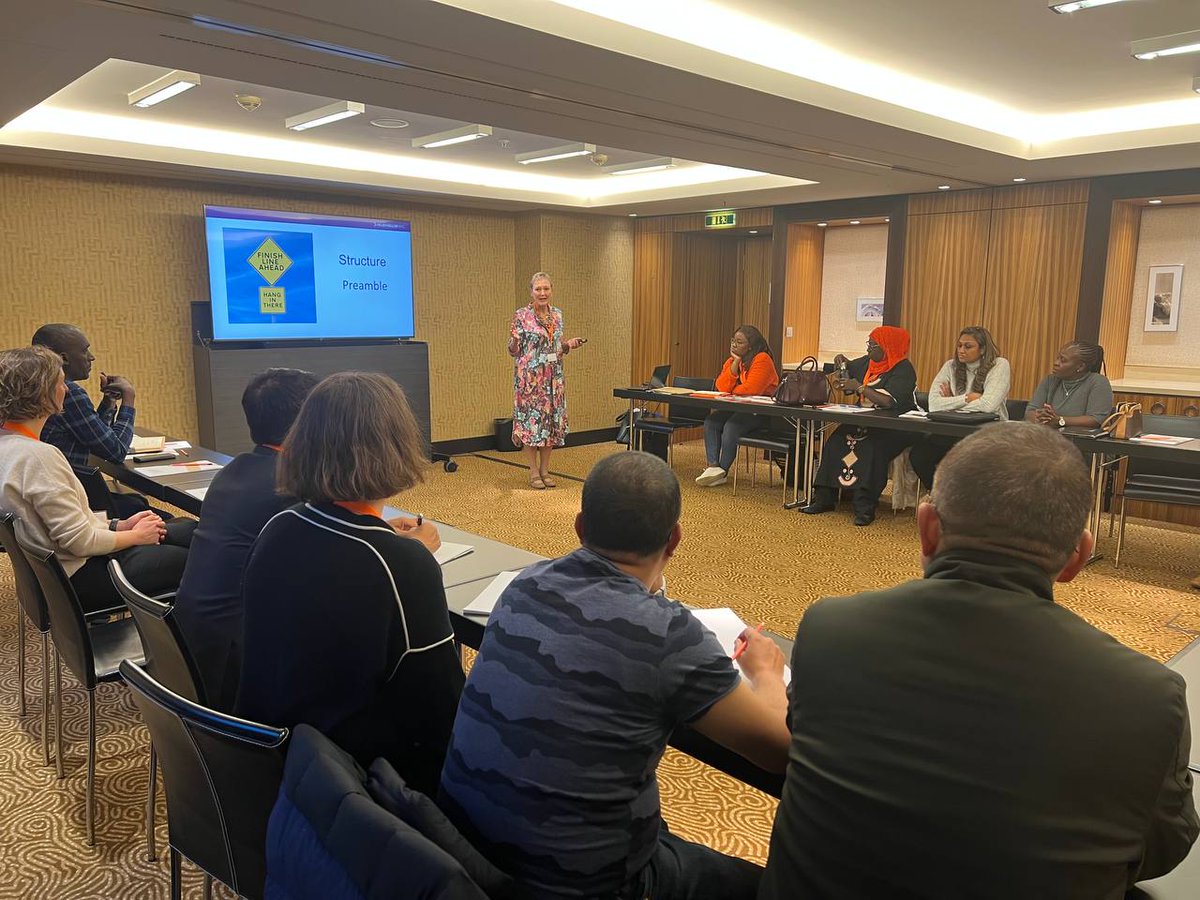
4️⃣ Workforce training needed
🔗 https://t.co/mzX3xzfHxZ @YaleSPH
#DYK that women's milk production has a significant impact on the global economy?
@ANUmedia & our Impact Network partner, @aliveandthrive, have developed the Mothers' Milk Tool to calculate the economic impact of #breastfeeding on society.
📺Learn more https://t.co/yUkMs9uVEV
Great graph by @1stepsnutrition showing infant formula cost in the UK.
Why is the price of infant formula so different between companies and brands? And why is the price constantly increasing? Government intervention needed now to regulate infant formula prices.
Underhand marketing tactics + political lobbying helped the formula milk industry generate US$55 billion in sales in 2020.
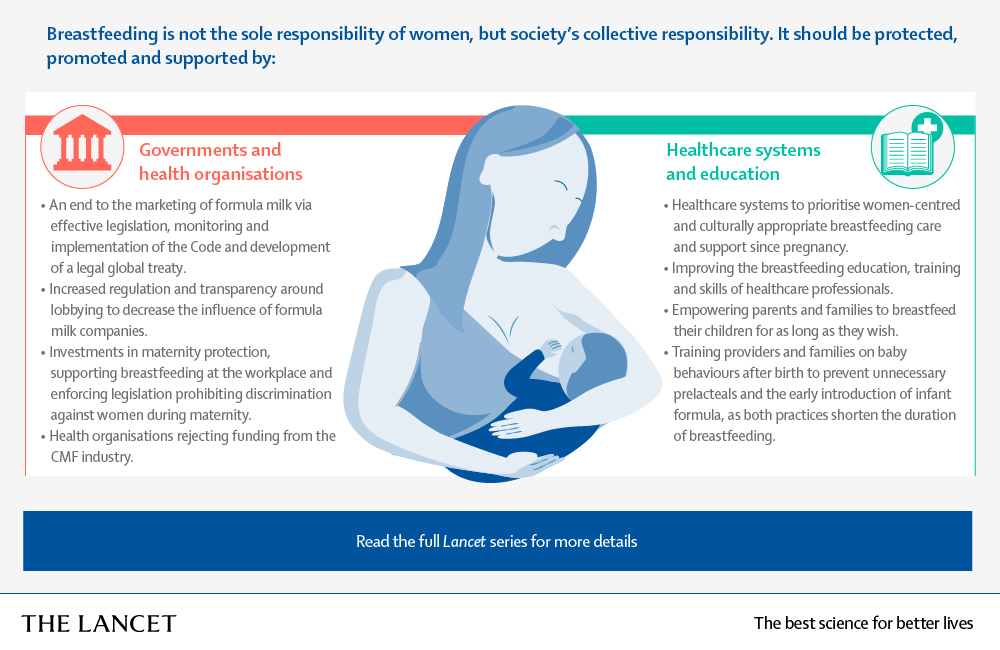
A recent @TheLancet Series calls for #breastfeeding to be supported, promoted, and protected: https://t.co/HtGQFjtkIu
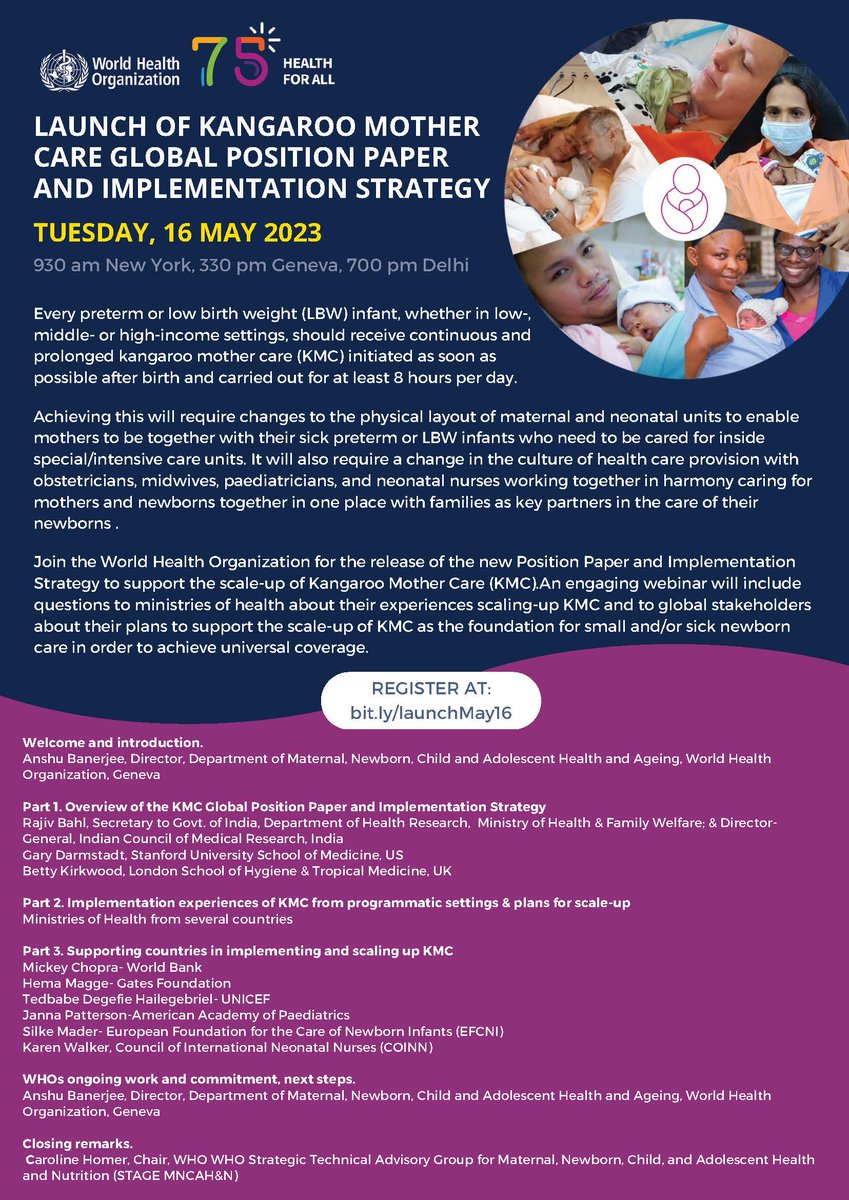
Upcoming webinar alert! Join @WHO tomorrow, May 16 for the release of new resources to support implementation and scale-up of Kangaroo Mother Care (KMC) in line with the updated recommendations for the care of preterm or low birthweight infants.
New WHO recommendation on NSS based on the evidence which suggests that its use does not confer any long-term benefit in reducing body fat in adults or children and there may be potential undesirable effects, such as diabetes, CVD, and mortality in adults.
https://t.co/Ww5gRzAsjZ
Front-of-pack nutrition labelling (FOPNL) systems play a role in promoting healthy diets. Our latest research makes the case for including commercially-produced #complementaryfoods in #FOPNL systems to support caregivers in making healthier food choices: https://t.co/aBK2I8Pi9s
New 7-country study evaluated nutrient content of commercially-produced #complementaryfoods against front-of-pack nutrition labelling (#FOPNL) systems. We found many products w/ excessive levels of sugar & fat that would warrant warning signs.
Learn more: https://t.co/dN52iC7tZC
What you see on food labels isn’t always what you get. Our latest research highlights the need for governments to set standards, monitor, and enforce rules around accuracy of nutrient declarations on labels of commercially produced #complementaryfoods: https://t.co/1VeZjVZu0K
Analyzing videos from the most popular child influencers on YouTube, @UConnRuddCenter researchers find that 38% of the videos featured branded food and bev products, despite YouTube’s ban on food advertising on kid channels: https://t.co/5FKs8veBbr
Concerningly, #babyfoods showed a 22% increase in the proportion of purchases containing additives and >15% increase in the proportion of purchases containing three or more additives.
New study finds that over half of Americans' food purchases contain technical food additives — a 10% increase since 2001. By 2019, purchased foods and beverages contained 4.5 additives, on average. #UltraProcessedFood#UPF#FoodSupply
https://t.co/GacKKbu65P
Journal Article: 📑 Babies before business: protecting the integrity of health professionals from institutional conflict of interest. https://t.co/HAGkhpLvzO
Check out our updated tax policy maps! Updated sweetened drink tax maps + NEW map of taxes on non-essential foods now available. Latest adds include Colombia's new taxes on ultra-processed products, coming into effect later this year. #SSBs#UPPs#UPFs
https://t.co/SbZxuInbXa
To ensure the nutritional needs of infants and young children are met, the standard also specifies essential composition such as: appropriate energy density, mandatory vitamins and minerals, and limits on sodium content.
We applaud the gov’t of #Nepal for setting a new standard for cereal-based commercially produced #complementaryfoods (CPCF) for children 6-36 months to curb inappropriate labelling and marketing, which can undermine #breastfeeding. Read more here: https://t.co/K2oTaZklsH