Advanced Research Unit On Metabolism Development Aging; Research Center for Malnutrition, Metabolic diseases, Aging; Policy; Intervention; Discovery Science
📢 ARUMDA Symposium 2026 | Call for Registrations & Abstracts
📅 13–14 Oct 2026
📍 TIFR Hyderabad
🧬 Bridging Science and Society for a Healthy Tomorrow
📝 Abstract deadline: 3 Oct 2026
🔗 https://t.co/Sw7rJZI37y
@UllasKolthur@Mahen_Son@TIFRScience#ARUMDA#Metabolism
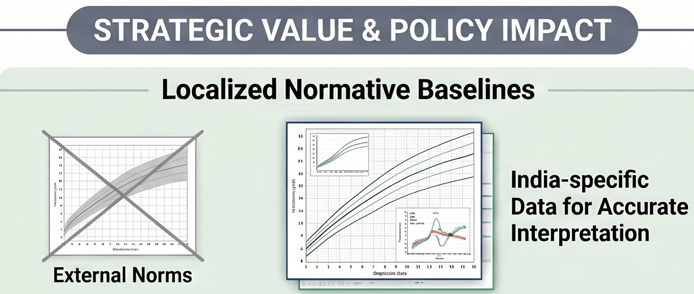
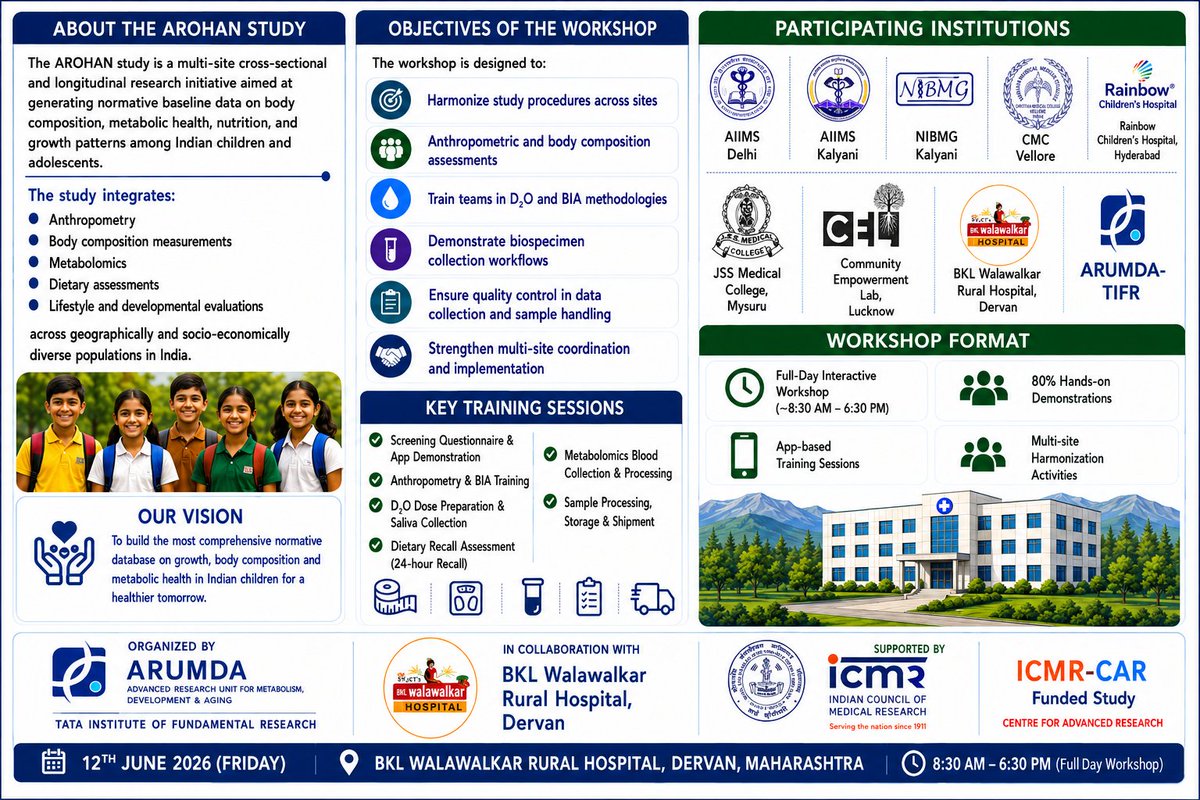
Launch of the ICMR–CAR funded AROHAN study: Develop India-specific reference data on growth, body composition, metabolic health, and nutrition among children and adolescents (4–16 years) across seven diverse populations @ICMRDELHI@TIFRScience@DAEIndia@PMOIndia
By extending the ICMR’s #UNNATI initiative into later #childhood and #adolescence, AROHAN will provide critical evidence to refine national growth charts, clinical cut-offs, and program guidelines for mid-/late-childhood and adolescents.
@OffCMCVellore@aiims_newdelhi
Collaborative study from ARUMDA-TIFR and CMC-Vellore shows new evidence from a Vellore birth cohort on India’s double burden of malnutrition in childhood; undernutrition and obesity are both evident by primary school age. https://t.co/p0fYUB9z4R
This posits a critical window for action beyond the first 1,000 days. Strengthening maternal nutrition, growth monitoring, healthy food environments help prevent future NCD risk
#ChildNutrition#DoubleBurdenOfMalnutrition#PublicHealth
The 2nd ARUMDA–IAEA Workshop has been successfully completed @TIFRH_buzz
A big thank to all speakers and participants for the engaging discussions and knowledge exchange. #ARUMDA#IAEA#stableisotopes#metabolomics
Great week at the 2nd Annual Workshop on Stable Isotope & Metabolomics-based Methods for Nutrition & Metabolism @TIFRH_buzz
Core modules: Stable Isotope Techniques for Nutrition Assessments & Metabolomics
Great platform for building capacity for nutrition & metabolism research!
Quiz | Know Your Food
From food labels to nutrition myths to healthy diets, this quiz puts your food and nutrition knowledge to the test. Join us not only to test your knowledge but also to discuss how marketing, cultural beliefs, and experiences shape our nutrition knowledge.
📆 15 February 2026, Sunday
⏰ 12pm-1pm
📍 Science Gallery Bengaluru
For details and free registration, please visit the Programmes link in our bio or the URL https://t.co/grTu8jOJVM
@ARUMDA_TIFR@TIFRScience@TIFRH_buzz@dytbirsen@UllasKolthur@tavleen1109@JahnaviPhalkey
Workshop | What Makes You Up? Understanding Your Body’s Composition
Join the team from Arumda as they decode our weight, looking at fat, muscle, and body water to better understand how our bodies store and use energy. Using a portable body composition analyser, he explores how nutrition, calories, and metabolism are measured, and where these measurements fall short.
📆 14 February 2026, Sunday
⏰ 11am-1pm
📍 Science Gallery Bengaluru
For details and free registration, please visit the Programmes link in our bio or the URL https://t.co/DL7HF0kPgZ
@ARUMDA_TIFR@TIFRScience@TIFRH_buzz@dytbirsen@UllasKolthur@tavleen1109@JahnaviPhalkey
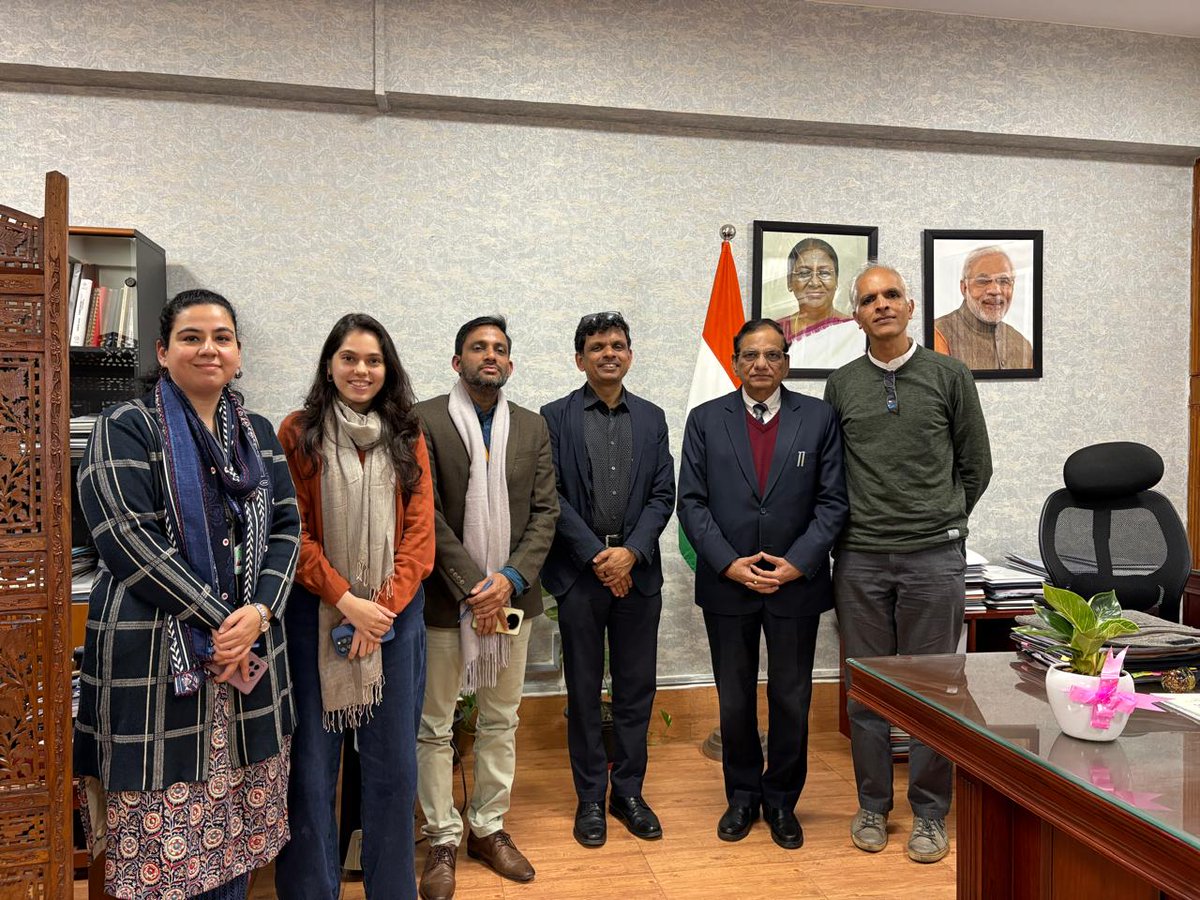
An honour to engage in an insightful discussion with Dr. Vinod Paul at @NITIAayog. He applauded @ARUMDA_TIFR’s pioneering work in advancing deep biological understanding of metabolic health and malnutrition.
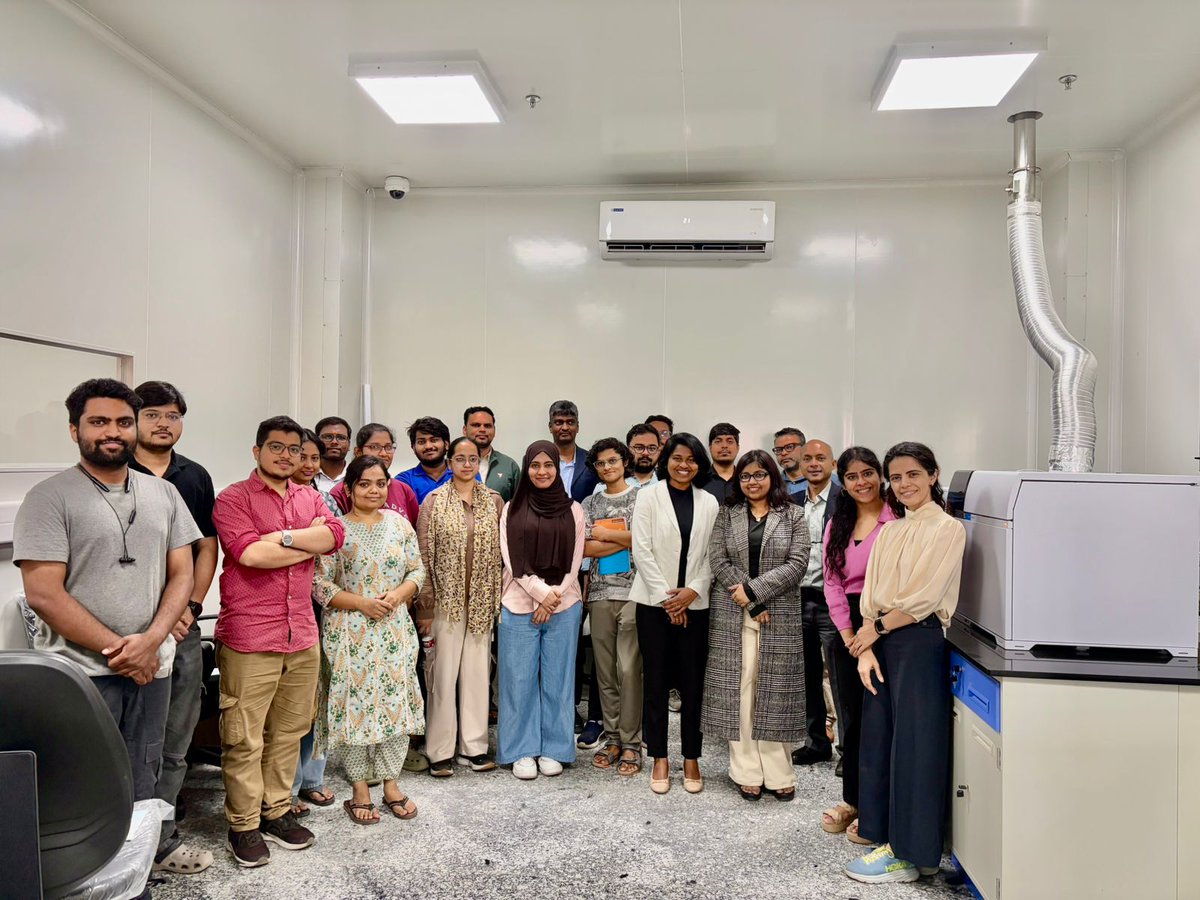
ARUMDA successfully conducted a one-day workshop on ICP-MS for Elemental Analysis on 19 January 2026, in collaboration with @Agilent
The workshop focused on practical applications of ICP-MS in biological and food samples, with valuable discussions on instrumentation.
ARUMDA, in collaboration with @Agilent, is organizing a workshop on ICP-MS for Elemental Analysis
🧪 Applications in biological & food samples
📅 19 Jan 2026 | ⏰ 10 AM–4 PM
📍 @TIFRH_buzz#ICPMS#Elementalanalysis
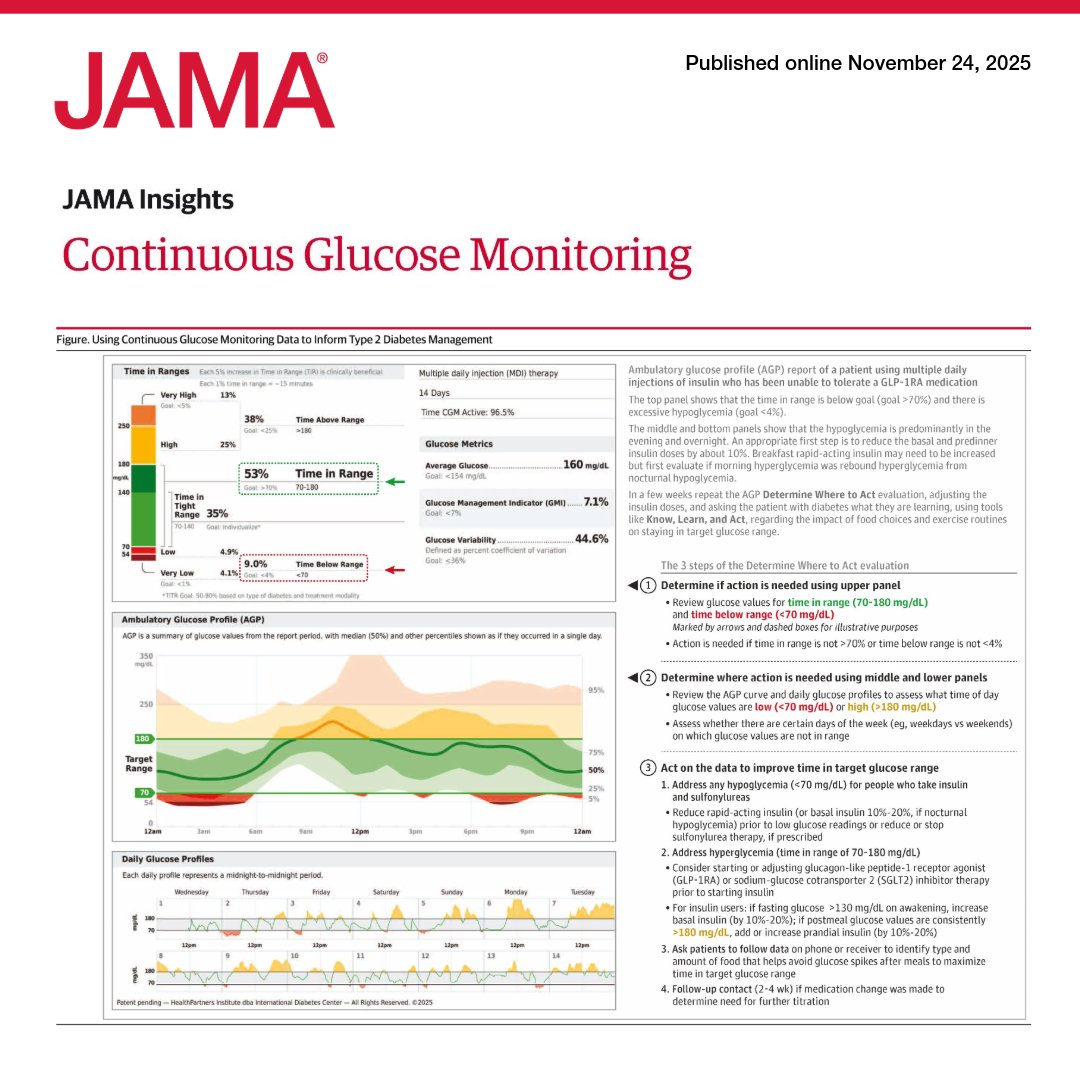
Continuous glucose monitoring (CGM) enables real-time assessment of glucose trends in individuals with type 2 #diabetes, complementing or replacing fingerstick and HbA1c monitoring.
💡 This JAMA Insights discusses CGM use for type 2 diabetes. https://t.co/zpJoGG2VF5
A large-scale analysis of U.S. water quality data reveals that most toxic chemicals remain poorly characterized or undetected in routine monitoring.
The findings in Science suggest that the true scale of chemical risk to biodiversity and ecosystems may be significantly underestimated. https://t.co/cS3x32CkqP