I often see confusion about how we measure NEE by eddy-covariance, even among scientists.
@AmeriFlux calls turbulent flux of CO2 "FC" and label it "turbulent flux, no storage correction". The "storage correction" is called "SC". https://t.co/DDf1sfb1Bm
We figured out how much water is in all of Earth’s plants and how long it takes water to flow through them.
Answer: 786 km3 and 5-18 days.
@NatureWaterJnl@koen_hufkens@sciencebyAJ
I have a new analysis over at The Climate Brink exploring how rates of warming have changed over the past century.
Post-1970, GHGs (CO2, CH4, etc.) would have led to just under 0.2C per decade, but falling aerosols (SO2) have increased that rate to 0.25C.
1/n
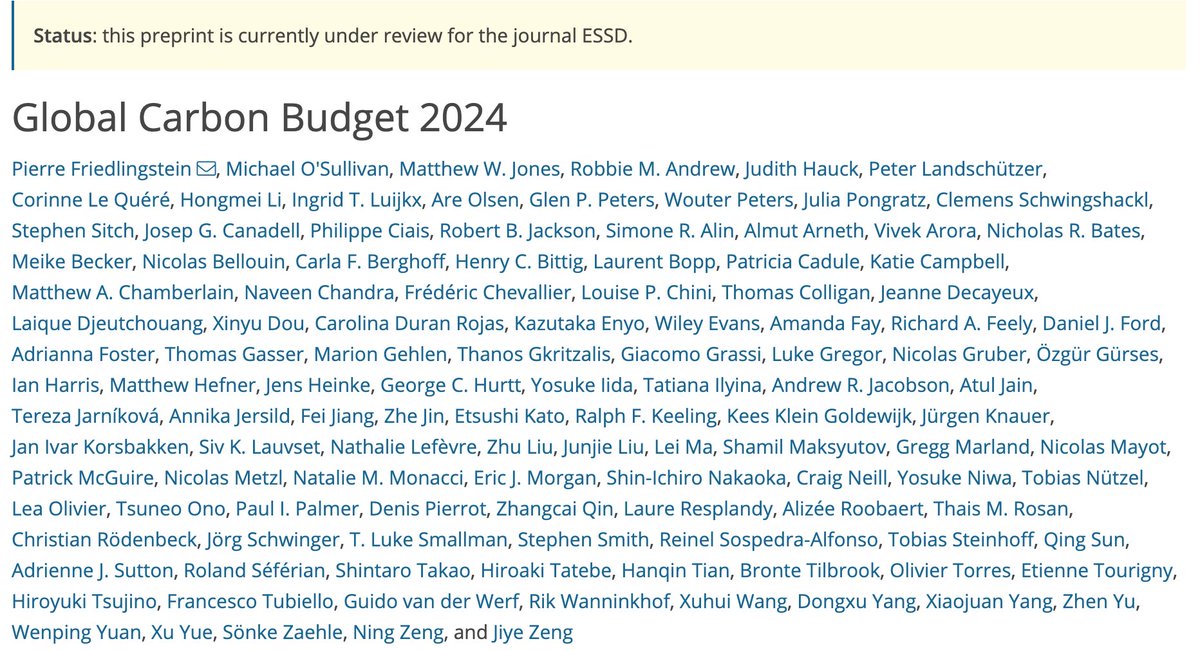
We have just published the new @gcarbonproject Global Carbon Budget, 2024.
It contains a mix of bad news and some less bad news. The latter signals some progress, albeit slow, towards decarbonizing the global economy.
https://t.co/rwFiBkgAOj
@MiguelDMahecha@EnvDataScience I think we should move to a more open system. 2-5 reviewers doesn't mean "scientific consensus" yet it is published. We should openly "publish" online and let scientific feedback from the community openly argue, let the work evolve and lead to an actual consensus. Colaborate...
Today, I’m excited to share with you all the fruit of our effort at @OpenAI to create AI models capable of truly general reasoning: OpenAI's new o1 model series! (aka 🍓) Let me explain 🧵 1/
Thrilled to see this paper published - an international collaborative work involving modellers and experimentalists. We assessed the C-P interactions in models and their responses to elevated CO2 @westsyduhie@westernsydneyu@ZJU_China
Our new paper lines up P-enabled vegetation models against results from #EucFACE experiment and asks: how did they do? Congrats @jiangmingkai for a huge effort co-ordinating modelling and experimental communities! @westernsydneyu@westsyduhie
NASA JPL team hopes to give greenhouse gas-monitoring satellite 'unprecedented' vision -- A nice story about the past and future of our GHG measurements https://t.co/QZfDjWuZAa
Excited to see the hard-won #EucFACE Phosphorus budget published in @springernature today. Many thanks to lead authors @jiangmingkai and Kristine Crous!
Congrats to @YitongYao on her just published GRL paper "Investigating Diurnal and Seasonal Cycles of Vegetation Optical Depth Retrieved From GNSS Signals in a Broadleaf Forest" @vwhumphrey@BiogeoYi@yinonbaron@NatanHoltzman ...
https://t.co/6cowOIMiyW
https://t.co/dICjrtV4ID
Five minute GPP estimates from ALIVE on June 6, 2023. The dark smear across southern MN and other parts of the midwest are our estimates of the impact of Canadian wildfire smoke on ecosystem carbon uptake: https://t.co/YCnPmvo3Ki @DanielleLosos
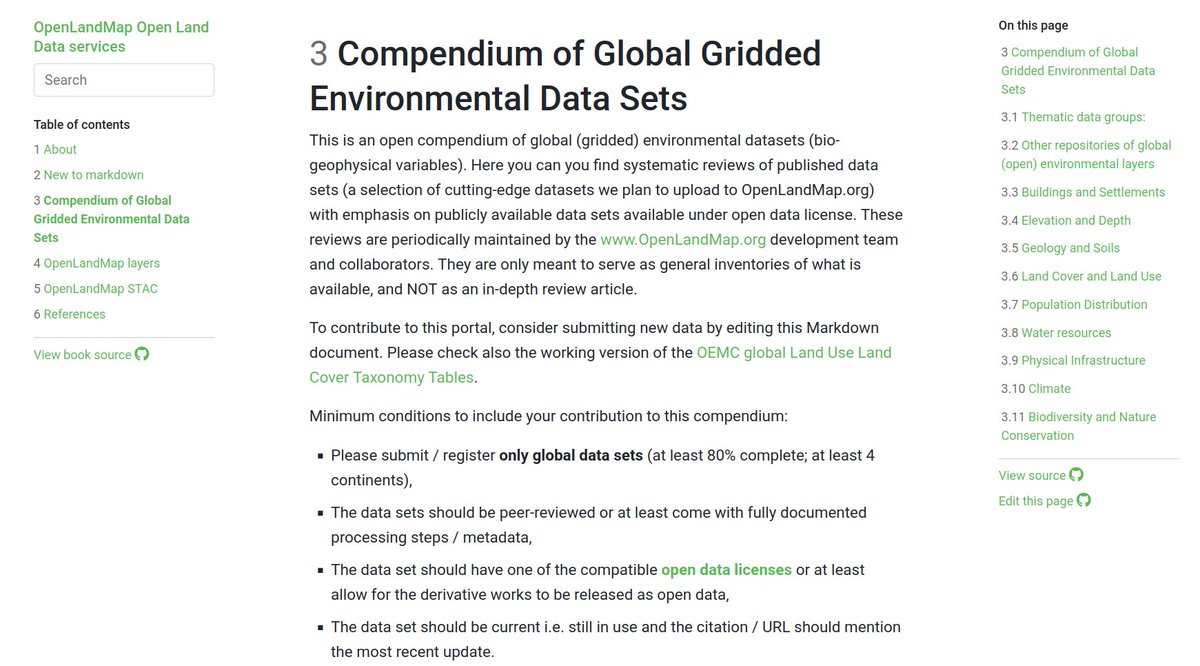
All global environmental (open) data sets listed at one place: https://t.co/acIkNl6Jbj
If you are aware of some relevant open global data set that we have maybe missed, please post here, or edit the document directly via Github. Thank you! @EarthMonitorOrg#OpenLandMap
Global Temperature Rise by Country (2022-2100P) 🌡️
In partnership with @_NPUC, this visual is a part of our Decarbonization Channel—shining a light on the progress towards net zero goals in the U.S. 🍃
See maps for 2022 temperatures and 2100 projections:
https://t.co/0GvgBHPVt1
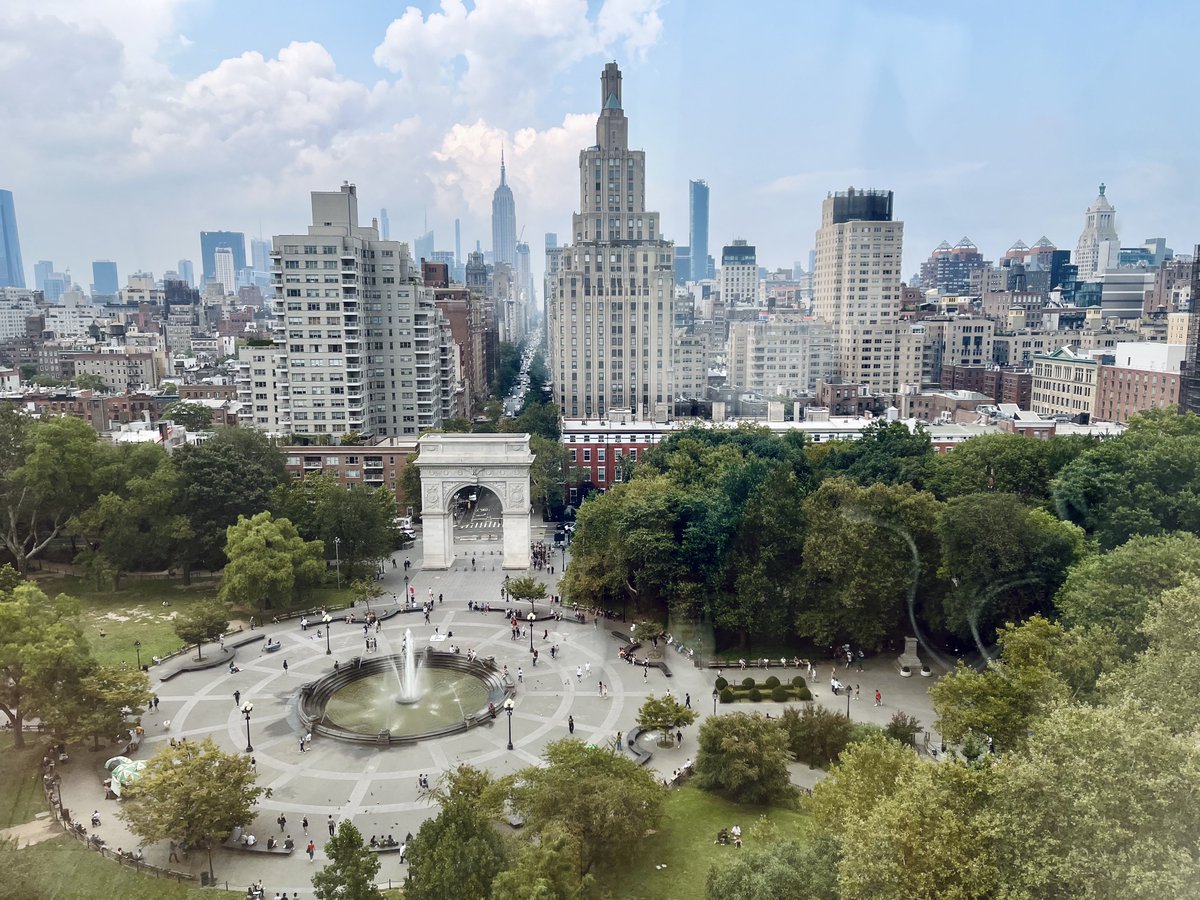
🌱 Exciting opportunity at NYU Environmental Studies! We're looking for two postdocs to explore the global methane budget or urban heat and climate extremes. Join us in advancing climate research! 🌍 Please RT to spread the word! https://t.co/nQgWiEtVS1
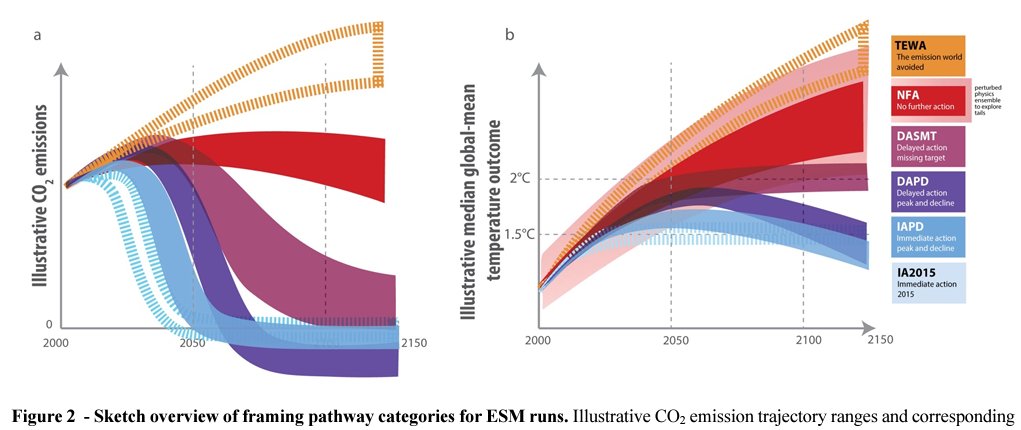
"A perspective on the next generation of Earth system model scenarios: towards representative emission pathways (REPs)".
Ms., pre-print.
Comment on it to improve the next generation of framing pathways to guide mitigation & adaptation.
@meinshausen
https://t.co/o8Be0TFlxA
@dr_wusun the framework of publishing is very slow and random - I've had amazing and terrible experiences with the review process.
Publishing was a great system 50 years ago. Nowadays we have new technologies and I feel like the scientific journal system is lagging behind.