The Most Important Exercise Advice May Be the Simplest
We have quite the bubble here... many are running sub-3 marathons... some much more than that... but the reality for most people is that they average 4-5k steps/day.
I love when the science catches up to what we’ve observed in the office for decades. It’s always been clear that those who are able to move the most… thrive. Far better than those who are sedentary. And oftentimes… any movement works.
The American College of Cardiology just published a new scientific statement on exercise prescription. The central message is simple: the biggest cardiovascular benefit often comes from going from doing nothing to doing something.
The relationship between physical activity and cardiovascular risk is not linear. The largest absolute risk reduction occurs when a sedentary person becomes modestly active. More activity can add benefit, but the gains become smaller as volume rises.
The statement still recommends at least 150 minutes per week of moderate aerobic activity or 75 minutes of vigorous activity, along with resistance training for most adults. But it also emphasizes that some movement is better than none, and that exercise should be safe, individualized, achievable, and sustainable.
It also reinforces another important point: meeting an exercise target doesn't fully offset spending most of the rest of the day sitting. You can train in the morning and still be highly sedentary afterward.
Meaningful benefit appears at lower levels than the ever-present 10,000 steps per day we see online. Observational data link around 7,000 steps per day to substantial reductions in cardiovascular and all-cause mortality.
The bottom line: move more, sit less, lift something regularly, and choose a level you can keep doing… even on your worst day.
h/t to @EricTopol, who posted this article first. ,
https://t.co/6xkNgRcL6F
💀99 WAYS IN 99 DAYS 💀
The official countdown to the release of:
99 Ways to Die & How to Avoid Them 📖
An illuminating, hilarious, and practical guide to 99 of the most terrifying ways to die and how to avoid them from an emergency medicine doctor (me!).
📖 pre order now: https://t.co/9wD2cWgXFJ
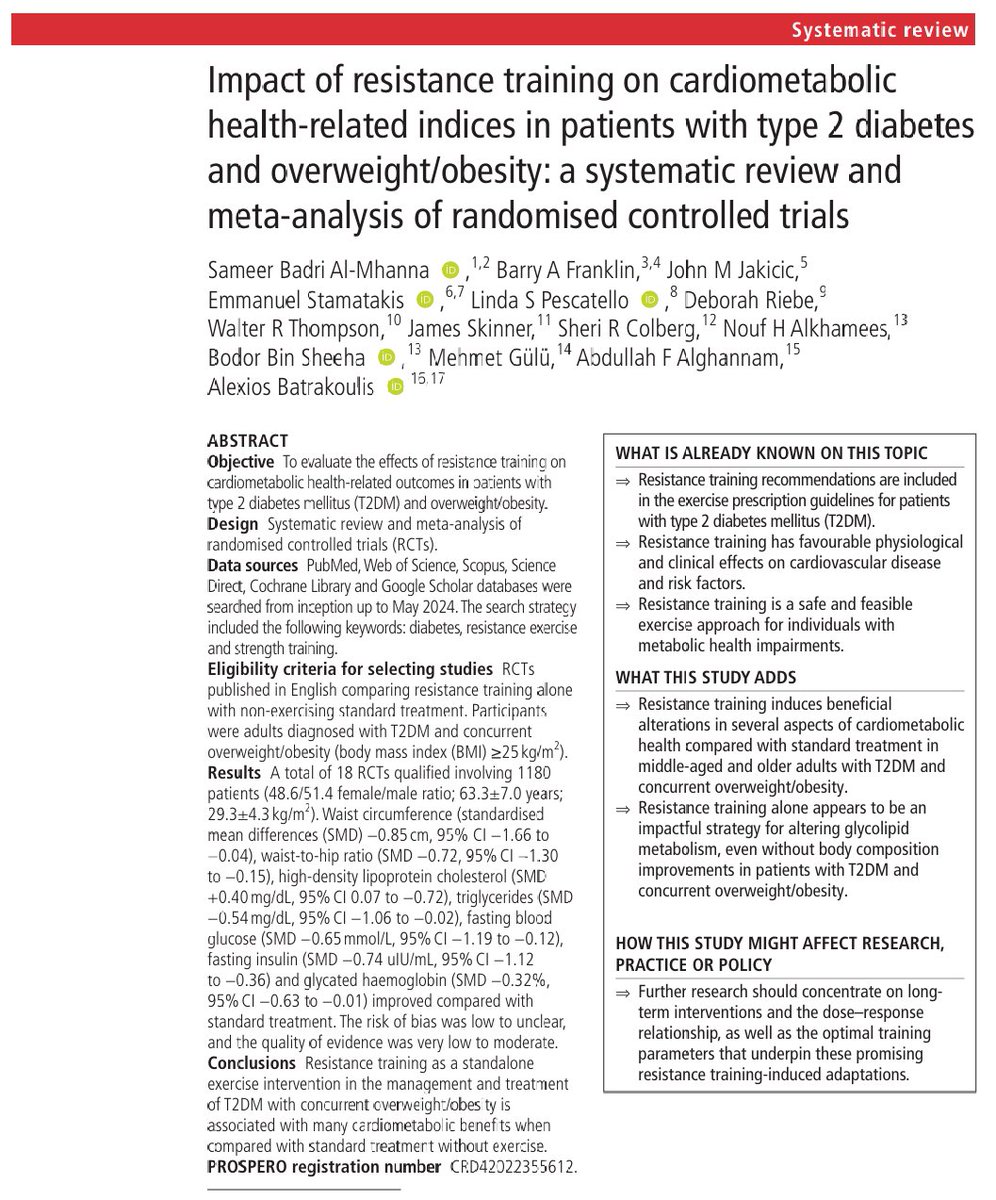
This systematic review and meta-analysis finds that resistance training as a standalone exercise intervention in individuals with type 2 diabetes and overweight/obesity is concomitant with many cardiometabolic benefits when compared with standard treatment without exercise.
If you have lost power due to fires or winter storm and have unused insulin, don’t throw it out! Call the manufacturer, pharmacy, or your doctor if you have questions. Find disaster resources at https://t.co/40JQftvDny.
Background activity and its impact on training:
"When completing a.n..exercise training program, decreasing daily background steps from 16,000 to approximately 5000 steps per day blunts some of the classic cardiometabolic adaptations to training"
https://t.co/2HAkHRR0II
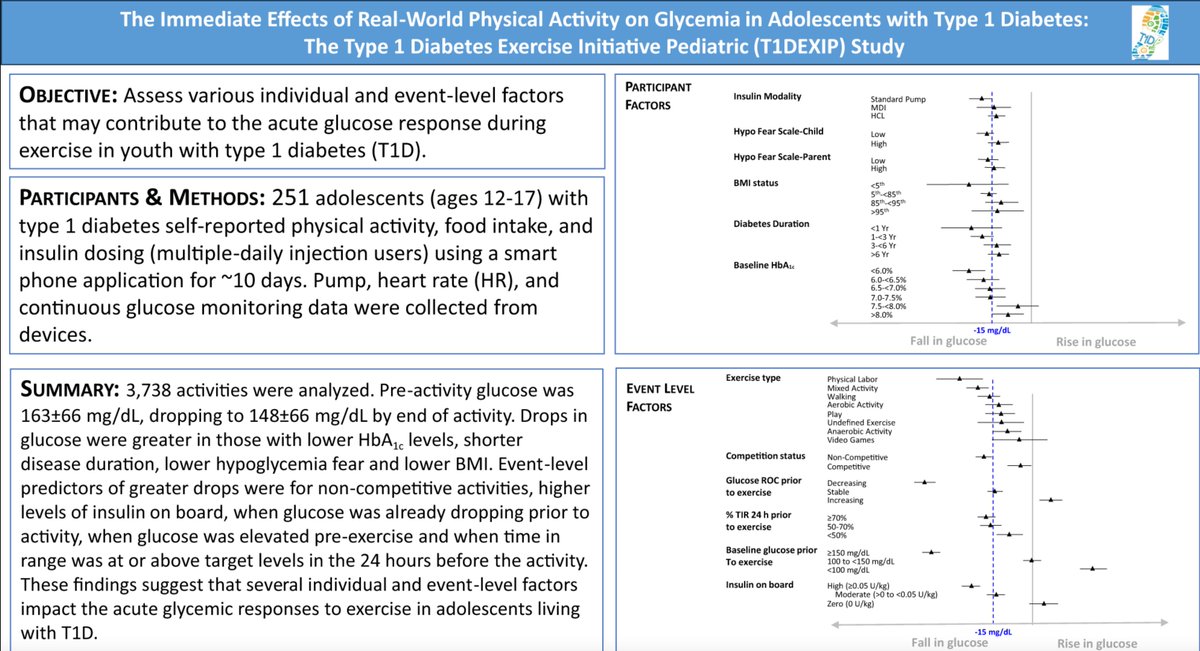
Sure. A high quality diet is probably good for #T1D. But if you exercise a lot that same diet only has marginal benefits on #TIR. #Exercise improves TIR more than diet! More #T1DEXI data results now out https://t.co/gMs91wYMx2
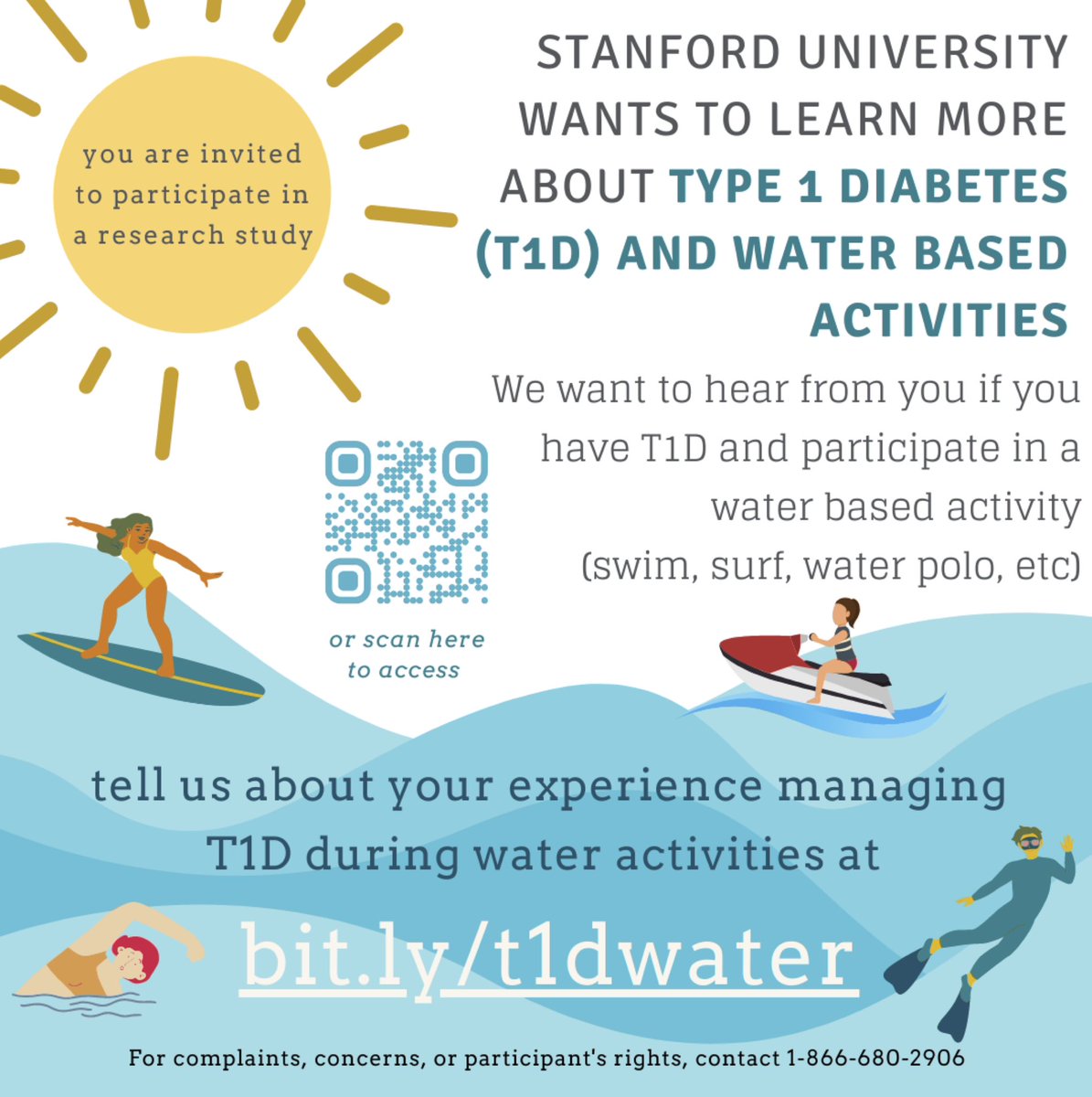
If you or someone you know has #T1D, Stanford researchers @5Dess & @mikehughes0 created a survey to SHARE YOUR EXPERIENCE with managing #type1diabetes when participating in water-based activities!
Fill out the survey here: https://t.co/Vm99p7U7GN
#CGM#closedloop#pump#MDI
Coach-athlete relationship and burnout:
"while higher mental toughness scores were associated with fewer burnout symptoms...higher mental toughness did not moderate the association between the coach-athlete relationship and burnout symptoms"
https://t.co/ny0BxiBHC6
“Without missing a beat, he [the administrator] said, ‘Then we’ll just hire new ones.’”
Competent specialists in any field—especially medicine—are not just waiting on the sidelines for their opportunities. They are a limited resource.
https://t.co/fniKAX21SO