I have spent my entire life working on this and thinking about this for the past 4 years. I don't know what will happen in 20 years, but I can promise you that on the 5-10 year timescale, scientists are not out of their jobs. AI is going to massively accelerate the pace of science, increase productivity, let individual scientists make way more discoveries way faster, and is going to make science overall more fun. But the model is going to be collaboration between humans and AI, not replacement.
The key difference here between science and e.g. software engineering is that science is not verifiable in any rapid/convenient way (unlike software), unlike programming. We still need humans for their scientific taste.
My first podcast is out today with @markwbudde, CEO of @plasmidsaurus.
Plasmidsaurus took whole-plasmid sequencing from $600 to $15 and turned a "boring" service company idea into a hugely successful company that now serves >70,000 scientists.
We talked about what it means to build a "boring" company, whether the Plasmidsaurus idea could apply to other technologies (like CRISPR screens), and why Plasmidsaurus isn't expanding into China. This podcast is made possible by @AsteraInstitute.
00:00 – Enter Plasmidsaurus
01:21 – Reducing sequencing costs by 40x
04:17 – Scaling Oxford Nanopore technology
06:29 – Venture capital and building a "boring" company
13:03 – Plasmidsaurus vs. traditional CROs
22:25 – On selling customer data
30:10 – Building a moat
37:08 – 50-minute results
39:26 – Logistics and the UPS partnership
48:42 – The Chinese market
50:20 – Playbook for new biotech founders
52:31 – The future of biological reasoning and AI
You can find the podcast, THE NEW BIOLOGY, on YouTube, Spotify, and everywhere else.
@NikoMcCarty@markwbudde@plasmidsaurus I love plasmidsaurus. They changed the game. Whole plasmid sequencing for the price of Sanger with a F/R primer. No time wasted diluting samples and adding primers. Incredible turn around time and more consistent results. I can’t wait to give this a listen.
@AFleetingImpre1@crismunozp Maybe. I never explicitly told anyone that I was looking at their grants on NIH reporter, but primary focus was always proposing a new project that could be of mutual interest.
Cool preprint! The authors map choroid plexus vasculature in 3D and find endothelial Piezo1 activation triggers network-wide calcium waves that shift across development, suggesting mechanotransduction shapes blood-brain barrier function.
https://t.co/ZUhcZAYYgz
Great to the see the flurry of single gene knockdown Perturb-seq like atlases from cell-lines, mouse brain etc over the last few days. These are undoubtedly very valuable datasets. I just want to re-iterate a few other very important expt. design considerations 1/
A new preprint introduces aDISCO, a DISCO-based clearing approach that makes whole archival FFPE human tissues transparent and antibody-compatible, enabling true 3D light-sheet histology across brain and multiple organs at cellular resolution. Adriano Aguzzi and Fritjof Helmchen teams.
https://t.co/cIMdH5Gp4e
#DISCO #clearing #3Dimaging #lightsheet #HumanTissue #FFPE #Histology
@_TheTransmitter@callimcflurry Please let me know if you would like to get into contact with faculty and graduate students. OHSU notified researchers 24h before their first statements and 6 days before the public hearing. The OHSU president and administration turned their back on us.
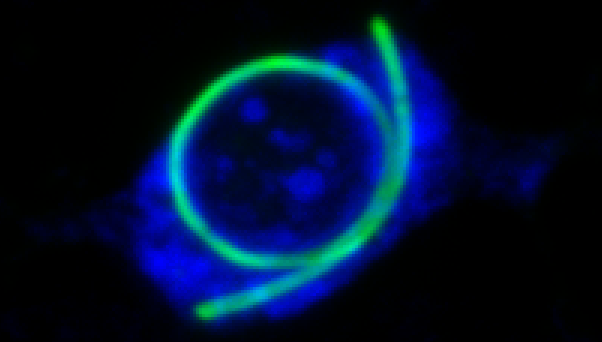
Our CytoTape work is published today in @Nature! CytoTape is a genetically encoded, flexible, intracellular protein tape recorder for spatiotemporally scalable and multiplexed recording of cellular activities continuously across weeks in vitro and in vivo. https://t.co/frFwoQeIRZ
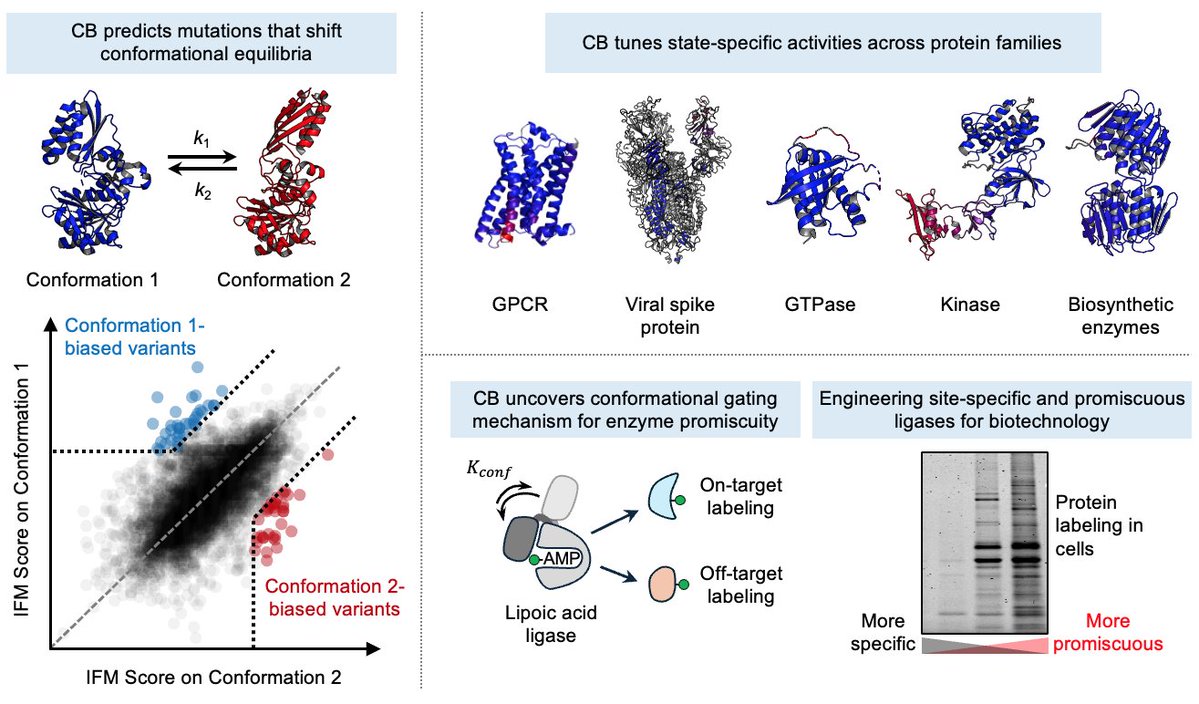
Can we design mutations that predictably bias proteins towards desired conformational states?
Today in @ScienceMagazine, we introduce Conformational Biasing (CB), a simple and scalable computational method that uses contrastive scoring by inverse folding models to identify conformation-biasing mutations.
https://t.co/lbWzHNdMRJ
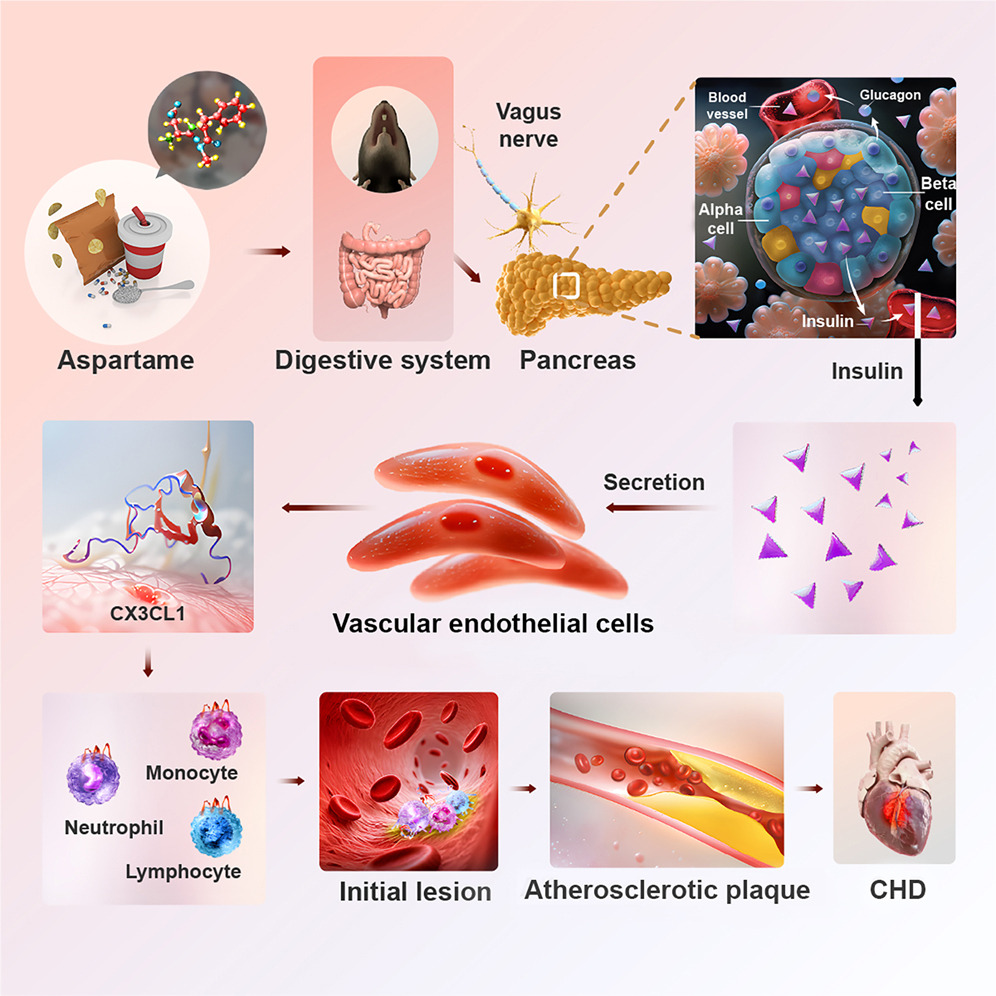
New paper: Aspartame, a synthetic dipeptide 200X sweeter than sugar, is linked to heart disease and Type 2 diabetes. New paper finds aspartame binds tightly & stably to PGC-1alpha, a key regulator of muscle health, inflammation, and insulin resistance 🧵
The right way to remember Jim Watson is to remember him honestly. He was a central figure in one the 20th century's most impactful scientific discoveries, in the creation of modern molecular biology, in the beginning of the genomics era, and (less notably) to shaping the structures of contemporary academic departments and institutions. His actions with respect to Rosalind Franklin are certainly not beyond reproach, but the reduction of him in many peoples' minds to someone who stole her discovery is unfair and does little service to the truth. He could be charming and insightful in person, but also quick to demean people around him for seemingly no other reason than that he could. He spoke out frequently against unscientific thinking, yet also frequently said things that were unambiguously - and it often seemed intentionally - sexist, racist and anti-Semitic. The talk I saw him give at Berkeley 20 ish years ago, while perhaps designed primarily to provoke, was a masterclass in how to undermine your own reputation as a person and a thinkier. His demise was sad, but also self-inflicted in a way that someone as smart as he thought he was should have known to avoid. I know many won't mourn him - and that is fine - but I will because I think he and his generation of scientists made science a more interesting - if not always a better - place.